Launching a custom rollup or application-specific blockchain used to be a monumental task. Developers faced months of DevOps headaches, complex validator setups, and the constant threat of security missteps. Enter Tanssi: a modular app-chain infrastructure that flips this script, letting teams deploy robust, decentralized networks in minutes instead of months. If you’re building for gaming, DeFi, or real-world assets (RWA), Tanssi’s plug-and-play approach is a game changer for both speed and sovereignty.
Why Modular App-Chain Infrastructure Matters Now
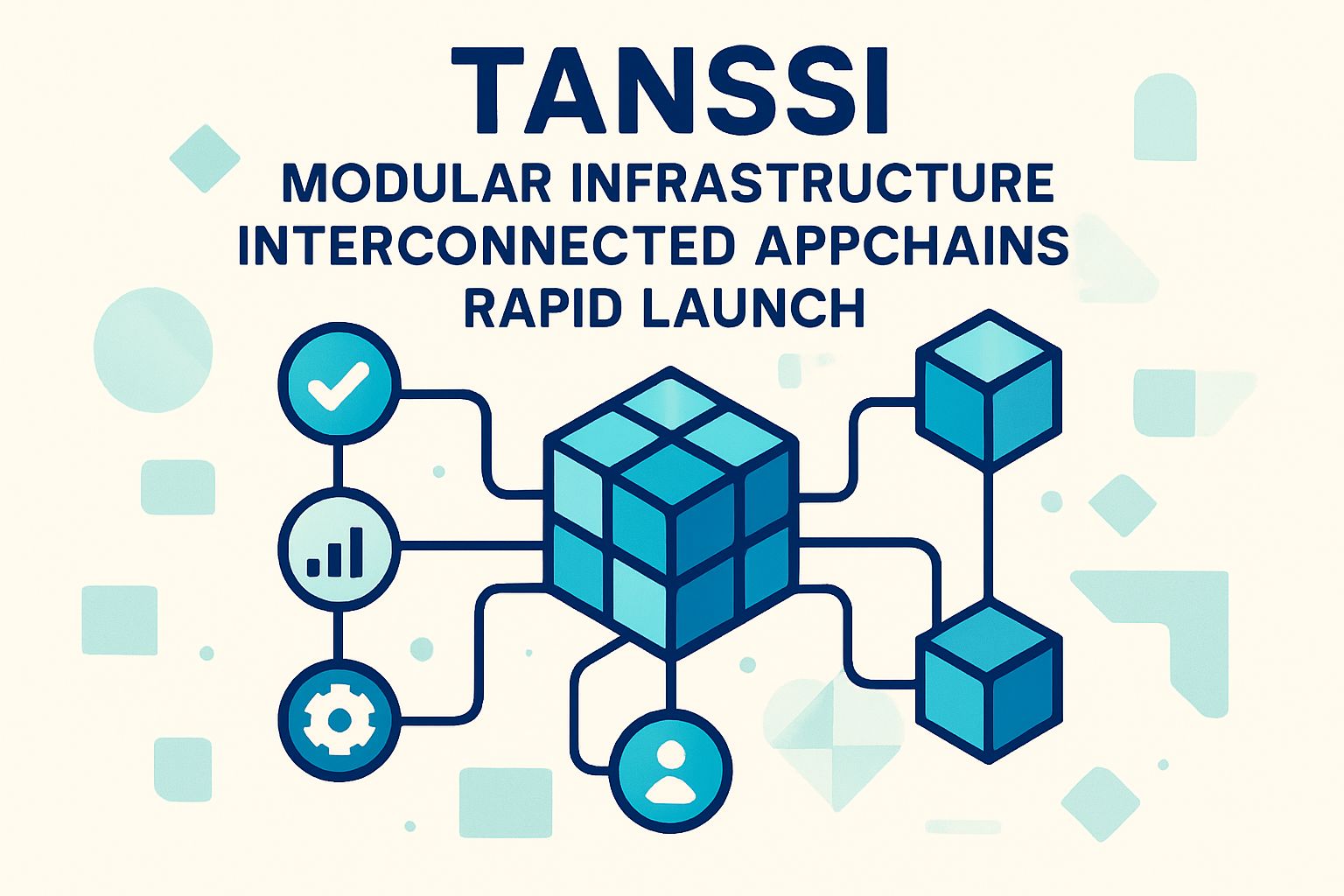
In 2025, the blockchain ecosystem is more fragmented and competitive than ever. General-purpose L1s are crowded and costly. Rollups promise scalability but often come with hidden tradeoffs in security or governance. That’s where modular app-chain infrastructure like Tanssi stands out: it lets you cherry-pick the best components for your use case, consensus, execution, fee markets, while inheriting shared security and cross-chain connectivity.
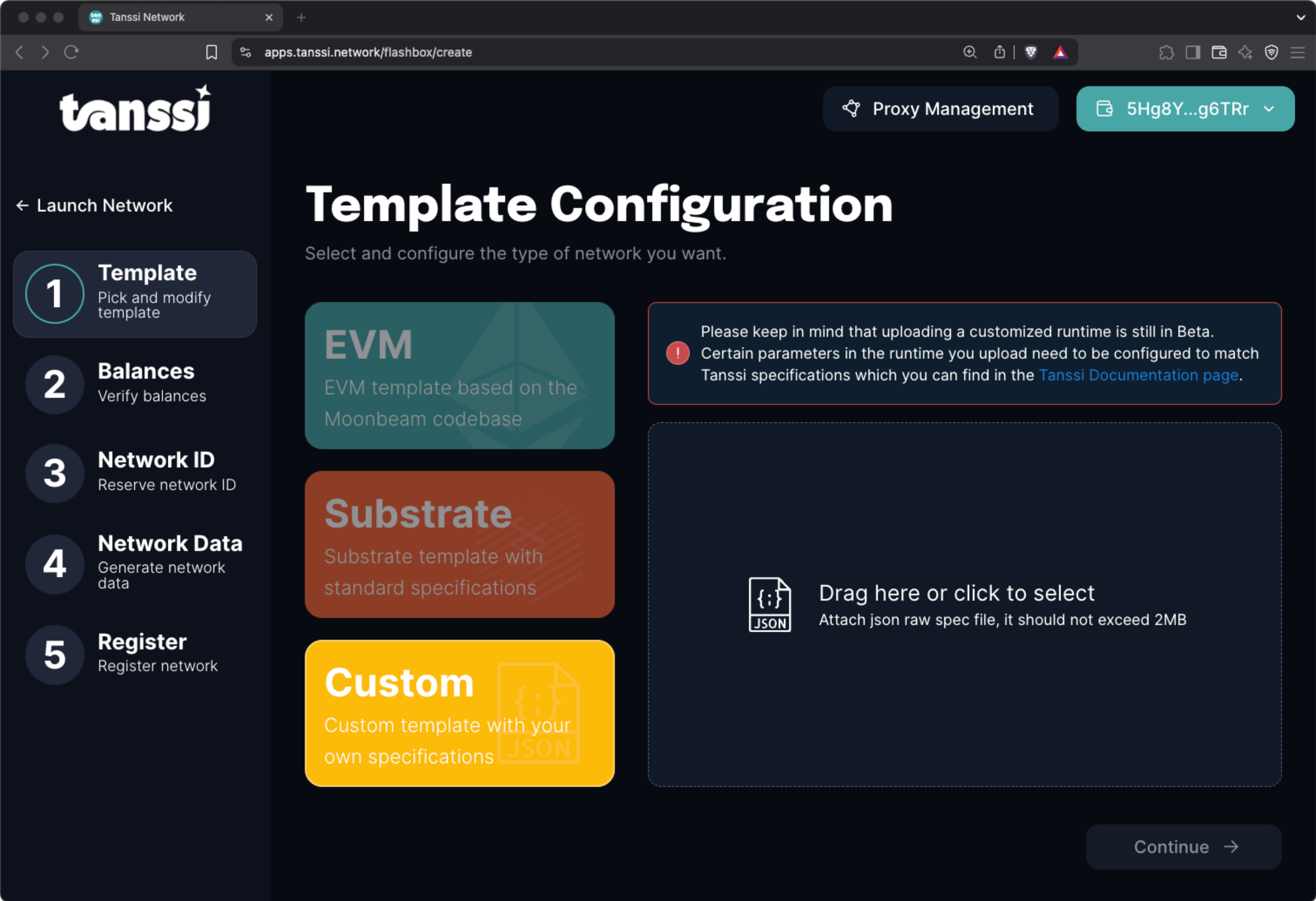
Tanssi’s architecture is designed to abstract away the heavy lifting. With pre-configured templates for EVM and Substrate-based chains, developers can launch networks with custom modules (think oracles or smart contracts) and tailor governance without reinventing the wheel. This modularity isn’t just about convenience; it’s about unlocking new economic models and specialized fee markets that simply aren’t feasible on monolithic chains.
Top Benefits of Using Tanssi for Custom Rollups
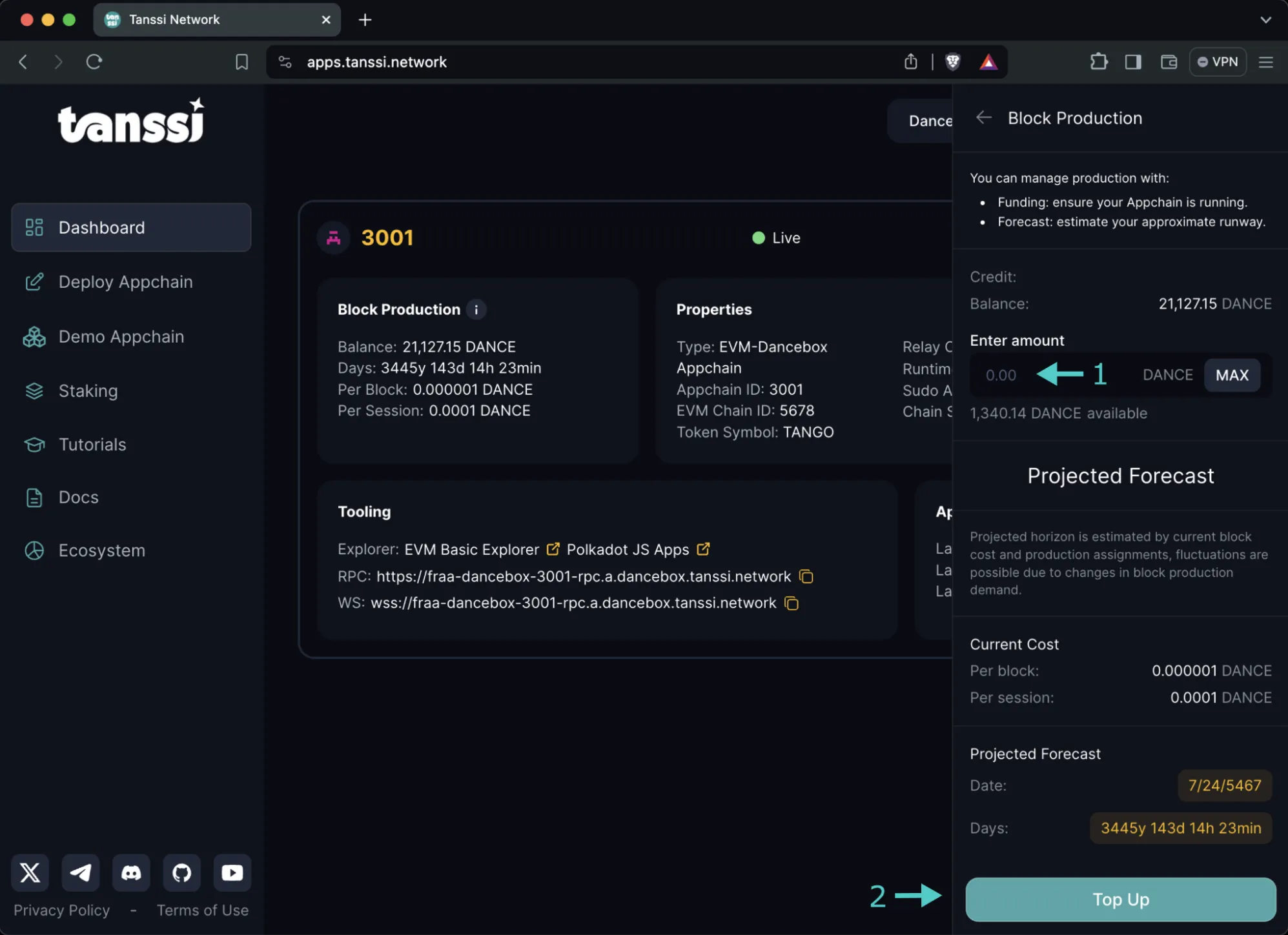
- Rapid Deployment with Pre-Configured Templates: Tanssi offers ready-made templates for both EVM and Substrate-based appchains, letting developers launch custom rollups in minutes instead of months. These templates are modular, supporting deep customization for use cases like DeFi, gaming, and real-world assets.
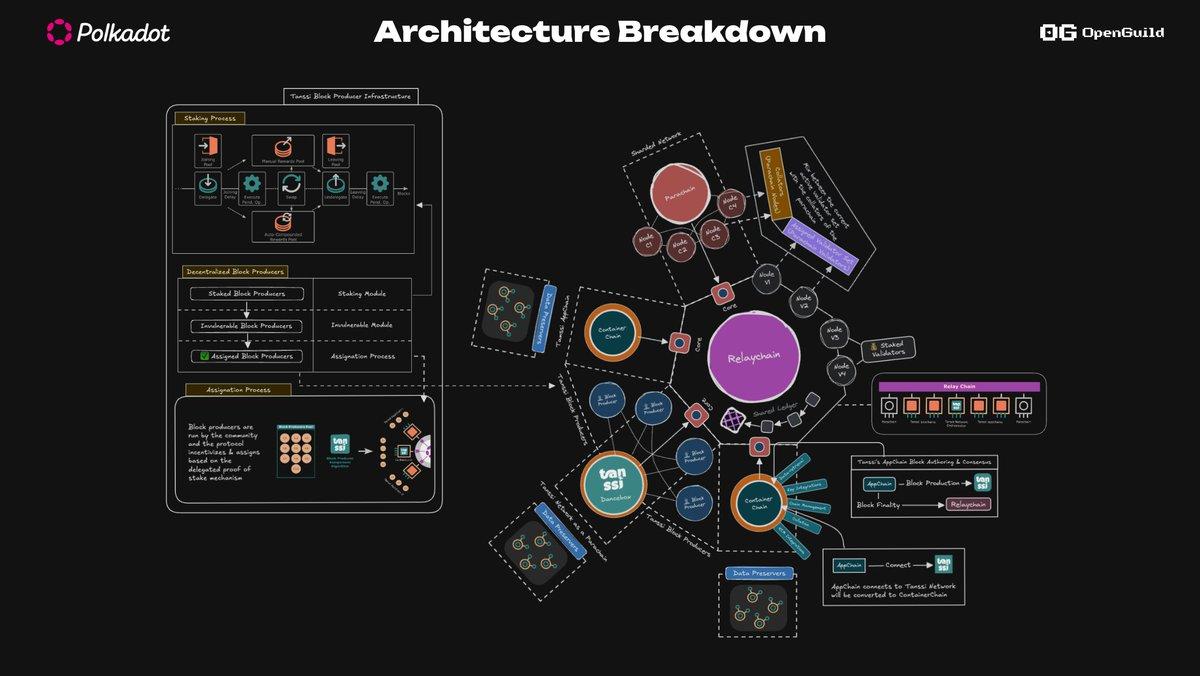
- Automated Orchestration & Simplified Operations: The Tanssi Orchestration Chain automates core infrastructure tasks—like decentralized sequencing, operator management, and data availability—so teams can focus on their dApps rather than backend headaches.
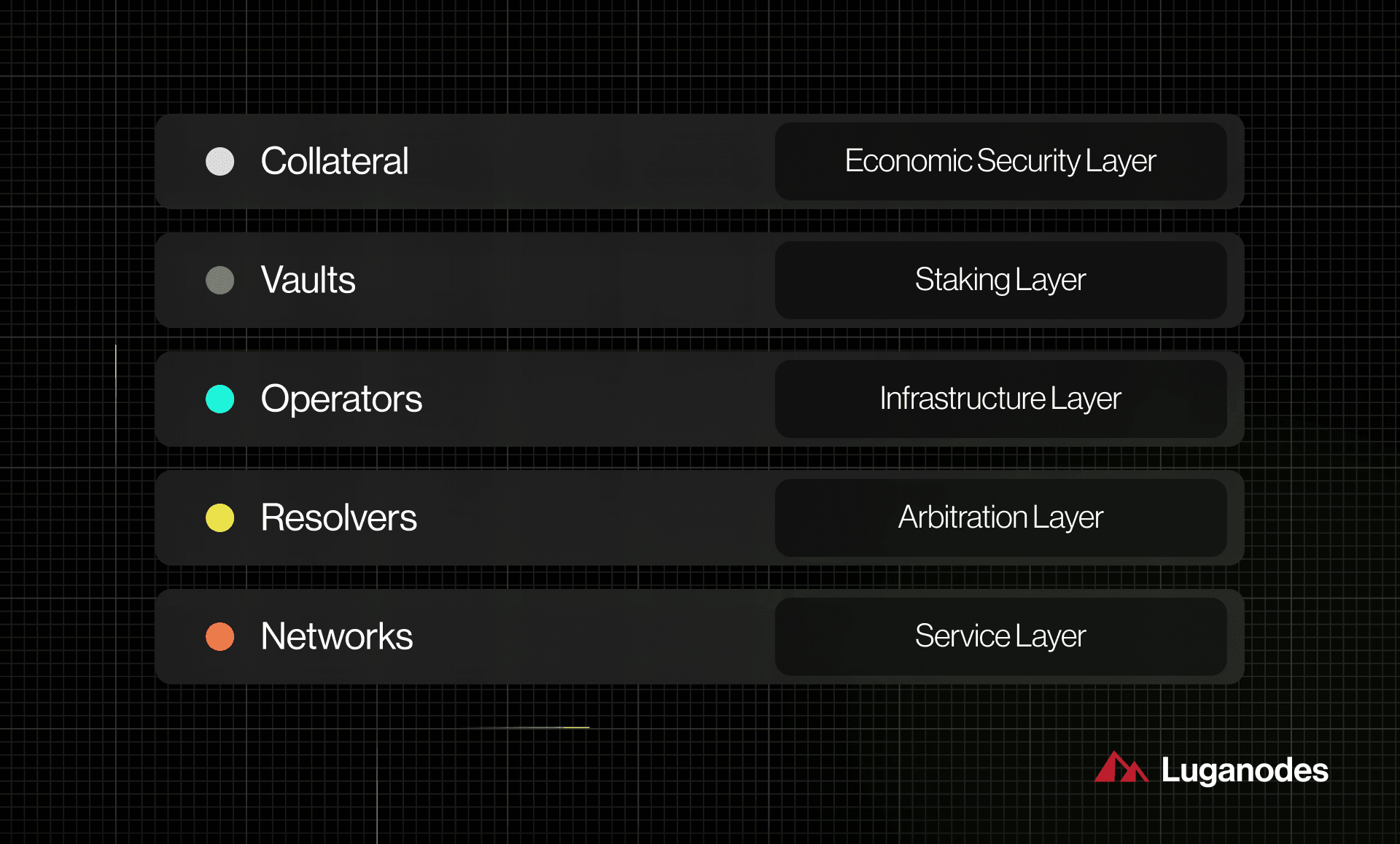
- Shared Security via Symbiotic Restaking: By integrating with the Symbiotic restaking protocol, Tanssi delivers over $350 million in inherited economic security to new appchains. This means robust protection without building a validator set from scratch.
- Seamless Interoperability: As a Polkadot parachain, Tanssi leverages XCM for secure cross-chain messaging and integrates with Wormhole to bridge Ethereum assets—giving developers instant access to liquidity and users across major ecosystems.
- Customizable Governance & Middleware: Tanssi lets teams tailor consensus, governance, and middleware modules to fit their project’s needs—empowering builders with sovereignty and flexibility while maintaining decentralization.
Tanssi’s Core Stack: Automation Meets Security
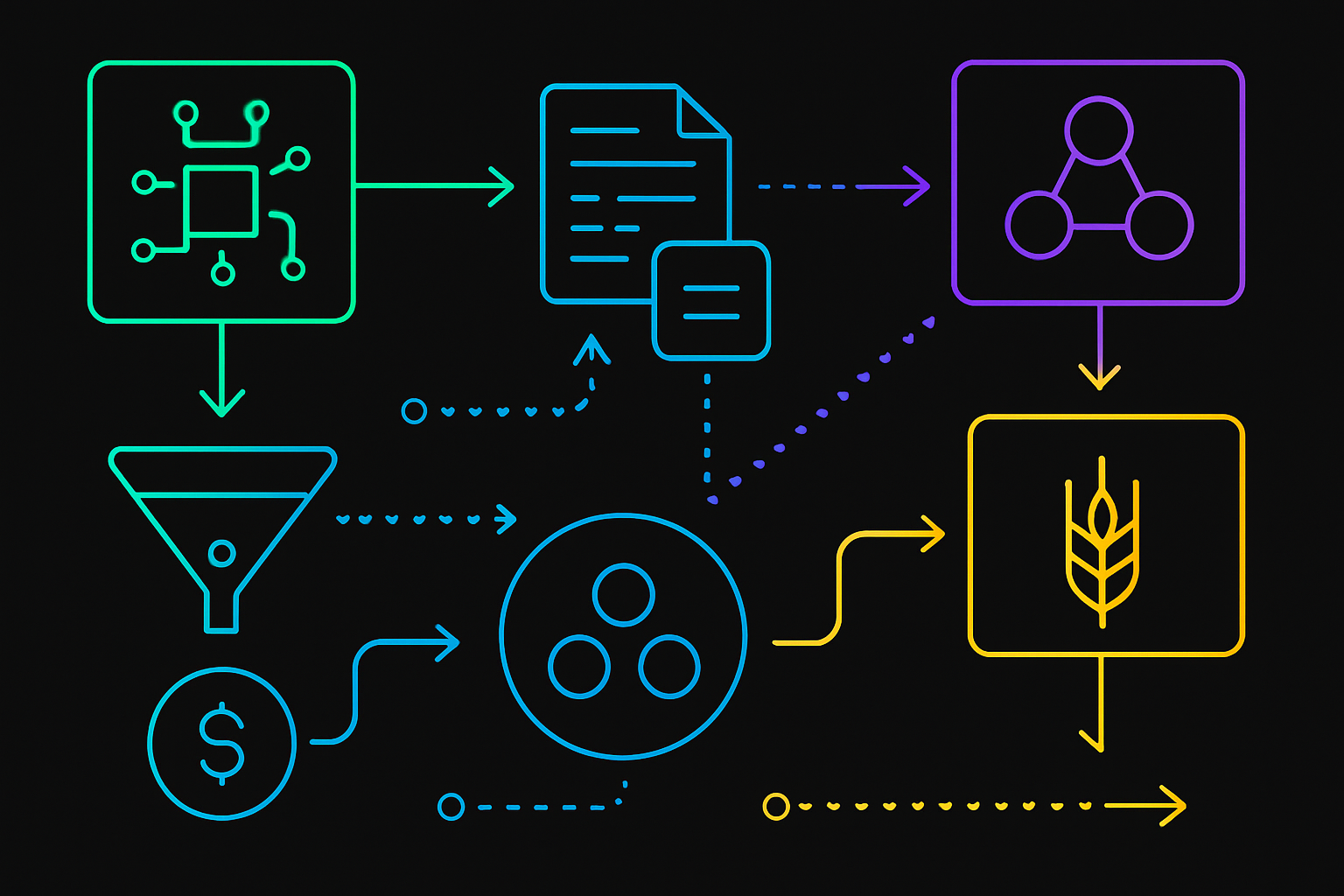
The heart of Tanssi is its Orchestration Chain, a decentralized layer that automates everything from chain setup to operator management. Forget manual node wrangling; Tanssi offers permissionless sequencing, rapid deployment via templates, and integrated cross-chain messaging out-of-the-box.
But automation means nothing without robust security. Here’s where Tanssi really flexes: by tapping into Symbiotic’s restaking protocol, it provides over $350 million in economic security. Appchains inherit this shared security using already-staked ETH, WBTC, and more, no need to bootstrap your own validator set or worry about single points of failure. Validator rotation is dynamic and finality clocks in at just 12 seconds.
Interoperability Without Compromise
Tanssi doesn’t just help you launch faster, it helps you connect better. As a Polkadot parachain leveraging XCM protocol, every appchain enjoys seamless cross-chain messaging and global security sharing. The integration with Wormhole opens up direct liquidity access from Ethereum DeFi to your custom network, imagine migrating assets frictionlessly across ecosystems without sacrificing performance or control.
This dual-track interoperability means your chain isn’t an island, it can plug into both Polkadot’s vast relay chain and Ethereum’s liquidity pools simultaneously. For builders looking to maximize reach without compromising on speed or sovereignty, this is as good as it gets.
What’s truly exciting about modular app-chain infrastructure like Tanssi is how it catalyzes a new wave of decentralized innovation. By abstracting away the back-end chaos, think validator bootstrapping, security audits, and cross-chain plumbing, Tanssi lets developers focus on what matters: building unique protocols, fine-tuning specialized fee markets, and experimenting with governance models that were previously out of reach on generic blockchains.
Unlocking Specialized Fee Markets and Economic Models
One of the most powerful features enabled by Tanssi is the ability to design specialized fee markets. Instead of being locked into a one-size-fits-all gas model, teams can implement custom transaction pricing, MEV capture strategies, or even zero-gas environments for select use cases. This flexibility is a game changer for DeFi protocols seeking new revenue streams or gaming platforms aiming for seamless user experiences.
For example, an RWA platform can set dynamic fees based on asset volatility or regulatory compliance needs. A DeFi protocol might introduce tiered transaction costs to incentivize certain behaviors. The point: Tanssi’s modularity unleashes economic creativity that’s impossible on legacy L1s.
Appchains Using Tanssi for Custom Fees & Governance
- OpenGuild: OpenGuild, a collaborative platform in the Polkadot ecosystem, leverages Tanssi’s modular infrastructure to launch its own appchain with tailored transaction fees and on-chain governance. By utilizing Tanssi’s pre-configured templates and automated orchestration, OpenGuild can quickly adapt its fee models and voting mechanisms to suit its community’s needs.
- Symbiotic Network: As a key network inheriting Tanssi’s infrastructure, Symbiotic uses customizable fee structures to incentivize validators and participants. Its governance is powered by on-chain proposals and voting, enabled by Tanssi’s flexible governance modules and shared security via restaking.
- RWA Protocols on Tanssi: Several real-world asset (RWA) protocols are deploying appchains on Tanssi to enable dynamic fee models—for example, adjusting transaction fees based on asset class or network activity. These protocols benefit from bespoke governance frameworks that can be updated without downtime, thanks to Tanssi’s modular approach.
- Gaming Appchains: GameFi projects are utilizing Tanssi to create player-centric fee structures (like gasless transactions or in-game asset fees) and community-driven governance (such as DAO voting on game updates). Tanssi’s rapid deployment tools allow these gaming appchains to iterate on their economics and governance models quickly.
DevOps Automation: From Months to Minutes
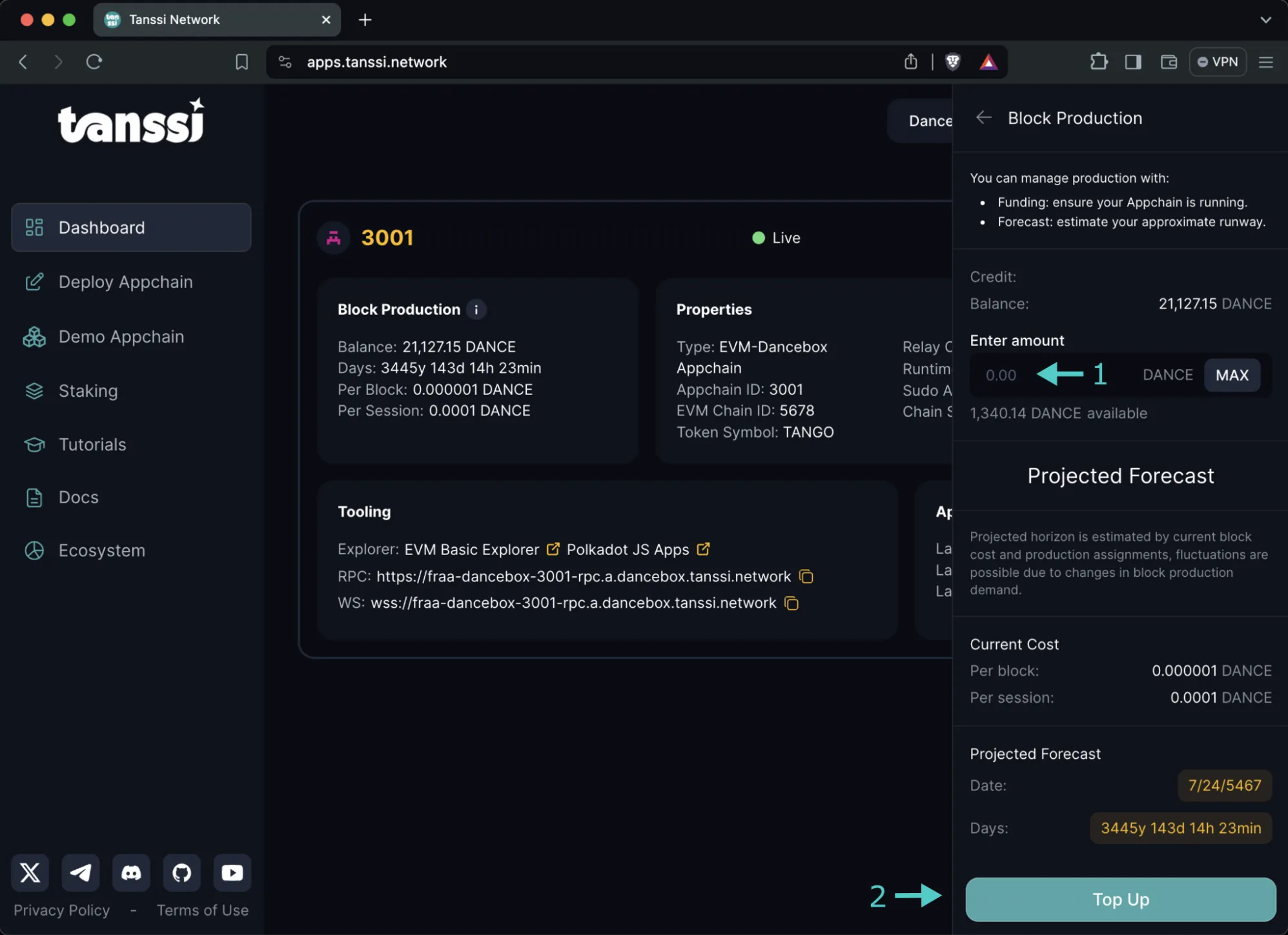
The days of wrangling endless DevOps scripts are over. With Tanssi’s automated orchestration layer, deploying an appchain is as simple as configuring your modules and hitting ‘launch. ’ Operator management is handled transparently, and the protocol ensures that every chain inherits robust security via Symbiotic restaking, over $350 million in economic backing, directly tied to already-staked assets like ETH and WBTC.
This level of blockchain DevOps automation isn’t just about speed (though going live in minutes is pretty sweet). It also dramatically reduces human error, operational overhead, and long-term maintenance headaches. That means faster iteration cycles for your product team, and more time spent building features users actually want.
Community-Driven Security and Governance
Tanssi’s approach to shared security isn’t just technical, it’s social. Validator rotation keeps single points of failure at bay while community-driven governance tools let networks evolve without friction. Whether you’re launching a DAO-centric chain or an enterprise-grade RWA network, customizable governance frameworks are baked right in.
If you’re worried about vendor lock-in or opaque decision-making (a real concern with some rollup-as-a-service offerings), Tanssi offers transparency at every layer. Builders retain sovereignty while benefiting from collective security, a balance that’s rare in today’s ecosystem.
The Bottom Line: Accelerating the Future of Appchains
Tanssi has planted its flag at the intersection of speed, security, and sovereignty. Whether you’re a solo dev or an established protocol team, this modular app-chain infrastructure removes nearly every barrier between your idea and mainnet reality. The result? Faster launches, deeper customization, stronger security guarantees, and ultimately more vibrant blockchain ecosystems.
If you’re serious about building custom rollups or application-specific blockchains with next-level fee markets and seamless cross-chain connectivity, keep your eyes on Tanssi as it continues to push the boundaries of what decentralized networks can achieve.


No comments yet. Be the first to share your thoughts!