

Web3 gaming is in the midst of a paradigm shift. Traditional blockchains, while decentralized and secure, simply can't keep up with the demands of real-time multiplayer games, microtransactions, and digital economies that evolve by the second. Enter specialized fee markets within custom rollup architectures: an innovation that's rapidly transforming how game developers deliver high-performance, low-cost experiences to millions of players worldwide.
Why Web3 Gaming Needs Specialized Fee Markets
The core challenge facing blockchain gaming is simple: scalability without sacrificing user experience. On legacy L1 chains, transaction fees spike unpredictably during network congestion, making in-game actions expensive and unreliable. This unpredictability kills immersion and can drive players away.
Specialized fee markets address this by introducing fixed priority tiers within rollups for gaming. Instead of relying on volatile priority gas auctions (PGAs), these systems offer stable and predictable transaction costs. According to recent data from markaicode. com, this structure is a game-changer for developers seeking to build responsive and scalable Web3 games.
The Performance Edge: High Throughput and Low Latency
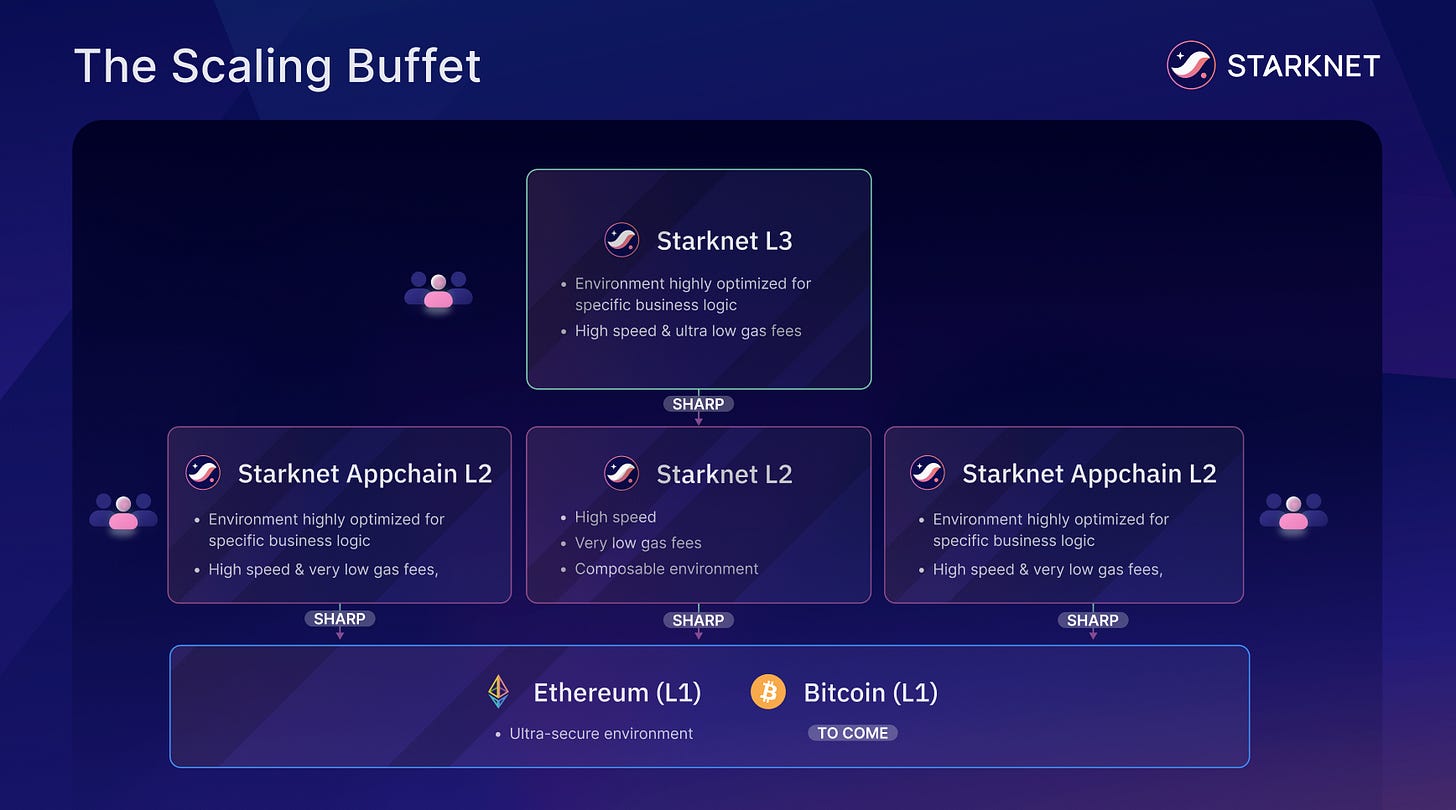
Modern rollups like StarkNet are already demonstrating what's possible when you combine high throughput with tailored fee economics. Recent stats show StarkNet achieving a peak TPS (transactions per second) of 857, with an average of 127 TPS over 24 hours. For perspective, that's enough bandwidth to support real-time battles, NFT item drops, and dynamic in-game economies - all running seamlessly on-chain.
This isn't just about speed; it's about consistency. By decoupling game logic from unpredictable base layer fees, specialized fee markets ensure that critical in-game actions aren't delayed or priced out during network spikes. Players get instant feedback, while developers gain fine-grained control over resource allocation.
Cost Efficiency That Fuels New Game Economies
The numbers speak for themselves: with specialized fee markets embedded into rollup solutions, average transaction fees can drop dramatically. StarkNet's average transaction cost sits at just $0.019. For onchain games that rely on frequent player interactions - think trading cards, loot boxes, or PvP moves - this reduction makes entire categories of microtransactions viable for the first time.
Compare this to traditional shared chains where unpredictable gas wars can push costs into unsustainable territory. By running their own custom rollups with specialized fee structures, several projects have reported saving over 90% in onchain expenses (source: conduit. xyz). That capital can be reinvested into gameplay rewards or new features rather than burned away as network fees.
User Experience: The Real Winner
The end result? A smoother onboarding process for newcomers who aren't crypto-savvy and a stickier experience for veterans who demand performance. Players no longer need to worry about sudden spikes in transaction costs derailing their progress or draining their wallets mid-session.
This predictability isn't just good UX - it's essential for building sustainable Web3 economies where every player action has value and every microtransaction counts.
Beyond cost and speed, specialized fee markets unlock a new layer of game design freedom. Developers can now experiment with real-time auctions, dynamic NFT minting, and complex on-chain logic without fearing that backend congestion will break the player experience. This flexibility has already led to a wave of innovative titles leveraging custom app-chains to power everything from esports tournaments to player-owned marketplaces.
Comparison of Shared Chains vs. Custom Rollups with Specialized Fee Markets for Web3 Gaming
| Platform Type | Average Transaction Fee | Transactions Per Second (TPS) | Average Latency |
|---|---|---|---|
| Shared Chain (e.g., Ethereum Mainnet) | $0.50 - $5.00 | 15 - 30 | 30s - 5min |
| Custom Rollup with Specialized Fee Market (e.g., StarkNet) | $0.019 | 127 (avg), 857 (peak) | <1s - 5s |
As these systems mature, expect to see even more granular control over in-game economics. For example, games can implement tiered transaction pricing based on player status or event urgency, think discounted fees for tournament matches or premium fast-lane options during peak hours. The result is not just lower costs but a more responsive and personalized gaming economy.
The impact goes deeper than just the numbers. By making microtransactions viable at scale (thanks to fees as low as $0.019), entire genres, such as play-to-earn, collectibles trading, and instant-action PvP, become feasible on-chain. This is the foundation for a new generation of blockchain-native games that are both profitable and fun to play.
What’s Next: Evolving Fee Markets and Modular Game Chains
The next wave of rollup innovation is all about modularity and composability. Rollups as a Service (RaaS) providers are enabling studios to deploy bespoke blockchains in days rather than months, each with its own optimized fee market logic. This modular approach means projects can iterate quickly, testing new economic models or governance tweaks without risking network-wide instability.
Expect leading gaming ecosystems to integrate analytics dashboards that track live transaction metrics, player activity heatmaps, and real-time fee market adjustments. These insights will empower developers to fine-tune their chains for maximum engagement and retention.
If you’re building for tomorrow’s Web3 gamer, it’s time to think beyond legacy gas models. Specialized fee markets aren’t just an optimization, they’re the catalyst for scalable worlds where every click counts and every action is rewarded fairly.
Which aspect of specialized fee markets is most important to you when playing Web3 games?
Specialized fee markets in rollup-based Web3 games help deliver lower, more predictable fees, faster transactions, and a smoother gaming experience. With StarkNet, for example, average fees are just $0.019 and throughput is higher than ever. What matters most for your gaming experience?
No comments yet. Be the first to share your thoughts!