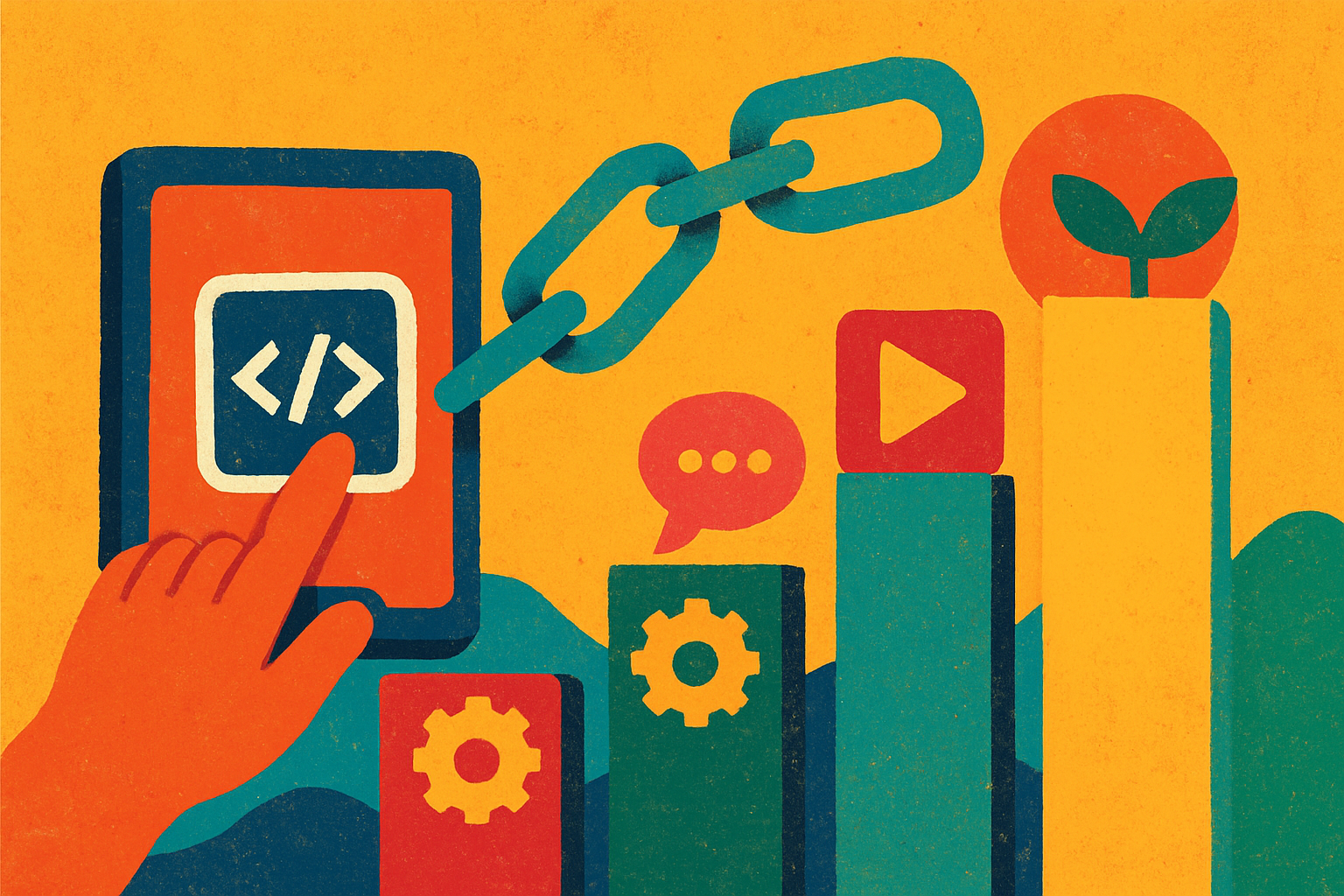
Custom app-chains are rapidly redefining what’s possible in blockchain development. By enabling developers to build application-specific blockchains with full-stack customization, these tailored solutions remove the friction and bottlenecks that have historically constrained decentralized innovation. As we shift deeper into the app-chain era, the boundaries of what can be achieved with blockchain technology are expanding at an unprecedented pace.
Unleashing Developer Empowerment Through Deep Customization
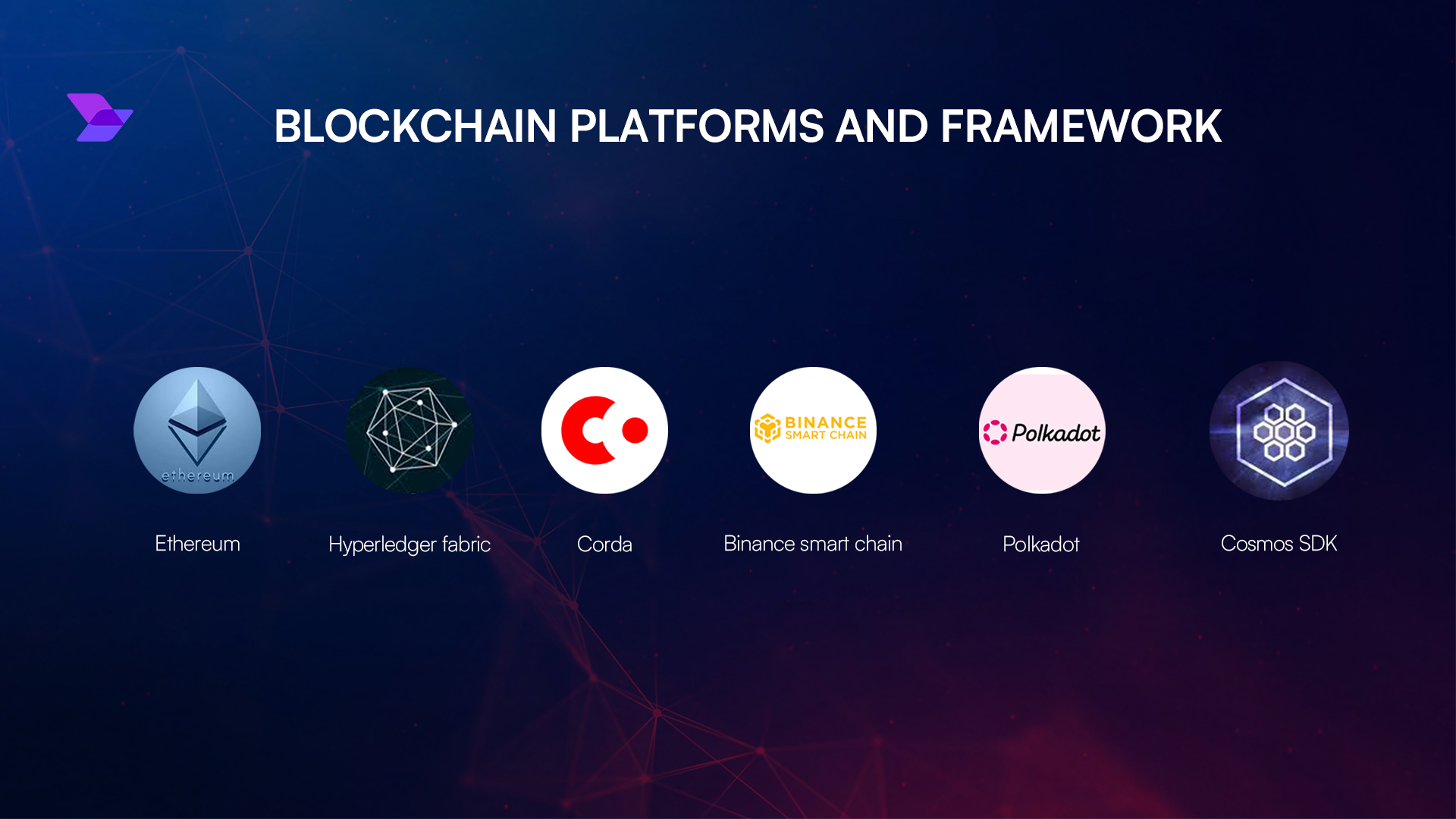
General-purpose blockchains, like Ethereum and Solana, have catalyzed massive growth in decentralized applications. However, they force all projects to compete for shared resources, adhere to fixed protocol rules, and accept a one-size-fits-all fee structure. This creates pain points around scalability, cost unpredictability, and limited control over core features.
Custom app-chains flip this model on its head by allowing developers to configure every layer of their blockchain stack. From consensus mechanisms and governance models to transaction fee logic and resource allocation, no aspect is off-limits. This degree of freedom means:
- Governance can be tailored to fit community needs or regulatory requirements.
- Consensus protocols can be optimized for speed, security, or energy efficiency.
- Specialized fee markets enable dynamic pricing that matches real usage patterns.
- User experience can be fine-tuned with custom gas tokens, instant finality, or zero-fee transactions.
This deep customization unlocks new business models and user experiences that simply aren’t feasible on monolithic chains. As one developer recently noted:
The Power of Specialized Fee Markets
The emergence of specialized fee markets is a game-changer for application-specific blockchains. Unlike the rigid gas pricing found in legacy networks, dynamic fee markets allow app-chain operators to:
- Dynamically allocate resources based on real-time demand and application priorities.
- Create multidimensional pricing mechanisms, such as differentiated fees for storage vs compute vs bandwidth.
- Reduce transaction costs dramatically, thanks to the elimination of cross-dApp competition for block space.
- Incentivize desired behaviors, like staking, long-term holding, or eco-friendly participation through customizable rewards.
This flexibility empowers developers with revenue control and sustainability levers previously unavailable in Web3 ecosystems. For instance, protocols can subsidize user fees during growth phases or introduce congestion pricing only during peak usage windows - all without being bound by external network dynamics.
The Scalability Advantage: Dedicated Resources for Every App
A key innovation driving adoption is the ability of custom app-chains to dedicate all network resources exclusively to a single application or ecosystem. No more sharing block space with thousands of unrelated dApps; instead, throughput and latency can be engineered precisely around your use case’s demands. This results in:
- Smoother user experiences, even during periods of high activity.
- No surprise spikes in transaction costs.
- Tighter integration between protocol logic and infrastructure performance metrics.
This design pattern is especially valuable in sectors like DeFi trading platforms or gaming dApps where microsecond latency or predictable fees are mission-critical. By decoupling from general-purpose networks’ congestion cycles, developers gain both technical confidence and business agility.
Security is another dimension where custom app-chains shine. By isolating application logic and tailoring security models to the specific threat landscape, developers can implement focused countermeasures rather than relying on generic solutions. This approach minimizes attack surfaces and enables rapid response to emerging vulnerabilities, giving teams a proactive stance in safeguarding assets and user data.
Interoperability protocols further amplify this empowerment. Modern custom app-chains are not siloed; instead, they can connect seamlessly with other chains, liquidity pools, or external services via bridges and cross-chain messaging. This connectivity unlocks composability between ecosystems, allowing value and data to flow frictionlessly across the blockchain universe.
Real-World Impact: Lower Barriers, Greater Experimentation
The practical impact of these innovations is profound. By lowering operational costs through optimized fee markets and removing resource contention, developers can experiment with new economic models that would be cost-prohibitive on legacy networks. For example, zero-gas gaming platforms or microtransaction-heavy social apps become viable without sacrificing performance or profitability.
dApps Leveraging Custom App-Chains for Fee Innovation
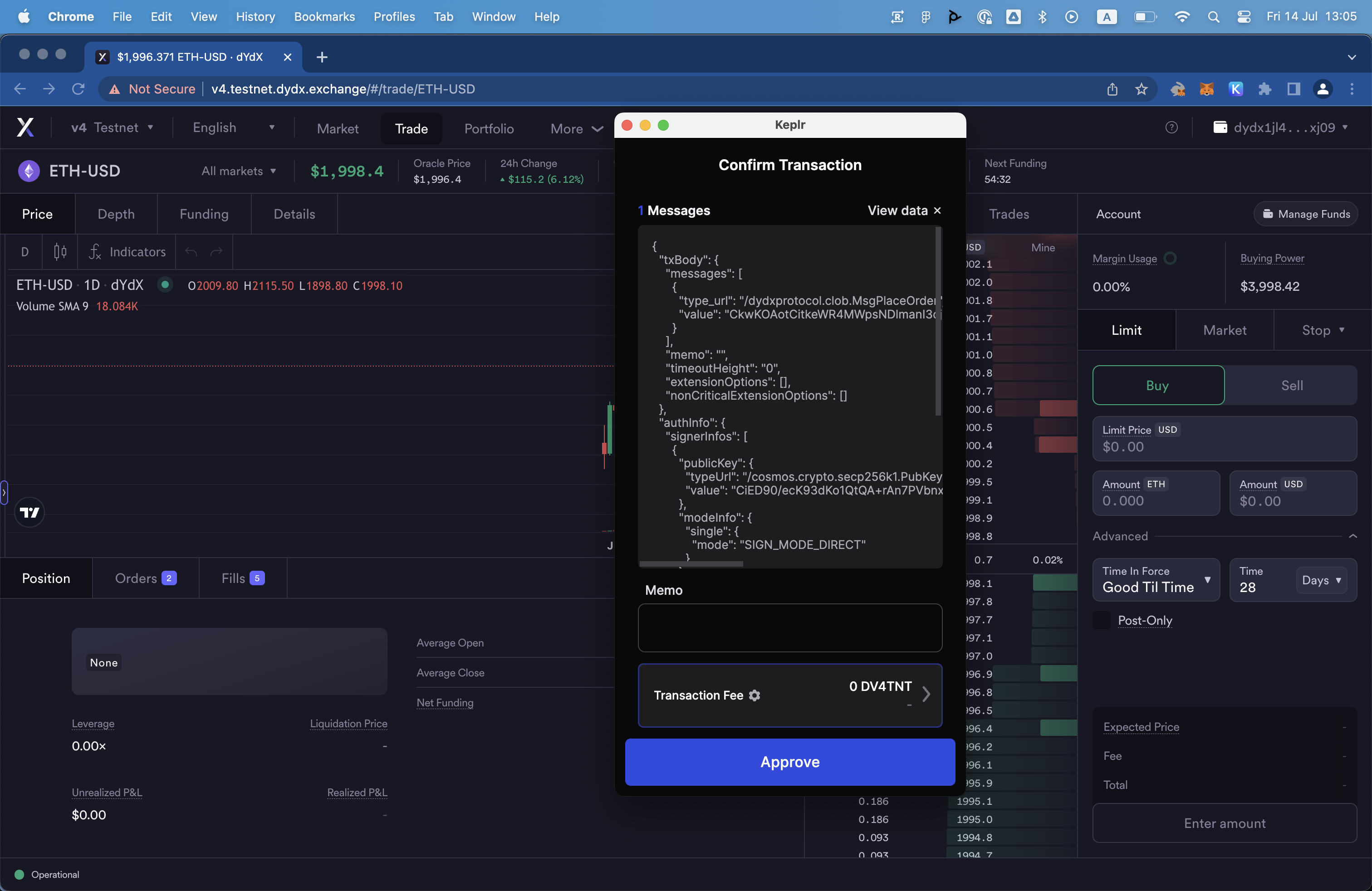
- DYDX – A leading decentralized derivatives exchange, DYDX migrated to its own custom app-chain on Cosmos, enabling zero gas fees for traders and dynamic fee structures tailored to high-frequency trading.
- Axie Infinity: Ronin – The popular play-to-earn game Axie Infinity launched its own Ronin app-chain to achieve near-zero transaction fees and massive scalability for millions of daily transactions.
- DeFi Kingdoms: DFK Chain – DeFi Kingdoms operates on its own Avalanche subnet, DFK Chain, allowing the game to set custom gas fees and optimize for in-game economies and user experience.

- Crypto Unicorns: Unicorn Chain – This NFT-based game runs on Unicorn Chain, an app-chain built on Polygon Supernets, providing predictable, low-cost fees for seamless gameplay and NFT transactions.

- StepN: Find Satoshi Lab Chain – StepN, the move-to-earn app, utilizes its own Find Satoshi Lab Chain (FSL Chain) to customize transaction fees and scale for millions of fitness app users globally.

Platforms like Kaleido, Zeeve, SKALE, and QuickNode are democratizing access to these capabilities. Their toolkits provide everything from low-code deployment environments to advanced monitoring and automated scaling, removing technical barriers for both startups and established enterprises alike. As a result, the Web3 development landscape is now more accessible than ever before.
It’s not just about technical freedom; it’s about business model agility too. App-chain operators are discovering new ways to generate sustainable revenue, be it through flexible transaction fees, premium service tiers, or ecosystem-specific rewards tokens, without being beholden to the economics of a shared global chain.
What’s Next? The Future of Developer Empowerment
The rise of custom app-chains signals a paradigm shift in blockchain innovation. As more projects embrace tailored infrastructure and specialized fee markets, we’re likely to see an explosion of diverse applications, from high-frequency trading venues to decentralized AI marketplaces, that simply weren’t possible before.
For developers seeking true empowerment in blockchain design, custom app-chains represent both a blank canvas and an advanced toolkit, a combination that is already fueling the next wave of Web3 breakthroughs.




No comments yet. Be the first to share your thoughts!