

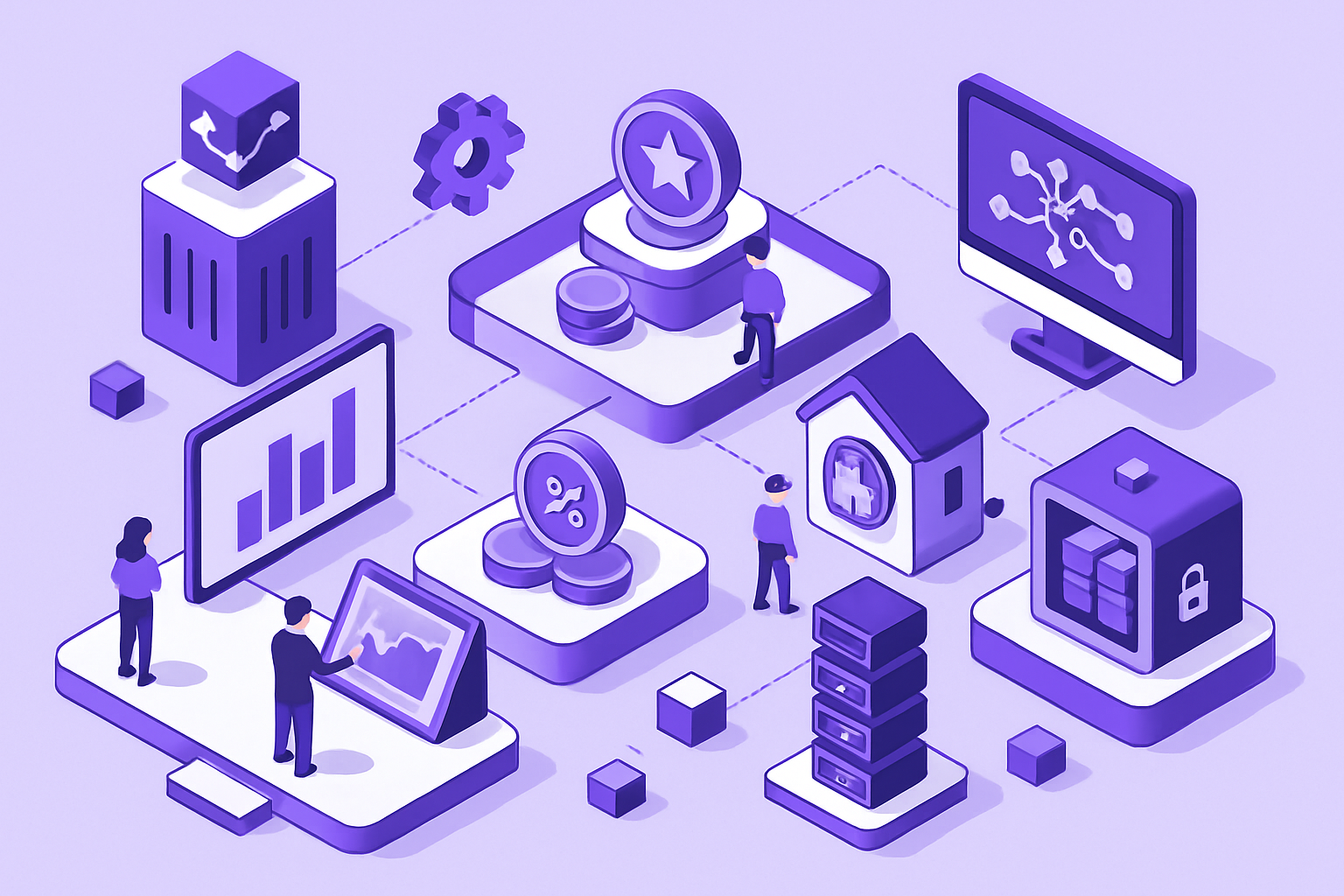
Blockchain gaming is entering a new era, with custom app-chains and specialized fee markets emerging as the backbone for scalable, player-centric ecosystems. As game developers and studios race to deliver seamless, low-latency experiences on-chain, the design of app-chain fee markets becomes a strategic lever, not only for reducing transaction costs but also for unlocking new forms of gameplay and engagement. The challenge: How do you architect a fee market that keeps costs predictable for players, maximizes throughput during peak surges, and aligns incentives across your entire gaming economy?


Strategic Foundations: Why Gaming Needs Specialized App-Chain Fee Markets
Unlike traditional DeFi or NFT platforms, blockchain games generate high-frequency microtransactions, think in-game moves, asset upgrades, loot box openings, that demand both ultra-low fees and instant finality. Relying on generic Layer 1 blockchains or static fee models leads to congestion and unpredictable gas spikes. Instead, leading projects are turning to custom app-chains for gaming, harnessing specialized fee markets that can be tuned precisely to the needs of their player base.
Let’s break down five actionable strategies that forward-thinking teams are using to architect robust app-chain fee markets tailored for modern gaming platforms.
1. Implement Dynamic, Usage-Based Fee Models
The first pillar is dynamic pricing: adjusting transaction fees in real-time based on network congestion and user activity. Unlike static models that charge a flat rate regardless of demand, dynamic usage-based models ensure fair pricing by raising fees during peak periods (such as tournament launches) and lowering them during off-hours. This approach prevents sudden fee spikes that could disrupt gameplay or alienate users.
Dynamic models not only smooth out resource allocation but also allow operators to extract maximum value from scarce blockspace without penalizing everyday players. For an in-depth look at how dynamic fee markets optimize user experience and throughput, see our analysis at How Dynamic Fee Markets Enable Custom App-Chains to Optimize User Experience and Throughput.
2. Leverage Off-Chain Execution for Microtransactions
Most blockchain games involve frequent microtransactions, actions like moves, upgrades, or item trades, that would be prohibitively expensive if settled individually on-chain. By leveraging off-chain execution methods, such as state channels or rollup-based batching, developers can process these rapid-fire actions off the main chain and only settle net results periodically.
This dramatically reduces on-chain transaction volume (and thus costs), while maximizing overall throughput, key for games with thousands of concurrent users or real-time action mechanics. Off-chain solutions are especially potent when paired with custom app-chains designed specifically for gaming workloads.
3. Incorporate Token-Based Fee Discounts and Rewards
A powerful incentive mechanism is integrating token-based discounts or rebates. By offering reduced fees, or even partial rebates, to users who stake or hold the platform’s native token, projects can both lower effective costs for active gamers and strengthen their ecosystem’s economic flywheel.
This approach not only rewards loyal players but also encourages long-term participation in the platform’s governance and growth. When thoughtfully implemented within an app-chain’s specialized fee market, token incentives create a virtuous cycle: more staking leads to lower fees which attracts more users, amplifying network effects unique to blockchain gaming.
4. Adopt Multi-Tiered Fee Structures by Transaction Type
Not all in-game actions are created equal. Transferring a collectible skin, minting an NFT, or executing a high-stakes tournament move each place different demands on network resources. By adopting multi-tiered fee structures, developers can differentiate transaction costs according to the type and complexity of each action. For example, routine asset transfers might incur minimal fees, while resource-intensive operations like NFT minting or on-chain randomness for rare loot drops can be priced higher.
This granular approach optimizes resource allocation, ensuring that critical gameplay functions are always prioritized and less essential transactions do not crowd out the network during peak times. Ultimately, it empowers game designers to align their economic model with the unique rhythms of gameplay and player engagement.
5 Proven Strategies for App-Chain Fee Markets in Gaming
-
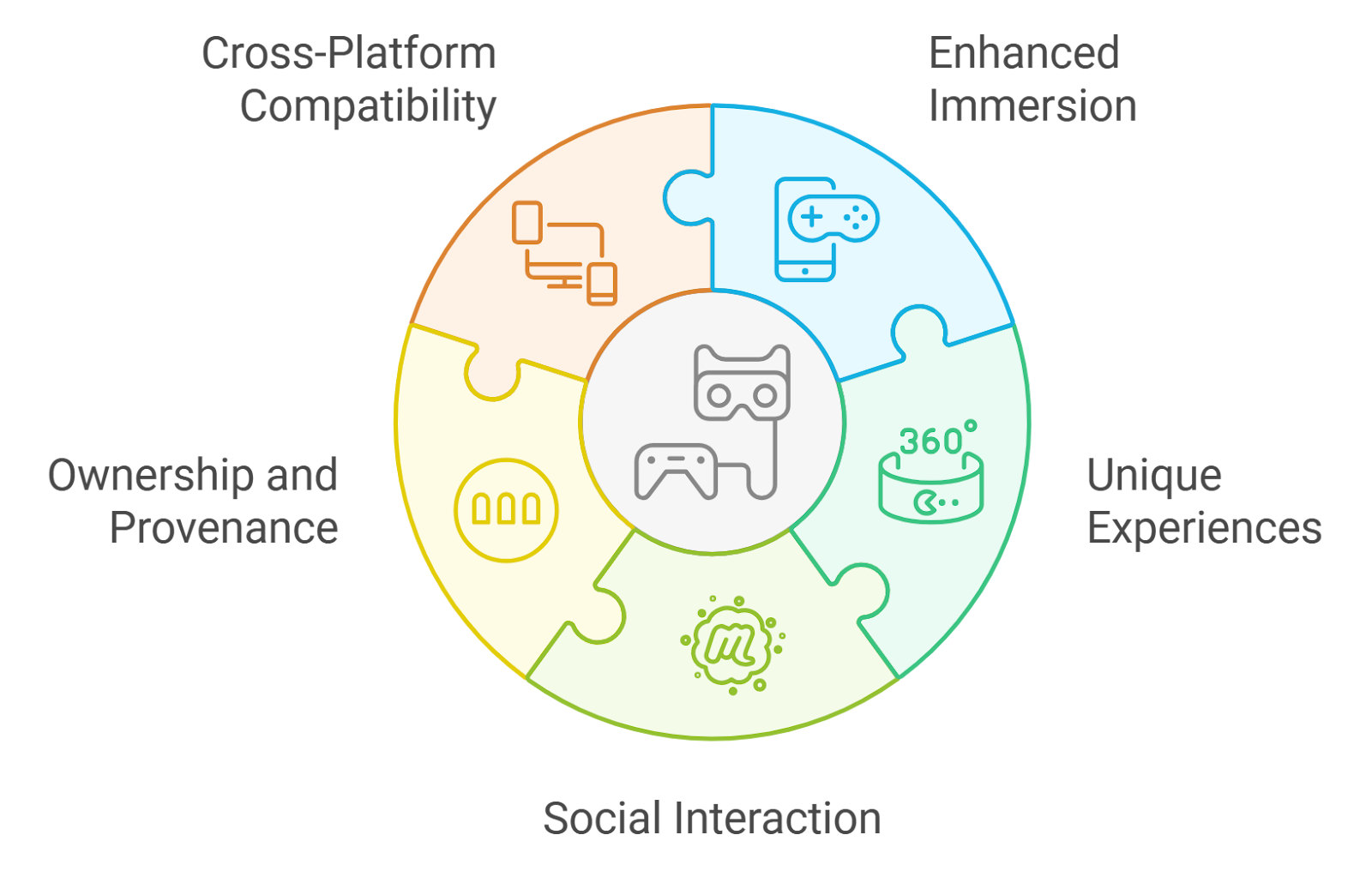
Implement Dynamic, Usage-Based Fee Models: Adjust transaction fees in real-time based on network congestion and user activity, ensuring fair pricing and preventing fee spikes during peak gaming hours. This approach, used by platforms like Optimism and Arbitrum, allows for a responsive and balanced fee environment tailored to fluctuating gaming demands.
-

Leverage Off-Chain Execution for Microtransactions: Utilize off-chain processing or state channels for frequent, low-value in-game actions to minimize on-chain fees and maximize throughput. Solutions such as SKALE Network and Polygon enable seamless off-chain execution, making microtransactions nearly instant and costless for gamers.
-
Incorporate Token-Based Fee Discounts and Rewards: Offer reduced fees or rebates for users staking or holding the platform’s native token, incentivizing ecosystem participation and reducing effective costs for gamers. Immutable and Galxe are examples of platforms that reward users with fee discounts and loyalty incentives.
-
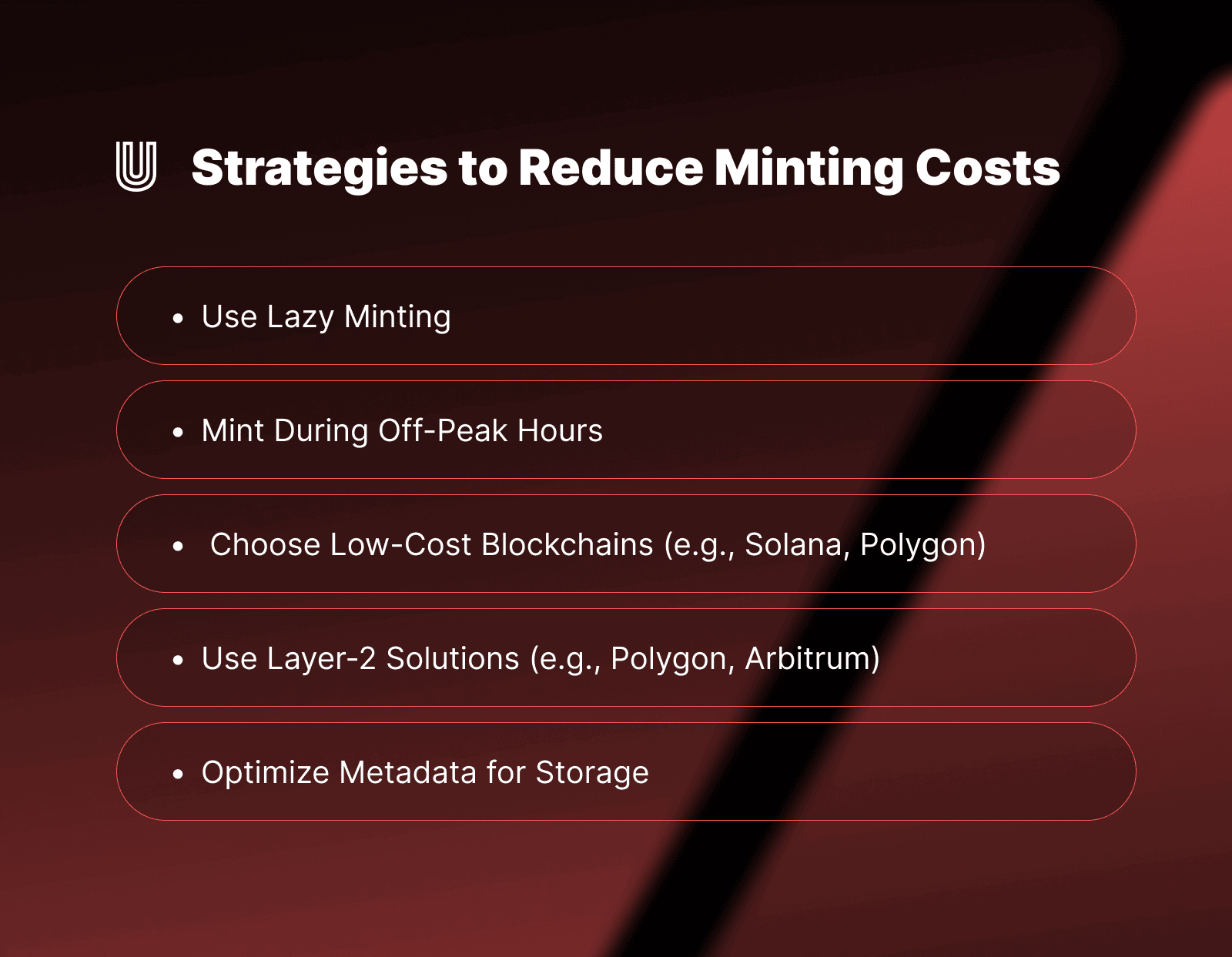
Adopt Multi-Tiered Fee Structures by Transaction Type: Differentiate fee rates for various game actions (e.g., asset transfers vs. NFT minting) to optimize resource allocation and prioritize critical gameplay functions. Enjin and Flow Blockchain exemplify this strategy by customizing fees for distinct in-game operations.
-
Integrate Automated Fee Optimization Tools: Deploy smart contracts or middleware that automatically route transactions through the most cost-efficient paths or adjust gas parameters to minimize costs without sacrificing speed. Platforms like Zerion and 1inch provide automated transaction routing and fee optimization, ensuring gamers always benefit from the lowest possible fees.
5. Integrate Automated Fee Optimization Tools
The final strategy is to deploy automated fee optimization tools: smart contracts or middleware that continuously scan the network for cost-saving opportunities. These tools can route player transactions through the most efficient execution paths, bundle actions for bulk settlement, or dynamically adjust gas parameters based on current network conditions.
For game studios operating at scale, automation is essential to maintain low fees without sacrificing transaction speed or reliability. Modern fee optimization platforms can even learn from historical data to predict congestion patterns and pre-emptively adjust strategies before bottlenecks occur.
Implementing Automated Fee Optimization Tools in Your Gaming App-Chain

Unlocking New Economics for Blockchain Gaming
The synergy between custom app-chains and specialized fee markets is redefining what’s possible in blockchain-powered games. By implementing these five strategies, dynamic usage-based models, off-chain microtransaction execution, token-based incentives, multi-tiered fee structures by transaction type, and automated optimization, developers can deliver experiences that are not just more affordable but also more scalable and engaging than ever before.
This new paradigm is about more than just reducing costs. It’s about unlocking new economic models: play-to-earn economies with sustainable incentives, real-time multiplayer worlds without lag or friction at scale, and player-driven marketplaces where value flows freely without being siphoned by unpredictable gas spikes.
Strategic Takeaway: The future of blockchain gaming belongs to those who master both technical scalability and economic design. Specialized app-chain fee markets aren’t just a backend concern, they’re a competitive advantage that shapes user experience from day one.
If you’re ready to dive deeper into designing custom fee markets for your gaming platform, or want technical guidance on optimizing your chain for high-velocity play, explore our resources at How to Design Custom Fee Markets for Application-Specific Blockchains.
About the Author