

In the relentless pursuit of blockchain scalability, custom rollups emerge as a strategic pivot, enabling developers to craft application-specific chains with tailored fee markets that align precisely with user behaviors and economic incentives. AltLayer's Rollups-as-a-Service (RaaS) and x402aaS offerings stand at the forefront, fusing modular deployment with per-request fee mechanisms to redefine how dApps monetize interactions. This synergy not only slashes overhead but reimagines revenue streams through granular, proof-backed payments, positioning app-chains as viable economic engines in a fragmented Web3 landscape.
Traditional gas fee models, rigid and unpredictable, often stifle innovation in high-throughput applications like AI agents or data oracles. Enter per-request fees rollups, where costs accrue only for actual usage, mirroring cloud computing's pay-as-you-go ethos. This shift empowers builders to design app-chains specialized fees that incentivize micro-transactions without the friction of subscriptions or bloated blocks. AltLayer's platform accelerates this vision, supporting stacks like OP Stack, Arbitrum Orbit, Polygon CDK, and zkSync ZK Stack for seamless, decentralized rollups.
Architecting Economic Resilience Through Modular RaaS
AltLayer's RaaS disrupts the rollup deployment paradigm by prioritizing modularity and speed. Developers can spin up L2 or L3 chains in minutes, embedding custom native gas tokens and slashing fees through restaked rollups deployment. This isn't mere infrastructure; it's a macroeconomic lever, allowing projects to adapt fee structures dynamically to market cycles. Imagine deploying an app-chain for DeFi derivatives where fees scale with volatility, or a gaming ecosystem charging per action rather than per session. Such precision fosters sustainable growth, sidestepping the dilution seen in generalized L2s.

The platform's interoperability with Optimism's Superchain further amplifies this, creating networked economies where rollups share liquidity and security. From a big-picture vantage, this modular approach mitigates centralization risks inherent in monolithic chains, distributing validation via restaking while customizing economics per use case. Projects gain the flexibility to dispose of underutilized rollups, optimizing capital allocation in real-time.
Benefits of AltLayer RaaS
- Modular Stack Support: Customize rollups with OP Stack, Arbitrum Orbit, Polygon CDK, and zkSync ZK Stack for optimal flexibility.
- Reduced Gas Fees: Optimize costs through efficient Layer 2 and Layer 3 deployments, minimizing transaction expenses.
- Custom Gas Tokens: Leverage native custom tokens for gas, enhancing economic models and sovereignty.
- Superchain Interoperability: Seamlessly integrate with Optimism's Superchain for enhanced cross-rollup liquidity and composability.
- Quick Deployment & Disposal: Launch and dismantle app-specific rollups in minutes for agile development cycles.
Per-Request Precision with x402aaS: Coinbase Standard Meets AltLayer Execution
Coinbase's x402 standard, now operationalized via AltLayer's x402aaS, introduces a paradigm of AltLayer RaaS x402aaS convergence. This service enables proof-backed, pay-per-use transactions for on-chain agents, rollups, and dApps, charging users per API call or data request. No more clunky gateways; instead, instant, trustless micropayments via the x402 Facilitator, streamlining integration into existing protocols.
Consider x402 Rumour, a standout application: users pay per-signal for user-generated insights, tokenizing information flows with surgical accuracy. This model thrives in agentic economies, where AI-driven dApps query oracles or compute resources on-demand. By embedding custom rollups fee markets, developers enforce economic boundaries, preventing abuse and ensuring profitability. Strategically, it bridges off-chain services to on-chain settlement, capturing value in nascent sectors like decentralized AI.
Synergizing RaaS and x402aaS for Next-Gen Fee Innovation
Pairing AltLayer's RaaS with x402aaS yields transformative per-request fees rollups, where rollups natively support EIP-8004 primitives for agent coordination. Developers configure fee markets that meter every interaction, from data fetches to computation bursts, fostering ecosystems resilient to spam and overuse. This isn't incremental; it's a foundational upgrade, aligning incentives across the stack for emergent complexity.
In practice, a socialFi app-chain might deploy via RaaS, then layer x402aaS for per-post analytics fees, creating self-sustaining loops. The macroeconomic implication? App-chains evolve from cost centers to revenue generators, drawing institutional capital seeking predictable yields amid crypto's volatility.
Builders leveraging this stack gain a competitive edge in crafting restaked rollups deployment strategies that embed economic moats from day one. AltLayer's decentralized protocol ensures validators are incentivized through restaking, bolstering security without compromising customization. This fusion propels app-chains into realms where fee markets aren't afterthoughts but core architecture, dictating adoption curves and longevity.
Hands-On Deployment: Bridging RaaS and x402aaS
To harness this power, developers start with AltLayer's dashboard, selecting a stack like Arbitrum Orbit for its Orbit-specific enhancements. Configuration panels allow tweaking gas tokens, fee schedules, and x402 endpoints in tandem. The result? A rollup live in under 10 minutes, primed for per-request billing that scales with demand.
Deploy Custom Rollups with Per-Request Fees: AltLayer RaaS + x402aaS Mastery
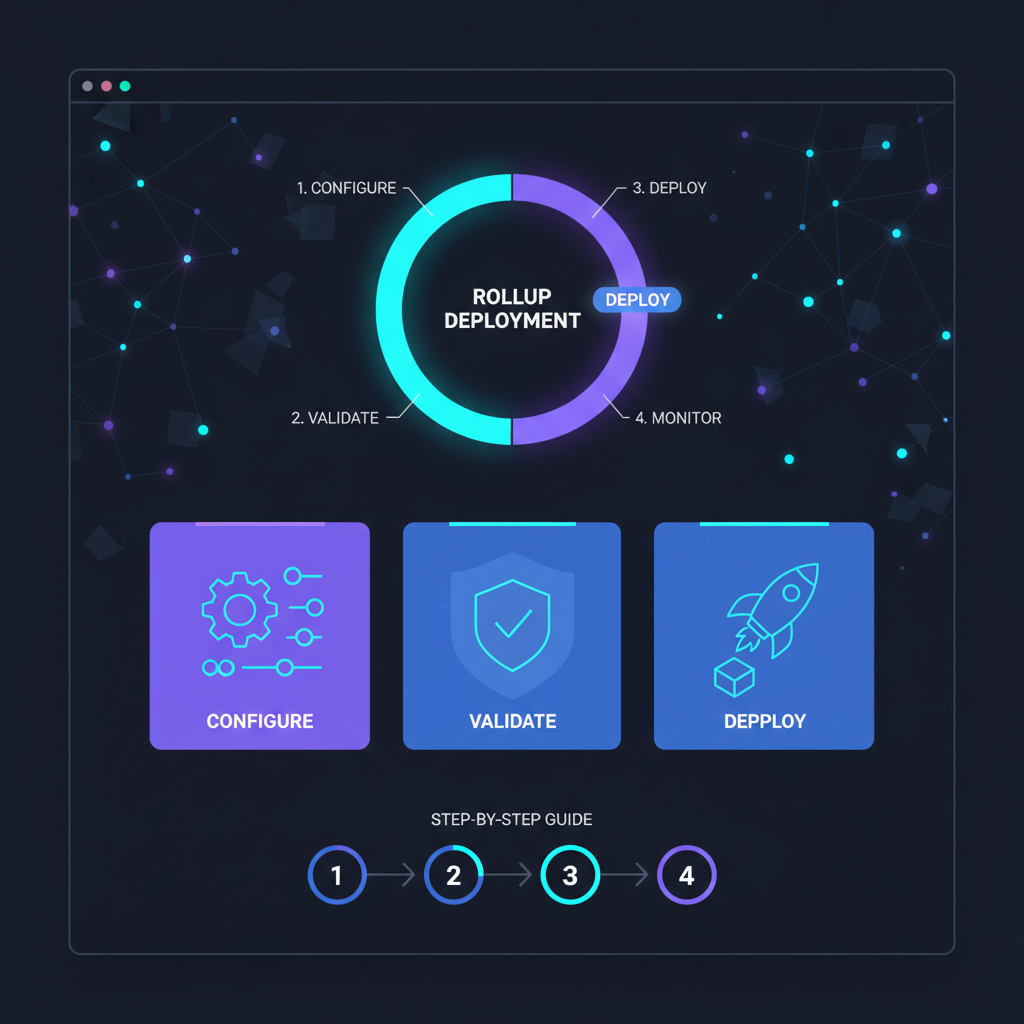
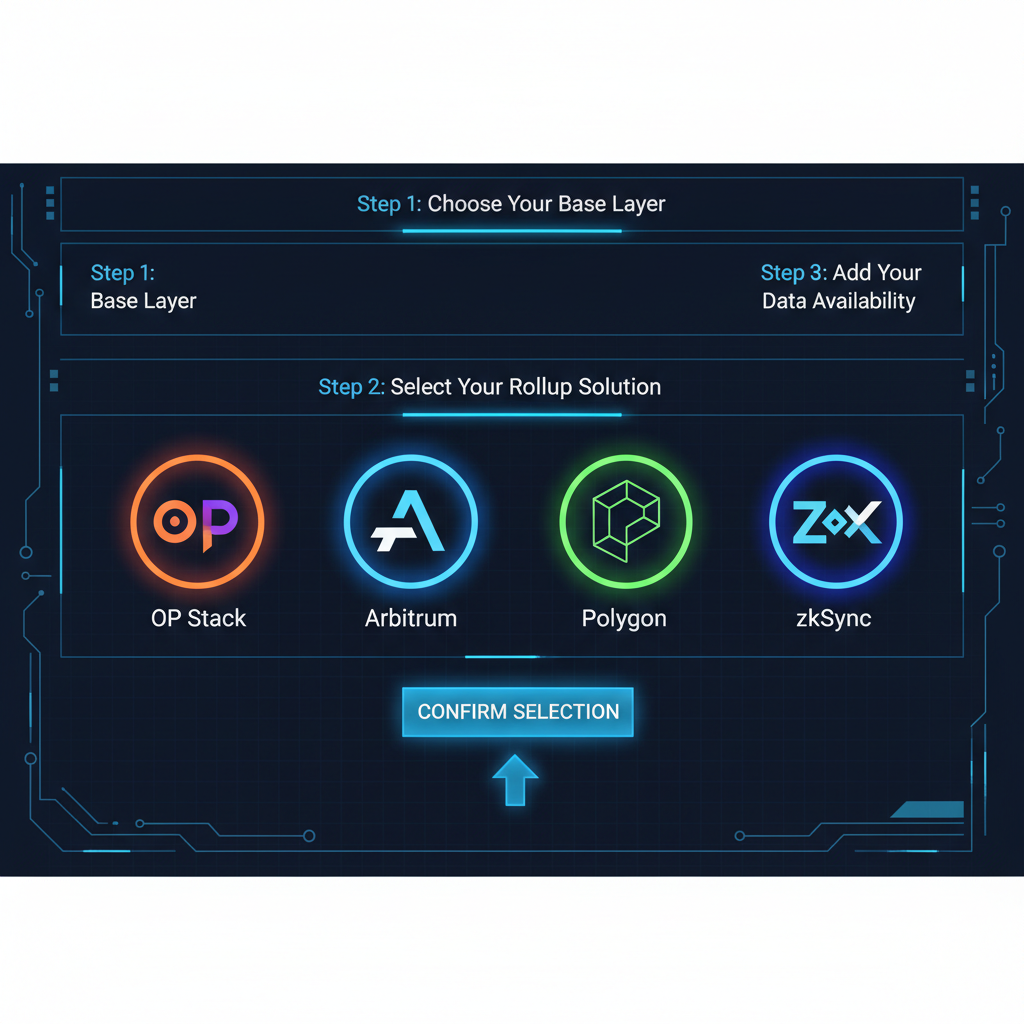
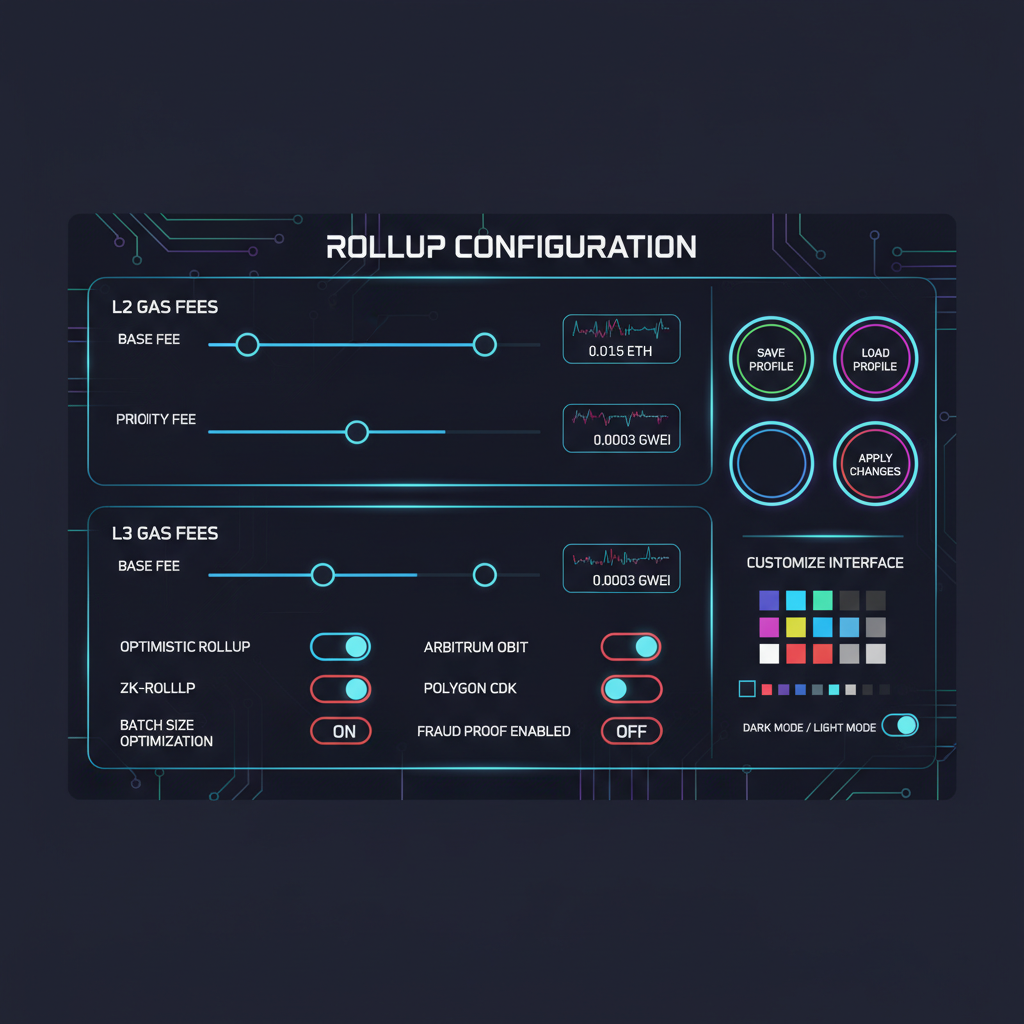
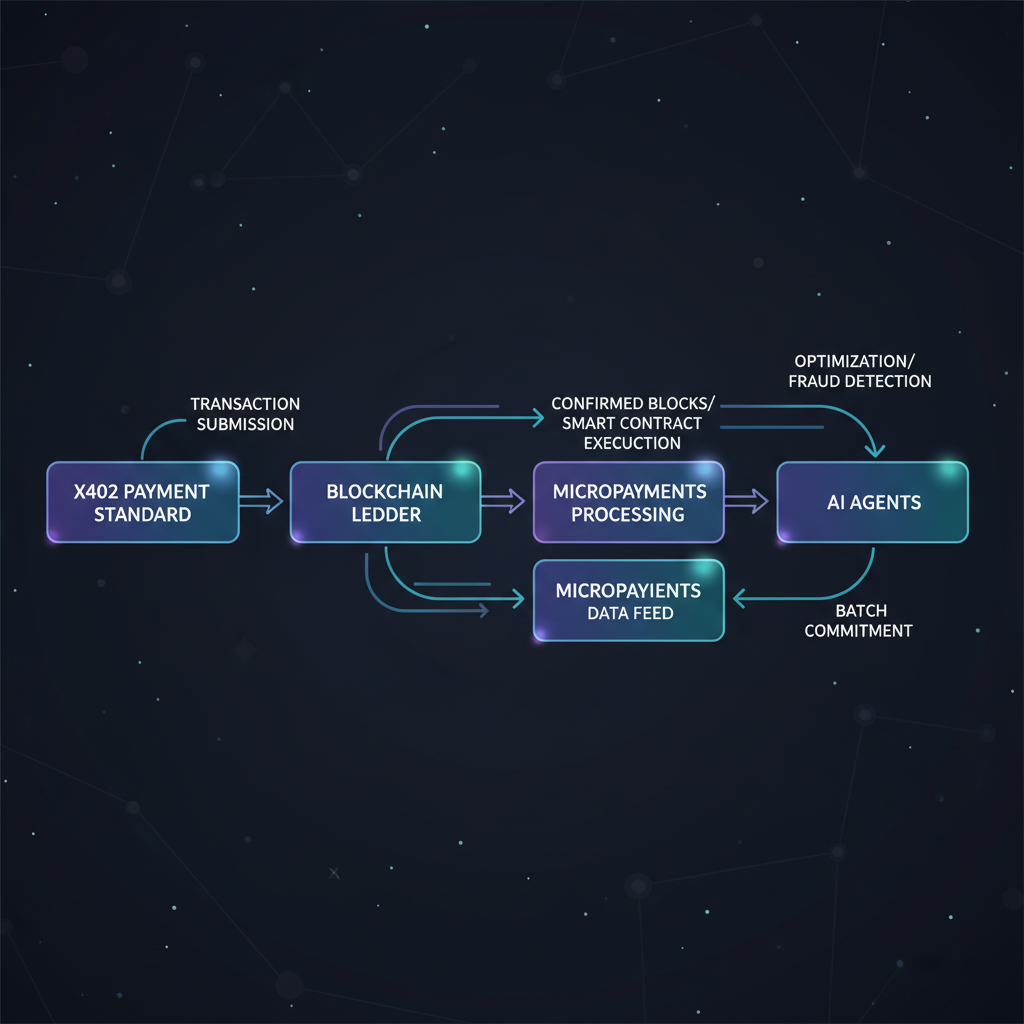
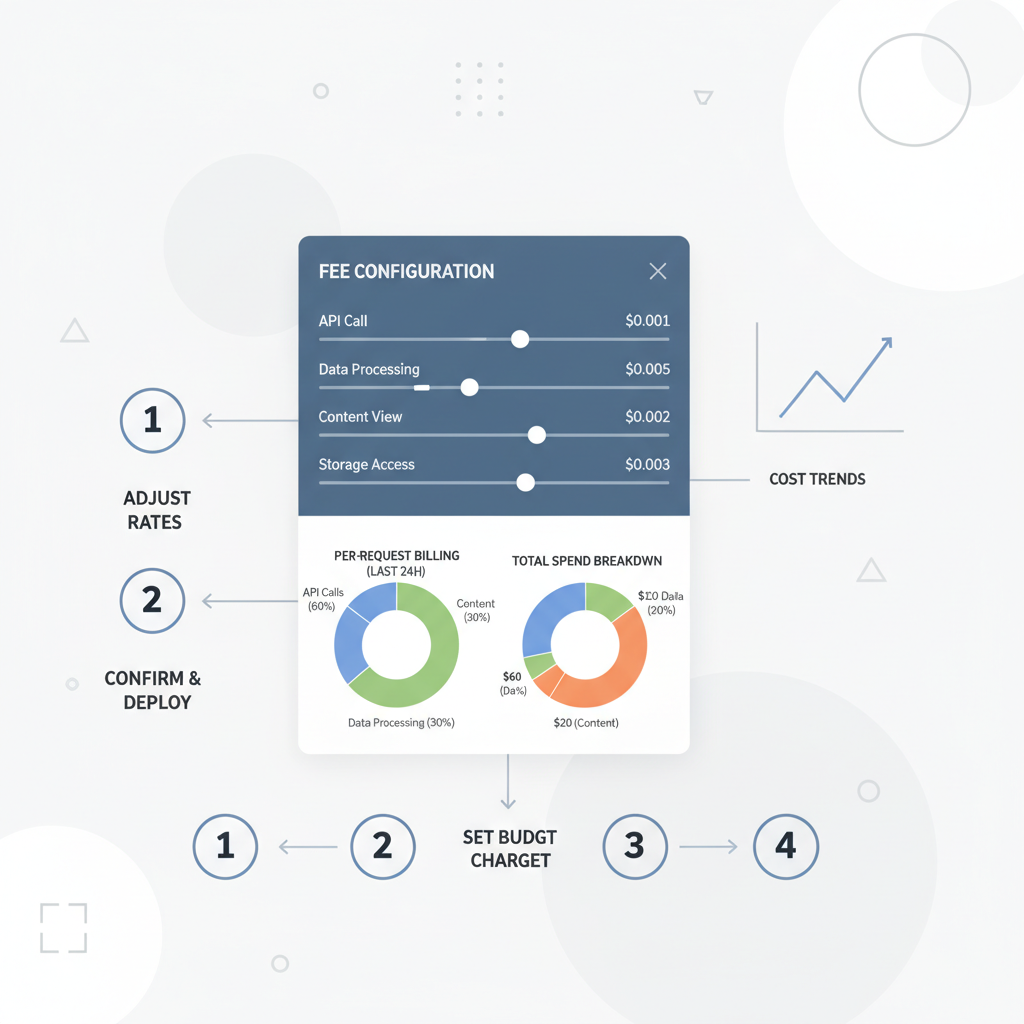
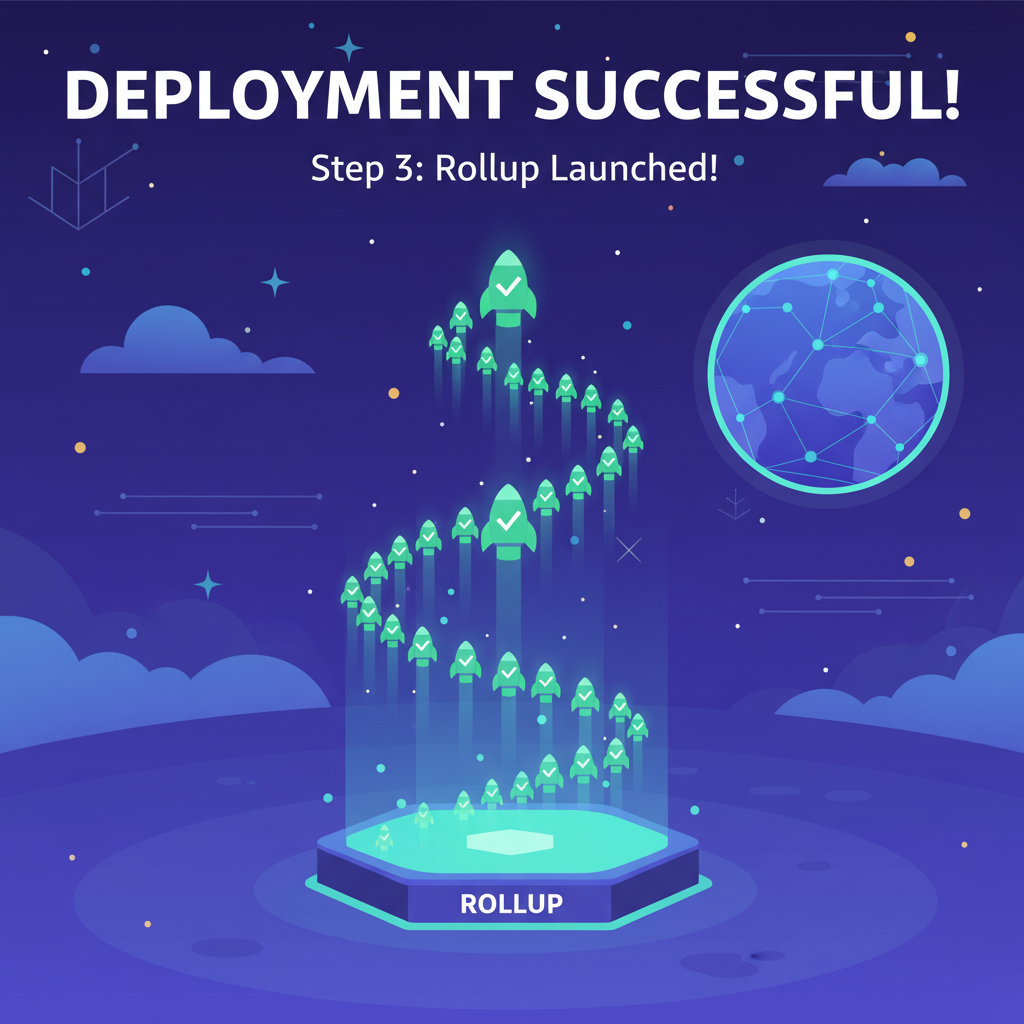
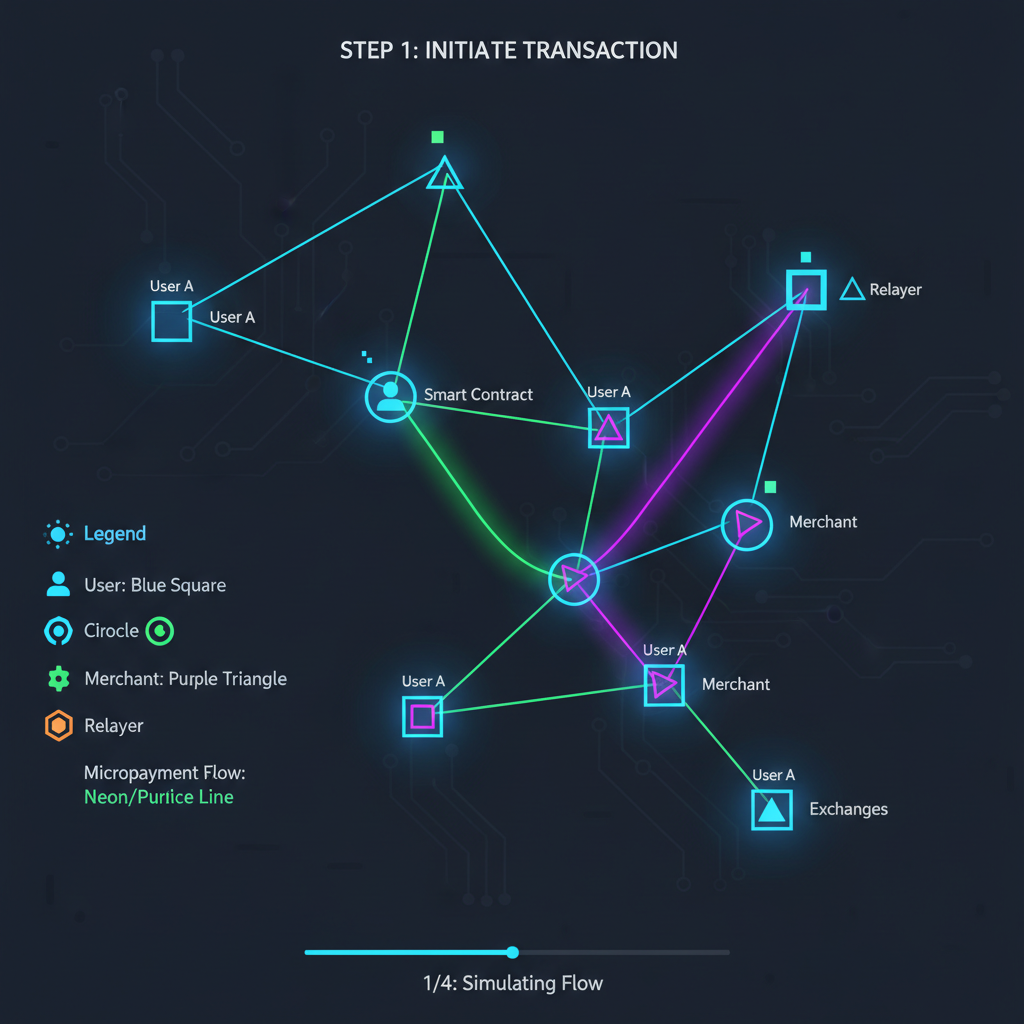
Once deployed, the x402 Facilitator acts as the payment gateway, intercepting requests and settling via on-chain proofs. This eliminates front-running risks and enables atomic micropayments, critical for high-frequency apps like prediction markets or real-time oracles. From a strategic lens, such deployments create flywheels: lower barriers attract users, granular fees capture value, and modularity permits iteration without sunk costs.
Custom Rollup Contract with x402aaS Per-Request Payments
To architect a custom rollup with per-request fee markets, integrate the x402aaS Facilitator contract. This enables precise, usage-based payments for API services, aligning economic incentives with actual consumption and fostering scalable, efficient rollup operations.
```solidity
// SPDX-License-Identifier: MIT
pragma solidity ^0.8.20;

import "./IX402Facilitator.sol";

contract CustomRollup {
    IX402Facilitator public immutable facilitator;

    event ApiRequestPaid(bytes32 indexed requestId, uint256 fee);

    constructor(address facilitatorAddress) {
        facilitator = IX402Facilitator(facilitatorAddress);
    }

    /// @notice Processes a rollup batch with per-request API payments via x402aaS
    /// @dev Ensures payments are made upfront for each API request in the batch
    function processRollupBatch(
        bytes32[] calldata requestIds,
        uint256[] calldata fees,
        bytes calldata batchData
    ) external payable {
        require(requestIds.length == fees.length, "Mismatched array lengths");
        require(requestIds.length > 0, "No requests provided");

        uint256 totalFee;
        for (uint256 i = 0; i < requestIds.length; ++i) {
            uint256 fee = fees[i];
            totalFee += fee;
            facilitator.requestPayment{value: fee}(requestIds[i], fee);
            emit ApiRequestPaid(requestIds[i], fee);
        }

        require(msg.value >= totalFee, "Insufficient ETH for fees");

        // Placeholder: Verify batch proofs, apply state transitions
        // using API data fetched via paid requests
        // updateRollupState(batchData);
    }
}
```
This strategic integration not only decentralizes fee markets but also empowers rollup operators to provision external compute and data on-demand, ensuring robust economics and seamless interoperability within the AltLayer RaaS ecosystem.
Examine a simplified integration: a smart contract queries an oracle, pays via x402, and processes only on success. This pattern extends to AI agents coordinating across rollups, paying per inference or data point. AltLayer's EIP-8004 support further refines this, standardizing agent interactions for seamless, fee-metered collaboration.
Real-World Vectors: From SocialFi to AI Economies
Picture a decentralized social platform on Polygon CDK via RaaS, where x402aaS charges per viral content analysis. Creators earn from engagement signals bought on-demand, inverting traditional ad models. Or envision zkSync-powered gaming rollups billing per loot drop computation, blending fun with frictionless economics. These aren't hypotheticals; they're blueprints for app-chains specialized fees that thrive in niche verticals.
In AI-driven dApps, the stakes amplify. Agents roaming Superchain rollups pay per model invocation, fostering marketplaces where compute providers compete on price and proofability. This democratizes access, sidelining incumbents reliant on opaque subscriptions. Macro-strategically, it accelerates Web3's maturation, channeling trillions in traditional cloud spend toward sovereign infrastructure.
Challenges persist, of course: sequencer centralization in nascent rollups demands vigilant restaking, and x402 adoption hinges on oracle reliability. Yet AltLayer mitigates these through its open protocol, inviting community audits and stack contributions. The trajectory points upward, with modular RaaS lowering entry barriers and x402aaS unlocking latent monetization.
Ultimately, custom rollups with per-request fee markets via AltLayer redefine blockchain's economic grammar. Developers no longer wrestle universal fees; they sculpt them to fit. Investors eye these chains as yield-bearing assets, their specialized markets buffering broader crypto tempests. In this arena, strategic foresight crowns victors, and AltLayer equips the vanguard.




No comments yet. Be the first to share your thoughts!