

In the high-stakes world of blockchain gaming, where every millisecond and microtransaction counts, sky-high fees can turn a thrilling player experience into a frustrating grind. Traditional networks like Ethereum drown under congestion, spiking costs during peak playtimes and pricing out casual gamers. Enter specialized fee markets for gaming app-chains: a game-changing design that isolates gaming traffic, stabilizes pricing, and slashes expenses by up to 80%. Platforms such as Solana, with fees at $0.00025, and ImmutableX, offering zero gas, prove this model works, paving the way for seamless, scalable play-to-earn economies.
Gaming demands constant, low-cost state updates for inventories, battles, and leaderboards, not the bloated token transfers that dominate DeFi. Recent insights from ChainScore Labs highlight the shift beyond gas toward computational fee markets, where stacks like Eclipse and Caldera enable custom pricing tailored to game mechanics. This isn't just theory; it's a practical path to reduce gaming blockchain costs while boosting throughput.
Why Traditional Fee Models Fail Gamers
General-purpose blockchains treat all transactions equally, leading to chaotic auctions where DeFi whales outbid gamers for block space. During NFT drops or viral events, fees explode, making a simple loot box open cost more than a coffee. Research from arXiv on multidimensional blockchain fee markets nails it: rollups split fees into base layer posting and execution layers, but without app-specific tweaks, congestion spills over.
Rollups naturally create two separate fee markets, one for base layer transactions and one for rollup execution.
This spillover hits gaming hardest. Players abandon chains where a raid boss fight triggers $5 fees. ImmutableX sidesteps this with zero-gas zk-rollups, but broader adoption needs sovereign app-chains. Zeeve's infrastructure for L1 AppChains and L3 rollups shows how developers can launch dedicated networks, free from Ethereum's volatility.
Unlocking 80% Cost Cuts Through Isolation
App-chain fee optimization for gaming thrives on isolation. By running a dedicated rollup, you create a private fee market immune to cross-demand from unrelated apps. Updated 2026 data confirms: isolated markets keep fees predictable during high activity, ideal for microtransactions in battle royales or card games. Techniques like aggressive batching and signature aggregation, as detailed in Medium analyses, compound savings.
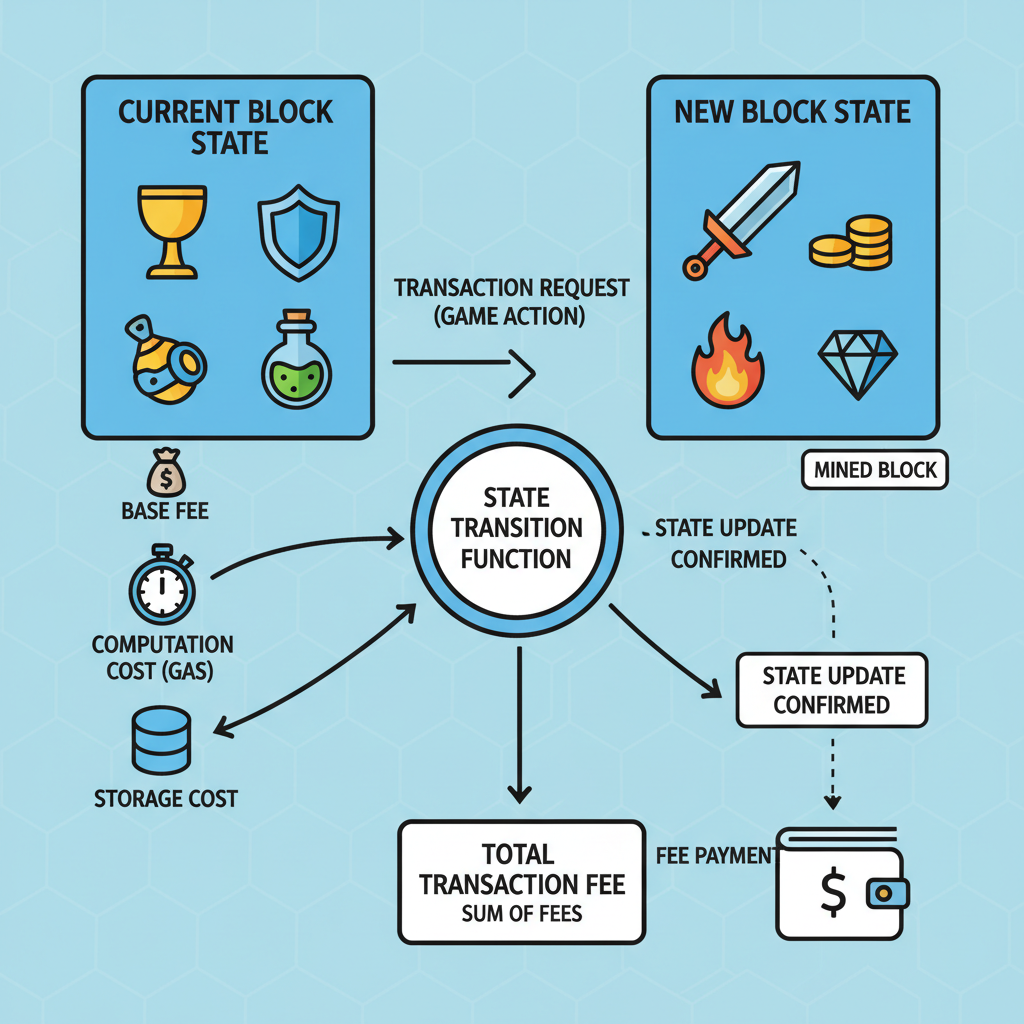
Consider a gaming rollup pricing state updates over transfers, per ChainScore. A player's move updates game state cheaply, batched with thousands of peers. Eco's Rollup-as-a-Service (RaaS) platforms deliver sub-second confirmations with gaming-tuned params, turning theoretical gains into reality. Galaxy's modularity thesis backs this: stack rollups for execution, settlement elsewhere, and fees plummet.
ImmutableX Technical Analysis Chart
Analysis by Erin Loftus | Symbol: BINANCE:IMXUSDT | Interval: 1D | Drawings: 8
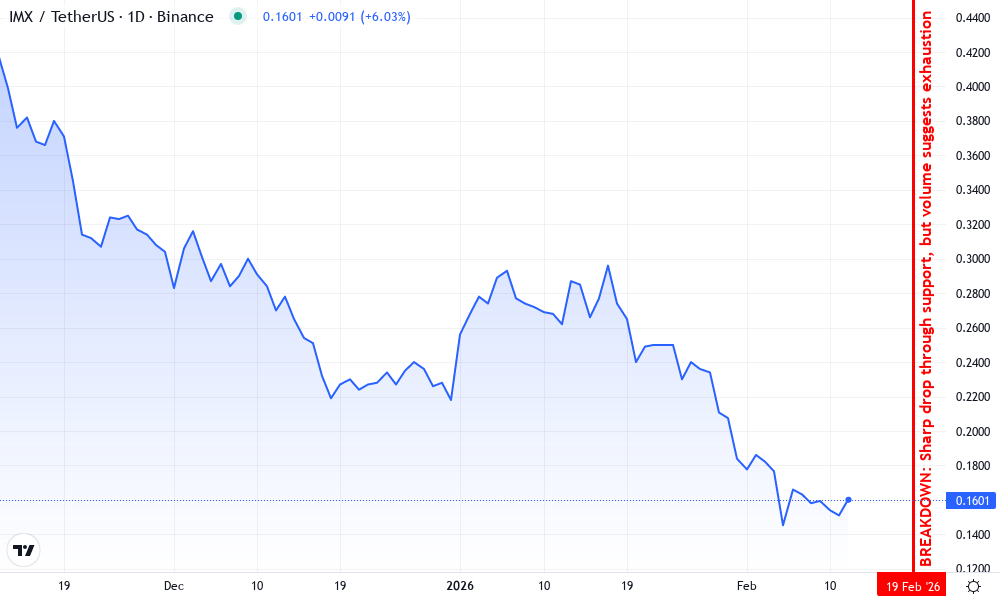
Technical Analysis Summary
To annotate this IMXUSDT chart in my balanced hybrid style, start by drawing a primary downtrend line connecting the December 2025 high near 0.590 to the recent February 2026 low at 0.500, using 'trend_line' for the bearish channel. Add a short-term support horizontal line at 0.500 with 'horizontal_line' marked strong. Sketch a potential rebound trendline from the 0.500 low upwards towards 0.525 using another 'trend_line'. Highlight key support at 0.520 and resistance at 0.550 with 'horizontal_line's. Mark entry zone near 0.505 with 'long_position' icon, profit target at 0.570 with 'order_line', and stop loss at 0.495. Use 'fib_retracement' from the major high to low for 38.2% and 50% levels. Add 'callout' for volume spike at bottom indicating capitulation, 'arrow_mark_up' for MACD bullish divergence, 'rectangle' for late January consolidation, and 'vertical_line' for potential news catalyst around mid-February. Finally, 'text' boxes for risk notes emphasizing medium risk longs given gaming rollup fundamentals.
Risk Assessment: medium
Analysis: Downtrend intact but oversold with fundamental tailwinds from low-fee gaming rollups; medium tolerance suits dip buys
Erin Loftus's Recommendation: Accumulate longs on confirmation above 0.520, diversify 5-10% portfolio allocation for resilient growth
Key Support & Resistance Levels
📈 Support Levels:
- $0.5 - Recent swing low with volume spike, strong capitulation level strong
- $0.52 - Prior trough in January, moderate hold moderate
📉 Resistance Levels:
- $0.55 - Mid-January high, key hurdle for rebound moderate
- $0.58 - December high zone, major resistance strong
Trading Zones (medium risk tolerance)
🎯 Entry Zones:
- $0.505 - Bounce from strong support amid positive gaming rollup news, aligns with medium risk tolerance low risk
🚪 Exit Zones:
- $0.57 - Fib 61.8% retracement target, realistic upside on fundamentals 💰 profit target
- $0.495 - Below key support invalidates long thesis 🛡️ stop loss
Technical Indicators Analysis
📊 Volume Analysis:
Pattern: climax exhaustion at lows
High volume on final drop to 0.500 signals selling pressure release, bullish divergence
📈 MACD Analysis:
Signal: bullish crossover emerging
MACD line crossing signal from below post-oversold, supports reversal
Applied TradingView Drawing Utilities
This chart analysis utilizes the following professional drawing tools:
Disclaimer: This technical analysis by Erin Loftus is for educational purposes only and should not be considered as financial advice. Trading involves risk, and you should always do your own research before making investment decisions. Past performance does not guarantee future results. The analysis reflects the author's personal methodology and risk tolerance (medium).
Real-world proof? Solana's $0.00025 fees handle 65,000 TPS, while custom setups via Caldera push further. Developers report 80% reductions by ditching shared markets, per 23stud. io economics comparisons. Link this to sovereignty: check our guide on designing app-chain fee markets for gaming.
Core Mechanics of Gaming Fee Market Design
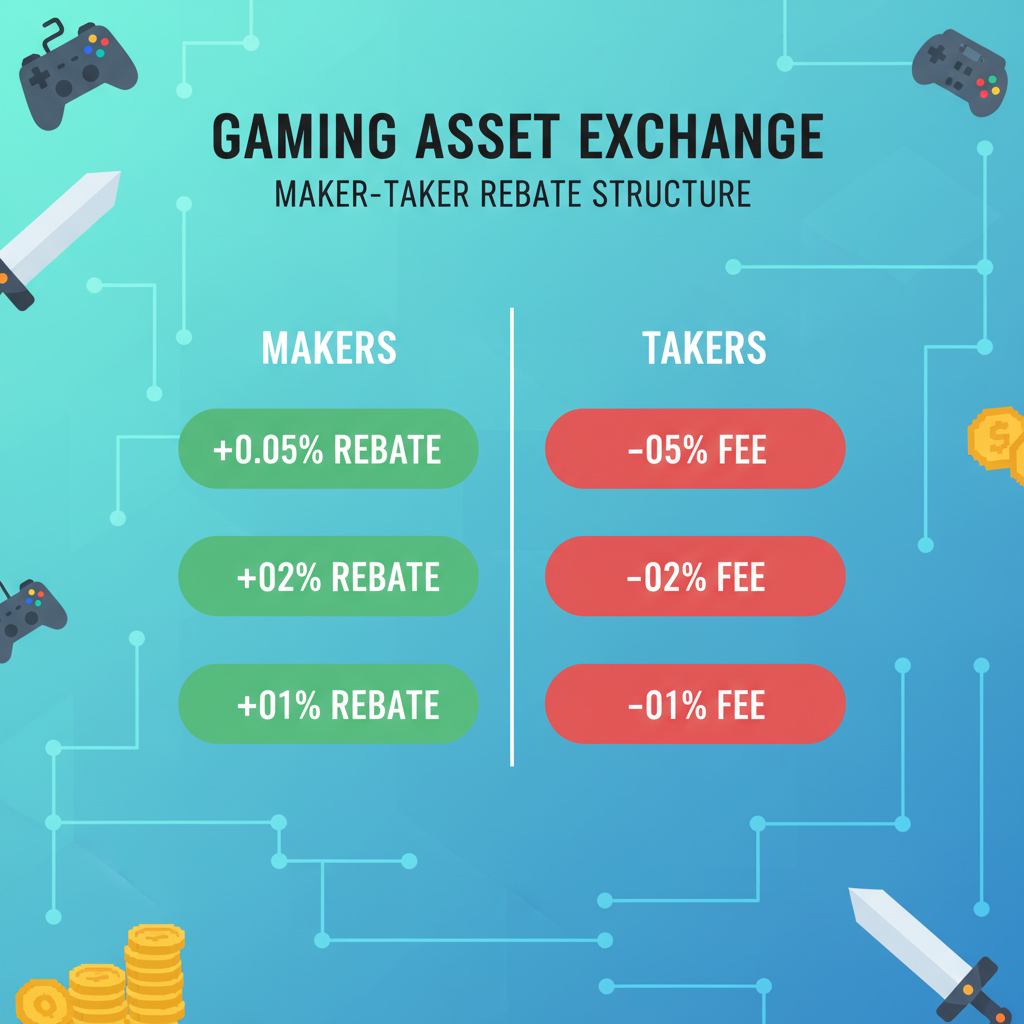
Start with dimensionality. DROPS research emphasizes separate markets for calldata vs. compute, vital for games heavy on on-chain logic. Implement maker-taker models: reward liquidity providers (game servers batching txs) with rebates, charge takers minimally. Dynamic adjustments via oracles prevent spikes, ensuring fees hover at fractions of a cent.
6-Month Price Performance of Key Assets for Gaming Ecosystems
Comparing Ethereum, Solana, Immutable X, and other L1/L2 assets amid bearish market trends and push for low-fee app-chains
| Asset | Current Price | 6 Months Ago | Price Change |
|---|---|---|---|
| Ethereum | $1,968.05 | $2,063.39 | -4.6% |
| Solana | $80.75 | $87.46 | -7.7% |
| Immutable X | $0.1600 | $0.1700 | -5.9% |
| Bitcoin | $67,134.00 | $70,555.39 | -4.8% |
| Polygon | $0.9000 | $0.9500 | -5.3% |
| Avalanche | $8.80 | $9.50 | -7.4% |
| Arbitrum | $0.1120 | $0.1200 | -6.6% |
| Optimism | $0.1837 | $0.1950 | -5.8% |
Analysis Summary
Over the past six months, the crypto market has been bearish, with all tracked assets declining 4.6% to 7.7%. Ethereum (-4.6%) and Bitcoin (-4.8%) showed resilience, while Solana (-7.7%) had the largest drop. L2s like Immutable X (-5.9%) highlight scaling relevance as gaming app-chains target 80% fee cuts.
Key Insights
- All assets declined amid general bearish sentiment.
- Solana saw the steepest fall at -7.7%, despite $0.00025 avg tx fees.
- Ethereum down -4.6% with higher $2-10 fees.
- Immutable X declined -5.9%, offering $0 fees ideal for gaming.
- L2 tokens (Arbitrum -6.6%, Optimism -5.8%) reflect scaling ecosystem trends.
- Custom gaming app-chains projected at ~$0.00005 fees amid price pressures.
Data from CoinMarketCap historical 2025-08-16 snapshot for 6-month prices and 2026-02-12 current values. Changes and prices used exactly as provided; no estimations.
Data Sources:
- Main Asset: https://coinmarketcap.com/historical/20250816/
- Solana: https://coinmarketcap.com/historical/20250816/
- Immutable X: https://coinmarketcap.com/historical/20250816/
- Bitcoin: https://coinmarketcap.com/historical/20250816/
- Polygon: https://coinmarketcap.com/historical/20250816/
- Avalanche: https://coinmarketcap.com/historical/20250816/
- Arbitrum: https://coinmarketcap.com/historical/20250816/
- Optimism: https://coinmarketcap.com/historical/20250816/
Disclaimer: Cryptocurrency prices are highly volatile and subject to market fluctuations. The data presented is for informational purposes only and should not be considered as investment advice. Always do your own research before making investment decisions.
For high-throughput gaming rollups 2026, integrate RaaS like Zeeve for rapid deployment. Delphi Digital's rollup guide stresses economics first: model fees around player volume, not speculation. ResearchGate's Ethereum optimization paper offers baselines; adapt for app-chains by prioritizing state diffs over full calldata.
These adaptations turn gaming into a fee-efficient powerhouse. Prioritize diffs: only changed inventory slots or health points hit the chain, batched efficiently. This slashes calldata needs, directly feeding into lower costs for custom rollups gaming fees.
Step-by-Step: Building Your Gaming Fee Market
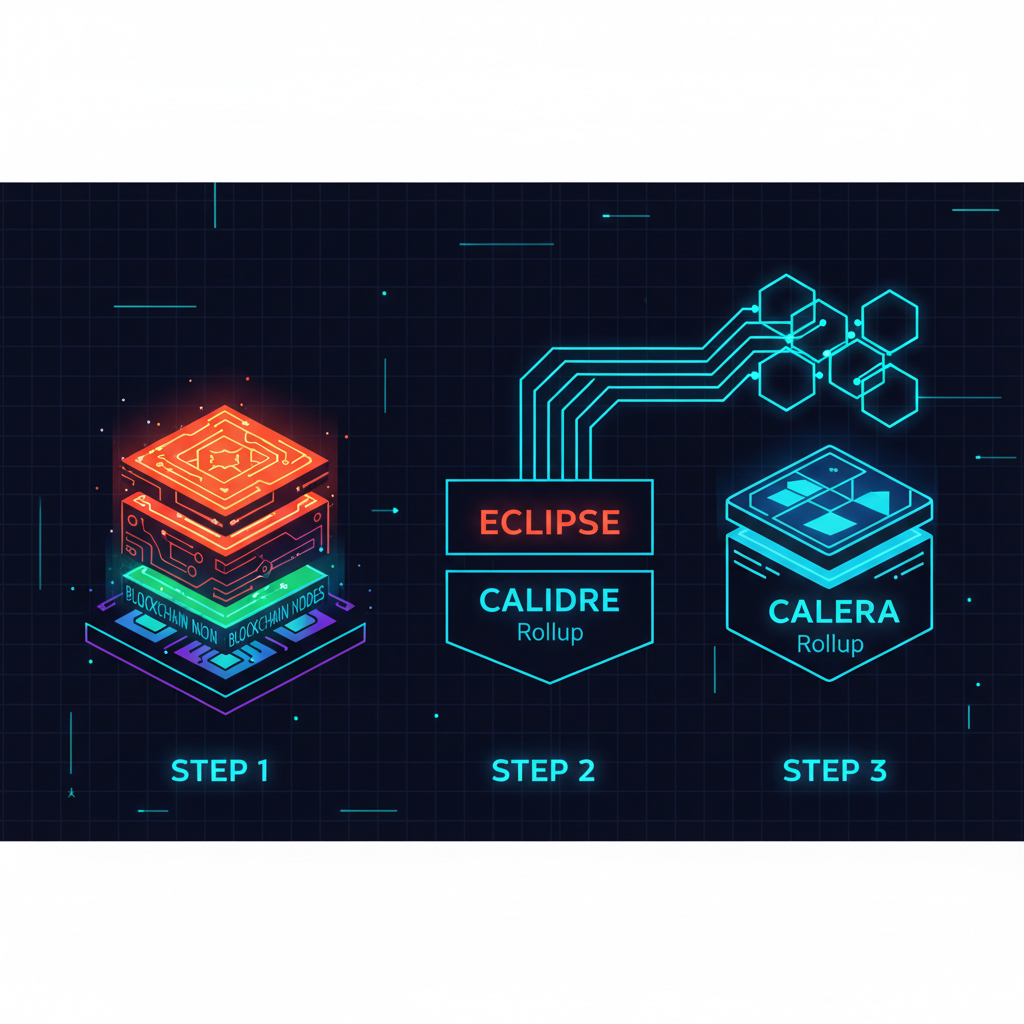
Enough theory; let's get hands-on. Designing a specialized fee market demands precision, blending economic incentives with technical stack choices. Platforms like Caldera or Eclipse provide the scaffolding, but the magic lies in your configuration.
Build Low-Cost Gaming App-Chains: 6 Steps to 80% Fee Reductions

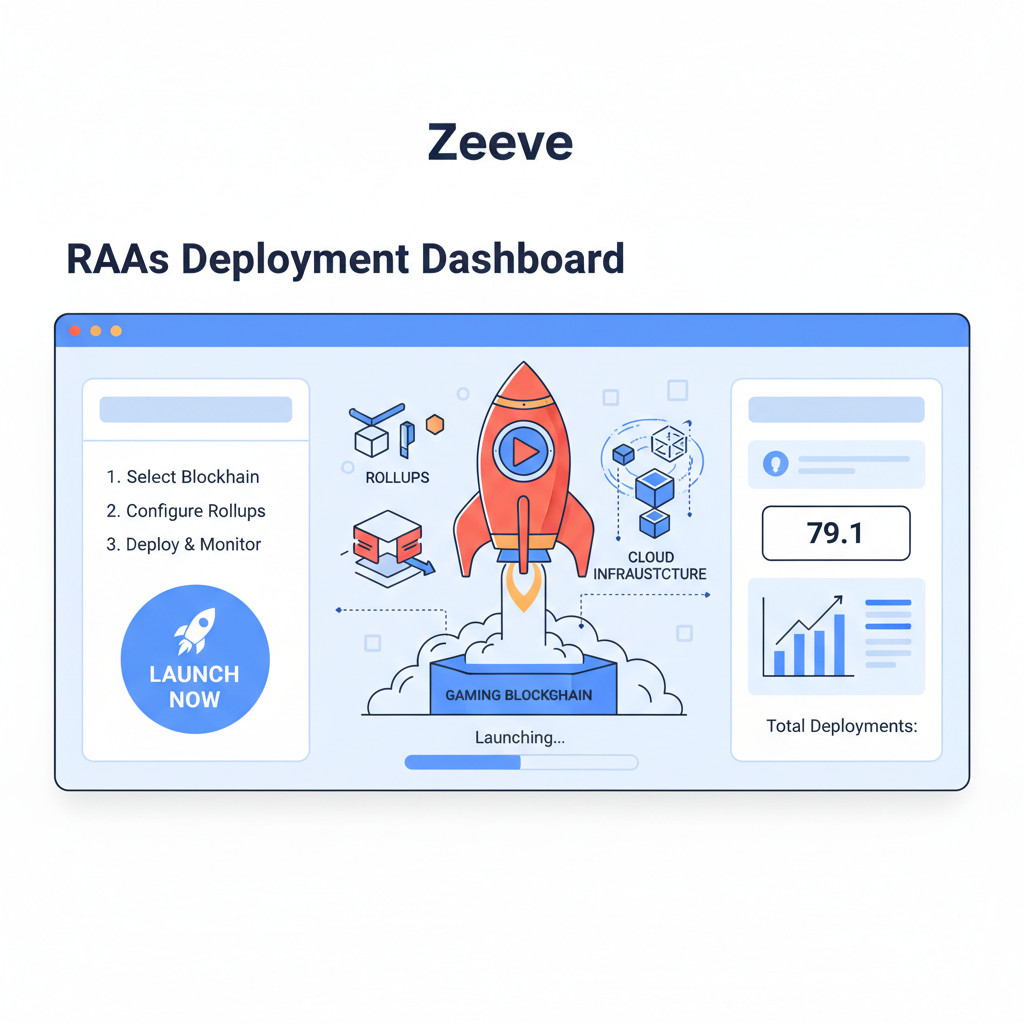
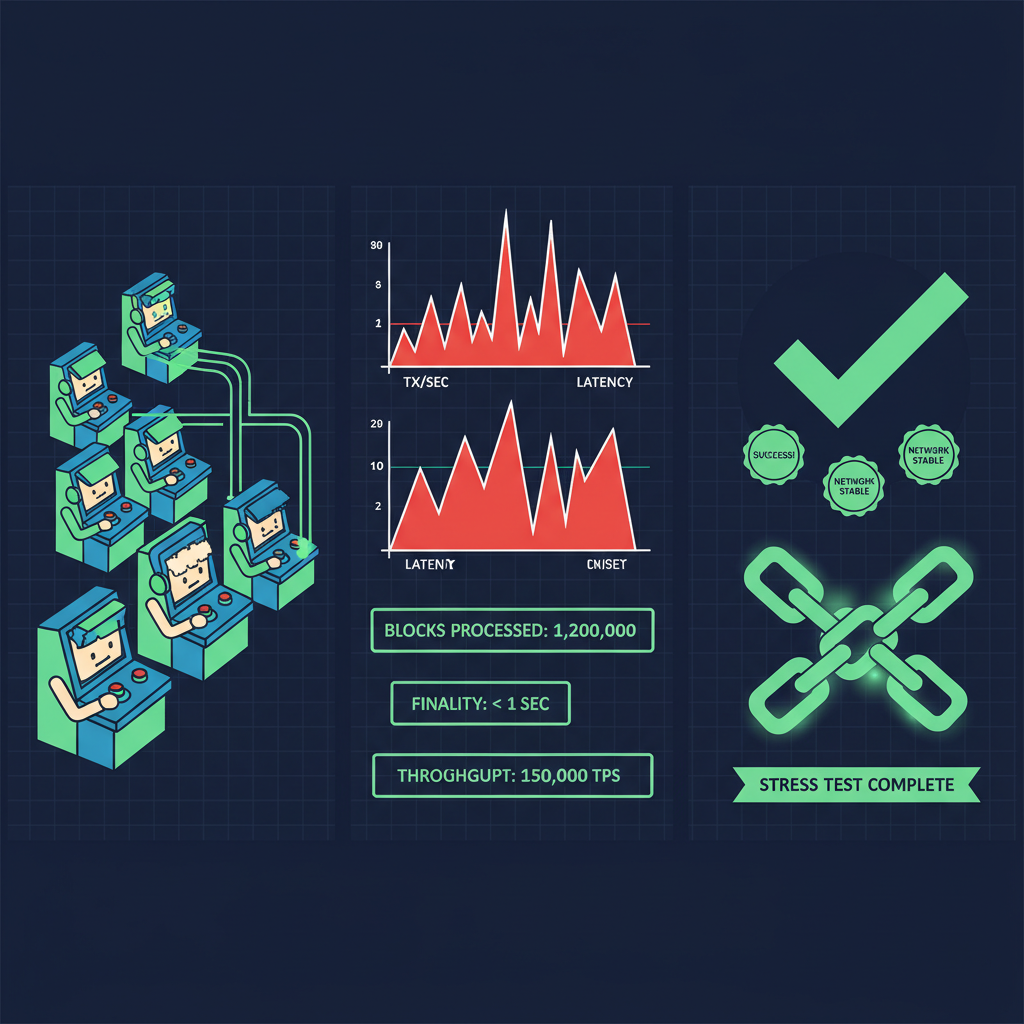
Once live, monitor with tools from ChainScore Labs. Adjust taker fees based on real-time congestion, always capping at Solana-level $0.00025. ImmutableX's zero-gas model inspires, but app-chains add sovereignty: no sequencer risks, full control over upgrades. Dive deeper in our custom fee markets for app-specific rollups tutorial.
Case Studies: Games Crushing Costs
Illuvium's zk-rollup on ImmutableX delivers zero fees for trades and battles, retaining players who fled Ethereum's spikes. Parallel's modular chain hits 100,000 TPS with fees under $0.0001, batching guild wars seamlessly. These aren't outliers; they're blueprints. Eco's RaaS enabled a battle royale prototype with sub-second latency, costs 80% below competitors. Galaxy's modularity report predicts this trend exploding by 2026: gaming rollups as the norm.
ScienceDirect notes custom chains optimize for niche needs, like energy markets, but gaming amplifies it. Frequent txs - logins, upgrades, PvP - demand stability. Delphi Digital breaks down stacks: optimistic vs. zk, but both shine with tailored fees. ResearchGate's optimization algorithms port well: use ML to predict batch sizes, minimizing waste.
A gaming rollup will price state updates, not token transfers.
This focus unlocks high-throughput gaming rollups 2026. Imagine 10,000 players syncing inventories per block, fees pooled to pennies total. Zeeve's one-click deploys make it accessible, even for indie studios.
Key Metrics Comparison: Ethereum, Solana, and Gaming App-Chains
| Metric | Ethereum | Solana | Gaming App-Chain | Improvement |
|---|---|---|---|---|
| Transaction Fees | $2-10 | $0.00025 | $0.00005 | 80% |
| TPS | 15 | 65k | 100k | 6x |
Challenges remain: sequencer centralization, but solutions like decentralized sequencers in Eclipse mitigate. Economic attacks? Maker-taker discourages spam, rewarding honest batchers. The payoff? Sustainable play-to-earn, where devs retain more revenue.
Future-Proofing with Dynamic Markets
Static fees won't cut it long-term. Integrate oracles for volatility-adjusted pricing, tying to player counts or session peaks. DROPS multidimensional models evolve here: tiered markets for casual vs. competitive play. arXiv papers forecast hybrid L2/L3 stacks, fees converging to near-zero via aggregation.
By 2026, expect RaaS dominance, per Eco. CustomAppChains. com tracks these shifts; sovereign app-chains will define gaming. Studios adopting now gain first-mover edge: lower churn, higher engagement. Explore dynamic fee markets for scalable app-chains to stay ahead.
Players win with frictionless fun; devs with viable economics. Specialized fee markets aren't a luxury - they're essential for blockchain gaming's mass adoption. Tailor yours, cut costs by 80%, and build the next ImmutableX.




No comments yet. Be the first to share your thoughts!