


In the high-stakes world of blockchain gaming, where split-second decisions and massive player volumes define success, transaction fees can make or break user retention. Custom gaming app-chains promise unparalleled scalability, but their potential hinges on specialized fee structures that go beyond generic gas auctions. Enter auction-based fee markets: dynamic systems that treat network resources like rare in-game loot, bidding them out to the highest-value users while keeping casual play affordable.

This approach draws from real-world innovations, such as Solana’s local fee markets that let high-demand programs charge premiums without burdening the entire chain. For developers building custom gaming app-chains, auctions offer a way to align fees with gameplay rhythms – surging during raids or tournaments, then easing for daily quests.
The Congestion Trap in Rollup Fee Markets
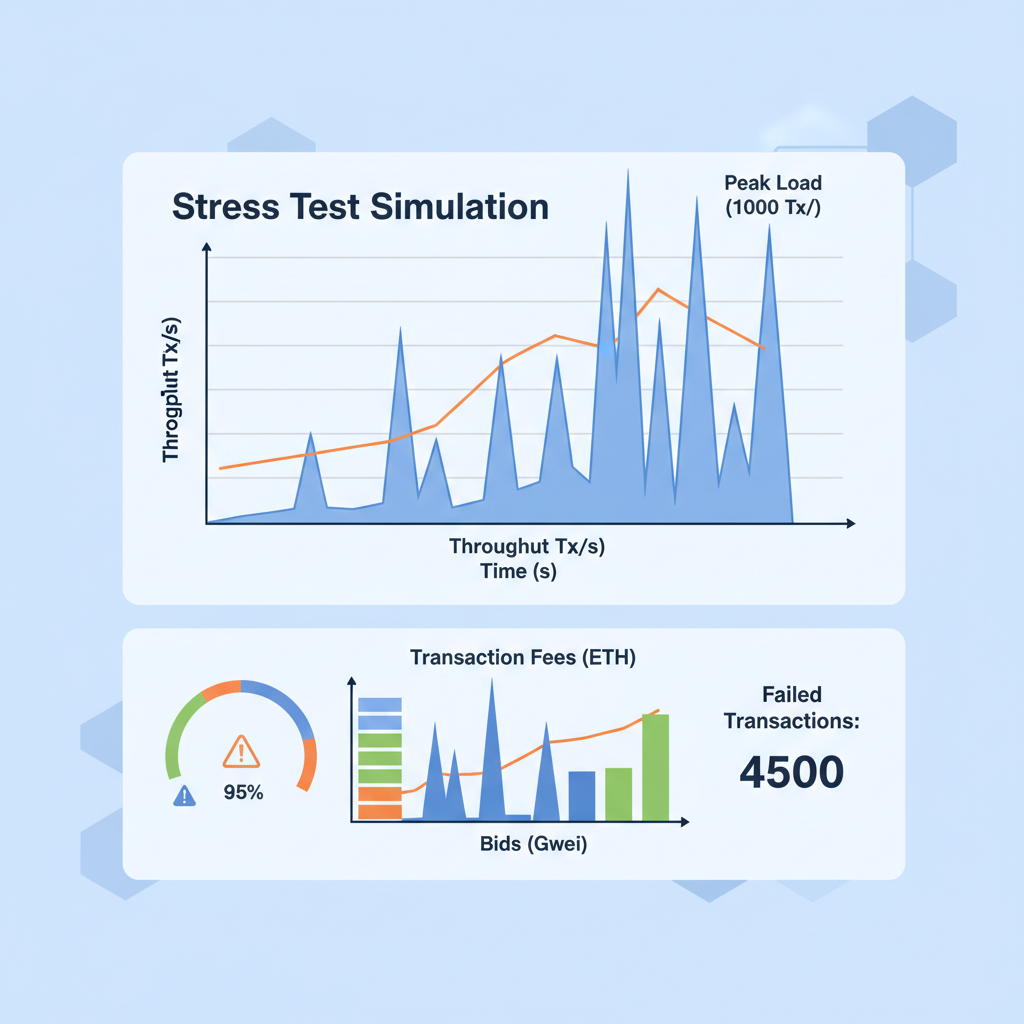
Generalized rollups rely on shared-resource auctions, where everyone competes for block space like bidders at a frenzied art sale. This works for DeFi but falters in gaming, where microtransactions flood the network during peak events. As ChainScore Labs warns, high-throughput ZK-rollups breed volatile fees, shattering promises of predictability. DefiLlama data underscores the issue: protocols rake in fees from LPs and trades, yet gamers face unpredictable spikes that deter free-to-play models.
App-specific rollups flip the script with internal pricing, but without auctions, they risk underutilizing capacity or subsidizing bots. Zeeve’s RaaS highlights how custom gaming chains cut launch costs, yet fee mismanagement can erode those gains. Galaxy’s modularity thesis reinforces this: separating execution from settlement demands tailored rollup fee optimization.
Comparison of Fee Market Models for Gaming App-Chains
| Fee Model | Congestion (Pros/Cons) | Revenue (Pros/Cons) | Predictability (Pros/Cons) |
|---|---|---|---|
| Traditional Shared Auctions (e.g., Generalized Rollups) | ✅ Efficient via global auctions raising fees during peaks ❌ Cross-app competition causes widespread congestion |
✅ High peak revenue from shared demand ❌ Diluted across network, less app-specific capture |
❌ Highly volatile due to external demand fluctuations |
| App-Specific Internal Pricing (e.g., App Rollups) | ✅ Isolated from external traffic ❌ Vulnerable to internal game spikes without dynamics (e.g., Solana local markets mitigate somewhat) |
✅ Full revenue retention for app ❌ Potentially lower without auction competition |
✅ Fixed or simple rules enable cost forecasting ❌ Surges can still surprise if unmanaged |
| Auction-Based Gaming Fees (e.g., TimeBoost-like or gamified) | ✅ Dynamic game-specific auctions prevent overload (e.g., Arbitrum TimeBoost) ❌ Implementation complexity |
✅ Maximized via bids and incentives (e.g., Blur-style rewards) ❌ Volatile with demand |
✅ Transparent bidding improves user expectations ❌ Still demand-dependent variability |
Auctions for gaming introduce nuance. They segment resources – prioritizing leaderboards over chat messages – fostering gaming blockchain scalability without the L2 fee crisis.
Real-World Blueprints: Solana, Arbitrum, and Beyond
Solana’s genius lies in per-account fee markets, dynamically pricing hot programs while idling others. Imagine applying this to a battle royale app-chain: entry fees auctioned per match, spectator views fixed low. Arbitrum’s TimeBoost takes it further, letting traders bid for ordering – a model ripe for gaming MEV, like auctioning first-mover advantage in NFT mints.
Conduit’s insights on appchain revenue shine here: monetize beyond gas via activity charges, gamified for loyalty. Blur’s token rewards for marketplace bids exemplify this, blending auctions with incentives. Celestia’s fee market primer reminds us: these mechanisms thwart spam, vital for open-world games teeming with players.

Even academic models, like ScienceDirect’s Bayesian game auctions with decentralized witnesses, offer battle-tested math for federated gaming chains.
Core Mechanics of Auction Design for Gaming
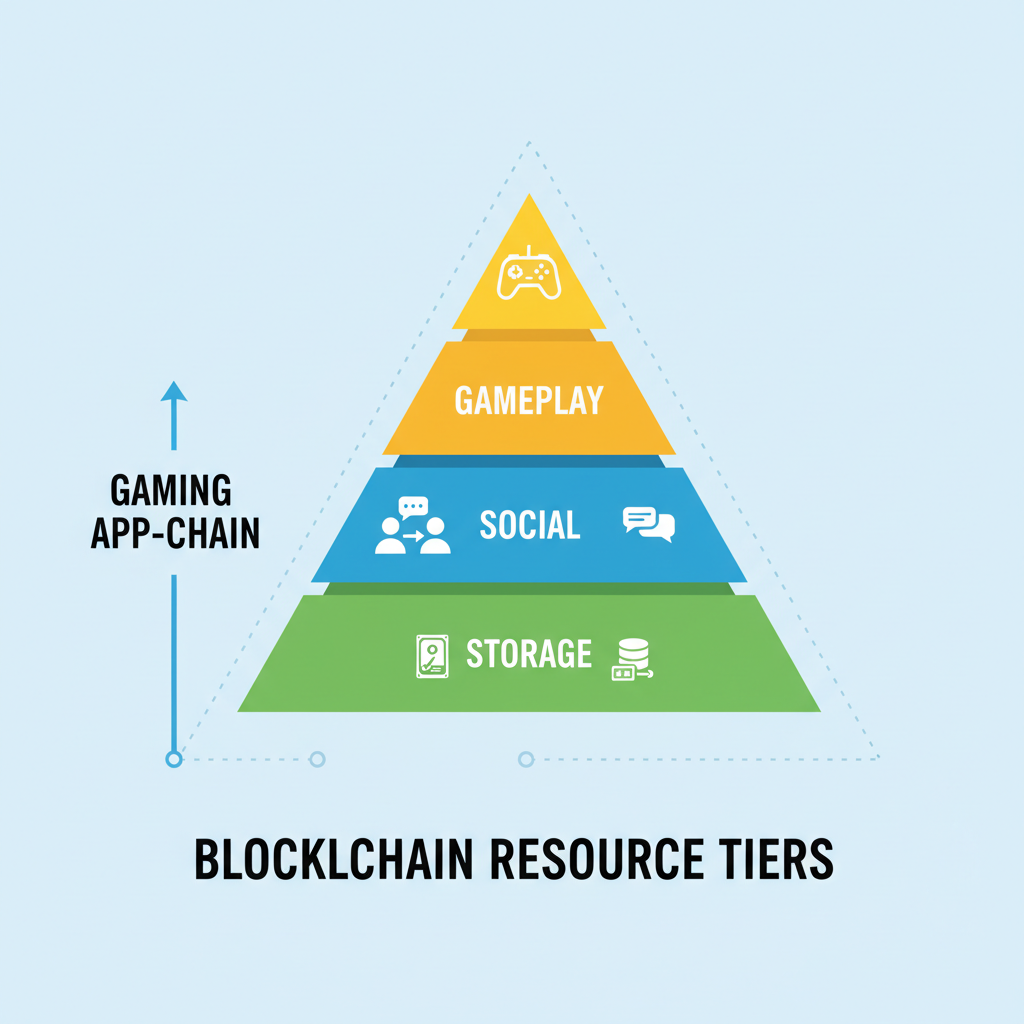
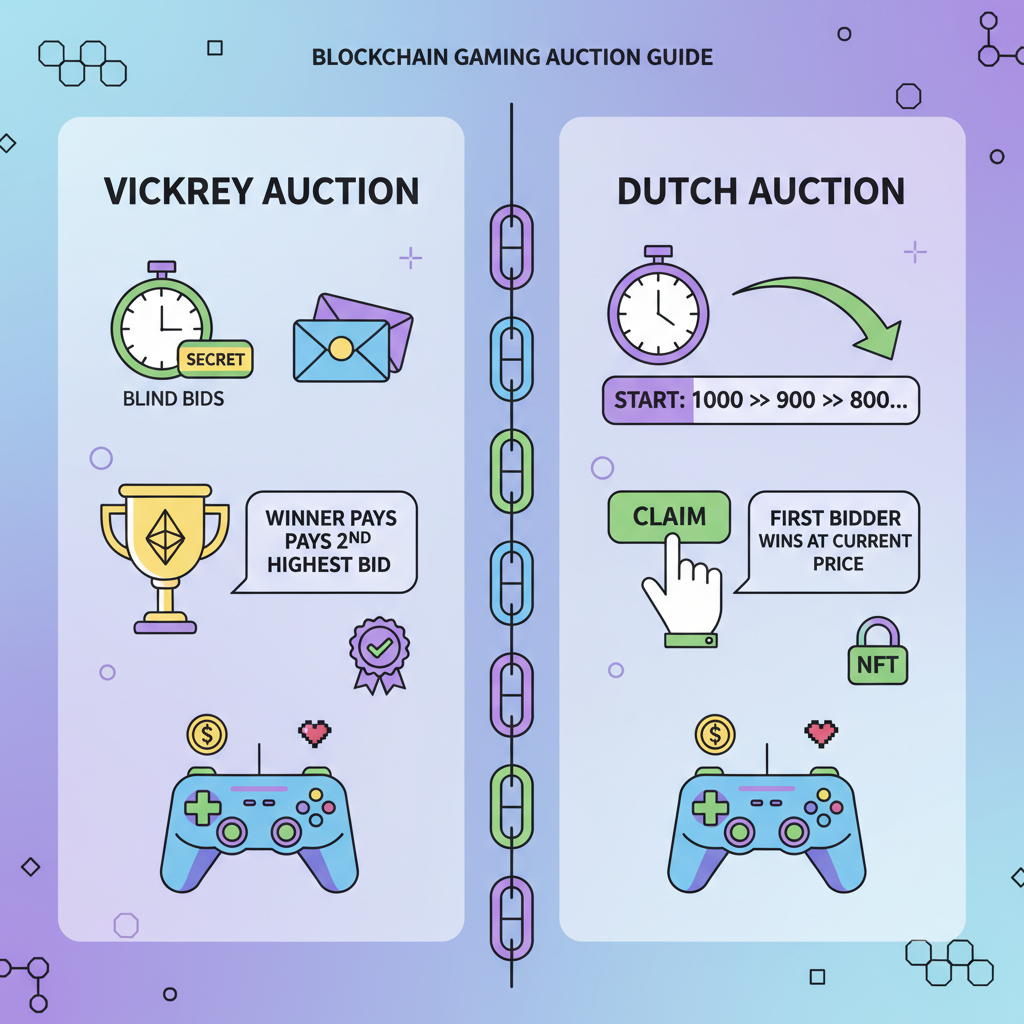
Crafting auction fee markets starts with resource granularity. Divide your app-chain into tiers: core gameplay (high stakes, Vickrey auctions for fairness), social features (Dutch auctions for speed), and storage (fixed with caps). This mirrors SuperEx’s distinction: generalized chaos yields to app-specific elegance.
Incorporate gamification per Daniel West’s analysis – reward consistent bidders with fee rebates or NFT boosts, turning costs into engagement loops. Alchemy’s sequencer vaults provide a revenue pool: auction proceeds fund buybacks or developer grants, sustaining the ecosystem.
Optimism Technical Analysis Chart
Analysis by Market Analyst | Symbol: BINANCE:OPUSDT | Interval: 1D | Drawings: 5
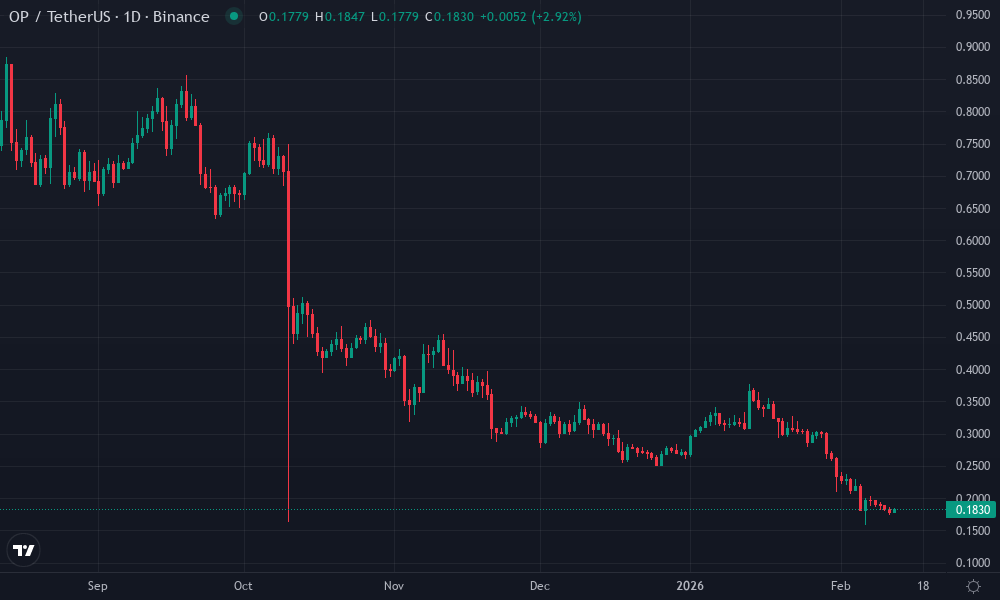
Technical Analysis Summary
To annotate this OPUSDT chart effectively in my balanced technical style, start by drawing a primary downtrend line connecting the swing high around 4.80 on 2026-10-05 and the recent swing low near 1.85 on 2026-02-12, using the ‘trend_line’ tool. Add horizontal lines at key support 1.80 and resistance 2.20-2.50. Use ‘rectangle’ for the late-Jan consolidation zone between 2.00-2.40 from 2026-01-20 to 2026-02-05. Place ‘arrow_mark_down’ at the breakdown from 2.50 on 2026-01-10. Add ‘callout’ for volume spike on downside with text ‘High volume breakdown’. For potential bounce, ‘fib_retracement’ from recent low 1.80 to high 2.40 targeting 38.2% retrace at 2.05. Finally, ‘text’ labels for entry/exit zones and overall bearish bias with caution.
Risk Assessment: medium
Analysis: Bearish trend intact but oversold signals and volume divergence suggest relief bounce risk; aligns with medium tolerance avoiding aggressive positions
Market Analyst’s Recommendation: Wait for close above 2.20 for longs or below 1.80 for shorts; scale small in this choppy range-bound action
Key Support & Resistance Levels
📈 Support Levels:
-
$1.8 – Strong multi-touch low from recent weeks, volume cluster
strong -
$1.65 – Psychological extension below recent lows
weak
📉 Resistance Levels:
-
$2.2 – Recent swing high and consolidation base
moderate -
$2.5 – Prior breakdown level from early January
moderate
Trading Zones (medium risk tolerance)
🎯 Entry Zones:
-
$1.85 – Bounce from strong support with volume divergence, medium risk scalp long
medium risk -
$2.35 – Short entry on resistance rejection confirming downtrend
medium risk
🚪 Exit Zones:
-
$2.2 – Profit target at resistance confluence
💰 profit target -
$1.75 – Stop loss below key support
🛡️ stop loss -
$1.7 – Trailing stop for shorts
🛡️ stop loss
Technical Indicators Analysis
📊 Volume Analysis:
Pattern: High volume on downside breaks, decreasing on pullbacks suggesting exhaustion
Bearish volume confirms downtrend but divergence at lows bullish hint
📈 MACD Analysis:
Signal: Bearish below zero with weakening momentum
MACD histogram contracting, potential bullish crossover if price holds support
Applied TradingView Drawing Utilities
This chart analysis utilizes the following professional drawing tools:
Disclaimer: This technical analysis by Market Analyst is for educational purposes only and should not be considered as financial advice.
Trading involves risk, and you should always do your own research before making investment decisions.
Past performance does not guarantee future results. The analysis reflects the author’s personal methodology and risk tolerance (medium).
Thresholds matter. Set reserve prices to cover DA costs, escalating bids via proportional scaling. For 2026’s projected loads, integrate TimeBoost-style priority auctions, ensuring raiders pay up while questers glide free. This isn’t just efficiency; it’s economic sovereignty for gaming dapps.
Developers must also weigh auction frequency against latency. Frequent mini-auctions suit turn-based games, while batched ones handle real-time action, minimizing on-chain overhead. Opinion: in my 18 years analyzing markets, I’ve seen rigid pricing kill adoption; dynamic auctions echo equity trading floors, where liquidity thrives on competition.
Step-by-Step Implementation for Custom Gaming Chains
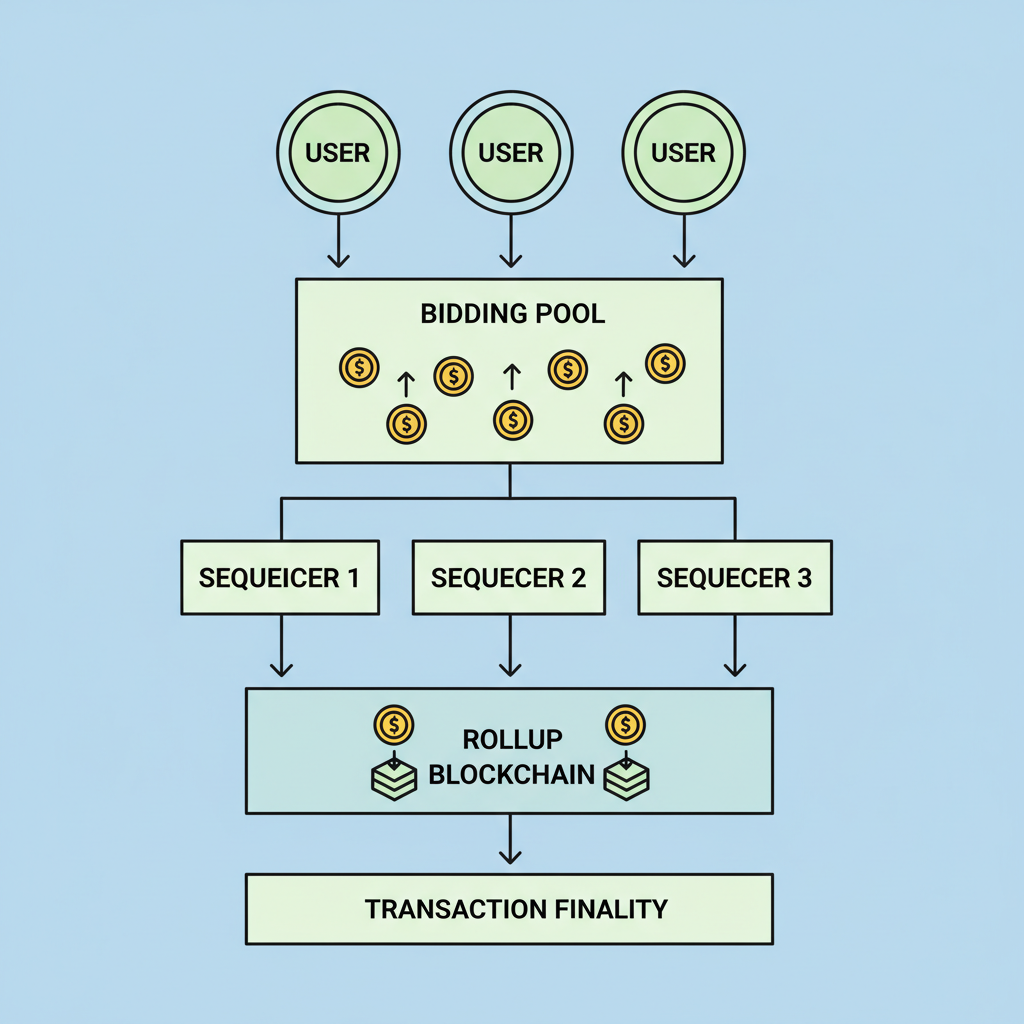
Transitioning theory to code requires precision. Begin with sequencer modifications in your OP Stack or custom rollup fork, injecting auction logic before inclusion. Use EIPs like 1559 as a base but layer gaming-specific bids: player tiers, event multipliers, rebate smart contracts.
Master Auction Fee Markets for Gaming App-Chains

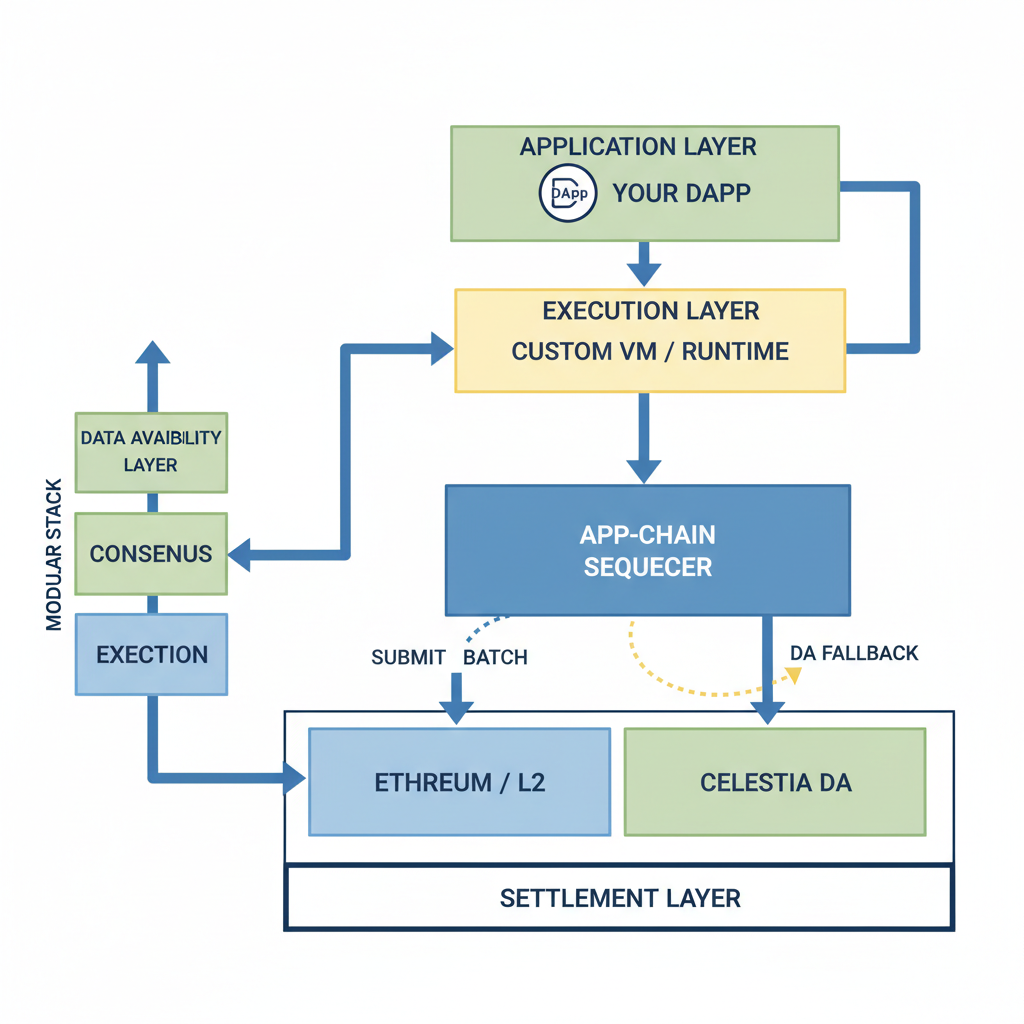
Once live, monitor via dashboards akin to DefiLlama’s fee trackers, adjusting reserves based on DA costs from Celestia or EigenDA. For deeper dives, explore how-to-design-app-chain-fee-markets-for-gaming-platforms-reducing-costs-maximizing-throughput.
Navigating Challenges: Spam, Collusion, and Volatility
No auction is foolproof. Bots could collude on low bids, starving revenue – counter with Bayesian enhancements from ScienceDirect, using witnesses for truthful revelations. Volatility? Hybrid models blend auctions with floors, as in Arbitrum’s TimeBoost, stabilizing for free-to-play spikes.
Gamification counters user friction: Daniel West’s platforms show NFT drops for top bidders boost retention 30-50%. Zeeve’s RaaS eases deployment, letting teams focus on tuning rather than infra. Yet, Alchemy warns of sequencer centralization; decentralize auctions via committees for true sovereignty.
I’ve advised firms on macro shocks; blockchain gaming faces similar – flash crashes in player counts demand adaptive reserves, auctioning idle capacity to DeFi sidecars for yield.
Unlocking Revenue Streams Beyond Fees
Auctions transcend costs, birthing ecosystems. Sequencer vaults swell with proceeds: 70% to buybacks, 20% grants, 10% liquidity mining per OP Stack norms. Conduit’s vision materializes – charge for premium leaderboards, auction cosmetic mint slots, monetize spectator data.
SuperEx nails it: app-specific rollups turn fees into internal markets, pricing loot boxes dynamically. Galaxy’s modularity stacks auctions atop Celestia DA, slashing costs 90% while scaling to millions. Result? Predictable UX trumps L2 crises, per ChainScore.
Picture a MOBA app-chain: tournament finals auction priority txns at $0.01 equivalents, funding $1M prize pools. Casual queues? Pennies. This rollup fee optimization fuels viral loops, where winners reinvest rebates into skins.
Providers like Zeeve amplify this, launching chains 5x cheaper. Pair with Blur-style loyalty: bid history unlocks fee tiers, gamifying economics.
Forward-thinking architects will integrate cross-chain auctions, bridging to Ethereum for whale bids. Check how-custom-app-chains-unlock-tailored-fee-markets-and-sovereignty-for-gaming-dapps for sovereignty blueprints.
Gaming’s future rides on these specialized fee structures. Auctions don’t just allocate resources; they orchestrate economies mirroring player passions – competitive, fair, thriving. Builders embracing them today position for tomorrow’s metaverses, where every tx fuels legend.
About the Author