

In the evolving landscape of blockchain scalability, custom app-chains with zero-fee nodes stand out as a pragmatic approach to slashing deployment costs for rollups. With Ethereum’s price holding steady at $2,018.61 amid a 24-hour gain of and $121.85, the pressure on Layer 1 networks to handle surging demand underscores the need for efficient alternatives. Developers are increasingly turning to application-specific chains that eliminate node operation fees, allowing focus on innovation rather than infrastructure overhead. This shift not only optimizes resource allocation but also paves the way for broader adoption of decentralized applications.

The Mechanics of Zero-Fee Nodes in Rollup Architectures
Zero-fee nodes redefine how we think about rollup zero fee structures. Traditionally, running nodes incurs significant costs from gas fees, hardware, and maintenance. In custom app-chains, these nodes operate without transaction fees by leveraging specialized fee markets that subsidize operations through alternative revenue models, such as protocol subsidies or off-chain payments. Platforms like Instanodes and Zeeve exemplify this by offering Rollups-as-a-Service (RaaS), where infrastructure is abstracted away, enabling deployments of Polygon ZK Rollups or Arbitrum Orbit stacks with minimal upfront investment.
At their core, these nodes rely on sequencers to batch and order transactions off the main chain, posting proofs or state roots back to Ethereum. This sequencer model, distinct from the base chain’s mempool, ensures low-latency processing without the volatility of L1 gas prices. For instance, in zero-knowledge rollups, zk-proofs validate batches efficiently, while optimistic rollups challenge fraudulent states. The result? Transaction costs plummet, making blockchain zero fee deployments viable for high-throughput apps like gaming or social platforms.
Comparison of Popular Rollup Frameworks (OP Stack, Arbitrum Orbit, ZK Stack)
| Framework | Type | Est. Deployment Cost (USD) | Fee Structures | Zero-Fee Node Support | Key RaaS Providers |
|---|---|---|---|---|---|
| OP Stack | Optimistic Rollup | Low ($1,000-$5,000) | Customizable sequencer fees; permissioned options for app-sponsored txns | ✅ Yes (permissioned sequencer) | Alchemy, QuickNode |
| Arbitrum Orbit | Optimistic/Custom L3 | Medium ($3,000-$8,000) | Flexible fees; supports gas sponsorship | ✅ Yes (custom node configs) | Zeeve, Caldera |
| ZK Stack | ZK Rollup | Medium-High ($5,000-$15,000) | ZK-proof based; minimal L1 data fees | ✅ Yes (zero-fee node infra) | Zeeve, Instanodes (similar ZK stacks) |
From a fundamentals perspective, this architecture aligns with sustainable blockchain economics. By reducing reliance on volatile fees, projects can predictably scale, avoiding the pitfalls of congested networks where costs spike unpredictably.
Optimizing App-Chain Costs Through Specialized Fee Markets
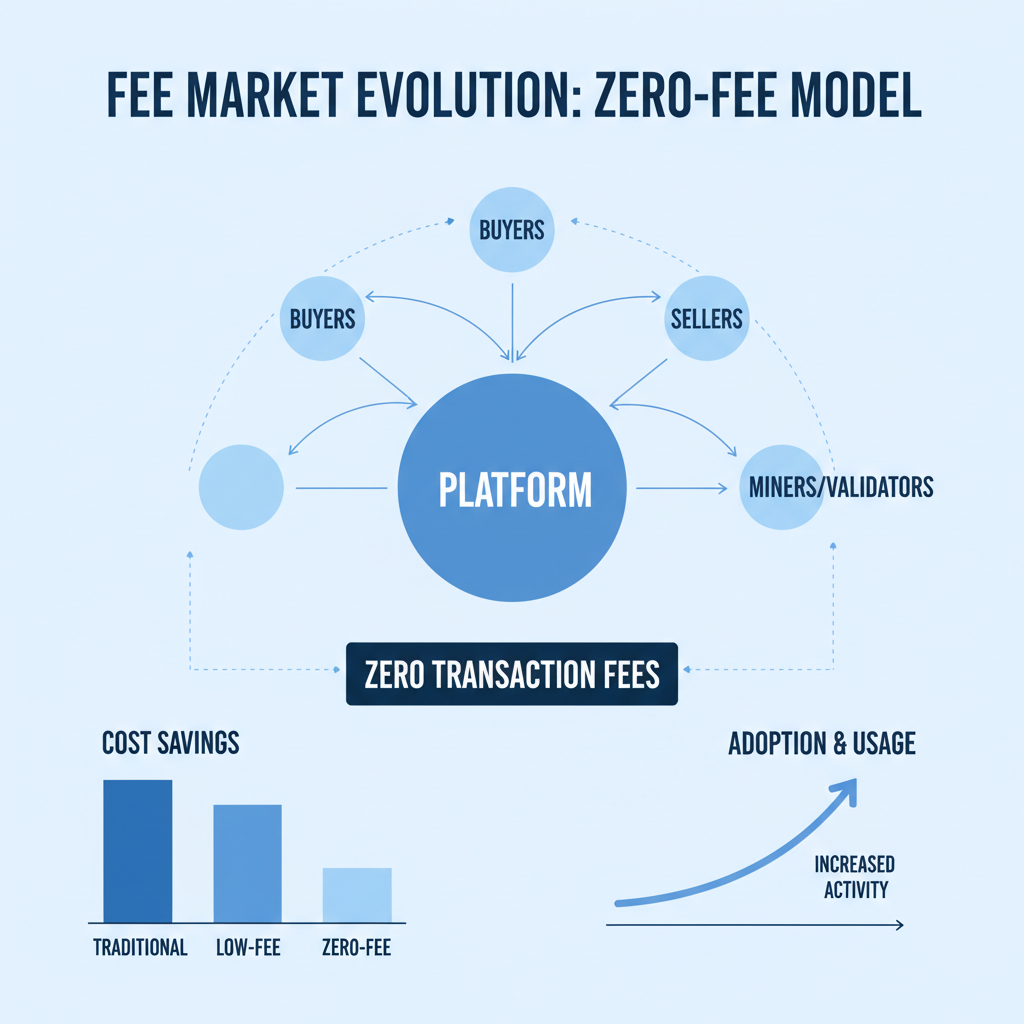
Specialized fee markets rollups introduce granular control over economics, tailoring fees to application needs. In a zero-fee node setup, the chain’s native token might fund sequencers via staking rewards, or external grants cover operations. This contrasts with monolithic chains, where uniform gas auctions lead to inefficiencies. Zeeve’s no-code platform, for example, supports sovereign L1 AppChains and L2/L3 rollups, deploying production-grade chains rapidly across frameworks like zkSync ZK Stack.






Consider the hardware angle: as ChainScore Labs notes, app-chains foster specialized node hardware markets, shifting moats from software to optimized infrastructure. QuickNode and Alchemy further this with RaaS, customizing gas tokens and consensus rules. Polygon CDK empowers ZK-powered chains, blending sovereignty with scalability. These tools democratize access, letting architects bypass the expertise barrier.
Real-World Deployments and Emerging Trends
Deployments via Caldera or QuickNode illustrate the trend. Developers configure throughput optimizations and custom gas tokens, launching optimistic or ZK rollups in hours. Instanodes emphasizes cost-effective transactions to onboard billions, solving scalability pain points. Modular blockchains, as Orbis86 observes, herald the app-chain era, where ZK tech via Polygon CDK builds tailored chains.
Yet, challenges persist: sequencer centralization risks censorship, though decentralization roadmaps mitigate this. Hardware specialization promises efficiency gains, per ChainScore, creating moats in physical infra. GetBlock. io highlights how rollups enhance dApp usability, with RPC nodes easing development. Cube Exchange details sequencers’ role in batching, foundational to zero-fee efficacy.
Addressing these hurdles requires a fundamentals-first mindset, prioritizing sequencer decentralization alongside cost controls. As Ethereum maintains its position at $2,018.61, with a modest 24-hour increase of $121.85, the L2 ecosystem benefits from stable settlement layers, amplifying the appeal of zero-fee nodes. Developers must weigh trade-offs: optimistic rollups offer familiarity but longer withdrawal times, while ZK variants deliver faster finality at higher computational cost initially.
Step-by-Step Deployment Strategies for Custom App-Chains
Embarking on a blockchain zero fee deployment demands deliberate planning. Platforms like Zeeve and Instanodes streamline this, but understanding the workflow builds resilience against vendor lock-in. Begin by defining your app-chain’s economic model: will staking rewards or grants sustain zero-fee operations? Then, select a framework attuned to your throughput needs.
Deploy Zero-Fee Polygon ZK Rollup with Instanodes RaaS: Stack, Sequencer & Fees Guide
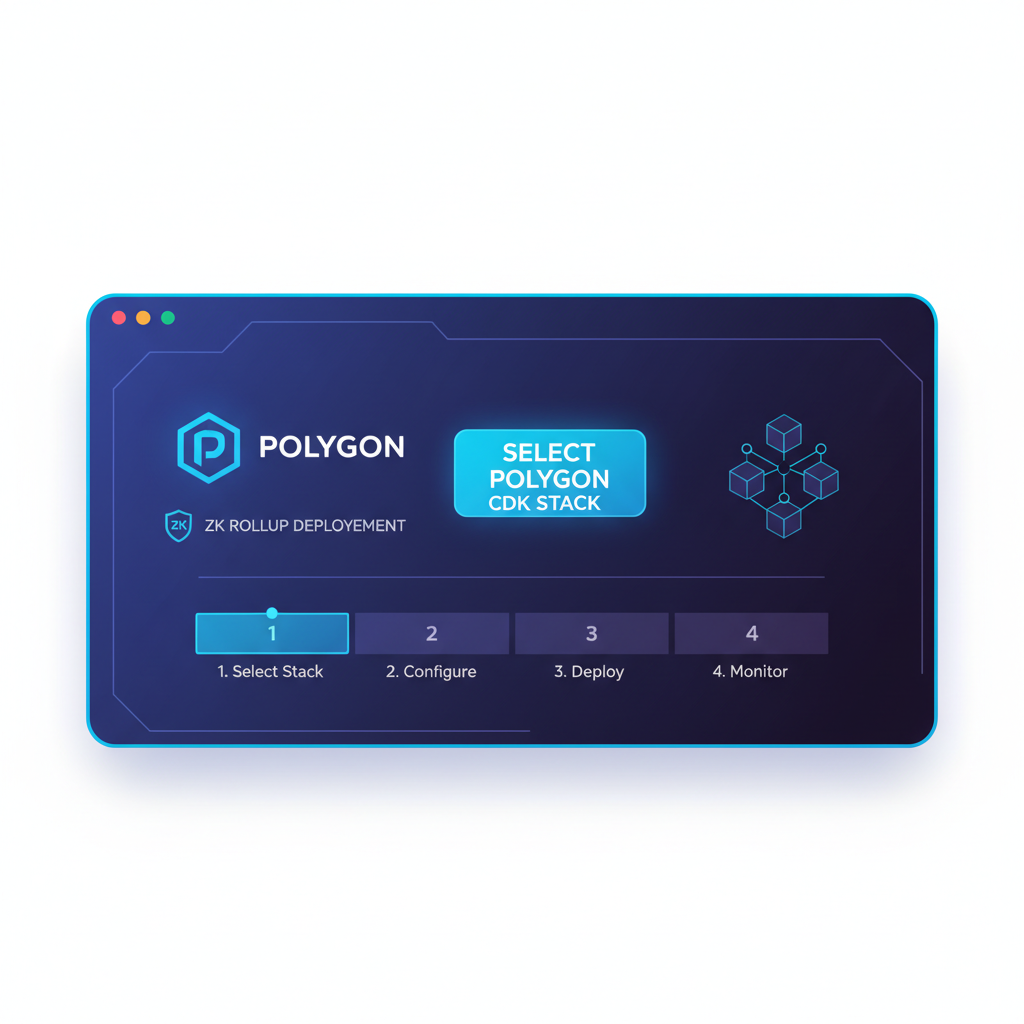
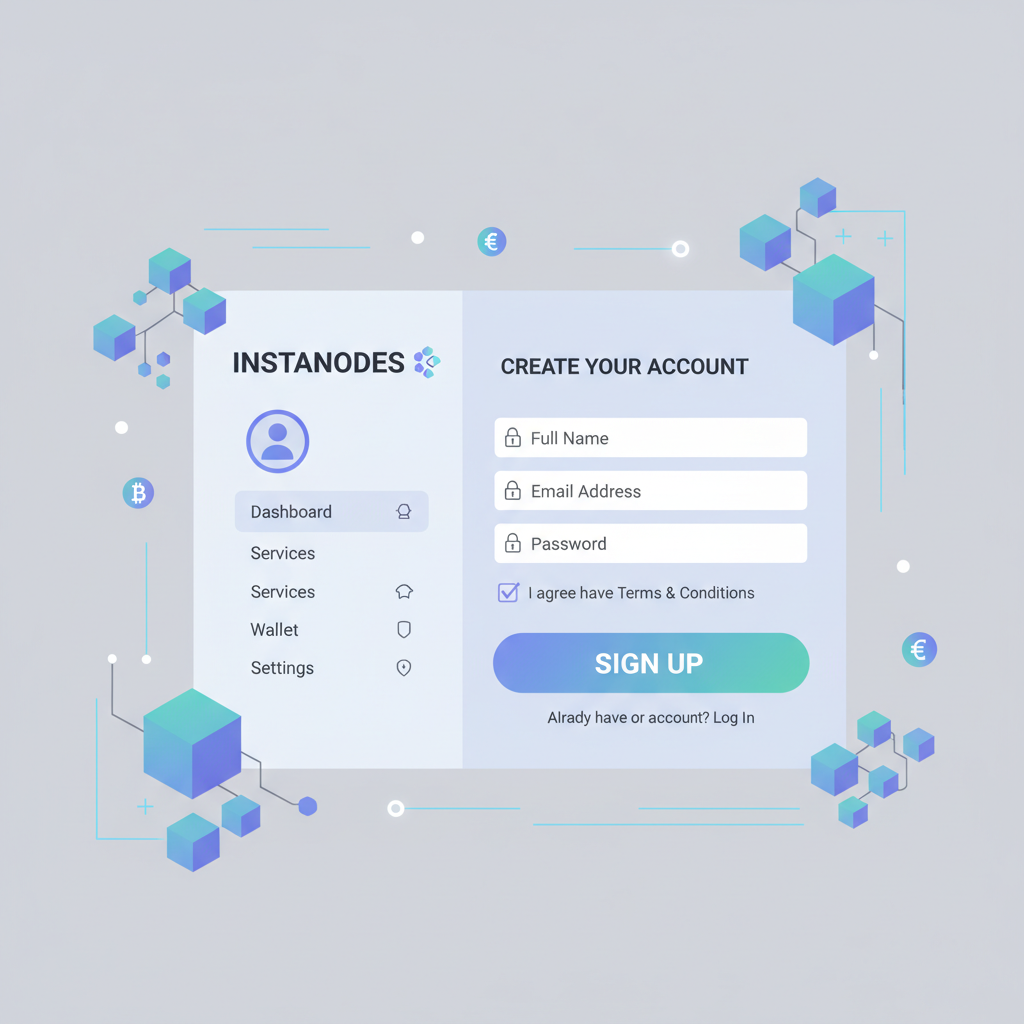
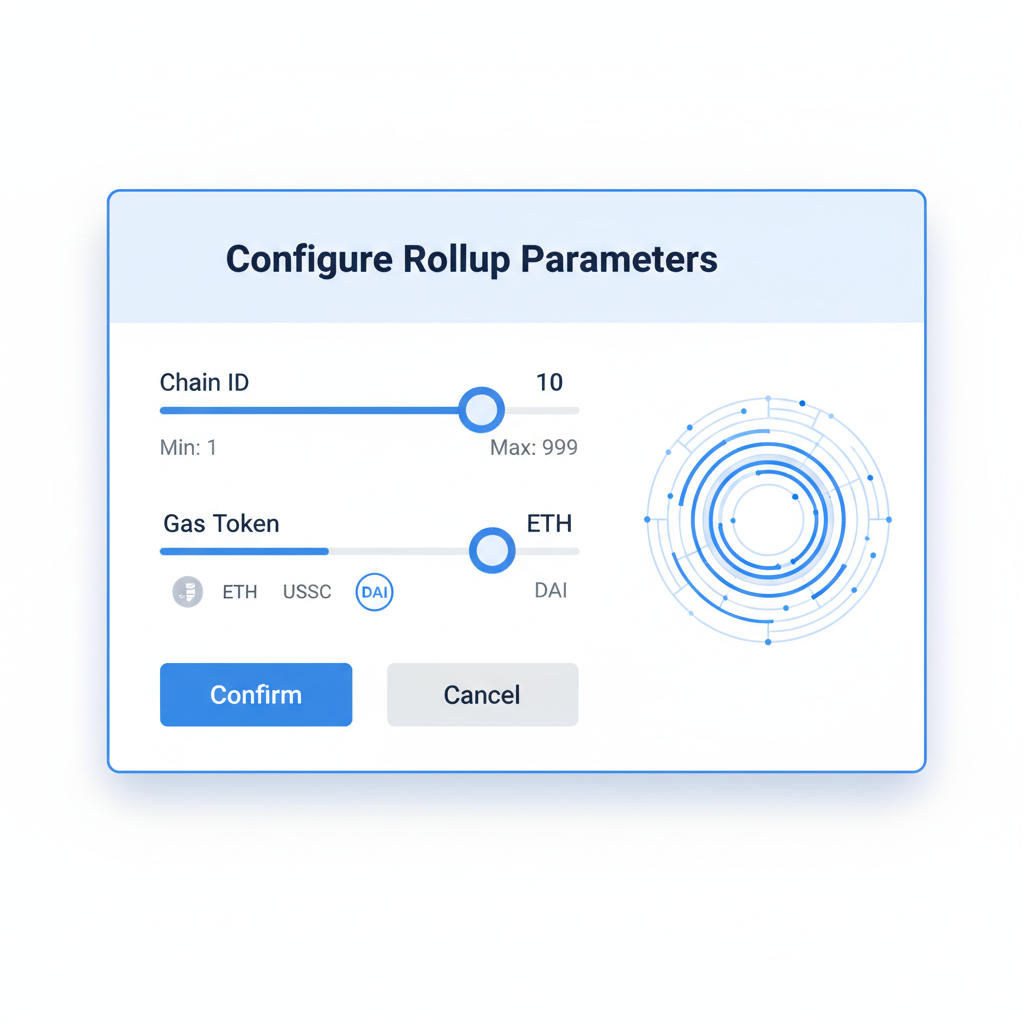
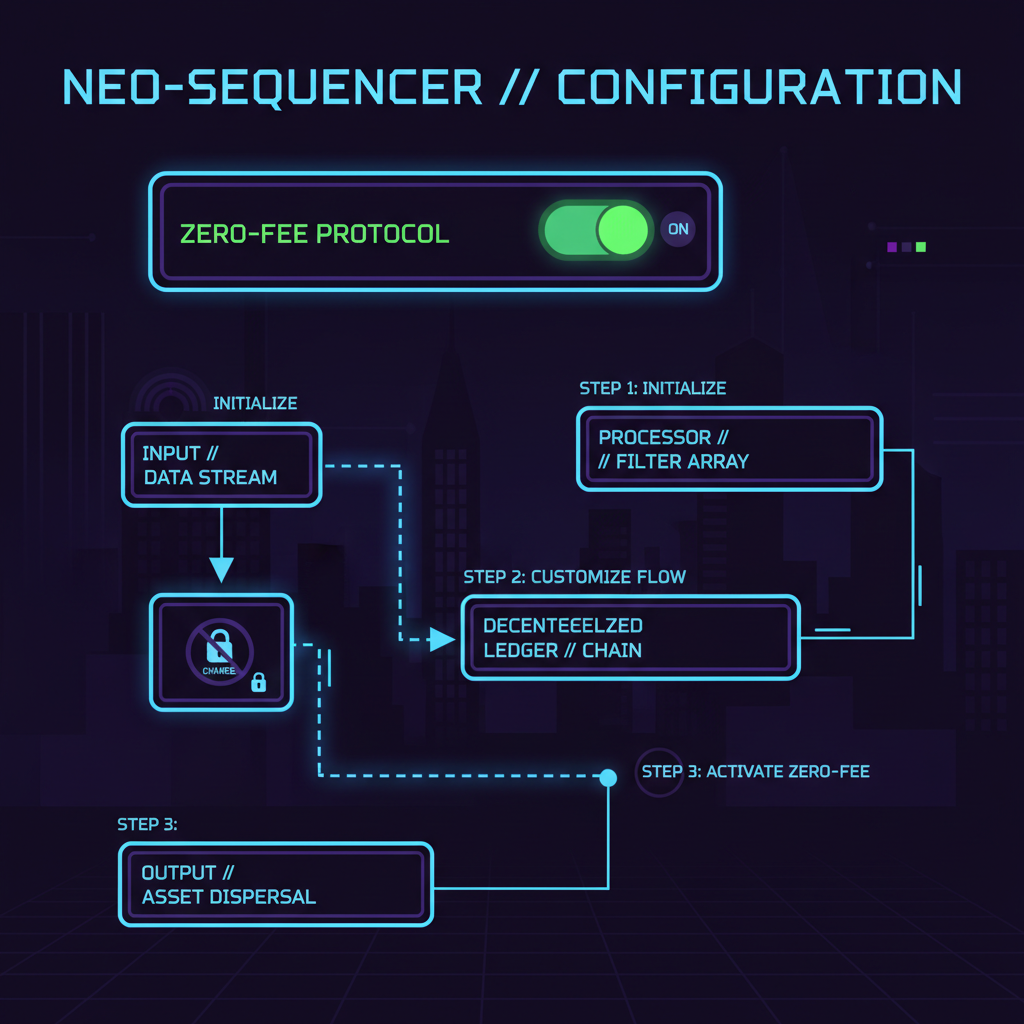
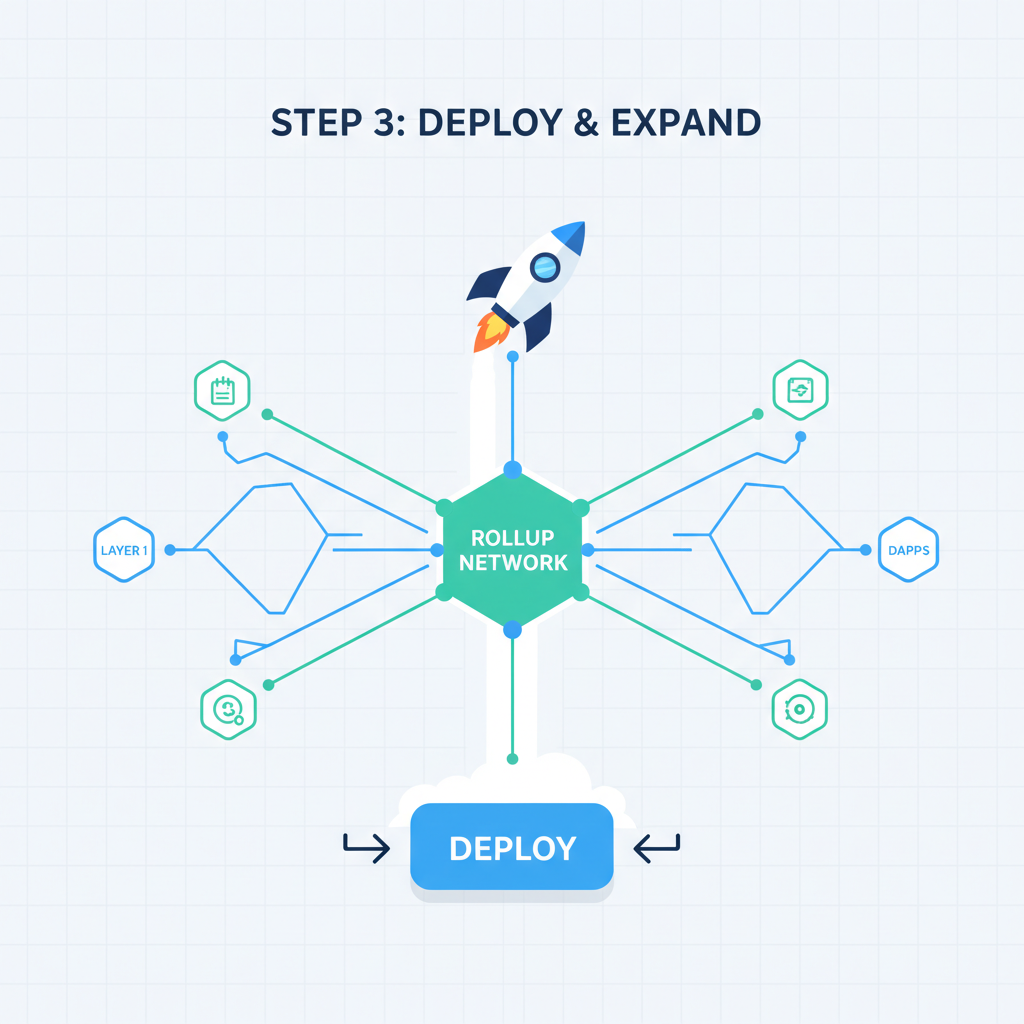
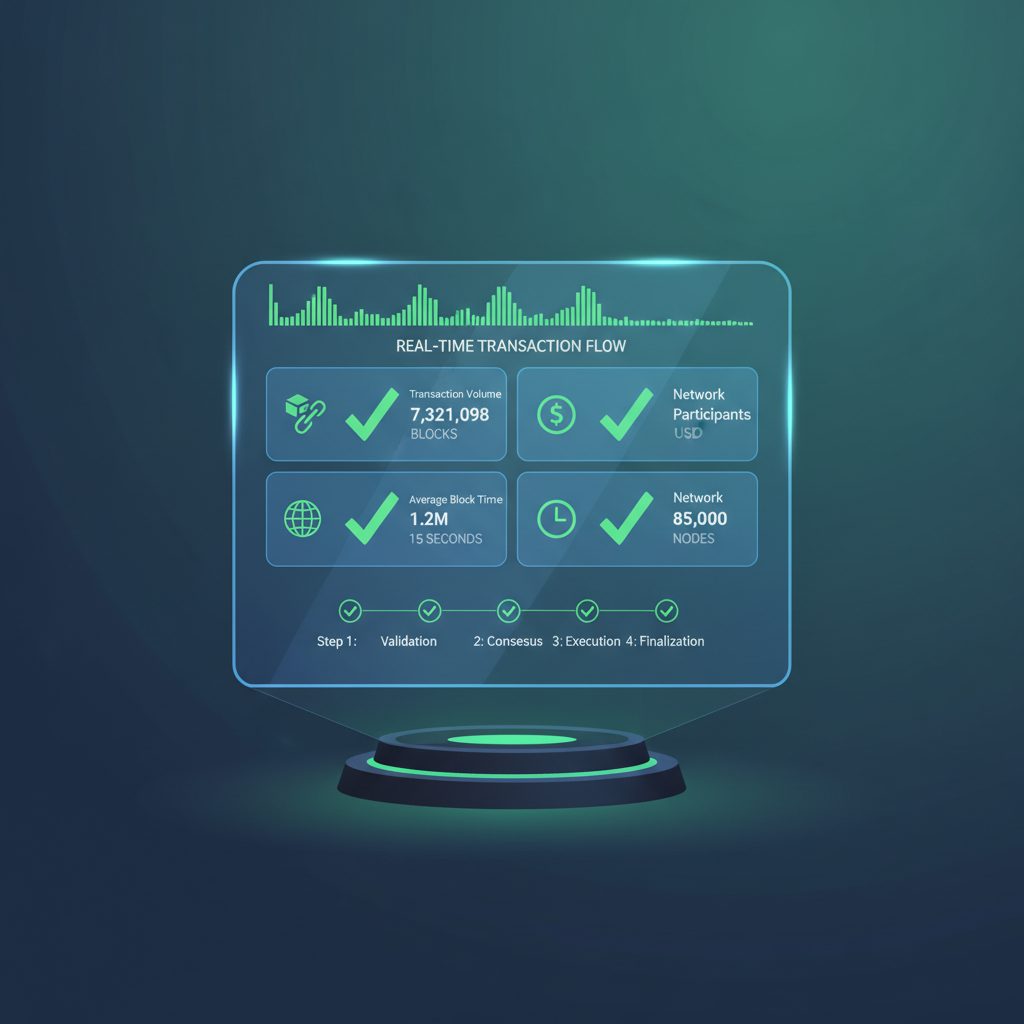
This process, honed through Alchemy’s RaaS insights, typically spans days rather than months, contrasting traditional L1 launches. Once live, monitor sequencer performance to preempt bottlenecks, ensuring batches post reliably to Ethereum despite its $2,018.61 price anchoring secure finality.
Best Practices Checklist for Optimizing Rollup Economics
Maintaining rollup zero fee structures over time hinges on proactive governance. I’ve advised teams to embed fee market flexibility from day one, allowing dynamic adjustments via on-chain votes. Hardware choices matter too; ChainScore’s vision of specialized nodes suggests investing in GPU-optimized setups for ZK proving, slashing long-term costs.
From my vantage in traditional finance, this mirrors portfolio diversification: don’t concentrate risks in a single sequencer or revenue stream. QuickNode’s tailored solutions exemplify high-performance customization, while Caldera’s instant rollups suit rapid prototyping. Polygon CDK’s ZK focus equips chains for privacy-sensitive apps, blending sovereignty with Ethereum security.
Economically, zero-fee nodes reshape incentives. Sequencers, as Cube Exchange elucidates, batch transactions efficiently, but in app-chains, they thrive on predictable subsidies rather than volatile bids. This stability attracts dApps underserved by high-fee L1s, from DeFi protocols to NFT marketplaces. GetBlock. io underscores RPC accessibility, vital for developer velocity. As rollups propel Web3 toward billion-user scale, per Instanodes, optimizing app-chain costs becomes non-negotiable for competitive edges.
The Investment Case for Zero-Fee Infrastructure
Fundamentally, custom app-chains with zero-fee nodes represent a conservative bet on blockchain maturity. Ethereum’s steady $2,018.61 price, after touching a 24-hour low of $1,878.29 and high of $2,047.75, signals reduced volatility, bolstering L2 confidence. Investors should eye RaaS providers like Zeeve, whose enterprise-grade platforms support L1 to L3 deployments, fostering recurring revenue from managed services.
Orbis86’s modular blockchain thesis rings true: app-chains supplant general-purpose chains, much like specialized ETFs outperform broad indices in niches. Arbitrum Orbit and zkSync stacks enable stackable sovereignty, while OP Stack’s ecosystem maturity eases migrations. Challenges like proof generation costs are waning with hardware advances, per ChainScore, promising sub-cent transactions at scale.
Practitioners gain most by experimenting iteratively. Start small with testnets, validate fee models under load, then scale. This measured approach, rooted in macroeconomic prudence, positions projects for endurance amid cycles. As specialized fee markets evolve, they not only cut costs but cultivate ecosystems where utility drives value, independent of speculation. The app-chain era, powered by zero-fee innovations, equips builders to navigate Ethereum’s thriving L2 landscape with foresight and efficiency.
About the Author