
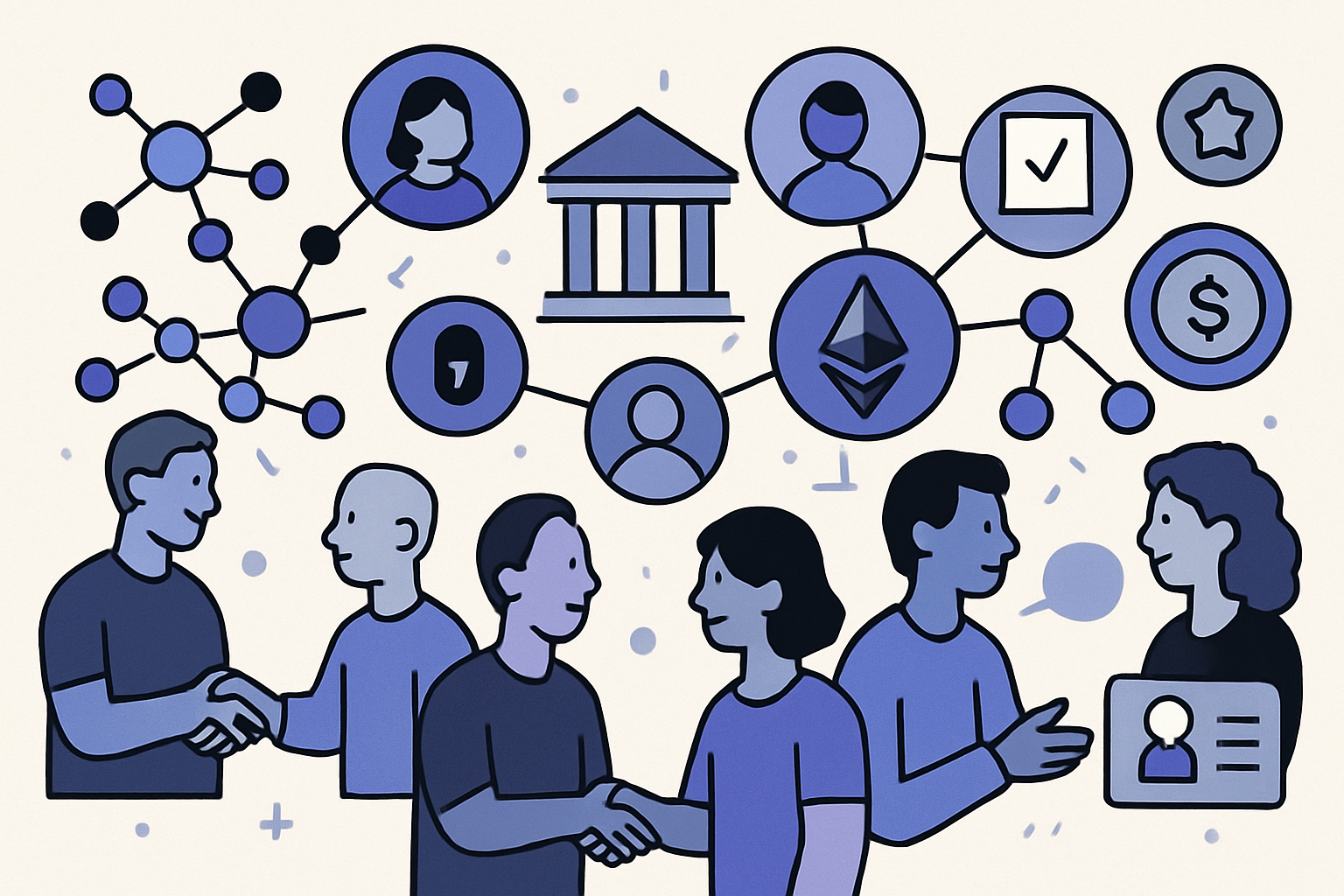
Liquidity fragmentation has long been the Achilles’ heel of the modular blockchain ecosystem, especially as custom app-chains and rollups proliferate. In 2025, we’re witnessing an inflection point: new cross-rollup liquidity solutions are actively dissolving the barriers that once siloed assets and users. This evolution is not just technical – it is fundamentally reshaping how developers, traders, and liquidity providers engage with decentralized finance across specialized fee markets.

Why Liquidity Fragmentation Persists in App-Chain Architectures
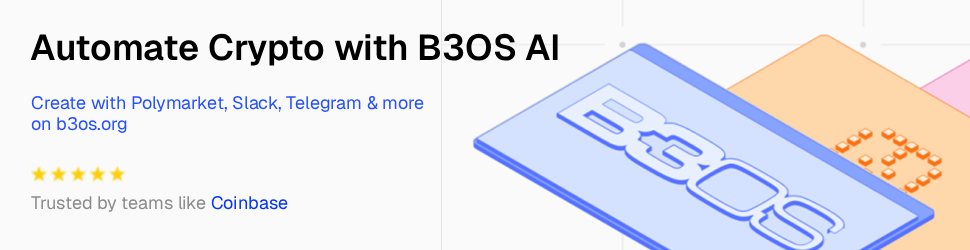
As custom app-chains and rollups have exploded in number, each optimized for specific use cases or economic models, liquidity has become increasingly scattered. The result? Price inefficiencies emerge as identical tokens trade at different rates on separate chains. Slippage increases, capital becomes less efficient, and DeFi protocols struggle to deliver seamless experiences. For builders leveraging frameworks like OP Stack, Arbitrum Orbit, ZKsync Hyperchain, or Polygon CDK, the challenge is acute: how do you attract users if every swap or loan requires bridging assets and paying unpredictable fees?
This fragmentation is more than a UX headache. It directly impacts protocol revenues and user retention by making cross-chain composability difficult and introducing friction at every step of the transaction lifecycle.
The 2025 Solution Set: Cross-Rollup Liquidity Protocols
The leading edge of interoperability is now defined by cross-rollup liquidity mechanisms that aggregate assets from disparate chains into unified pools or enable atomic swaps without requiring assets to leave their origin environments.
- Unified Liquidity Pools: Protocols like ZKSwap 4.0 use zero-knowledge proofs to maintain a single source of truth for liquidity across multiple blockchains. This means traders can access deep pools regardless of which rollup their assets reside on.
- Cross-Chain Aggregators: Platforms such as LI. FI and Rango Exchange pull liquidity from various sources simultaneously. Users executing trades benefit from better pricing as orders are routed through the most liquid venues available in real time.
- Shared Sequencers: Perhaps the most pivotal innovation, shared sequencers offer a decentralized layer for transaction ordering that multiple rollups can tap into at once. They enable atomic transactions spanning several app-chains without moving assets through bridges or wrappers – a key leap for true modular composability.
The Role of Shared Sequencers in Unifying Fee Markets
Shared sequencers are rapidly becoming essential infrastructure for custom app-chains aiming to solve rollup fragmentation. Unlike isolated sequencing models where each rollup independently orders transactions (leading to possible MEV extraction and inconsistent user experience), shared sequencers provide a common transaction ordering layer accessible by multiple L2s simultaneously.
This architecture does more than streamline asset flows: it allows for synchronized fee markets. Developers can design specialized fee structures that reflect real-time demand across all connected chains rather than being limited by local chain activity alone. For users, this translates into lower execution costs and more predictable slippage – critical advantages in volatile DeFi environments.
If you’re interested in deeper technical analysis on building cross-chain dApps without fragmentation using these new interoperability primitives, see this resource: Abstract Rollup Interoperability: Building Cross-Chain DApps Without Fragmentation.
These advances are not only theoretical but are being validated in production environments. For example, intent-based routing protocols like Across have demonstrated the ability to transfer liquidity across Ethereum rollups with minimal overhead. By leveraging verifiable messaging and atomic execution, users can move assets between app-chains efficiently, sidestepping the delays and risks typical of legacy bridges. This marks a paradigm shift for DeFi platforms that previously had to maintain fragmented liquidity or endure costly bridging operations.
Additionally, aggregated rollups and solutions like AggLayer are enabling sovereign chains to securely interoperate while maintaining their own consensus and economic policies. This flexibility is crucial for enterprise adoption, allowing businesses to deploy custom rollups without losing access to global liquidity or composability with the broader Ethereum ecosystem.
Key Benefits for DeFi Builders and Liquidity Providers
For protocol architects and liquidity providers, cross-rollup liquidity frameworks unlock several practical advantages:
Top Benefits of Cross-Rollup Liquidity for DeFi in 2025
-

Unified Liquidity Pools: Protocols like ZKSwap 4.0 and UniSync leverage zero-knowledge proofs to create unified liquidity pools, enabling seamless access to deep liquidity across multiple blockchains. This reduces transaction costs and improves price stability for DeFi users.
-
Cross-Chain Liquidity Aggregators: Platforms such as LI.FI and Rango Exchange aggregate liquidity from various chains, allowing users to execute trades with optimal pricing and minimal slippage by sourcing liquidity from multiple networks simultaneously.
-
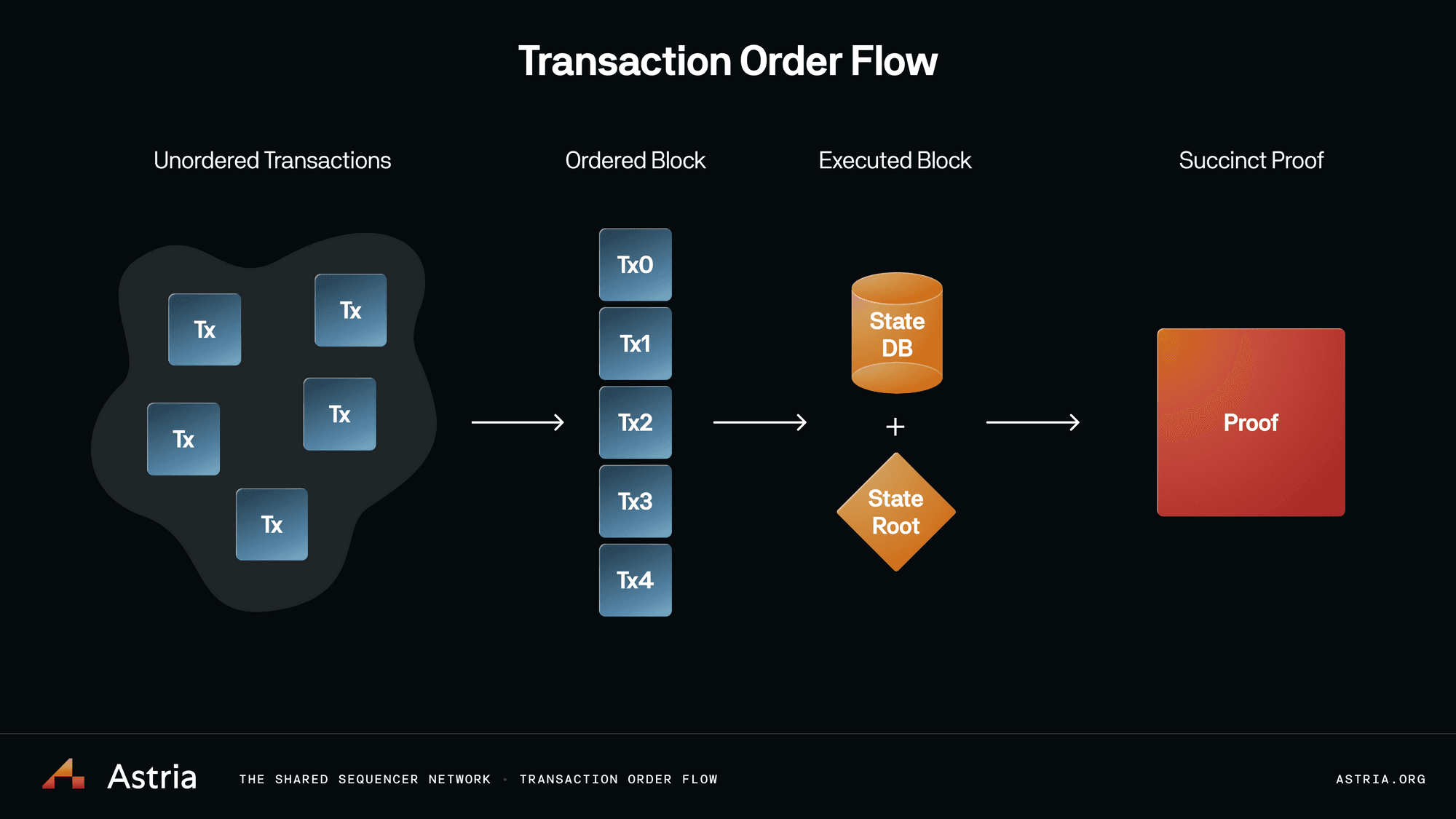
Shared Sequencers: Shared sequencing protocols coordinate transaction ordering across several rollups, enabling atomic cross-rollup transactions and shared state. This innovation, exemplified by emerging shared sequencer networks, enhances composability and reduces liquidity silos.
-
Aggregated Rollups: Aggregated rollup solutions combine assets from multiple layer-2 environments, unlocking new DeFi strategies and improving capital efficiency by increasing swap depth and composability.
-
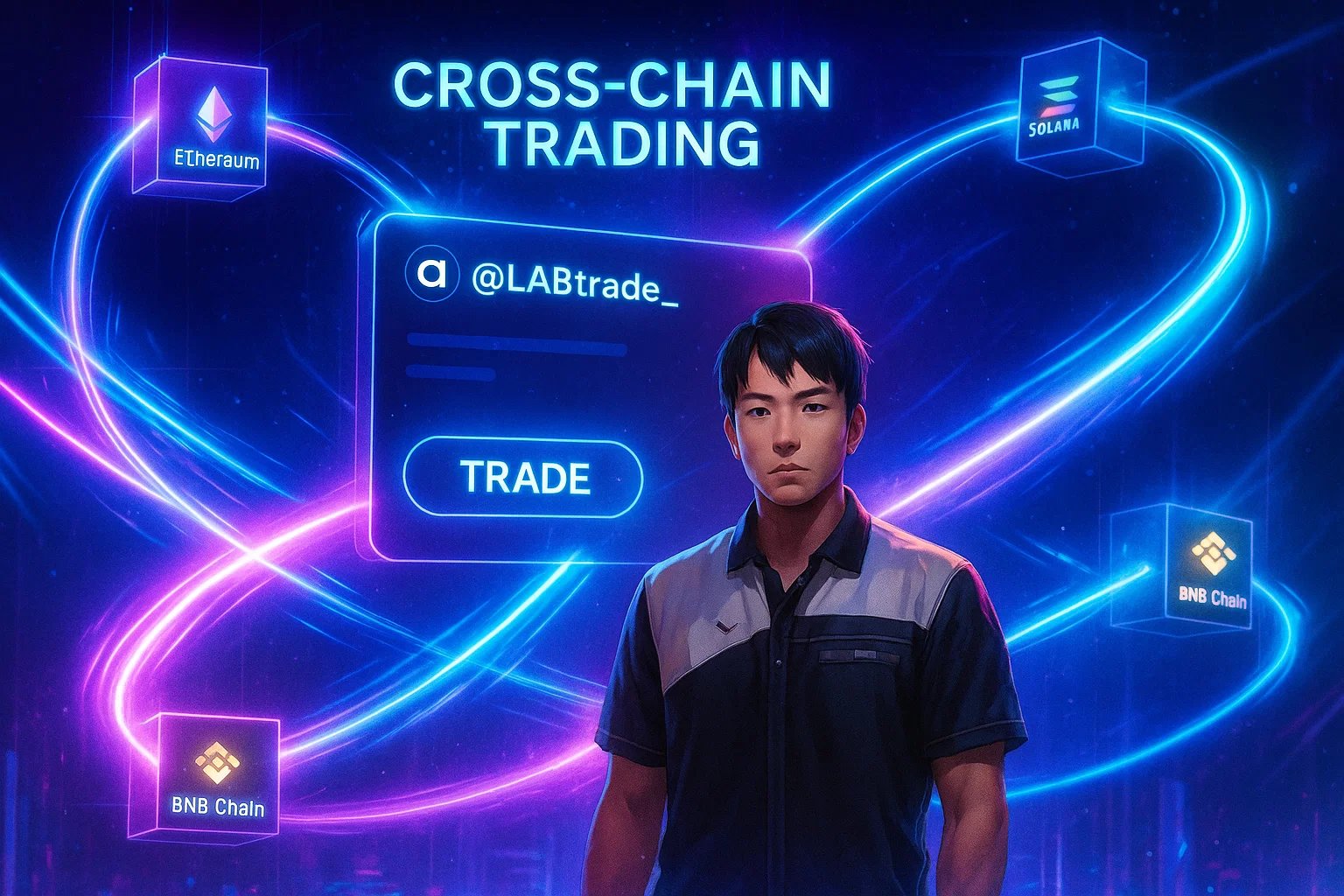
Improved User Experience: Cross-rollup liquidity allows users to interact with decentralized applications without worrying about which chain they’re on, as liquidity is accessible across platforms—streamlining onboarding and daily use.
-
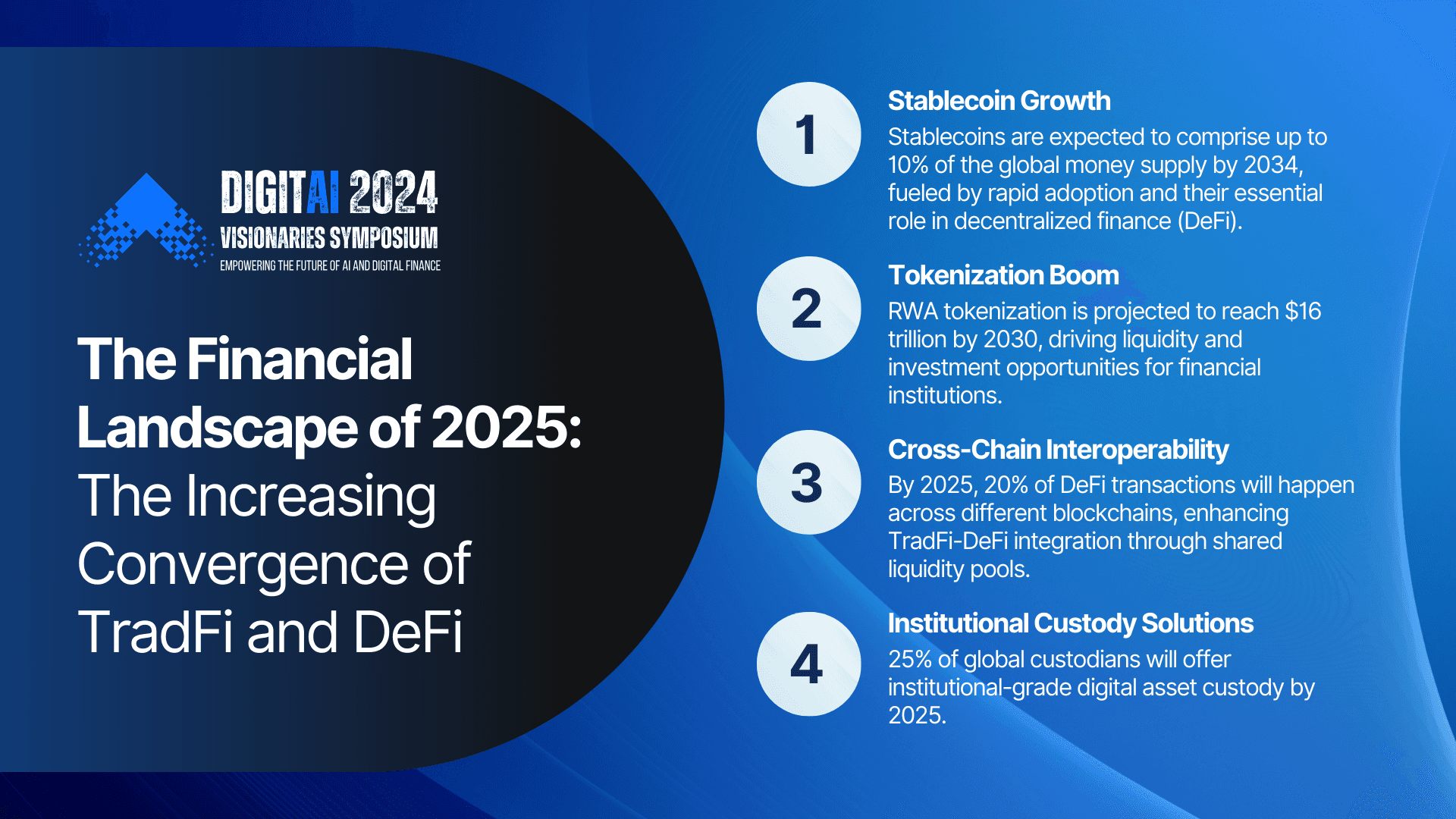
Accelerated Ecosystem Growth: By lowering barriers to entry for both users and developers, cross-rollup liquidity solutions foster rapid innovation and broader adoption of custom app-chains within the DeFi ecosystem.
1. Capital Efficiency: Unified pools mean LPs no longer have to split capital across multiple chains, maximizing yield opportunities while minimizing idle assets.
2. Reduced Slippage: Aggregated order flow deepens available liquidity on every participating chain, dramatically reducing slippage even during high volatility.
3. Composability: Developers can compose dApps across modular blockchains without worrying about isolated state or cumbersome bridging logic.
4. Fee Market Optimization: Shared sequencers allow for dynamic fee structures that reflect aggregate demand, leading to more efficient price discovery and fairer transaction prioritization.
Challenges Ahead: Security, Latency, and Economic Alignment
No solution is without tradeoffs. As cross-rollup infrastructure matures, several challenges merit attention:
- Security Risks: Unified pools and shared sequencing increase the attack surface; robust cryptographic guarantees and circuit audits are essential.
- Latency Tradeoffs: Cross-chain atomicity introduces latency due to additional coordination steps, which could impact high-frequency use cases.
- Economic Alignment: Incentivizing sequencers and validators across multiple ecosystems requires careful design of reward mechanisms to prevent rent-seeking or collusion.
The most successful protocols will be those that transparently address these issues while maintaining a seamless user experience. Expect continued iteration on fee models, security primitives (like ZK proofs), and governance frameworks as the market tests these new paradigms at scale.
What’s Next? The Roadmap for Modular Blockchain Interoperability
The convergence of cross-rollup liquidity protocols with specialized fee markets is rapidly redefining what’s possible for custom app-chains in 2025. As frameworks like OP Stack and Polygon CDK integrate native support for shared sequencers and unified pools, expect user expectations around capital efficiency and composability to rise accordingly.
The next wave of innovation will likely focus on further abstracting away chain boundaries entirely, enabling dApps where users interact with any asset or protocol regardless of its underlying chain architecture. For developers building in this environment, mastery over these new interoperability primitives will be a competitive necessity rather than a luxury.
If you’re architecting a next-generation DeFi protocol or exploring modular blockchain deployments with custom fee structures, now is the time to experiment with cross-rollup liquidity solutions. The fragmentation problem isn’t solved overnight, but as we move toward unified networks where capital flows freely between specialized chains, the future of decentralized finance looks more resilient than ever before.
About the Author