Define your chain requirements
Build Custom App Chains works best as a sequence, not a scramble through settings. Do the minimum first: confirm compatibility, connect the core hardware, update only when needed, and test the result before adding optional features. That order keeps the task understandable and makes failures easier to isolate. After each step, pause long enough for the interface to finish syncing. Many setup problems are timing problems disguised as configuration problems. If the same step fails twice, record the exact error, restart the smallest affected piece, and retry before moving deeper.
The simplest way to use this section is to keep the setup small, verify each change, and record the stable configuration before adding optional accessories.
Choose the right development framework
Selecting a framework dictates your stack, security model, and upgrade path. In 2026, the market splits between general-purpose modular frameworks and specialized rollup solutions. Your choice depends on whether you need deep customization or rapid deployment.
| Framework | Language | Consensus | Interoperability |
|---|---|---|---|
| Cosmos SDK | Go | Tendermint BFT | IBC |
| Substrate | Rust | Finality Grandpa | XCM |
| Avalanche Subnets | Go | Avalanche Consensus | C-Chain |
| Polygon zkEVM | Solidity | Plasma/ZK | Polygon CDK |
Cosmos SDK and Substrate offer the highest degree of control. They require you to define consensus and state transition logic from the ground up. This approach suits teams with strong engineering resources who need specific economic models or governance structures.
Polygon zkEVM and Avalanche Subnets prioritize compatibility. They allow you to deploy existing Ethereum tooling and smart contracts with minimal refactoring. These options reduce development time but may introduce constraints related to the underlying execution environment.
Evaluate your team's expertise before committing. A mismatch between your current skills and the framework's language can delay launch by months. If your team knows Solidity, a zkEVM solution is the logical starting point. For complex state machines, Rust or Go frameworks provide the necessary flexibility.
- Secure development environment
- Essential reading for 2026

As an Amazon Associate, we may earn from qualifying purchases.
Set up the node infrastructure
Before configuring consensus or deploying smart contracts, you must establish a reliable node backbone. This foundation determines whether your custom app chain can scale or if it will collapse under load. The setup process focuses on provisioning infrastructure that supports your specific throughput requirements.
Start by selecting server locations that minimize latency for your primary user base. For high-stakes applications, avoid shared hosting environments. Use dedicated bare-metal servers or isolated virtual private clouds (VPCs) to ensure consistent block production times. This step is critical for maintaining the reliability of your custom app chain from day one.

The genesis block defines the initial state of your chain. You must explicitly define the initial validators, token distribution, and initial governance parameters. Errors here are immutable; if you misconfigure the initial supply or validator set, you cannot fix it without a hard fork. Double-check all JSON configurations against your intended economic model before initializing the network.
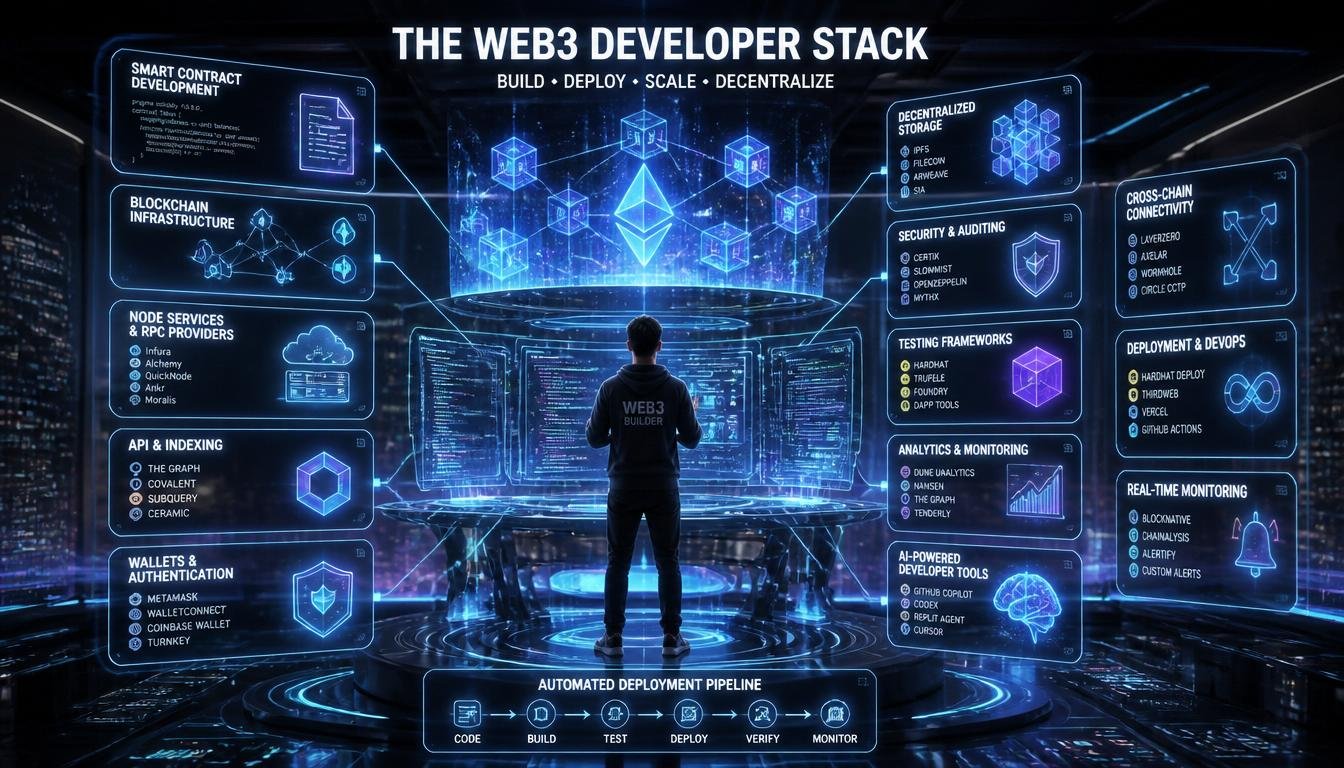
Download the specific binary for your chosen consensus engine (e.g., Tendermint, BFT, or Raft). Verify the cryptographic signatures of the binary to prevent supply chain attacks. Run a local testnet simulation using your genesis configuration to ensure the node starts correctly and can propose blocks without crashing.
Visibility is your first line of defense. Integrate Prometheus and Grafana to track block height, transaction latency, and node health. Set up alerts for missed blocks or high memory usage. If a validator goes offline, you need to know immediately so you can failover to a backup node before your custom app chain suffers a consensus halt.
Implement security and governance
Securing a custom app chain requires a dual approach: hardening the infrastructure and defining clear governance rules. Without these foundations, the chain is vulnerable to exploits and internal disputes.
Harden the infrastructure
Start by securing the node infrastructure. Use multi-signature wallets for treasury management and require hardware security modules (HSMs) for validator keys. Implement rate limiting and DDoS protection at the network edge to prevent service disruption.
Next, audit the consensus and execution layers. Use formal verification tools to check the correctness of your smart contracts and validator logic. Regular third-party audits are essential before mainnet launch. Treat security as an ongoing process, not a one-time checklist.
Define governance models
Governance determines how the chain evolves. Choose between on-chain governance, where token holders vote on upgrades, or off-chain governance, where developers and core teams make decisions. On-chain models offer transparency but can be slow; off-chain models are faster but risk centralization.
Document the upgrade process clearly. Establish a timelock mechanism to give users time to react to proposed changes. This prevents sudden, disruptive updates and builds trust with the community.
-
Audit all smart contracts with a reputable firm
-
Configure multi-sig wallets for treasury access
-
Set up DDoS protection for public RPC endpoints
-
Define clear on-chain or off-chain governance rules
-
Implement timelocks for protocol upgrades
Deploy and monitor performance
Building the chain is only half the work. Getting it live and keeping it stable requires a disciplined rollout. You move from local testing to a testnet, then to mainnet, all while watching key metrics.
Before touching mainnet, deploy your chain on a dedicated subnet or testnet. This isolates your app-specific rules from the main network’s congestion. It allows you to validate consensus and transaction finality without risking real assets.

Roll out your custom app chain in phases. Start with a limited node set to verify stability under load. Gradually open access to more validators. This controlled release helps catch configuration errors before they scale.
Once live, you must track performance continuously. Use off-chain monitoring tools to watch block times, gas fees, and node health. If your chain relies on a specific substrate or cosmos-sdk setup, ensure your dashboards reflect the unique metrics of your app-specific chain.
App chains need a clear path for upgrades. Define how you will propose and vote on protocol changes. Without a structured governance model, your chain can stall. Regular updates ensure your custom subnet architecture remains secure and efficient as user demand grows.
The goal is a chain that runs itself. By testing thoroughly and monitoring closely, you ensure your custom app chain remains a reliable foundation for your users.
Common app chain development: what to check next
Developing a custom app chain involves distinct cost drivers and technical trade-offs compared to deploying on existing public networks. Understanding these variables early helps teams budget accurately and select the right infrastructure.
How much do custom app chains cost?
Costs vary significantly based on the framework used. Building on modular stacks like Cosmos SDK or Polygon CDK often requires lower upfront infrastructure fees but demands higher engineering overhead for consensus and networking. Alternatively, using App Chain-as-a-Service (CAAS) providers like Chainstack or Alchemy shifts costs toward predictable monthly subscriptions, reducing initial capital expenditure. Typical monthly costs range from $500 for basic testnets to $5,000+ for mainnet nodes with high availability, excluding developer salaries.
What are the best apps to build in 2026?
The most viable candidates for app chains are applications requiring specific economic models, high throughput, or strict data sovereignty. DeFi protocols with complex tokenomics, gaming platforms needing low-latency state management, and enterprise supply chain trackers benefit most. If your app can function adequately on a Layer 2 or shared L1, an app chain may be unnecessary complexity. Reserve dedicated chains for workloads where isolation and customizability provide a clear competitive advantage.
How to build an app chain in 2026?
The standard workflow begins with defining the application’s state and consensus requirements. Next, select a framework such as Cosmos SDK, Substrate, or a modular L1 builder. Configure validators, tokenomics, and governance parameters. Finally, deploy the chain, integrate your frontend, and establish node infrastructure. Tools like Ignite CLI or Hardhat plugins streamline the initial setup, while monitoring tools like Tendermint Explorer or Etherscan clones ensure ongoing stability.
No comments yet. Be the first to share your thoughts!