

Custom fee markets are rapidly becoming the backbone of scalable, efficient application-specific rollups. As teams shift away from one-size-fits-all blockspace, the ability to tune fee dynamics for unique economic models is now a critical edge. Whether you’re building a DeFi protocol seeking ultra-low latency or an NFT platform prioritizing affordability, designing a tailored fee market can unlock both user satisfaction and sustainable revenue.
Let’s break down the five most actionable strategies for crafting specialized fee structures that match your app-chain’s DNA, and get ahead of the pack in 2025’s fiercely competitive blockchain landscape.
1. Implement Dynamic Fee Adjustment Algorithms Based on Network Demand
The days of static gas schedules are over. Modern application-specific rollups rely on dynamic algorithms that constantly calibrate fees in response to real-time network congestion and demand spikes. This approach ensures optimal resource allocation and prevents bottlenecks during peak usage. By tracking metrics like transaction volume, mempool depth, and L1 data availability costs, your rollup can automatically raise or lower base fees, keeping the network fluid while maximizing economic efficiency.
For example, integrating a mechanism similar to Ethereum's EIP-1559 allows for predictable base fee adjustments and even supports burning a portion of fees to align incentives across stakeholders.
2. Introduce App-Specific Token Utility and Fee Payment Options
Rollups don’t need to be tethered to ETH or generic gas tokens. By enabling your own ERC-20 as the native gas token, provided it meets certain technical criteria, you unlock powerful new levers for tokenomics design. This not only drives demand for your app’s token but also creates direct cash flows that can be reinvested into ecosystem growth or distributed as rewards.
Deploying a fee token pricer contract lets users pay fees in your custom asset while maintaining accurate exchange rates with the parent chain’s native currency. This flexibility is especially valuable for gaming, loyalty platforms, or any dApp seeking deep integration between utility and payment rails.
3. Enable Multi-Tiered Fee Structures for Distinct User Segments or Transaction Types
Differentiated service levels are no longer exclusive to TradFi or Web2 SaaS, now they’re essential in blockchain UX too. Implementing multi-tiered fee structures allows power users (like arbitrage bots) to pay premiums for instant execution while regular users enjoy cost savings on non-urgent transfers.
Comparison of Priority Fee Tiers in Custom Rollup Fee Markets
| Priority Level | Max Wait Time | Fee Multiplier | Typical Use Case |
|---|---|---|---|
| Ultra | Immediate | 5.0x base | DEX trades, liquidations |
| High | 10 seconds | 2.0x base | Token swaps, NFT purchases |
| Standard | 30 seconds | 1.0x base | Regular transfers, minting |
| Economy | 2 minutes | 0.5x base | Non-time-sensitive operations |
This structure empowers users to self-select based on urgency and budget, reducing friction and eliminating unpredictable bidding wars. For more details on how to architect these tiers within your custom app-chain, explore our technical guide at this link.
The Competitive Edge: Specialized Fee Markets in Action
The rise of Rollups-as-a-Service (RaaS) platforms means you don’t need an army of protocol engineers to deploy these features, providers like Zeeve let you customize everything from data availability layers to priority tiers out-of-the-box. But even with RaaS convenience, understanding how each strategy impacts your app’s economics is vital for long-term success.
4. Incorporate MEV-Resistant Fee Models to Enhance Fairness and Security
As application-specific rollups mature, Mitigating Miner Extractable Value (MEV) becomes a top priority. Traditional fee markets often leave users exposed to sandwich attacks, frontrunning, and other value-extractive tactics by block producers. By integrating MEV-resistant mechanisms, such as sealed-bid auctions for transaction ordering or privacy-preserving mempools, you not only protect end-users but also foster a fairer ecosystem where all participants can transact on equal footing.
MEV resistance isn’t just about security; it’s about preserving the integrity of your fee market and ensuring your app-chain remains attractive to both retail and institutional users. Projects that proactively address MEV concerns are already seeing stronger user retention and more predictable revenue streams.
5. Integrate Cross-Rollup Fee Markets for Interoperable App-Chains
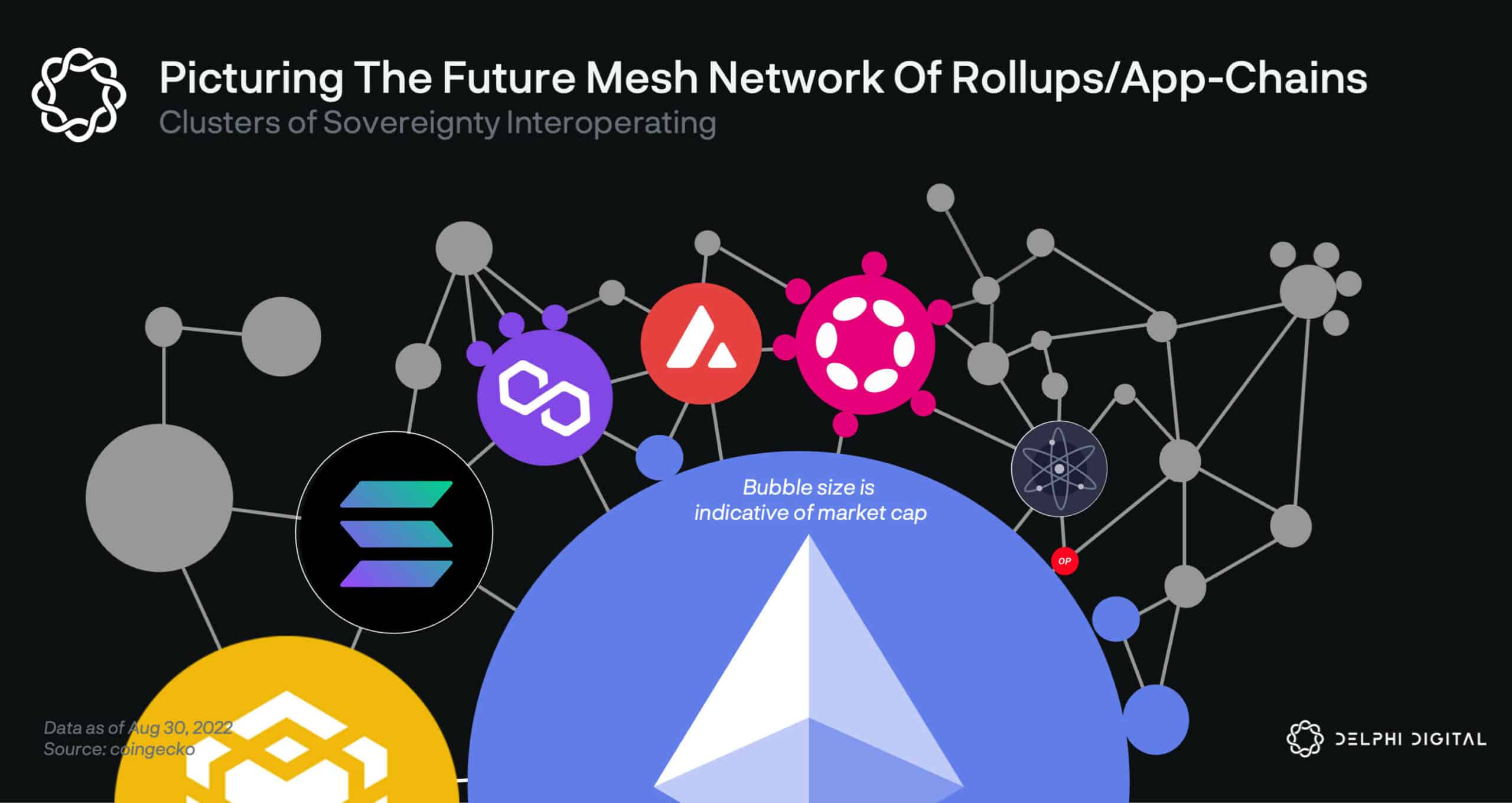
The next wave of blockchain scalability is all about interoperability. By connecting your fee market with others across the rollup ecosystem, you unlock seamless value transfer and shared liquidity between app-chains. Cross-rollup fee markets allow users to pay fees in one chain’s token while interacting with another, dramatically improving composability and reducing friction for cross-chain dApps.
This architecture is particularly compelling for DeFi protocols, gaming platforms, or marketplaces that span multiple rollups. It enables unified pricing models, facilitates arbitrage opportunities, and ensures that no single app-chain becomes a liquidity silo. For builders aiming at network effects, cross-rollup fee integration is the ultimate force multiplier.
Comparing Specialized Fee Market Strategies
Comparison of Five Actionable Strategies for Custom Fee Markets in Application-Specific Rollups
| Strategy | Description | Key Benefits | Potential Challenges | Example Use Case |
|---|---|---|---|---|
| Implement Dynamic Fee Adjustment Algorithms Based on Network Demand | Adjust fees automatically in response to real-time network congestion and resource usage. | Keeps fees efficient and responsive to demand; reduces congestion spikes. | Requires robust monitoring and algorithm design; risk of instability if misconfigured. | DEX rollup adjusting fees during trading surges. |
| Introduce App-Specific Token Utility and Fee Payment Options | Allow users to pay transaction fees in the application's native token, increasing its utility. | Boosts token demand and ecosystem engagement; flexible fee models. | Requires price oracles and exchange rate mechanisms; regulatory considerations. | NFT marketplace rollup using its own ERC-20 token for fees. |
| Enable Multi-Tiered Fee Structures for Distinct User Segments or Transaction Types | Offer different fee tiers based on user needs or transaction urgency (e.g., priority, standard, economy). | Improves user experience by letting users choose cost vs. speed; predictable costs. | Complexity in implementation and user education; risk of misaligned incentives. | Payment rollup offering ultra-fast and economy transaction options. |
| Incorporate MEV-Resistant Fee Models to Enhance Fairness and Security | Design fee mechanisms that minimize Miner Extractable Value (MEV) and prevent front-running. | Increases fairness and security; protects users from predatory practices. | Technical complexity; may reduce miner/infrastructure incentives. | DeFi rollup using randomized transaction ordering. |
| Integrate Cross-Rollup Fee Markets for Interoperable App-Chains | Allow fee markets to operate across multiple rollups, enabling seamless user experience and liquidity. | Facilitates interoperability; improves liquidity and user choice. | Coordination and technical integration challenges; security risks. | Gaming ecosystem enabling fee payments across several game rollups. |
- Dynamic Fee Adjustment: Maximizes efficiency during network spikes
- App-Specific Token Utility: Drives demand for native tokens and supports flexible payments
- Multi-Tiered Fees: Tailors UX for different user segments and use cases
- MEV Resistance: Protects users from predatory tactics and builds trust
- Cross-Rollup Markets: Boosts interoperability and composability across chains
If you’re ready to take your application-specific rollup to the next level with these advanced strategies, check out our deep dive on dynamic maker-taker models and more here.
Optimizing Your Custom Fee Market: Continuous Improvement Pays Off
The most successful teams don’t just set their fee market parameters once, they monitor performance metrics relentlessly and adjust as user behavior evolves. Leverage analytics dashboards to track transaction throughput, failed transactions due to underpriced fees, MEV extraction attempts, and the adoption rates of new payment options.
The competitive landscape will only intensify as more projects launch their own custom app-chains with specialized fee structures. Staying ahead means iterating quickly, listening to your community’s feedback, and never hesitating to experiment with new economic primitives or cross-chain integrations.
If you’re building in this space, or just want to see what’s possible when you break free from legacy gas models, now’s the time to lead by example. The future of blockchain scalability belongs to those who master custom fee markets tailored for their unique vision.




No comments yet. Be the first to share your thoughts!