Custom app-chains are rapidly redefining what's possible in blockchain development. Unlike general-purpose networks, these application-specific blockchains are tailored for the needs of a single application or ecosystem, giving developers an unprecedented level of control over performance, scalability, and, crucially, fee structures. The rise of specialized fee markets on custom app-chains is unlocking new economic models and unleashing use cases that simply aren't feasible on shared Layer 1 or even Layer 2 platforms.
Why Specialized Fee Markets Matter
At the core of this transformation is the ability for developers to design custom fee markets. On a traditional blockchain, transaction fees are set by global demand for blockspace, often resulting in unpredictable spikes and a subpar user experience. Custom app-chains flip this model on its head. By operating independently, they allow developers to:
- Select their own fee token(s), decoupling from volatile native coins
- Implement dynamic pricing mechanisms, such as congestion-based fees or tiered user subsidies
- Create fee-less experiences for targeted use cases like gaming or onboarding new users
- Pilot innovative economic models, including revenue sharing and loyalty rewards directly at the protocol level
This flexibility means that transaction costs can be made more predictable, stable, and aligned with each application's unique value proposition. For example, a DeFi protocol can subsidize transactions during periods of high volatility to retain traders, while a play-to-earn game might offer zero-fee NFT transfers to boost engagement.
Real-World Use Cases: From Gaming to Supply Chains
The impact of custom app-chains with specialized fee markets is already visible across several industries:
- Gaming: Platforms like Axie Infinity's Ronin chain have demonstrated how dedicated blockspace and low-cost transactions enable real-time asset trading and seamless NFT ownership transfers, features that simply don't scale on congested mainnets.
- DeFi: The dYdX exchange migrated from Ethereum Layer 1 to its own Cosmos-based chain to achieve higher throughput and lower latency. With control over its fee market, dYdX can now process thousands of trades per second without users worrying about unpredictable gas costs.
- Supply Chain Management: Enterprises are leveraging application-specific chains to track goods in real time with transparent audit trails and customizable transaction fees, crucial for industries where every cent counts.
This trend isn't limited to headline-grabbing projects; it's permeating everything from logistics automation to social platforms seeking scalable microtransactions. The common denominator? Developers are empowered to fine-tune cost structures for their users' needs rather than being beholden to one-size-fits-all network rules.
The Technical Backbone: Modular Blockchains and Dynamic Pricing Mechanisms
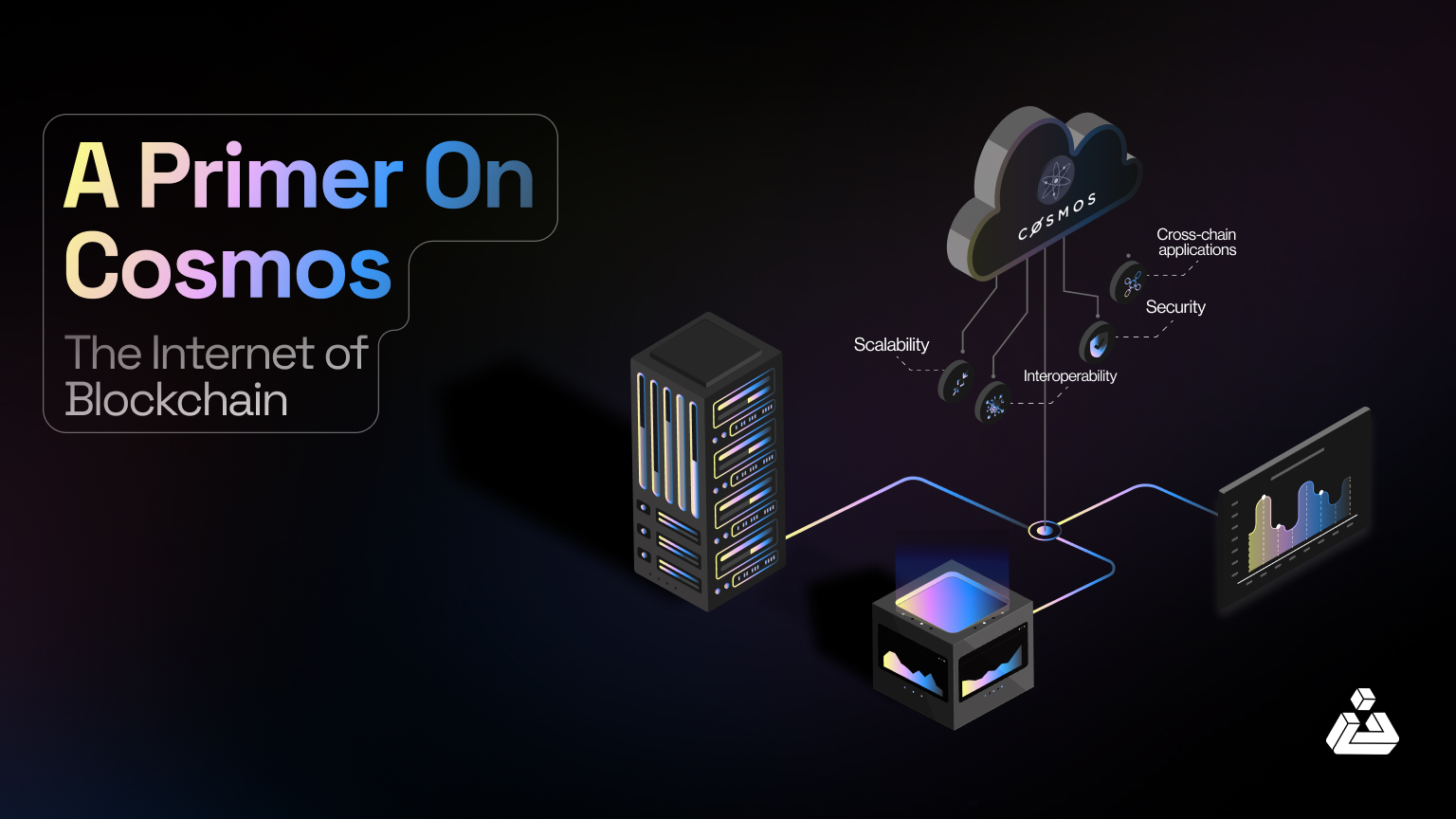
The engine behind these breakthroughs is the modular nature of modern blockchain frameworks. Tools like Cosmos SDK and Substrate let teams spin up new chains with plug-and-play consensus algorithms, permissioning layers, and, most importantly, bespoke fee modules. These modules support everything from static flat fees (ideal for simple dApps) to multidimensional pricing formulas that account for compute usage, data storage, or even off-chain oracle calls.
This modular approach also makes it easier to experiment with advanced features like congestion pricing or auction-based block inclusion, a far cry from the rigid gas models of early networks. As a result, both startups and enterprises can rapidly iterate on their economic designs without waiting for upstream protocol upgrades or risking network-wide disruptions.
If you're interested in technical deep dives on designing dynamic fee systems or want more real-world examples of successful deployments, check out our guides on scalable custom app-chains powered by dynamic fee markets.
As custom app-chains gain traction, the conversation is shifting from "Why build an application-specific blockchain?" to "How can we best leverage specialized fee markets to maximize value for users and developers alike?" The answer lies in the nuanced interplay between technical flexibility and economic creativity that only these chains can provide.
Unlocking New Economic Models
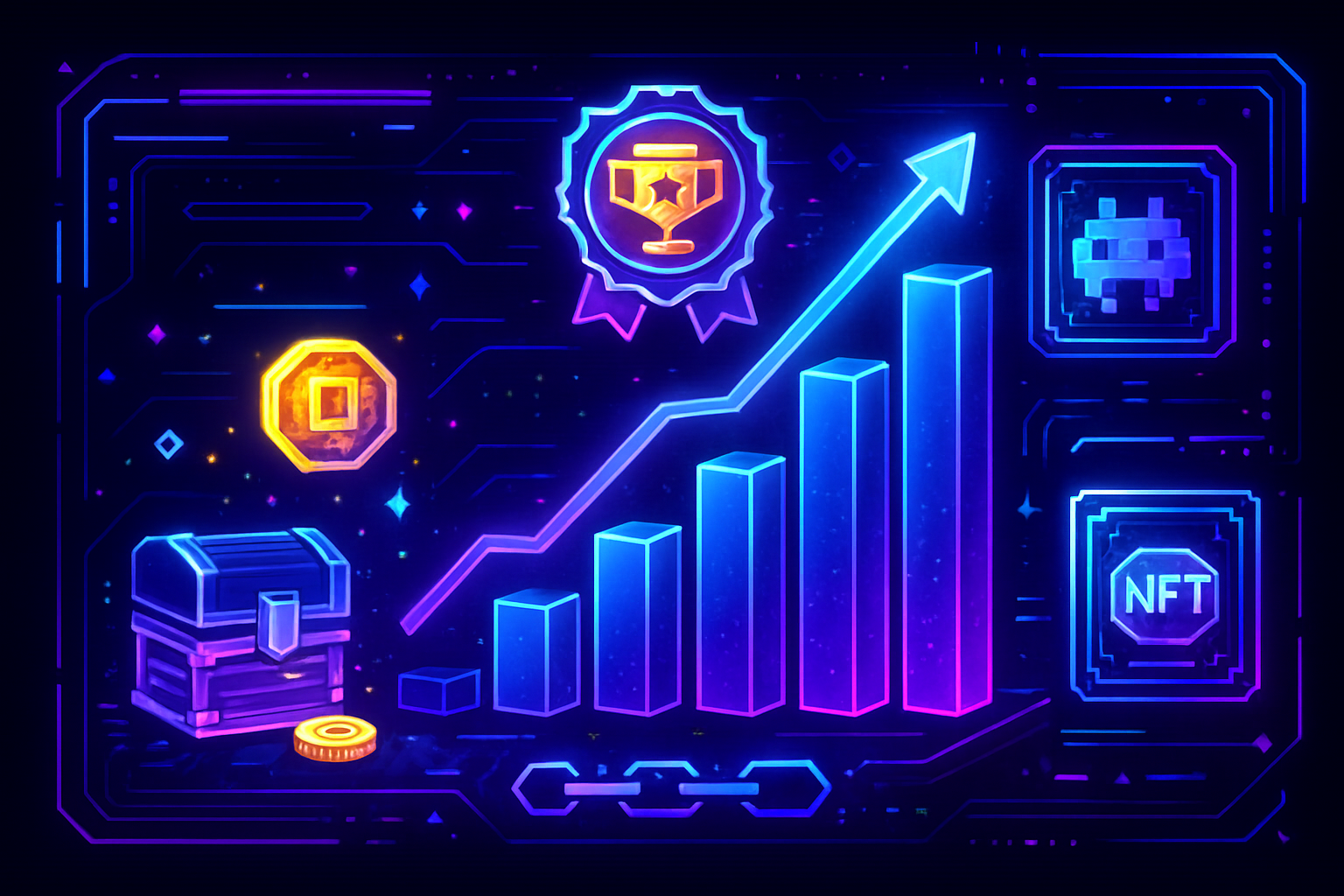
With full control over their own blockspace and fee logic, app-chain builders are pioneering models that simply aren't possible on shared infrastructure. For example, a decentralized exchange might implement a dynamic fee tier system that rewards high-volume traders with lower rates while subsidizing new users to encourage onboarding. In gaming, projects can experiment with zero-fee NFT transfers or bundle transaction costs into in-game purchases, removing friction from gameplay and asset ownership. These innovations are not just theoretical, they're already reshaping user expectations across Web3.
The ability to test, iterate, and deploy novel incentive mechanisms is also transforming how protocols approach sustainability. Instead of relying solely on speculative token appreciation, app-chains can introduce recurring revenue streams through subscription models, pay-per-use microtransactions, or even loyalty programs built directly into the protocol layer. This level of customization is driving a wave of experimentation that general-purpose chains simply can't match.
Unique App-Chain Use Cases Enabled by Specialized Fee Markets
- Fee-less Gaming Transactions: Axie Infinity's Ronin chain enables millions of players to trade NFTs and in-game assets with minimal or zero transaction fees, delivering a seamless gaming experience without network congestion.

- Dynamic DeFi Fees: dYdX's app-chain leverages customizable fee structures to support high-frequency trading, offering users lower, predictable fees and rapid order execution compared to general-purpose blockchains.
- Supply Chain Proof-of-Origin: VeChain uses specialized app-chains to track and authenticate products throughout the supply chain, ensuring transparency and trust with verifiable proof-of-origin for goods.

Interoperability and the Future of App-Chains
One common misconception is that application-specific chains inevitably lead to fragmentation. In reality, advances in blockchain interoperability: such as IBC (Inter-Blockchain Communication) in Cosmos or cross-chain bridges in Polkadot, are making it easier than ever for custom app-chains to connect with one another and with major Layer 1s. This means users can enjoy seamless asset transfers and unified experiences across ecosystems while still benefiting from the tailored economics of each chain.
Predictable costs, user-centric incentives, and composable infrastructure are setting the stage for a diverse landscape where every major application has its own optimized environment. As more teams recognize the power of specialized fee markets and modular design, we're likely to see an explosion of creativity, not just in DeFi or gaming but across verticals like social media, digital identity, and enterprise logistics.
Getting Started: Building Your Own Custom App-Chain
If you're considering launching your own application-specific blockchain or want to explore how dynamic fee structures could benefit your project, start by identifying your application's core requirements:
- User Experience: Do your users need instant transactions? Is cost predictability critical?
- Economic Model: Will you subsidize fees? Introduce tiered pricing? Use your own token?
- Ecosystem Integration: How will your chain interact with others? What interoperability standards will you support?
The answers will help guide your choice of framework (Cosmos SDK, Substrate), consensus mechanism (Proof-of-Stake vs Proof-of-Authority), and fee market design. For a step-by-step breakdown on implementing these features, from congestion pricing to multi-token support, see our technical guide on how dynamic fee markets supercharge custom app-chains.
The Road Ahead: Specialized Fee Markets as Industry Standard
The rise of custom app-chains marks a turning point for blockchain scalability and usability. By putting economic levers directly into developers' hands, and letting each protocol define its own rules, the ecosystem is moving beyond one-size-fits-all solutions toward a future where every application gets its ideal environment.
This shift isn't just about lowering costs or boosting throughput; it's about unleashing new forms of utility and engagement that were previously impossible. As more projects embrace modularity and specialized fee markets become industry standard, expect an acceleration in both technical innovation and real-world adoption across sectors.
If you're ready to dive deeper into designing your own custom economic model or want inspiration from other successful deployments, explore our resources on designing custom fee markets for application-specific blockchains. The next wave of blockchain innovation is here, and it's being built one specialized chain at a time.




No comments yet. Be the first to share your thoughts!