Get custom app chains 2026 right
Building a custom app chain is a capital-intensive commitment. Before writing code, you must define the exact scope of the chain and select the appropriate modular infrastructure. The decision to launch a dedicated blockchain or a sovereign rollup determines your technical debt, security model, and long-term operational costs. Rushing this phase leads to fragmented liquidity and insecure consensus layers.
Define the scope and consensus model
Start by clarifying whether the app requires a native token for security or if it can rely on a shared security model. If the application needs independent block production to guarantee finality, a sovereign rollup or L2 on an existing chain like Ethereum or Solana is the standard approach. For specialized use cases, consider Layer 3 architectures or application-specific blockchains built on frameworks like Cosmos SDK or Polkadot. This choice dictates your validator set and how you handle consensus.
Select the modular stack
Choose a stack that balances development speed with control. For high-throughput consumer apps, Solana or Base offer mature ecosystems and lower latency. For enterprise-grade security, Ethereum’s L2s provide the strongest settlement guarantees. Avoid building from scratch unless you have a dedicated security team. Instead, leverage existing frameworks that handle cross-chain messaging and bridge security, which are common failure points in early-stage projects.
Plan for interoperability
Interoperability is not optional in 2026. Your app chain must communicate with external chains and legacy systems. Integrate cross-chain messaging protocols early in the design phase. This prevents the need for complex, error-prone middleware later. Test your bridge mechanisms thoroughly, as cross-chain vulnerabilities remain the primary attack vector for new chains.
Budget for ongoing costs
Custom app chains require continuous funding for validator incentives, node infrastructure, and security audits. Unlike centralized apps, you are responsible for the entire stack’s uptime and security. Allocate 20-30% of your initial budget for post-launch maintenance and emergency response protocols. Underestimating these costs is the most common reason for chain stagnation.
Build Your Custom App Chain Step by Step
Building a custom app chain requires moving from abstract design to concrete infrastructure. You are not just writing code; you are provisioning a dedicated blockchain node tailored to your application’s throughput and privacy needs. This sequence guides you through the core technical steps, from selecting the right chain framework to validating your interoperability layer.
Start by choosing a modular blockchain framework. Cosmos SDK and Substrate are the industry standards for building independent chains that can communicate with others. Cosmos SDK offers a Rust-based environment with native IBC (Inter-Blockchain Communication) support, making it ideal for chains focused on interoperability. Substrate provides a flexible Rust framework that allows you to customize every consensus and runtime aspect. Evaluate these based on your team’s existing expertise and the specific consensus mechanisms your app requires.

Configure the consensus mechanism to match your application’s traffic patterns. High-frequency trading apps may benefit from HotStuff or BFT-based consensus for finality, while social apps might prioritize throughput over instant finality using Tendermint or PBFT. Define your state machine rules in the runtime layer, ensuring that your custom logic—such as tokenomics or governance rules—is tightly integrated. This step determines how quickly your chain processes transactions and how securely it validates state changes.

Integrate cross-chain messaging to enable your app chain to interact with external ecosystems. If using Cosmos SDK, enable IBC relayers to facilitate trustless transfers between your chain and the Cosmos Hub or other IBC-enabled chains. For Ethereum-compatible chains, consider building light client bridges or using rollup-specific messaging layers like OP Stack or Arbitrum Nitro. This step is critical for liquidity and user acquisition, as it allows your app to tap into broader Web3 networks without sacrificing sovereignty.

Set up the validator and full node infrastructure. You can use managed blockchain services like Ankr or QuickNode to reduce operational overhead, or host your own nodes on AWS or GCP for maximum control. Configure your nodes to handle the expected transaction volume, ensuring you have sufficient disk I/O and memory for state sync. Test the network with a local testnet first to identify bottlenecks in block production and state synchronization before going live.

Deploy your genesis block and launch the mainnet. Run a comprehensive validation suite to ensure that your consensus rules, smart contracts, and IBC relayers are functioning correctly. Monitor node health and transaction latency closely during the first 72 hours. Establish a clear upgrade path for runtime updates, as bugs or performance issues may require immediate patches. Once stable, your custom app chain is ready to support your dApp’s unique requirements.
Common Mistakes When Building Custom App Chains
Building a custom app chain requires precise architectural decisions. Deviating from established interoperability standards often leads to fragmented liquidity and high operational costs. The following errors frequently undermine project viability in 2026.
Ignoring Cross-Chain Security Models
Many teams treat their app chain as an isolated island rather than a node in a broader ecosystem. This oversight creates significant security gaps. When an app chain lacks robust bridge security or relies on centralized validators for cross-chain communication, it becomes a prime target for exploits. Properly integrating with established interoperability protocols like LayerZero or CCIP is not optional; it is a baseline requirement for secure asset movement.
Overcomplicating the Consensus Mechanism
Developers often select overly complex consensus algorithms that hinder transaction finality. A custom app chain should prioritize speed and cost-efficiency for its specific use case. If your application requires high throughput, choosing a heavyweight proof-of-stake variant designed for general-purpose security can bottleneck performance. Align your consensus layer with your actual user load expectations to avoid unnecessary latency.
Neglecting Gas Token Design
A frequent structural error is misaligning the gas token with the chain’s economic model. If your app chain uses a native token that is highly volatile or difficult to acquire, user friction increases dramatically. Consider using a stablecoin for gas fees or implementing a gas-sponsorship model for key user actions. This small adjustment significantly improves user onboarding and retention by removing the guesswork from transaction costs.
Custom app chains 2026: what to check next
Before committing to a custom app chain, clarify the technical and economic tradeoffs. These answers address the most common objections developers face in 2026.
Helpful gear
Use these product recommendations as a starting point, then choose the size, material, and price point that fit how you actually use the gear.

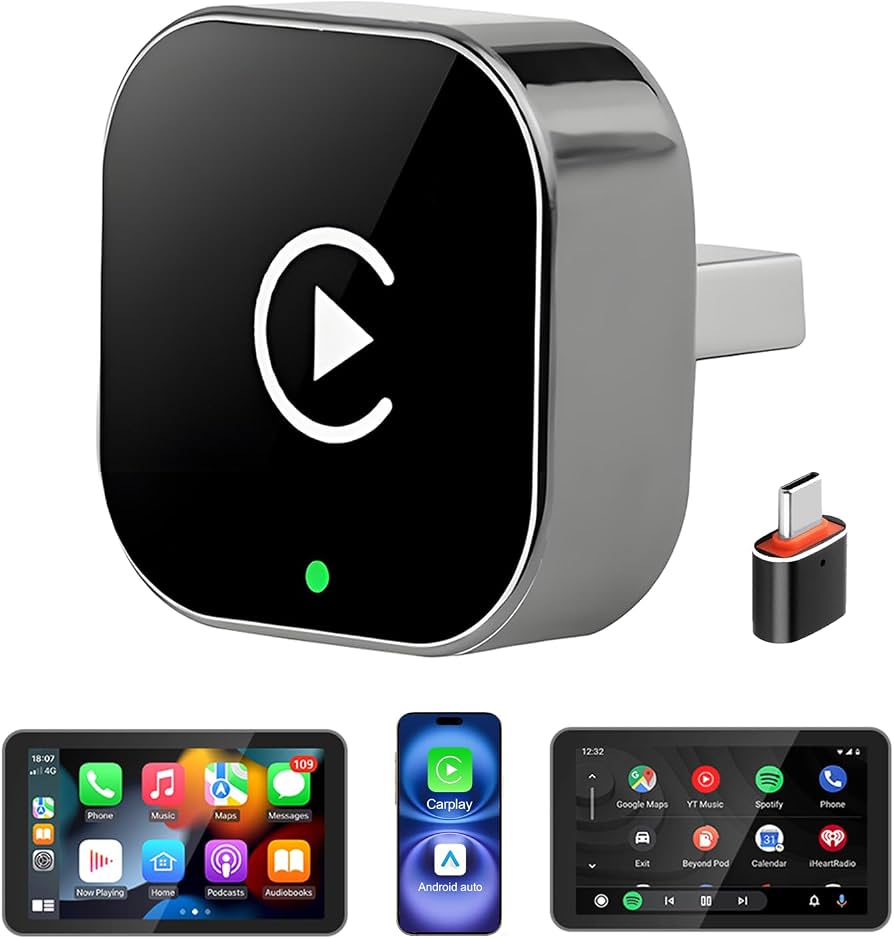
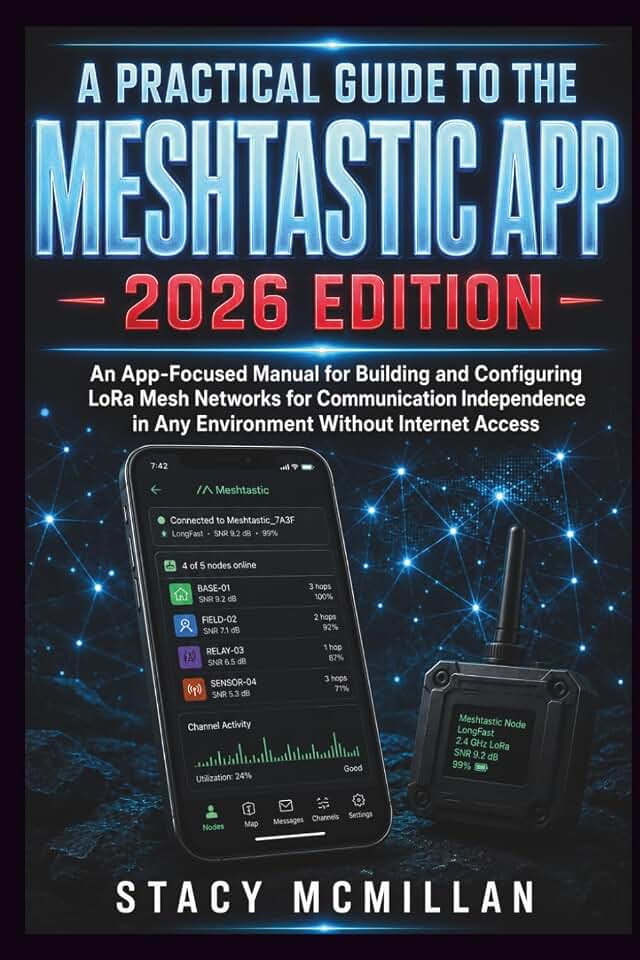
As an Amazon Associate, we may earn from qualifying purchases.
No comments yet. Be the first to share your thoughts!