
Custom app chains 2026 limits to account for
The shift toward custom app chains in 2026 is not just about technical scalability; it is a strategic response to the limitations of monolithic blockchains. As regulatory scrutiny tightens and user expectations for performance rise, bundling all application logic into a single layer has become a liability rather than an asset. Custom app chains allow organizations to isolate specific workloads, ensuring that compliance requirements and data sovereignty concerns are handled independently from the broader network.
For legal and compliance teams, this isolation is critical. A custom chain can be configured to adhere strictly to specific regional data laws, such as GDPR or CCPA, without affecting other parts of the ecosystem. This granularity reduces the risk of systemic failures and simplifies audit trails. The ability to tailor consensus mechanisms and governance models to the specific needs of an application provides a level of control that shared L1s simply cannot offer.
However, this sovereignty comes with significant operational responsibilities. Building and maintaining an app chain requires dedicated infrastructure, security monitoring, and node management. The cost and complexity are higher than deploying on an existing platform, but the trade-off is often worth it for high-stakes applications. Organizations must weigh the benefits of customization against the overhead of independent operation.
To help evaluate whether a custom app chain is the right fit for your organization, use the calculator below to estimate the initial development and ongoing operational costs. This tool provides a baseline for budgeting, considering factors like node infrastructure, security audits, and development resources.
Custom app chains 2026 choices that change the plan
Building a custom app chain in 2026 means accepting a fundamental shift: you are trading the ease of shared infrastructure for total control. This is not a simple software deployment; it is launching a new network. Before committing resources, you must weigh sovereignty against operational overhead.
The decision hinges on whether your application’s specific needs justify the cost of maintaining dedicated consensus, validation, and node infrastructure. Below is a comparison of the primary tradeoffs to help you evaluate if a custom chain aligns with your 2026 strategy.
If you are still weighing the financial implications of this architectural choice, use the calculator below to estimate the baseline infrastructure costs for launching a minimal viable app chain versus operating on a shared layer.
Choose the next step
Why Is the Year of Custom App Chains works best as a sequence, not a scramble through settings. Do the minimum first: confirm compatibility, connect the core hardware, update only when needed, and test the result before adding optional features. That order keeps the task understandable and makes failures easier to isolate. After each step, pause long enough for the interface to finish syncing. Many setup problems are timing problems disguised as configuration problems. If the same step fails twice, record the exact error, restart the smallest affected piece, and retry before moving deeper.


Spotting Weak Options and Misleading Claims
The custom app development market is crowded with platforms promising instant scalability, but many rely on misleading benchmarks or hidden costs. Before committing to a builder, verify how they handle data sovereignty and actual deployment complexity. The following checklist helps you identify weak options that may look promising in marketing materials but fail in production.
Check for Hidden Infrastructure Costs
Many "no-code" or low-code platforms advertise low monthly fees but charge premium rates for database queries, API calls, or custom domain usage. Ensure the pricing model includes all necessary infrastructure components, not just the builder license. Look for transparent breakdowns of hosting, storage, and bandwidth limits.
Verify Data Ownership and Portability
Some builders lock you into their ecosystem, making it difficult to export your code or data if you decide to switch providers. This lack of portability creates vendor dependency, which is risky for long-term projects. Prioritize platforms that offer full source code access or standardized export formats like Docker containers or Terraform files.
Avoid Over-Engineered Solutions
Not every project needs a full-stack app chain or complex blockchain infrastructure. Many vendors push unnecessary features like tokenization or smart contract integration for simple CRUD applications, driving up costs and complexity. Stick to tools that match your actual technical requirements rather than buying into buzzwords.
Test Performance with Real Traffic
Marketing demos often use ideal conditions that don't reflect real-world usage. Ask providers for case studies or performance benchmarks under load, not just idle state metrics. If they cannot provide concrete data on latency, uptime, and scaling behavior, treat their claims with skepticism.
Review Support and SLA Terms
Weak options often lack clear service level agreements (SLAs) or have restrictive support tiers. Ensure the vendor offers responsive technical support during critical development phases. Check if premium support is included or if it requires a significantly higher enterprise plan.
Custom app chain 2026: what to check next
These answers address the practical objections and cost concerns readers typically raise before committing to a custom blockchain infrastructure.
What is the best app builder in 2026?
There is no single best builder, as the right tool depends on your technical stack. For teams prioritizing speed and low-code interfaces, platforms like WeWeb allow rapid frontend-to-blockchain integration without deep Solidity expertise. If you require full sovereignty and modular architecture, frameworks like the Cosmos SDK or Substrate offer the necessary flexibility to customize consensus and runtime rules. The choice ultimately hinges on whether you value development speed or granular control over chain mechanics.
How much does it cost to build an app in 2026?
Costs vary significantly based on complexity and infrastructure. A basic custom app chain can start around $10,000–$20,000 for development and initial node setup, using existing frameworks. However, enterprise-grade solutions with custom consensus, security audits, and dedicated infrastructure can exceed $100,000. Remember to factor in ongoing operational costs, including node hosting, maintenance, and potential gas fee subsidies for users. Budget for these recurring expenses alongside the initial build.
How to build a mobile app in 2026?
Building a mobile app for an app chain involves three core steps: defining the on-chain logic, developing the smart contracts, and creating the mobile interface. Use cross-platform frameworks like React Native or Flutter to connect your mobile app to the blockchain via RPC endpoints. Ensure your smart contracts are optimized for mobile data usage and latency. Finally, integrate secure wallet solutions that allow users to sign transactions seamlessly within the mobile environment without leaving the app.
What are good app ideas to create?
Successful app chains in 2026 focus on specific use cases that benefit from dedicated throughput and customized tokenomics. Examples include decentralized gaming economies requiring high transaction speeds, supply chain tracking systems needing immutable provenance records, and creator platforms that demand low-cost microtransactions. Avoid building generic social media clones; instead, target niches where the unique properties of a custom chain—such as privacy, speed, or specific governance rules—provide a clear advantage over general-purpose Layer 1s.
Helpful gear
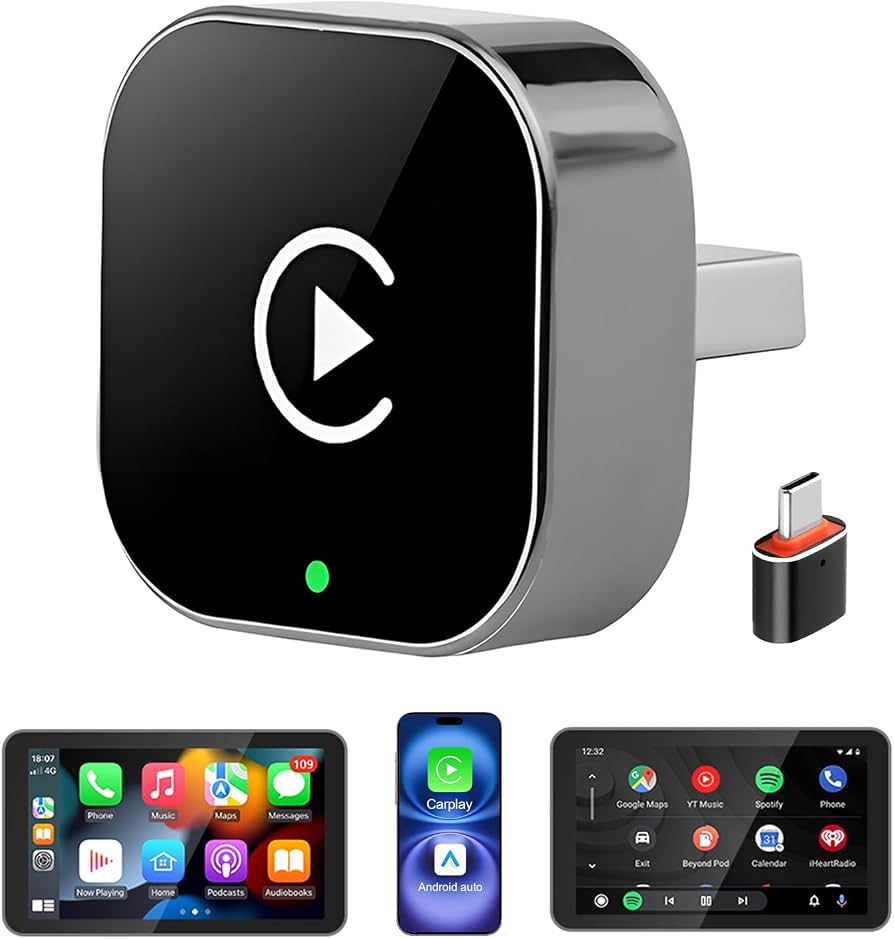
Use these product recommendations as a starting point, then choose the size, material, and price point that fit how you actually use the gear.


As an Amazon Associate, we may earn from qualifying purchases.
No comments yet. Be the first to share your thoughts!