

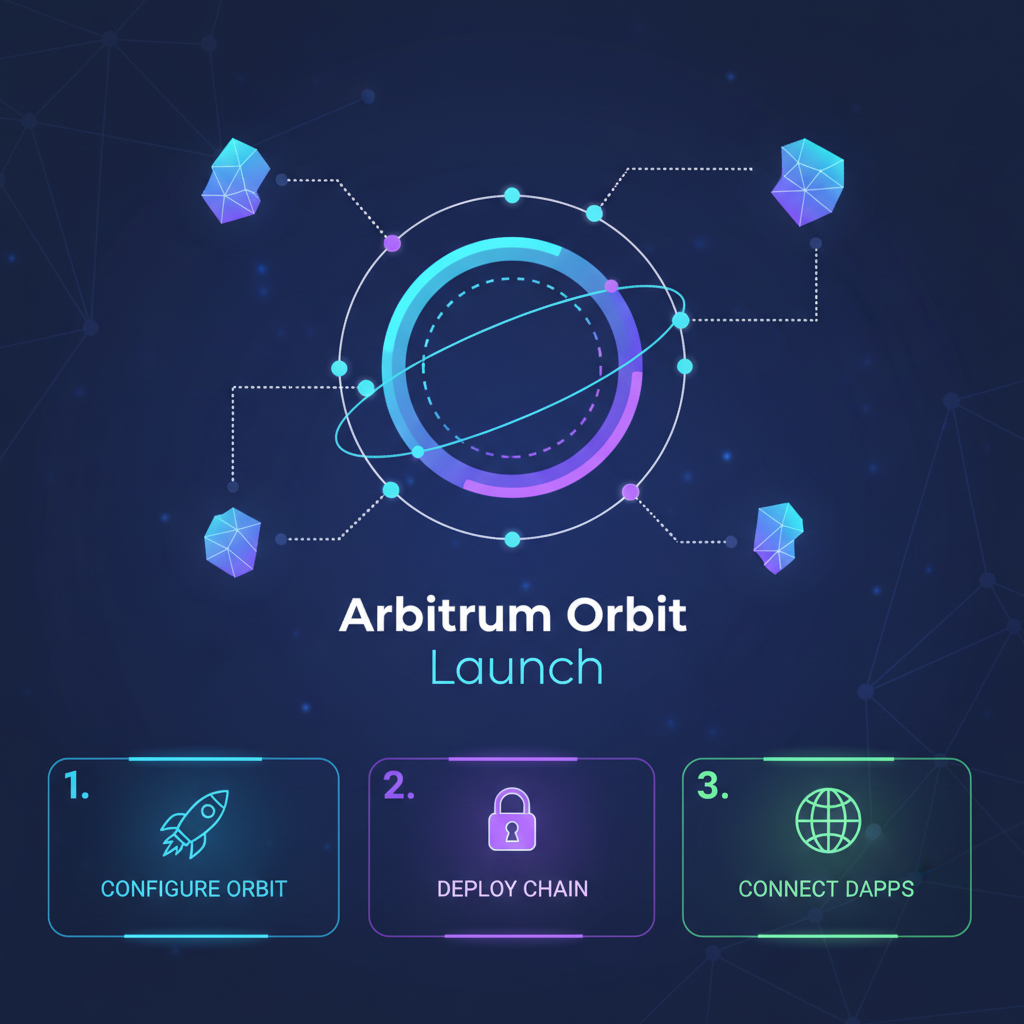
In the evolving landscape of blockchain scalability, Arbitrum launch chains stand out as a permissionless gateway for developers to deploy custom app-chains with tailored economics. These chains, powered by Arbitrum Orbit, allow precise control over fee mechanisms, enabling specialized fee markets that align with specific application needs. Imagine a gaming app-chain where fees dynamically adjust based on peak hours or a DeFi platform using native tokens for gas, fostering unique tokenomics. This flexibility addresses Ethereum's congestion issues while preserving security through Arbitrum's proven rollup technology.
Craft Your Custom Arbitrum Orbit Chain: Setup & Fee Mastery

Grasping the Foundations of Fees in Arbitrum Chains
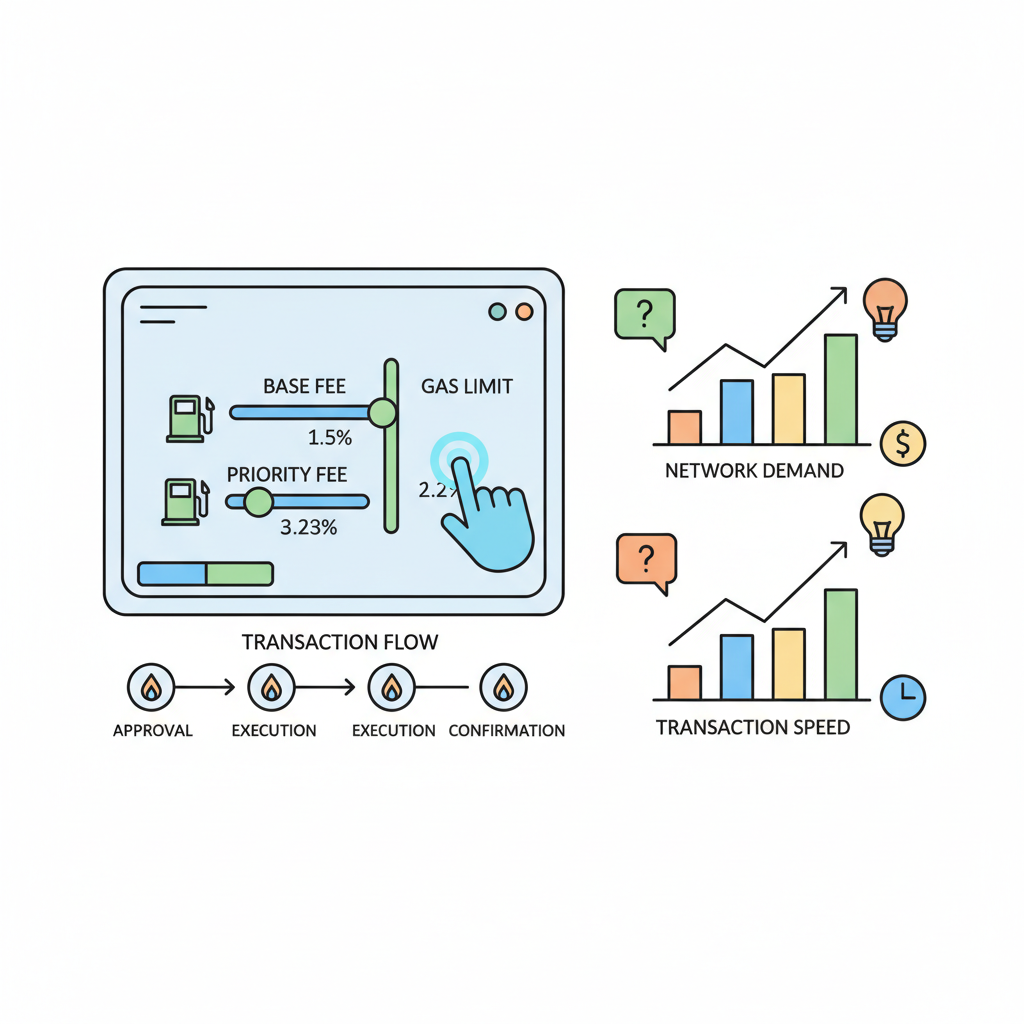
Every transaction on an Arbitrum chain incurs multiple fees: L1 calldata, L2 execution, and parent chain posting fees. These components form the baseline for any custom app-chains fee markets. Developers manage them via configurable parameters, such as the SequencerGasPerBlock or GasPriceWei, directly influencing user costs and chain throughput.
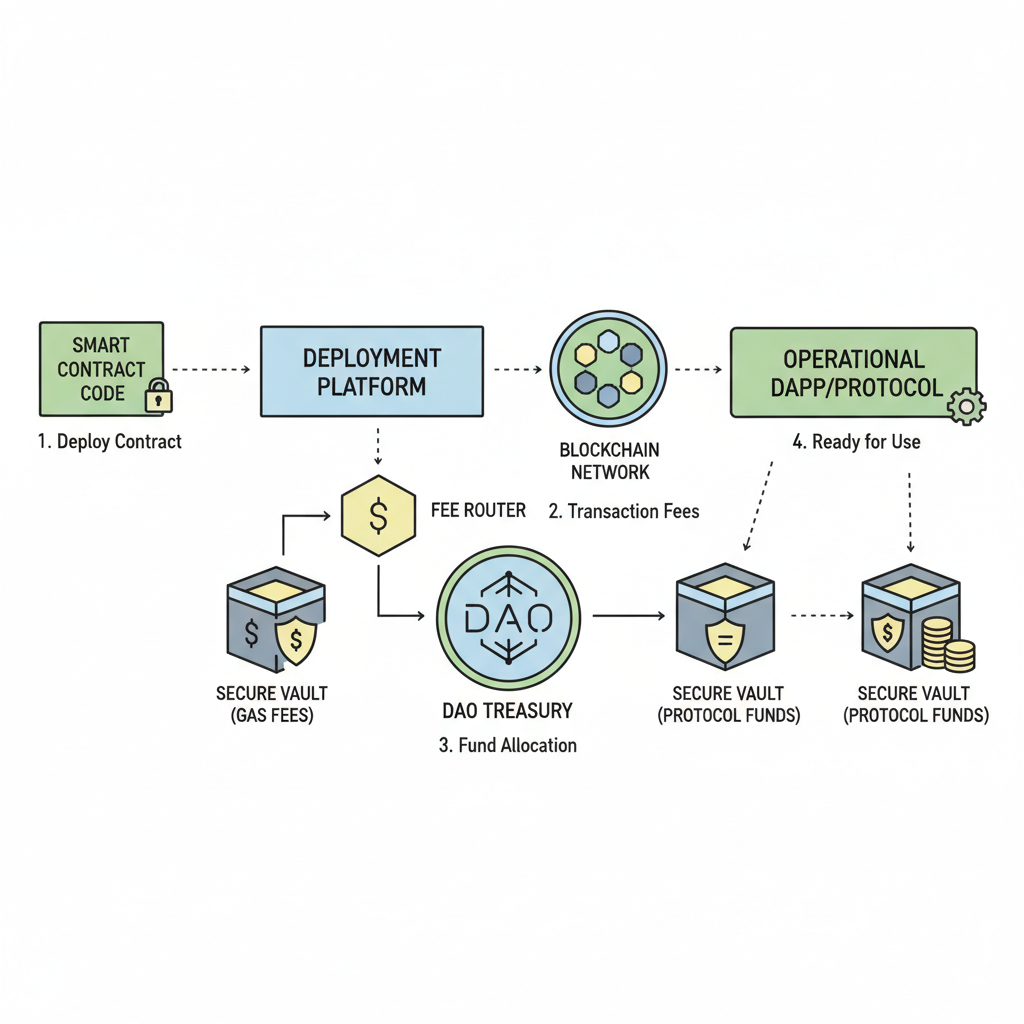
Arbitrum's documentation emphasizes that fees are collected per transaction, with portions routed to sequencers, validators, and now the Arbitrum DAO under the Expansion Program (AEP). Protocol Net Revenue, calculated from these collections minus operational costs, incurs a 10% license fee. This structure incentivizes efficient design while funding ecosystem growth.
Leveraging AEP and Fee Routers for Sustainable Economics
The AEP transforms how projects launch Arbitrum custom rollups fees outside core networks like Arbitrum One. It's self-service: deploy your chain, integrate the AEP fee router smart contract, and automate 10% revenue shares to the DAO treasury. This router simplifies compliance, pulling fees transparently and reducing administrative overhead.
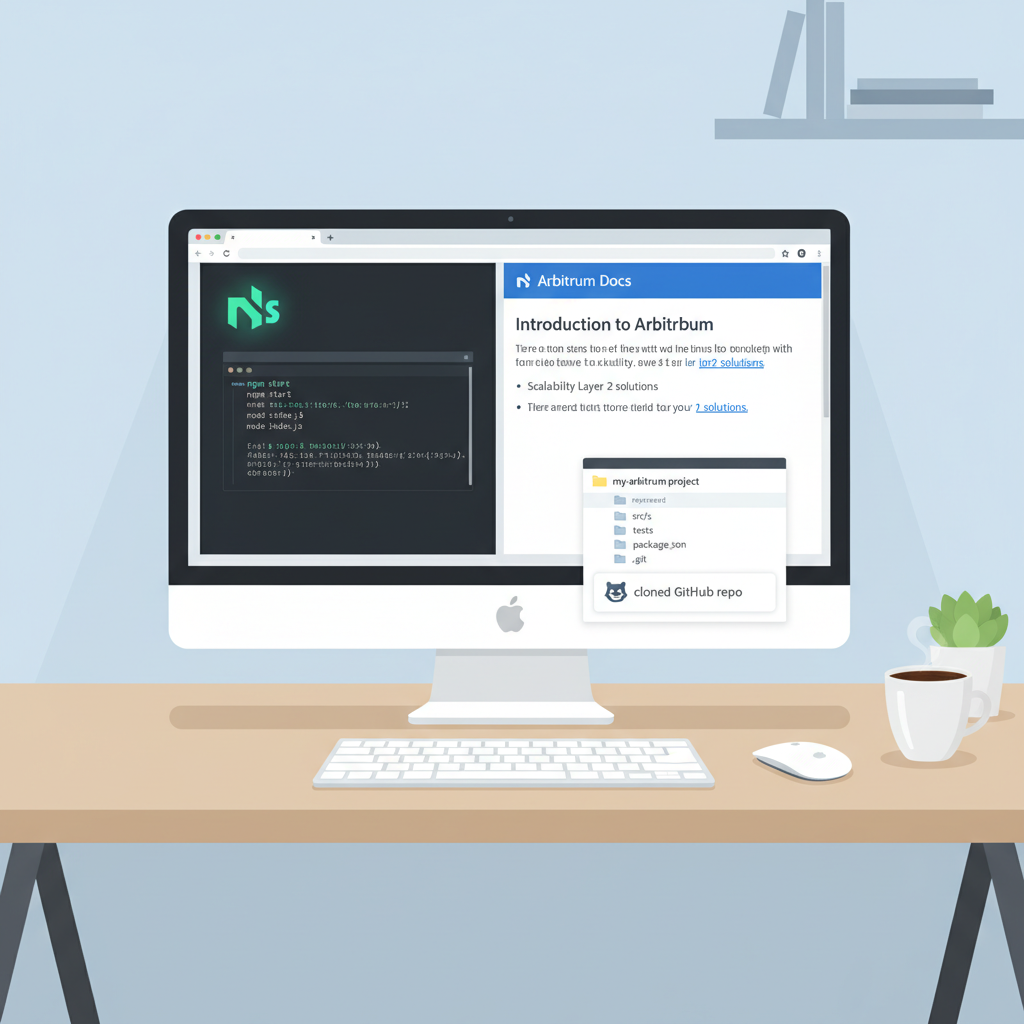
Consider a real-world example: a social app-chain with high-volume micropayments. By optimizing fee parameters and using the router, developers ensure predictability. Tools like the OffchainLabs GitHub tutorials provide demos for interacting with these systems, from fee queries to parameter updates.
Patience here pays off; misconfigured fees can lead to user exodus, but thoughtful calibration builds loyalty. Link this to broader design principles for app-specific chains.
Unlocking Custom Gas Tokens and Precompiles for Innovation
Arbitrum Orbit's crown jewel for specialized fee structures appchains is support for custom gas tokens. Swap ETH for any ERC-20, creating app-specific blockchain tokenomics where your native token powers all activity. This fosters closed-loop economies: users acquire tokens via DEXes, pay fees, and earn yields from burns or redistributions.
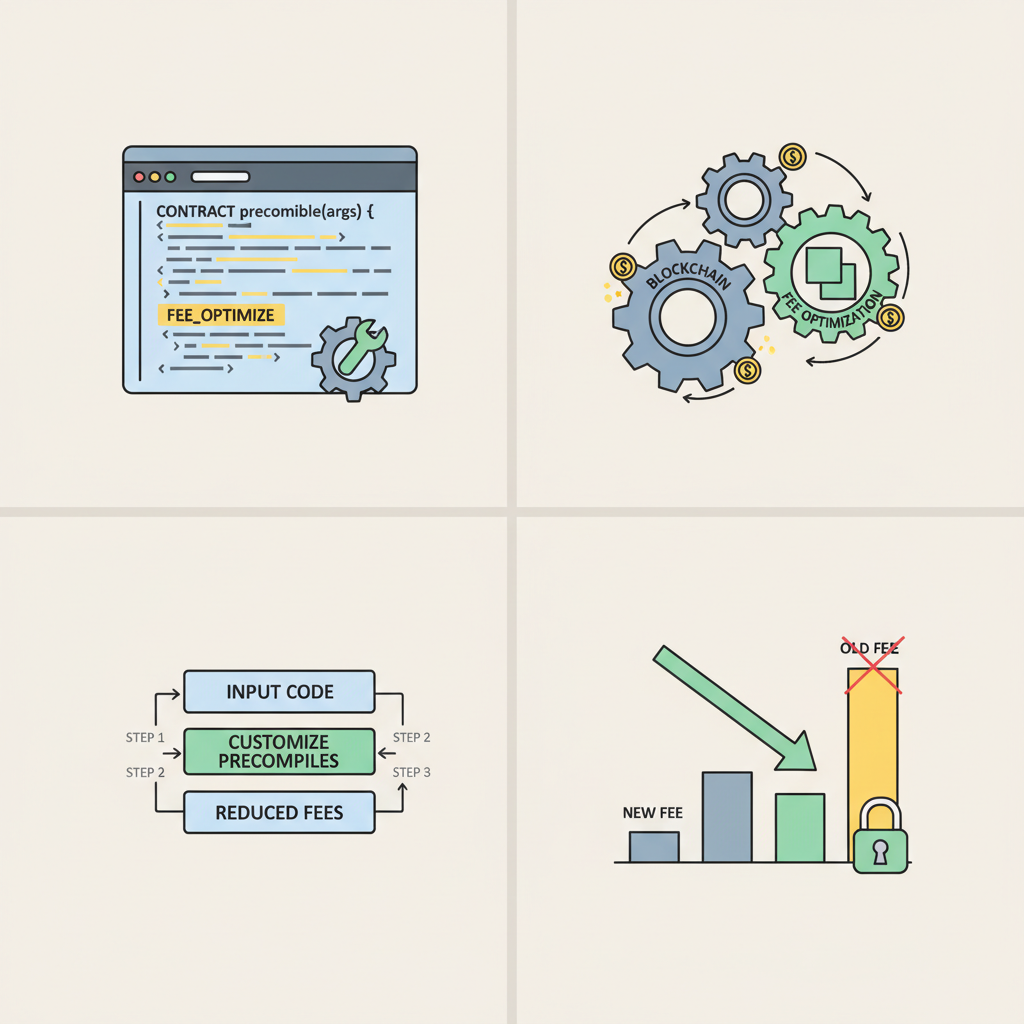
Custom precompiles extend this further. Modify system opcodes to compute fees based on transaction type - say, zero fees for reads or tiered rates for writes. Combined with dynamic adjustments via governance, these tools craft markets resilient to volatility.
From my vantage as a blockchain analyst, this level of customization rivals sovereign chains but inherits Ethereum's liquidity. Videos like QuickNode's Orbit guide illustrate setup in minutes, yet mastering fees demands iterative testing.
Early adopters report 50-80% cost reductions versus L2s, proving the edge in specialized designs. As we delve deeper in the second half, we'll explore implementation strategies and case studies.
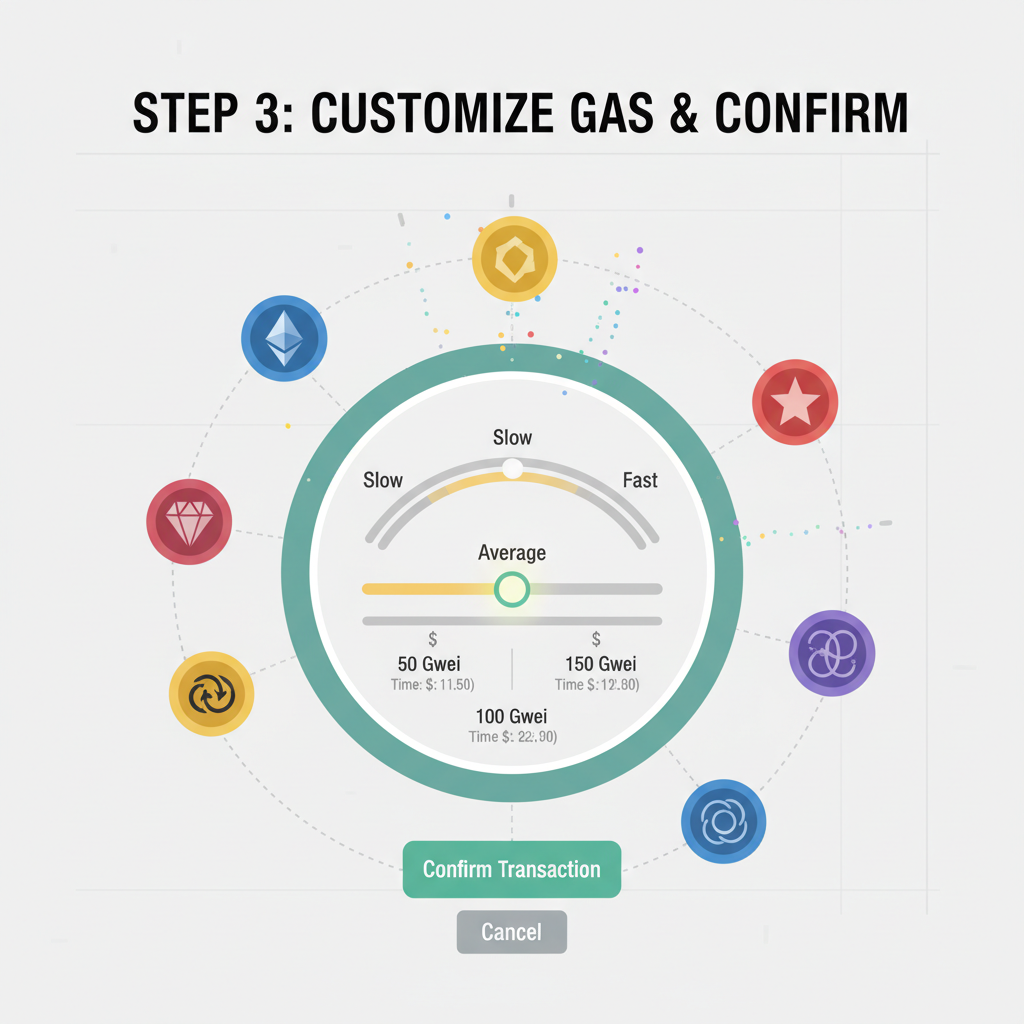
Turning vision into reality requires hands-on configuration of fee parameters through Arbitrum's management interfaces. Start by deploying your chain via Orbit, then tweak settings like MinGasPrice and TargetGasPerBlock to balance throughput and costs. These adjustments directly shape your custom app-chains fee markets, ensuring they support high-velocity apps without sacrificing stability.
Step-by-Step Configuration for Optimized Fees
Arbitrum provides granular control via JSON config files during chain genesis. For instance, set a custom gas token by specifying its address in the chain parameters, allowing transactions to settle in your app's native ERC-20. This shift not only bootstraps token demand but also insulates users from ETH volatility. Pair it with precompiles for fee computation logic, such as discounting fees for bundled transactions in a social dApp.
Testing on local forks reveals nuances; what works in simulation might spike under load. I advocate for gradual rollouts: launch with conservative params, monitor via off-chain analytics, then iterate. GitHub's arbitrum-tutorials repo offers starter scripts for fee queries and updates, accelerating this process.
Key Fee Parameters in Arbitrum Chains
| Parameter | Description | Impact on App-Chains | Example Value |
|---|---|---|---|
| SequencerGasPerBlock | Maximum amount of gas the sequencer can include in each block. | Controls throughput and prevents congestion, allowing app-chains to tailor block space to specialized workloads for predictable fees. | Configurable, e.g., 30,000,000 gas |
| MinGasPrice | Minimum gas price required for transactions to be accepted by the sequencer. | Manages network demand and ensures transactions cover costs, enabling custom fee floors for app-specific economics. | Configurable, e.g., 0.1 gwei |
| Custom Gas Token Support | Support for using any ERC-20 token as the gas token for transactions. | Enables unique native economies by aligning fees with app-chain tokens, decoupling from ETH volatility. | Any ERC-20, e.g., USDC or custom app token |
Dynamic mechanisms elevate this further. Implement governance modules to vote on fee tiers, adapting to usage patterns. A gaming chain might subsidize fees during off-peak hours using treasury reserves, drawing players when competitors falter.
Case Studies: Specialized Fee Markets in Action
Examine a DeFi app-chain mimicking maker-taker models. Traders pay taker fees in the native token, with makers earning rebates - all powered by custom precompiles for rebate logic. This structure, seen in early Orbit deployments, boosts liquidity by aligning incentives. Costs drop 50-80% below generic L2s, as reported by pioneers, validating the approach for arbitrum custom rollups fees.
Social platforms leverage zero-fee reads via precompiles, charging only for posts or tips. Micropayments flow seamlessly, with AEP fees routed automatically to sustain the ecosystem. QuickNode's Orbit tutorials demonstrate such setups, from genesis to mainnet, in under an hour.
Another angle: NFT marketplaces with tiered fees based on collection size. High-volume drops incur batch discounts, computed on-chain. This specialization captures value where general-purpose chains dilute it. For deeper dives, explore maker-taker implementations tailored to 2025 trends.
Custom gas tokens aren't just a feature; they're the foundation of sovereign economics within Ethereum's orbit. - Arbitrum Foundation docs
Challenges persist: over-customization risks complexity, deterring users. Mitigate with intuitive UIs and predictable baselines. The AEP router proves invaluable here, enforcing transparency amid innovation.
Best Practices for Long-Term Fee Market Resilience
Sustainable designs prioritize predictability. Anchor fees to on-chain oracles for real-time adjustments, preventing spikes during hype cycles. Integrate burns or staking rewards from Protocol Net Revenue post-AEP deductions, creating flywheels for token holders.
From 14 years analyzing markets, I've seen rigid systems crumble under volatility. Arbitrum chains reward flexibility: monitor sequencer revenue, simulate stress tests, and govern conservatively. Tools like Chainstack's app-chains complement Orbit for hybrid deployments, blending custom fees with managed infra.
Link these to scalable architectures via proven strategies. Early movers in app-specific blockchain tokenomics will define the next wave, turning fee markets from cost centers into competitive moats. Deploy thoughtfully, and watch your chain thrive.




No comments yet. Be the first to share your thoughts!