
Custom app-chains equipped with specialized fee markets represent a pivotal evolution in blockchain architecture, empowering developers to craft tailored economic environments for decentralized applications. Platforms like Syndicate Protocol exemplify this shift, where dApps gain sovereignty over blockspace and transaction costs. As of the latest data, Syndicate's SYND token trades at $0.0510, reflecting a modest 24-hour gain of and $0.001210 ( and 0.0244%), with a daily high of $0.0511 and low of $0.0494. This stability underscores growing interest in appchain solutions amid broader market volatility.
General-purpose blockchains like Ethereum have democratized access but introduced bottlenecks. High-demand periods spike fees, forcing dApps into a trade-off: endure congestion or fragment liquidity across layers. Custom app-chains resolve this by dedicating blockspace to specific applications, enabling specialized fee markets that prioritize predictability and efficiency.
Why Appchains Outpace Shared Infrastructure
Developers building on monolithic chains face a stark choice between broad composability and true economic differentiation. Appchains flip this dynamic, granting full control over consensus, execution, and fees. According to insights from Syndicate. io, this customization fosters network ownership, crucial for long-term growth. Consider gaming dApps: unpredictable gas costs can derail user retention. With an appchain, your application owns the fee market, ensuring consistent pricing regardless of external demand.
Syndicate Protocol pushes boundaries further with programmable, atomically composable on-chain sequencers. This allows smart rollups to integrate seamlessly while customizing transaction ordering. Unlike centralized sequencers in some L2s, Syndicate's approach decentralizes control, mitigating MEV risks and enhancing fairness. Real-world adopters like SKALE's StrayShot game achieve zero gas fees and instant finality, slashing costs dramatically.
Syndicate (SYND) Price Prediction 2027-2032
Forecasts based on appchain adoption trends and market analysis, current price $0.0510 (2026)
| Year | Minimum Price | Average Price | Maximum Price | YoY % Change (Avg) |
|---|---|---|---|---|
| 2027 | $0.04 | $0.12 | $0.30 | +135% |
| 2028 | $0.08 | $0.28 | $0.70 | +133% |
| 2029 | $0.15 | $0.55 | $1.40 | +96% |
| 2030 | $0.25 | $0.90 | $2.30 | +64% |
| 2031 | $0.40 | $1.40 | $3.50 | +56% |
| 2032 | $0.70 | $2.10 | $5.00 | +50% |
Price Prediction Summary
SYND token is forecasted to see robust growth driven by custom app-chain adoption, programmable sequencers, and staking incentives. Average price could climb from $0.12 in 2027 to $2.10 by 2032, a potential 17x gain, with min/max reflecting bearish dips and bullish surges amid market cycles.
Key Factors Affecting Syndicate Price
- Proliferation of appchains optimizing dApp performance and fee markets
- SYND utility as gas, governance, and staking token in sharded network
- Bullish crypto market cycles and web3 scalability demands
- Integration with rollups and atomic composability advantages
- Regulatory tailwinds for specialized blockchains
- Competition dynamics with SKALE and general-purpose L1s
- Technological maturity in custom token models and sequencers
Disclaimer: Cryptocurrency price predictions are speculative and based on current market analysis. Actual prices may vary significantly due to market volatility, regulatory changes, and other factors. Always do your own research before making investment decisions.
Syndicate's Sharded Network-of-Networks Architecture
At its core, Syndicate operates as a sharded ecosystem where developers launch appchains with bespoke economics. The SYND token, capped at 1 billion supply, serves triple duty: gas for transactions, staking collateral, and governance votes. Stakers back specific chains, earning yields tied to their performance, aligning incentives ecosystem-wide. This model contrasts sharply with monolithic tokens diluted by unrelated activity.
Specialized fee markets shine here. Developers can implement dynamic structures, such as priority auctions for high-value trades or flat fees for micro-transactions. For DeFi protocols, this means isolating fee pressure from social apps, preventing cross-demand congestion. Syndicate's docs highlight integration with rollups, enabling hybrid setups where L2s settle to app-specific parents. The result? Scalable throughput without sacrificing sovereignty.
With Syndicate, developers can easily build custom application-specific blockchains (appchains) with programmable, atomically composable, onchain sequencers. - Syndicate. io
This architecture addresses key pain points. Traditional chains broadcast transactions indiscriminately, leading to wasteful blockspace. Appchains allocate resources surgically, optimizing for use cases like AI pipelines or on-chain gaming. Exorde's web indexing on SKALE, for instance, processes vast data volumes at minimal cost, proving the model's viability.

Tokenomics Driving Appchain Economic Sovereignty
SYND's fixed supply and staking mechanics create a robust foundation for appchain fee models. Holders stake to validators supporting chosen chains, capturing a share of fees generated. This bottoms-up growth incentivizes high-performing dApps, as successful projects attract more stake and thus security. At $0.0510, SYND offers an entry point for those betting on appchain proliferation.
Custom token models extend beyond gas. Appchains can introduce application-specific tokens for governance or rewards, layered atop SYND. This dual-token approach stabilizes native economics while fueling growth. Outlook India notes how such designs bolster viability, preventing the dilution seen in multi-app chains. For Syndicate users, tools simplify deployment, from sequencer configs to fee curves. Check this guide for parameter tuning essentials.
Early metrics are promising. Syndicate's horizontal scaling via sharding supports thousands of TPS per chain, dwarfing L1 limits. As adoption ramps, specialized fee markets will dictate competitive edges, rewarding innovative economics over raw compute.
That throughput edge translates directly to user experience. Imagine a DeFi app handling flash loans without fee spikes crippling arbitrage bots, or a social dApp processing memes at sub-cent costs. Specialized fee markets make this reality, not aspiration. Developers on Syndicate fine-tune parameters like base fees and priority multipliers, ensuring economic alignment with app logic.
Crafting Fee Structures for dApp Dominance
Precision in fee design separates thriving appchains from mediocrity. Flat fees suit high-volume, low-value txns like NFT mints; dynamic auctions favor competitive environments such as prediction markets. Syndicate's programmable sequencers let you enforce these atomically, preventing front-running while maximizing revenue. I advocate starting with data-driven baselines: analyze historical Ethereum fees for your use case, then adjust for dedicated blockspace. This yields 10-50x cost reductions, per SKALE benchmarks.
Key Advantages of Specialized Fee Markets
- Predictability: Appchains own blockspace and fee markets, ensuring stable performance and costs, unlike congested general-purpose chains. (Source)
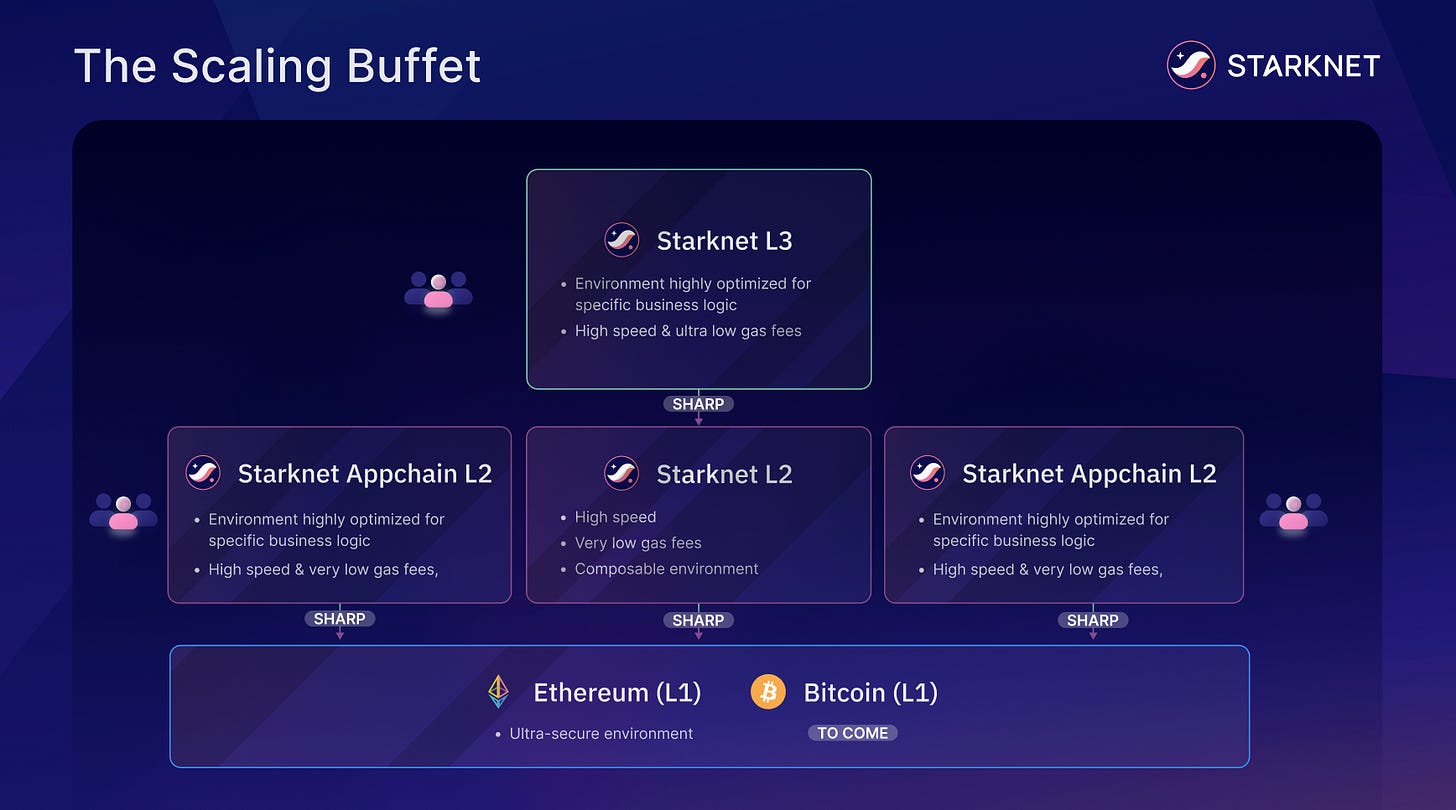
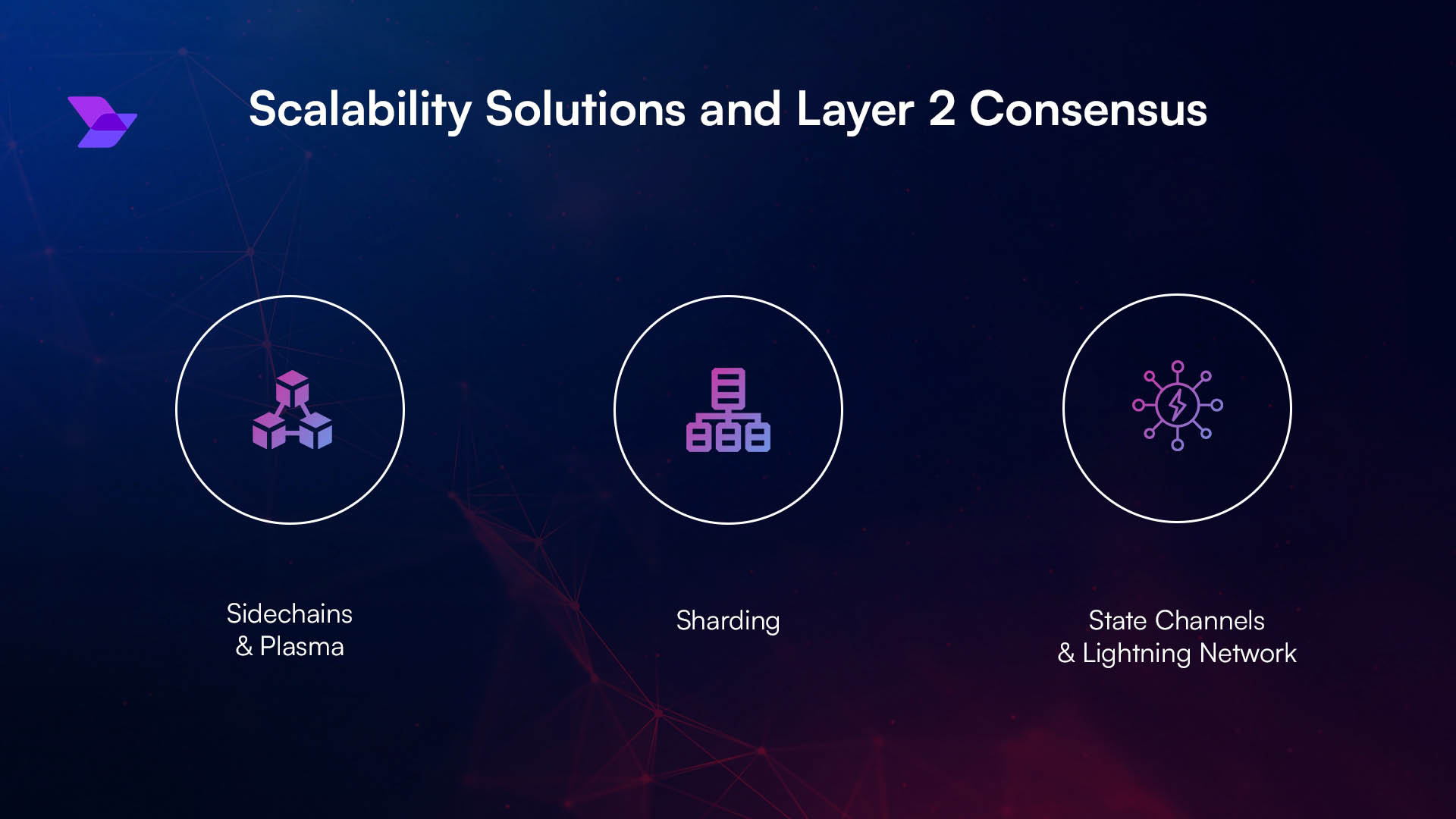
- Scalability: Dedicated resources enable high throughput for dApps, like SKALE's zero-gas-fee chains for gaming and AI, or Syndicate's sharded network-of-networks.
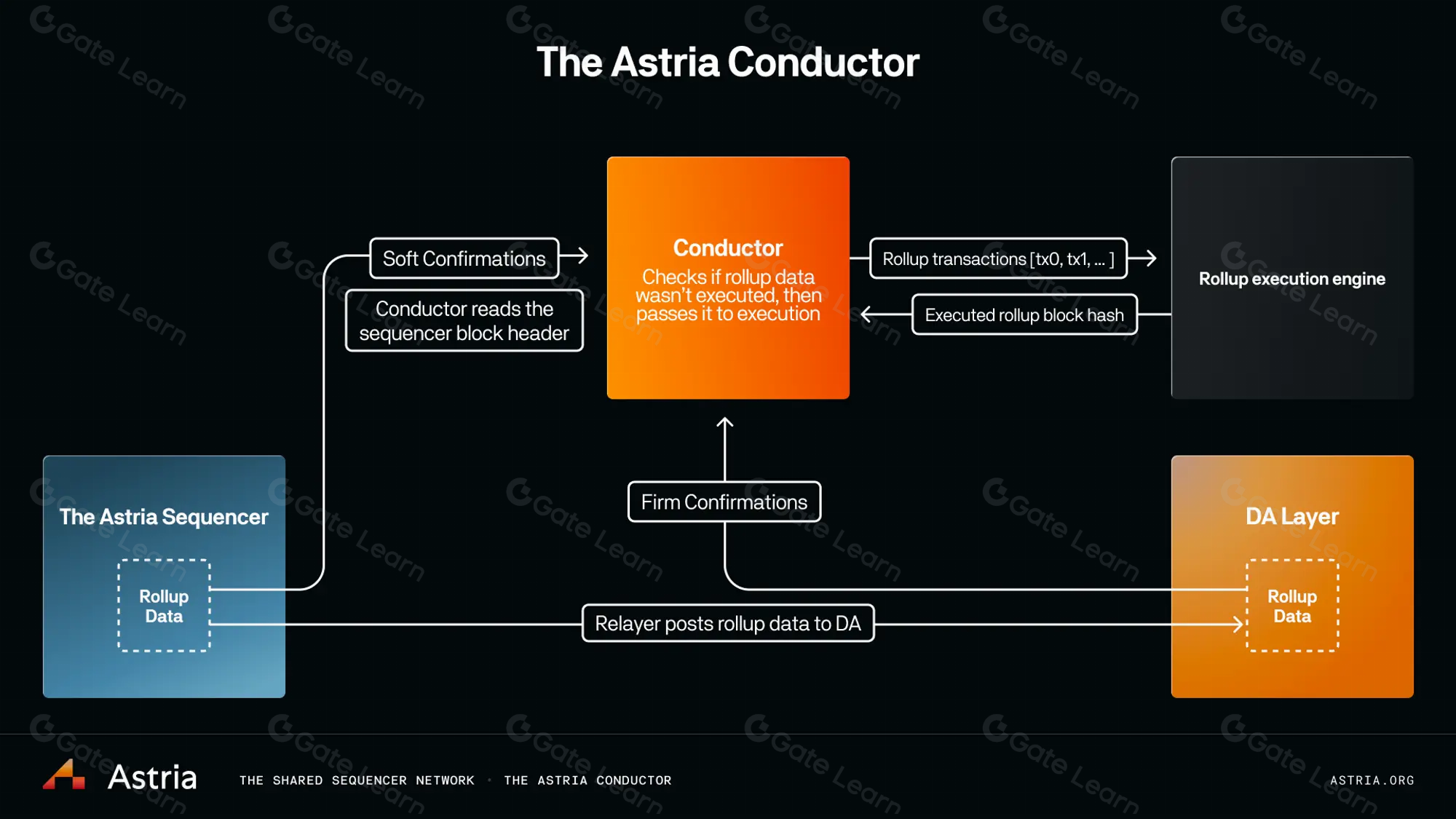
- MEV Resistance: Programmable onchain sequencers in Syndicate allow custom transaction ordering, reducing Miner Extractable Value (MEV) risks.
- Economic Alignment: Tailored fee structures and tokens like SYND align incentives with dApp goals, fostering growth via staking and governance.

Integration hurdles? Minimal. Syndicate's stack plugs into EVM tools, letting rollups inherit appchain economics. For hybrid setups, settle L2 batches to a parent chain with custom gas rules, isolating congestion. This modularity future-proofs against L1 upgrades, a blind spot in rigid ecosystems.
Yet, success demands vigilance. Poorly calibrated fees risk underutilization or spam. Best practice: bootstrap with SYND staking subsidies, transitioning to self-sustaining models as TVL grows. At current levels, with SYND at $0.0510, early stakers position for asymmetric upside as appchain TVL compounds.
Comparison of Fee Models in Custom App-Chains
| Model | Use Case | Pros | Cons | Syndicate Example |
|---|---|---|---|---|
| Flat Fee | Gaming dApps and micropayments (e.g., predictable costs for high-volume, low-value txns) | ✅ Predictable pricing ✅ Simple for users ✅ No gas wars | ❌ Vulnerable to spam ❌ Inefficient for varying txn values ❌ Fixed revenue potential | Zero-gas flat fees inspired by SKALE, implemented in Syndicate app-chains for games like StrayShot equivalents, ensuring consistent costs and high throughput |
| Dynamic Auction | DeFi trading and high-demand markets (e.g., volatile environments needing market-driven pricing) | ✅ Efficient blockspace allocation ✅ Reflects real-time demand ✅ Maximizes network revenue | ❌ Unpredictable fees ❌ Excludes small users ❌ Risk of fee spikes | Customizable auctions via programmable on-chain sequencers in Syndicate Protocol, allowing DeFi app-chains to dynamically price txns and reduce centralized sequencer reliance |
| Priority Queue | MEV-sensitive apps and ordered execution (e.g., AI pipelines or complex dApps) | ✅ Fair txn ordering ✅ Strong spam resistance ✅ Customizable priorities | ❌ Higher implementation complexity ❌ Potential priority centralization ❌ Overhead in sequencer logic | Atomically composable sequencers in Syndicate enable priority queues, giving app-chains control over txn ordering and fee markets for optimized performance |
Case Studies: Appchains in Action
StrayShot on SKALE exemplifies gaming's appchain pivot. Zero gas fees eliminate friction for casual players, while instant finality supports competitive play. Throughput hits 2,000 TPS, versus Ethereum's 15. Exorde's indexing mirrors this for AI: dedicated chains ingest petabytes without L1 bloat, routing fees to data curators.
Syndicate adopters echo these wins. One DeFi protocol customized auctions to capture 90% MEV internally, redistributing to liquidity providers. Another social app layered flat fees atop SYND, hitting 5,000 daily users with $0.0001 txns. These aren't outliers; they're the blueprint for appchain fee models that scale with demand.
Cross-chain composability remains a strength. Syndicate's atomic sequencing bridges appchains without trust assumptions, enabling seamless swaps or shared liquidity. This shatters the composability myth: why trade broad access for control when you can have both?
Navigating Challenges in Specialized Markets
No revolution lacks friction. Liquidity fragmentation worries some, but Syndicate counters with shared staking pools and cross-chain bridges. Security? Delegated proof-of-stake via SYND ensures validator diversity without diluting app focus. Governance evolves too: app-specific DAOs vote on fee params, fostering community buy-in.
Regulatory shadows loom, yet tailored economics sidestep many pitfalls. Custom tokens for rebates or burns comply easier than opaque L1 models. Dive deeper into implementation via this technical blueprint.
As SYND holds steady at $0.0510 amid 24-hour gains, the protocol cements its role in blockchain's next phase. Custom app-chains aren't a niche; they're the infrastructure layer where innovation thrives. Developers ignoring specialized fee markets risk obsolescence in a multi-chain world. Stake your claim, tune your economics, and watch dApps flourish under sovereign control.




No comments yet. Be the first to share your thoughts!