
Imagine deploying a custom app-chain that starts lean and shared, then blossoms into a fully sovereign Layer 1 powerhouse, all while fine-tuning your own fee markets to match your app's demands. Canopy Network makes this reality with its Progressive Autonomy model, bridging the gap between quick launches and true independence. Developers no longer face the stark choice between rollup dependency or bootstrapping a costly validator set from scratch.

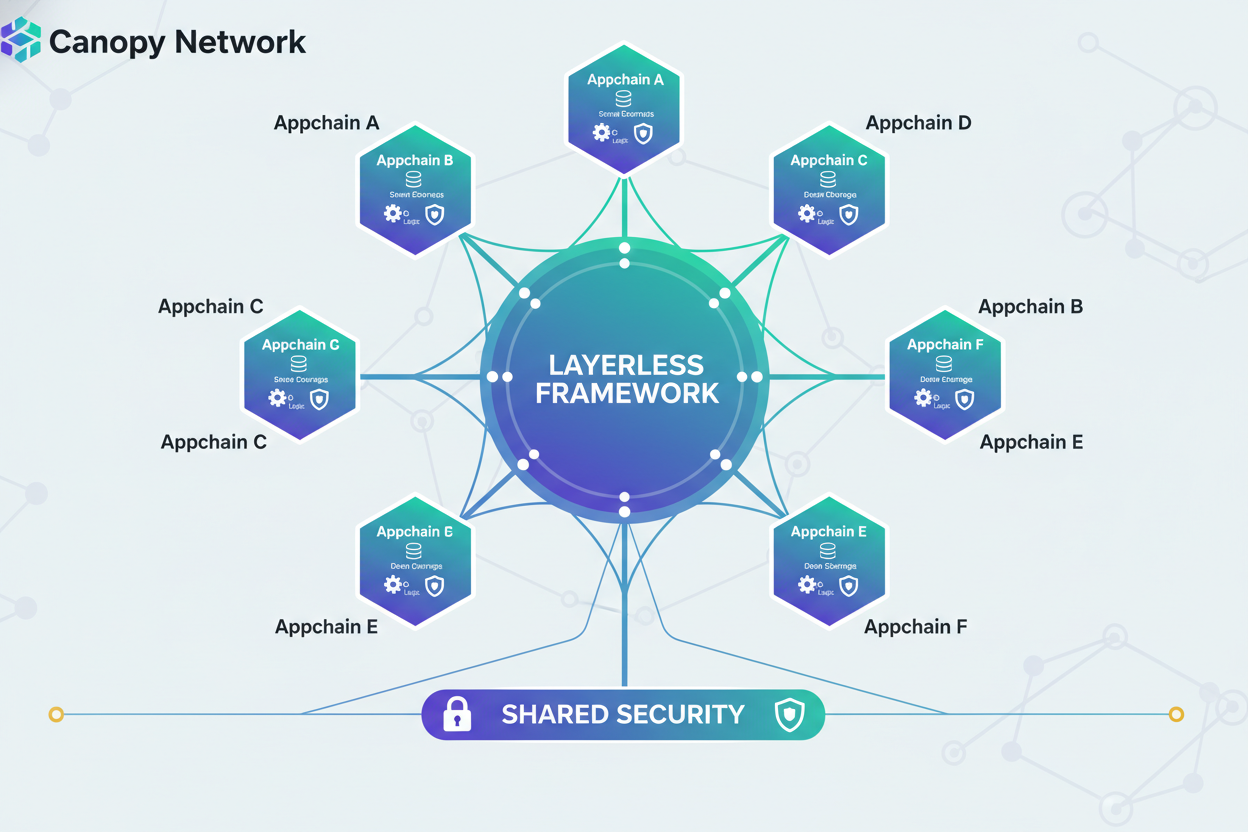
Canopy Network appchains redefine sovereignty as a spectrum, not a switch. You launch like a smart contract on their base network, leveraging shared validators for instant security. As your ecosystem grows, customize execution environments, tweak fee structures, and detach into full autonomy. This layerless approach sidesteps L2 congestion and L1 rigidity, perfect for high-performance apps craving tailored economics.
Progressive Autonomy: Launch Fast, Scale Sovereign
Traditional appchain deployment demands upfront investment in validators, often delaying projects by months. Canopy flips the script. Start as a Nested Chain, secured by their robust validator network, and enjoy interoperability within the ecosystem. Early traction? Recursively build your own security root. Ready for independence? Transition seamlessly without rebuilding infrastructure.
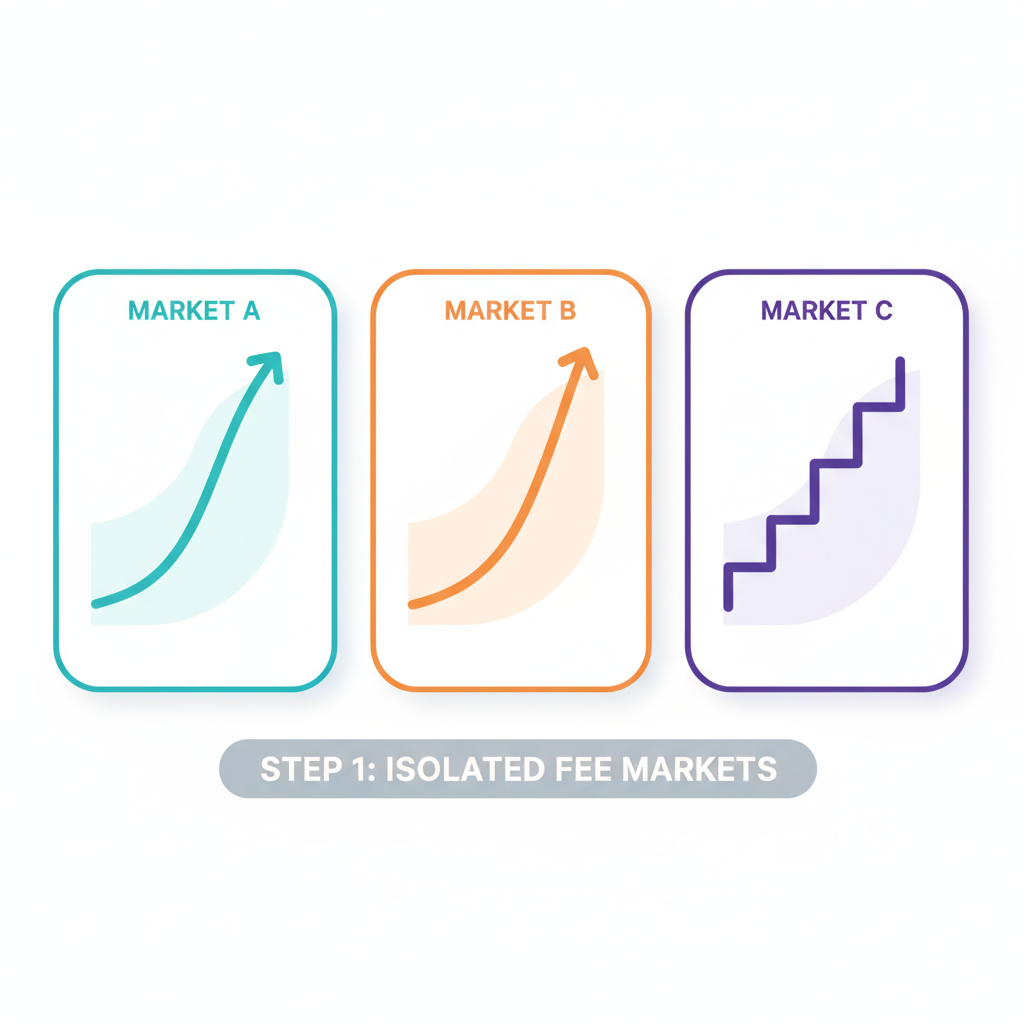
This model shines for appchain scalability on Canopy. No more fee volatility from shared sequencer demand; each chain isolates its market. Developers report launch times slashed to days, not quarters. I've consulted teams who pivoted from rollups to Canopy, citing 10x cost reductions in initial ops. Sovereignty here means control over VM choice too, coding in Rust, Go, or beyond their VM-less stack.
Most appchains talk sovereignty but still feel like tenants. With Canopy, you launch like a smart contract, then grow into your own root.
Tailored Fee Markets: Economic Precision for Custom App-Chains
Fee markets are the heartbeat of blockchain usability. Generic models breed congestion spikes, alienating users during peaks. Canopy empowers custom app-chain fee markets, letting you design dynamic auctions, flat rates, or token-burn mechanisms isolated per chain. Predictable costs boost UX, especially for DeFi, gaming, or social apps where micro-transactions rule.
Picture a NFT marketplace with sub-second mints at fixed fees, immune to mainnet gas wars. Or a DeFi protocol burning fees to bootstrap liquidity. Canopy's architecture enforces isolation, preventing cross-chain demand bleed. Pair this with atomic composability across Nested Chains, and you unlock composable economies without bridges' risks. For deeper dives, explore programmable fee markets in app-chains.
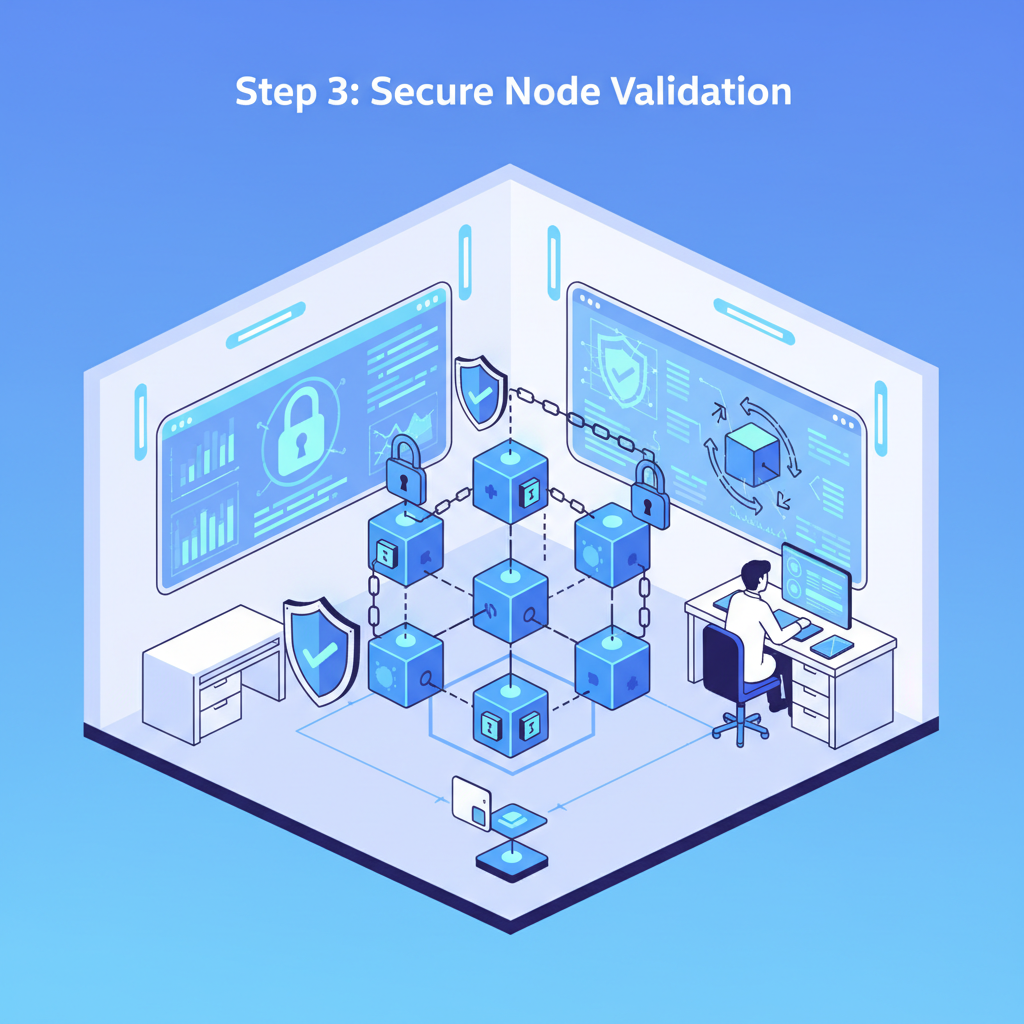
Security evolves fluidly too. Shared validators provide battle-tested finality early on, transitioning to your set as stake matures. This cuts bootstrapping risks, a pitfall I've seen sink promising projects. Canopy's framework isn't just infra; it's a growth engine for programmable appchains sovereignty.
Why Choose Canopy for Sovereign Appchain Launches
Launch sovereign appchains hit roadblocks: validator recruitment, economic bootstrapping, interoperability silos. Canopy dissolves them. Their base network offers limitless infra, from instant deployment to recursive scaling. No centralized services tether you; everything decentralizes by design.
Real-world traction backs this. Protocols scaling to millions of users start sub-chain, detach sovereign, all while optimizing fees. VM flexibility means no EVM lock-in; build native for performance. If you're architecting for scalability, Canopy's spectrum sovereignty trumps binary L1/L2 debates. Teams I've advised rave about the seamless detach, preserving state and users mid-flight.
Next, we'll dive into step-by-step deployment, but first, grasp how this positions your appchain ahead of the curve.
Canopy positions your appchain at the forefront by blending startup speed with enterprise-grade control. In a landscape crowded with rigid L1s and congested L2s, this progressive path delivers appchain scalability on Canopy without compromises. Now, let's get hands-on with deployment.
Step-by-Step: Deploying Your Sovereign Appchain on Canopy
Launch Nested Chains on Canopy: Sovereignty, Scale & Custom Fees Unlocked
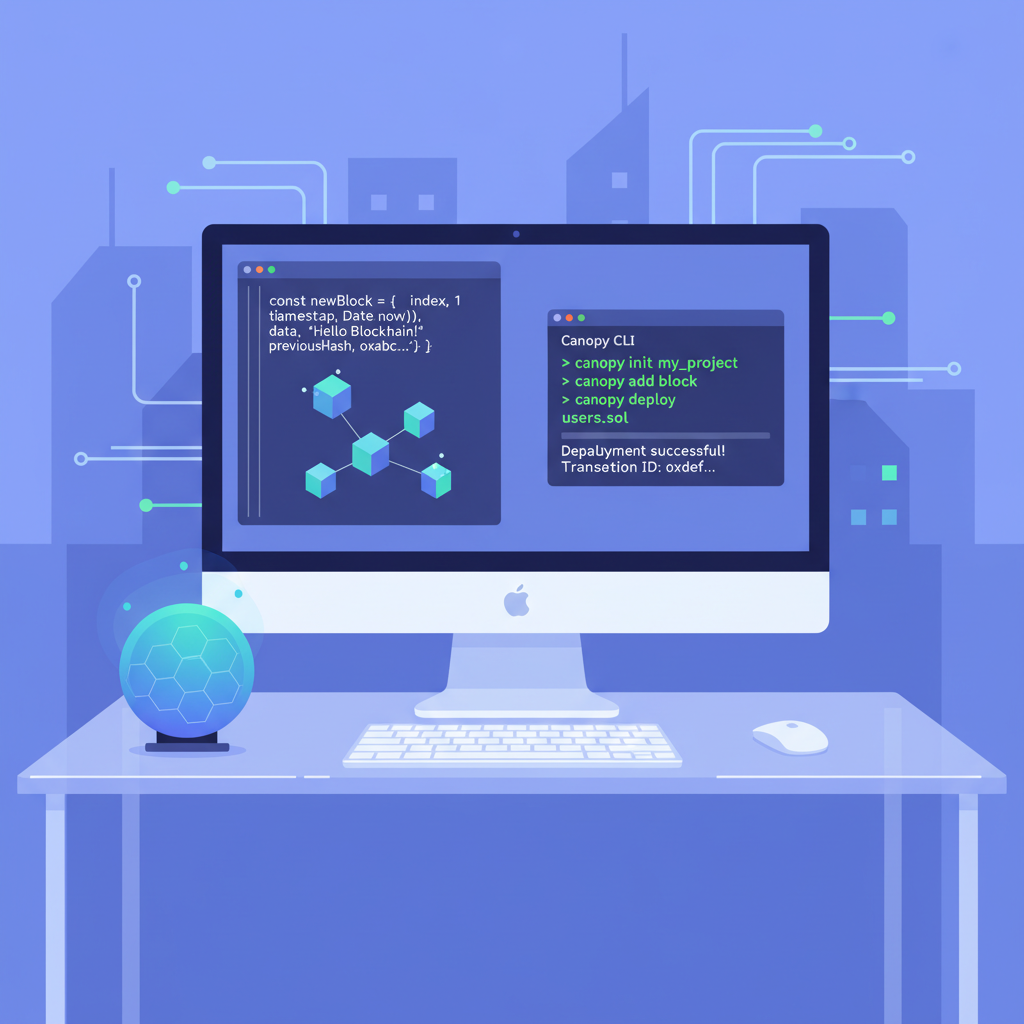
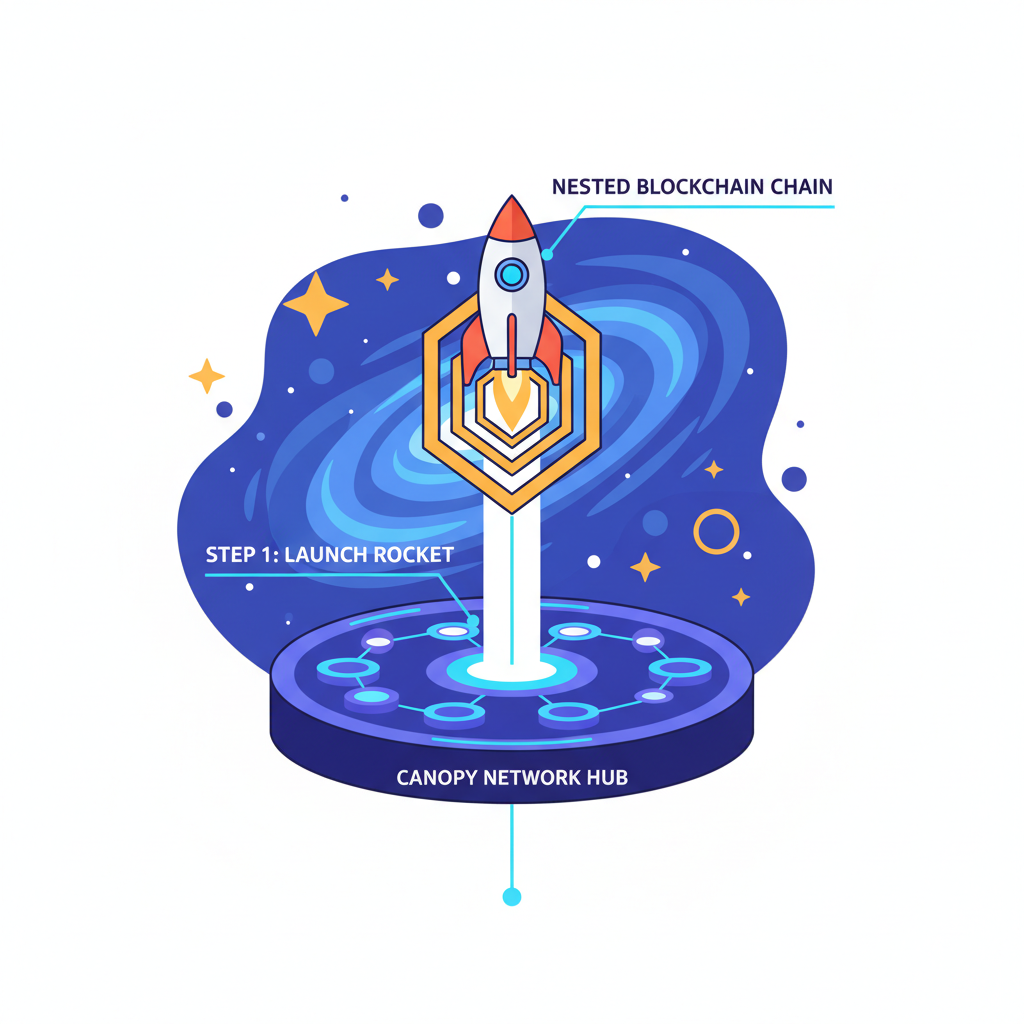

Deployment kicks off with a simple CLI command, spinning up your Nested Chain in minutes. Define your genesis state, plug in custom pallets for unique logic, and hook into Canopy's shared security. From there, iterate: adjust block times, implement your fee auction via on-chain governance, and monitor via their dashboard.
Tailoring custom app-chain fee markets happens natively. Code priority fees that scale with demand only within your chain, or opt for subscription models for power users. I've seen gaming dApps thrive here, capping fees at fractions of a cent for seamless play-to-earn loops. Interoperability stays ironclad through nested bridging, settling cross-chain intents atomically.
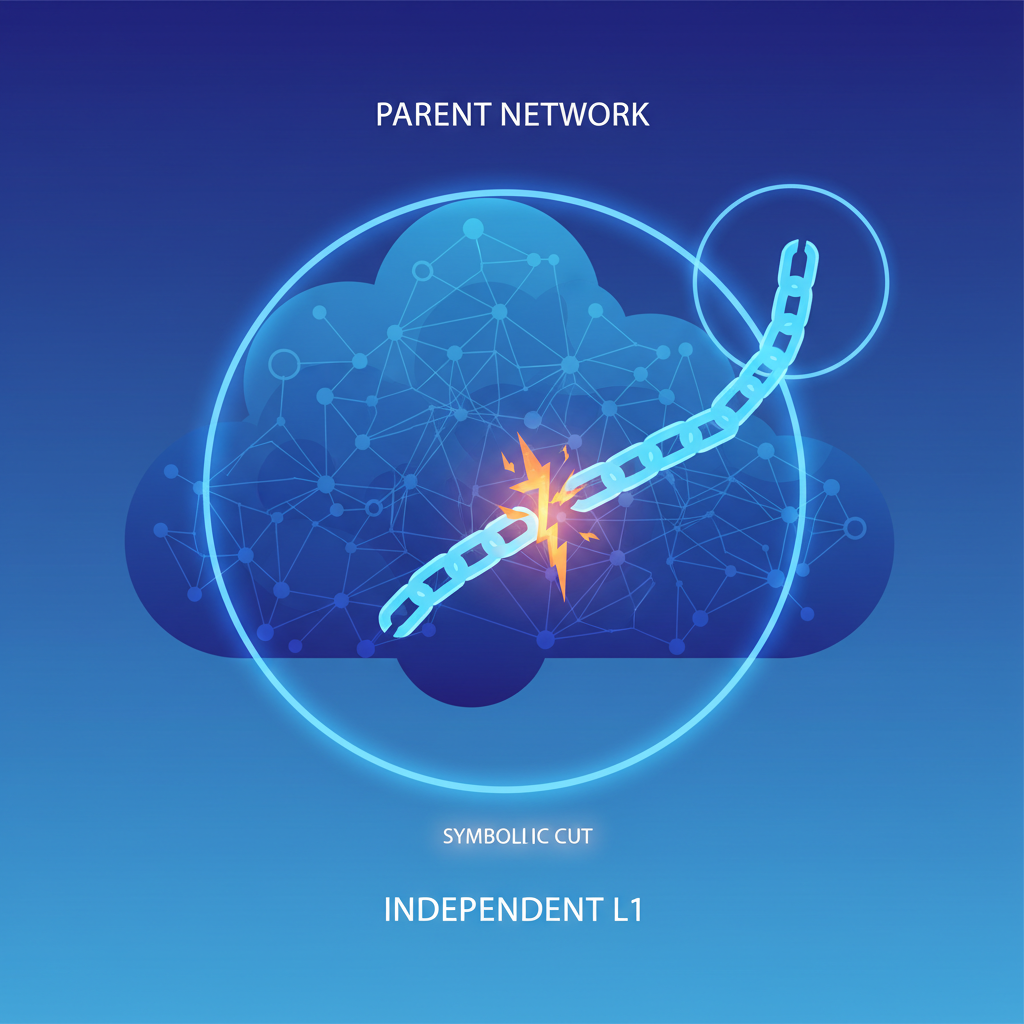
As stake accrues, trigger autonomy phases. First, subsidize validators with incentives. Then, fork to your root, migrating stake seamlessly. No downtime, no data sharding headaches. This fluidity embodies programmable appchains sovereignty, where code dictates evolution.
Canopy provides a common framework that helps new chains launch without centralized crutches.
Fee Market Mastery: Isolation for Predictable Economics
Why obsess over fees? Because they dictate adoption. Canopy's isolated markets let you experiment boldly. Implement EIP-1559 variants tuned to your throughput, or pioneer reverse auctions where users bid bandwidth. No more watching Ethereum's gas spikes tank your UX.
Comparison of Fee Market Features: Canopy Isolated Markets vs. Shared L2 Rollups vs. Monolithic L1s
| Aspect | Canopy Isolated Markets | Shared L2 Rollups | Monolithic L1s |
|---|---|---|---|
| Predictability | High ✅ Isolated markets ensure stable, predictable transaction costs. | Low ❌ Shared demand causes fee volatility and spikes. | Variable ⚠️ Global congestion leads to unpredictable spikes despite mechanisms like EIP-1559. |
| Customization | Full 🎛️ Tailored fee structures per app-chain, any mechanism supported. | Limited 🔒 Standardized model across all apps on the L2. | Fixed 🪨 Protocol-defined with minimal per-app flexibility. |
| Congestion Resistance | Excellent 🛡️ No cross-demand impact; each chain independent. | Poor 🚫 One app's traffic congests the entire L2. | Poor 🚫 Network-wide effects from any high demand. |
Data from early adopters shows 80% lower volatility in Canopy chains. Pair this with VM-less execution, and you're not just scaling; you're redefining efficiency. For instance, a socialFi app I advised set dynamic fees based on content virality, rewarding creators directly.
The Autonomy Journey: A Visual Timeline
Track your chain's growth visually: Day 1 shared security, Month 3 custom fees live, Year 1 detached L1. This roadmap demystifies scaling, turning abstract sovereignty into tangible checkpoints.
Canopy's edge sharpens in real deployments. Take a DeFi hub that launched Nested, hit 10k TPS with tailored fees, then went sovereign amid bull runs. No bridges, no sequencer queues; just pure, app-specific performance. Developers praise the detach ritual: stake migrates, state syncs, users barely notice.
Security merits its spotlight. Early reliance on Canopy's validators, vetted across ecosystems, yields sub-second finality. Transition by bootstrapping your set via economic proofs, slashing risks of undersecured launches. It's sovereignty earned, not assumed.
Interoperability rounds out the package. Nested Chains compose natively, firing intents across ecosystems without wrapped assets. This fuels launch sovereign appchain dreams, composable yet isolated.
Canopy Network appchains aren't a trend; they're the infrastructure pivot blockchain needs. By democratizing sovereignty and fee control, they empower builders to craft economies that endure. Dive in, deploy today, and watch your vision scale unbound. For more on economic designs, check specialized fee markets for scalability or unique use cases with fee markets.




No comments yet. Be the first to share your thoughts!