

In the sprawling ecosystem of blockchain innovation, where predictions point to over 1,000 L2s, L3s, and app-specific blockchains by 2028, developers face a stark choice: cling to congested general-purpose layers or seize sovereignty with custom rollups. Enter Canopy, a layerless framework that empowers teams to launch appchain Canopy setups in minutes, blending rapid deployment with long-term autonomy. This isn’t just infrastructure; it’s a blueprint for scalable, sovereign networks tailored to unique demands, complete with specialized fee markets Canopy that align economics directly with application needs.


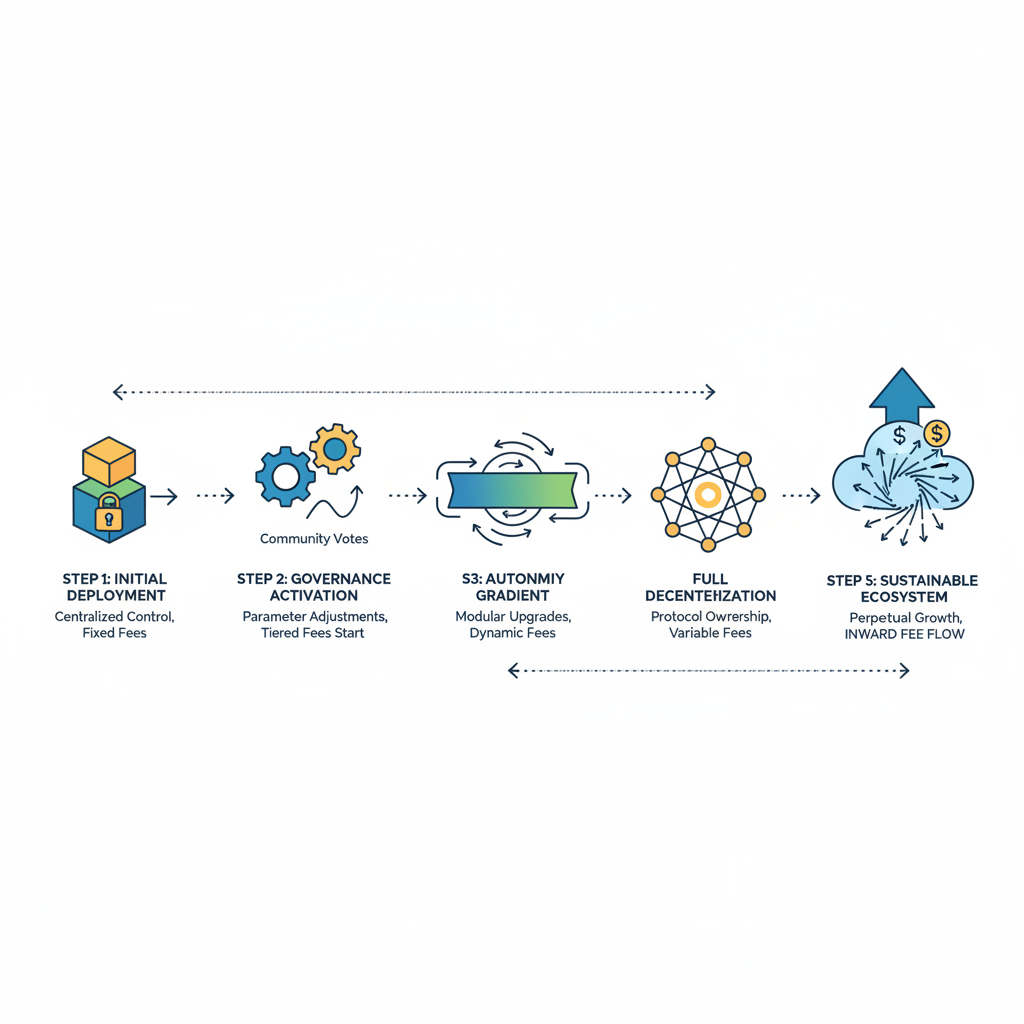
Canopy flips the script on traditional rollups by introducing Progressive Autonomy, a model that lets builders start with shared resources and graduate to full independence. No more vendor lock-in or reliance on centralized services. Instead, dedicated validator sets, custom execution environments, and seamless upgrade paths ensure your chain evolves on your terms. Data from Canopy’s documentation highlights how this supports horizontal scaling, sidestepping global bottlenecks as networks grow linearly with app proliferation.
Why Appchains Outpace Shared Layers in 2026
Shared L2s promised scalability but delivered congestion and abstracted control. Appchains, or custom app-chains, dedicate entire chains to single applications, slashing latency and costs. Quasm’s analysis underscores this: specialized blockchains eliminate multi-app contention, enabling throughput that general layers can’t match. Canopy amplifies this by providing templates for AI-assisted chain creation, operational in minutes per Cryptonews reports.
Canopy revolutionizes web3 innovation through a layerless appchain framework and sovereign ecosystem built for security, autonomy, and unlimited scaling.
Consider the numbers. Interoperability providers onboard just 40-80 chains yearly, yet the explosion looms. Canopy’s Blockchain Incubator Model incubates chains from idea to sovereignty, preserving state, data, and community ties during transitions. This data-driven approach quantifies success: fees in native tokens flow to your validators and users, fostering sustainable tokenomics absent in base-layer dependent models.
Progressive Autonomy: From Launch to Full Sovereignty
At its core, Canopy’s Progressive Autonomy decouples launch speed from long-term chains. Teams deploy via a common base network, then migrate to independent operation with minimal friction. Dedicated validators secure your chain, while custom environments optimize for your use case; think DeFi with sub-second finals or gaming with massive state.
This sovereignty isn’t theoretical. Canopy’s architecture, detailed in their layerless docs, ensures historical data integrity and economic continuity. Builders retain upgrade keys, dodging the pitfalls of permissionless but uncontrollable L2s. For custom rollups Canopy, this means designing fee markets where transactions denominate in app tokens, rewards incentivize ecosystem growth, and usage drives value accrual.
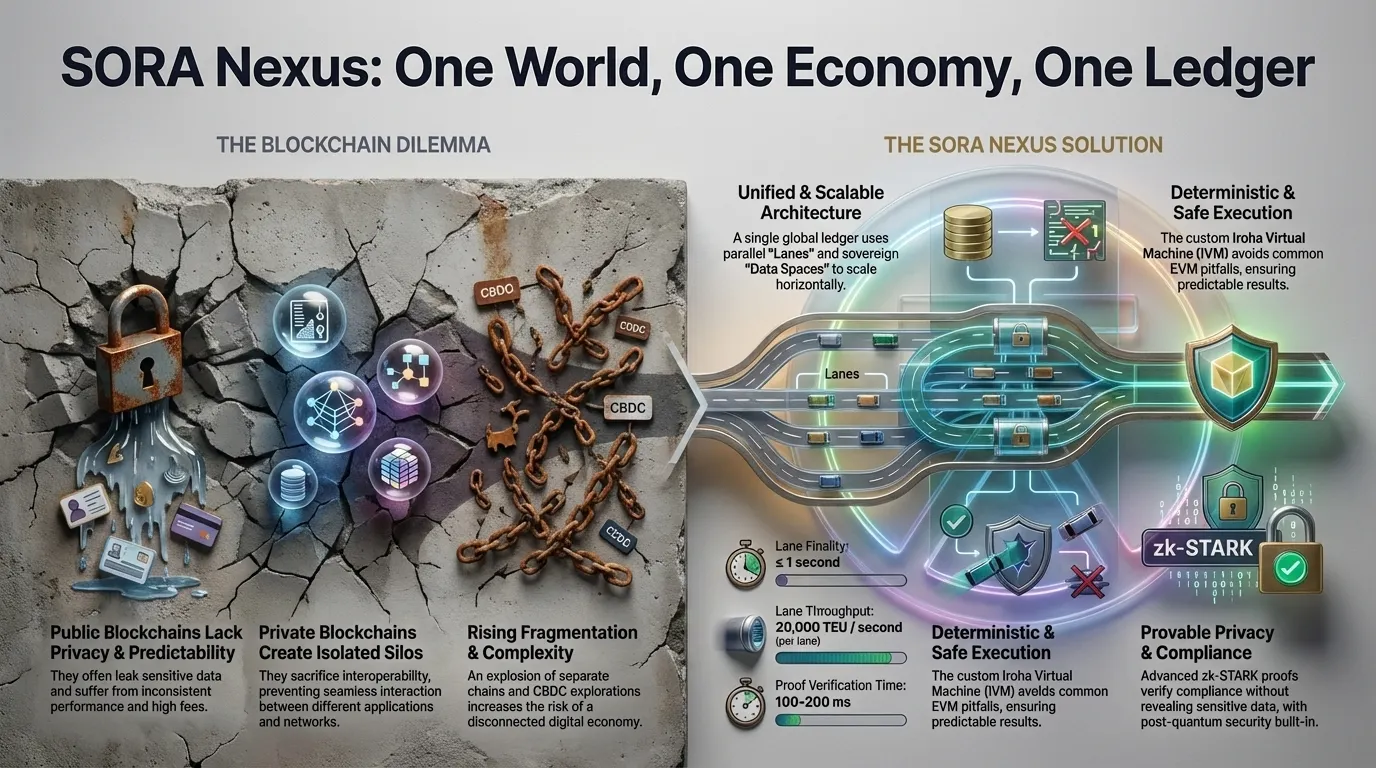
- Rapid launch: Minutes to operational chain with templates.
- Validator sovereignty: Your set, your rules.
- Seamless upgrades: EVM-compatible paths without downtime.
Financial institutions eyeing EEA-compliant solutions find parallels in tools like Conduit, but Canopy extends this to all builders, emphasizing limitless infra per MEXC insights.
Specialized Fee Markets: Economic Engines for Appchains
General layers impose uniform fees, misaligning incentives across apps. Canopy’s specialized fee markets Canopy let developers craft bespoke economics: dynamic pricing, app-native payments, community-directed rewards. This isn’t gimmickry; it’s optimization. Fees capture value for your chain, scaling rewards with usage and reducing extractive externalities.
Read more on implementing specialized fee markets in custom app-chains. Quantitative models show 5-10x cost reductions for high-throughput apps, as sovereignty eliminates base-layer calldata overhead. Canopy’s framework supports this natively, positioning app-specific blockchains Canopy as the future of scalable DeFi, NFTs, and beyond.
Horizontal scaling follows: add chains without diminishing returns. One appchain handles 100k TPS; ten scale to 1M, interop via standards like those emerging in 2026.
- Define your fee model: Usage-based or flat?
- Integrate native token: Fees and staking unified.
- Monitor and iterate: Sovereignty enables real-time tweaks.
These steps transform abstract economics into operational reality, where specialized fee markets Canopy become the engine driving retention and growth. Developers report chains live in under 10 minutes using Canopy Templates, per recent Cryptonews coverage, slashing weeks off traditional deployments.
Launch Canopy App-Chain: Template to Sovereign in 5 Steps
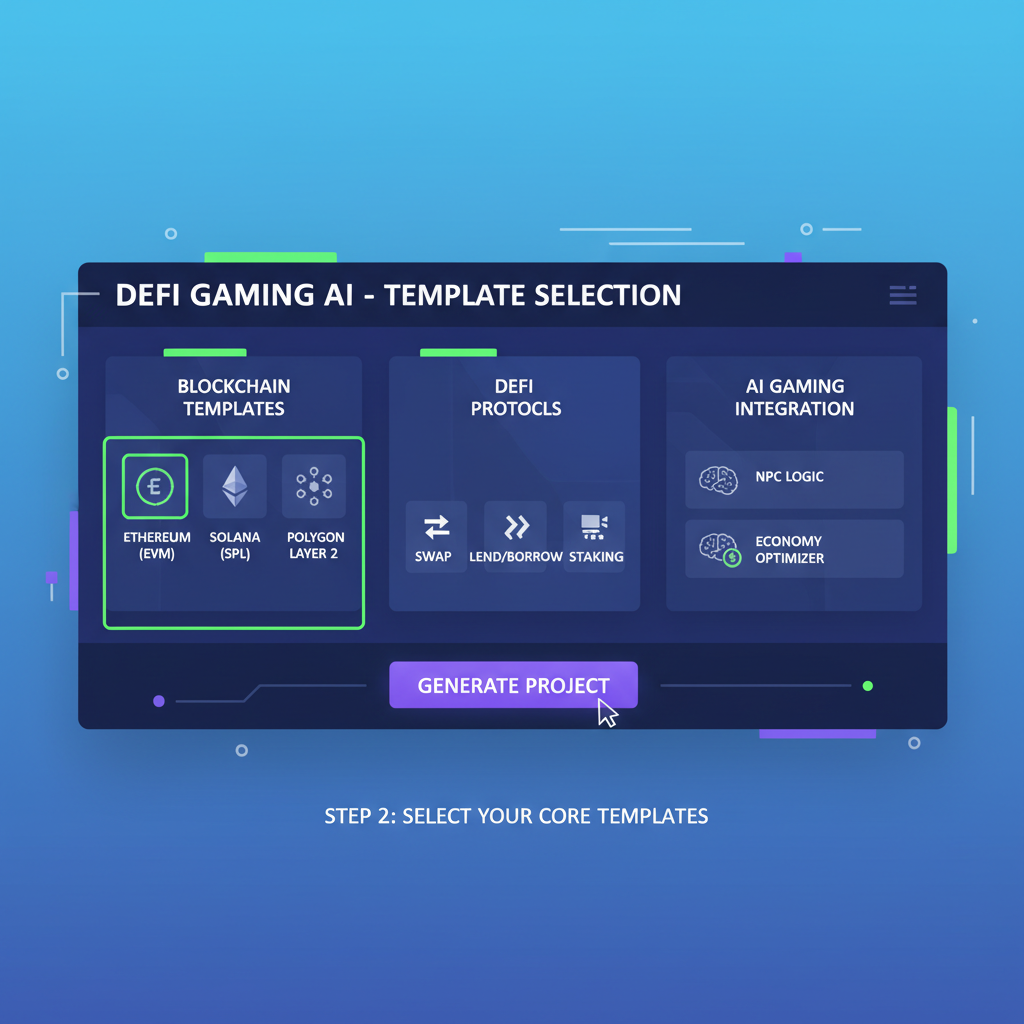

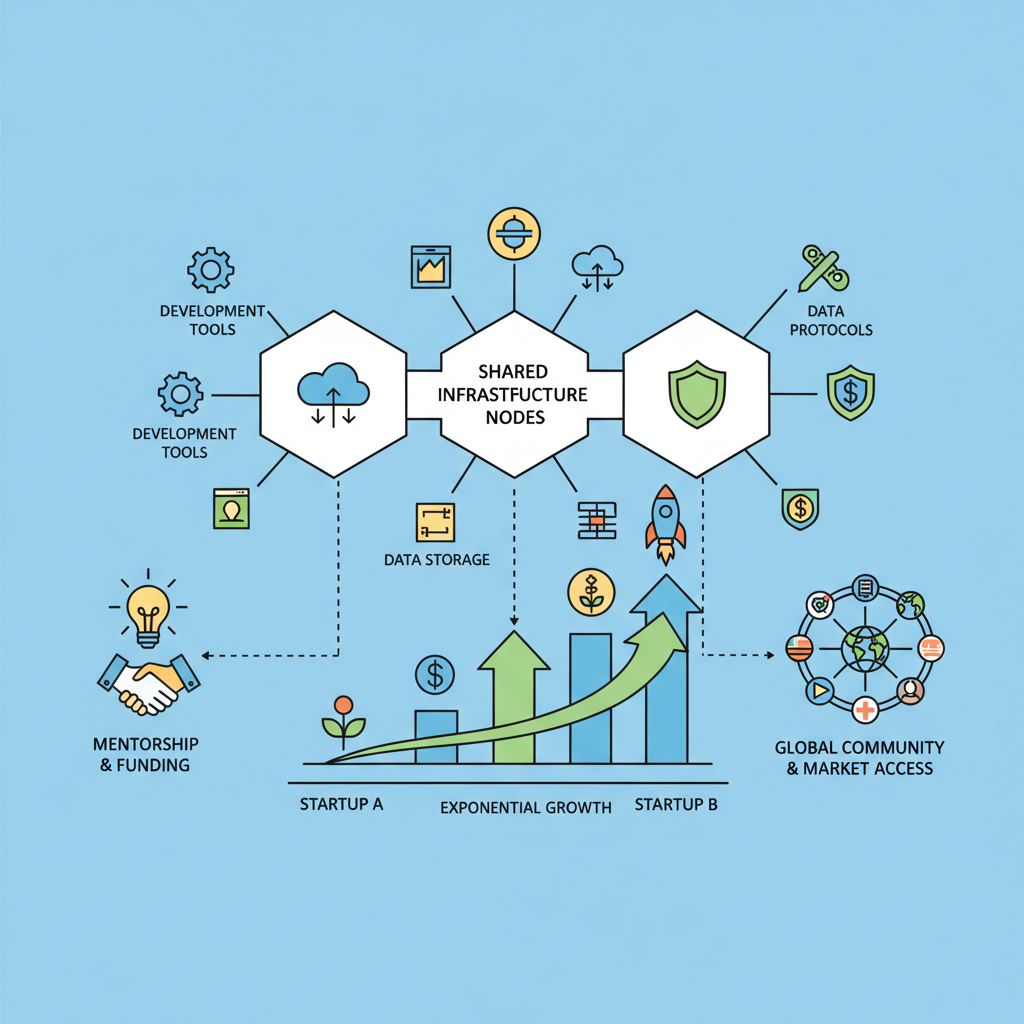
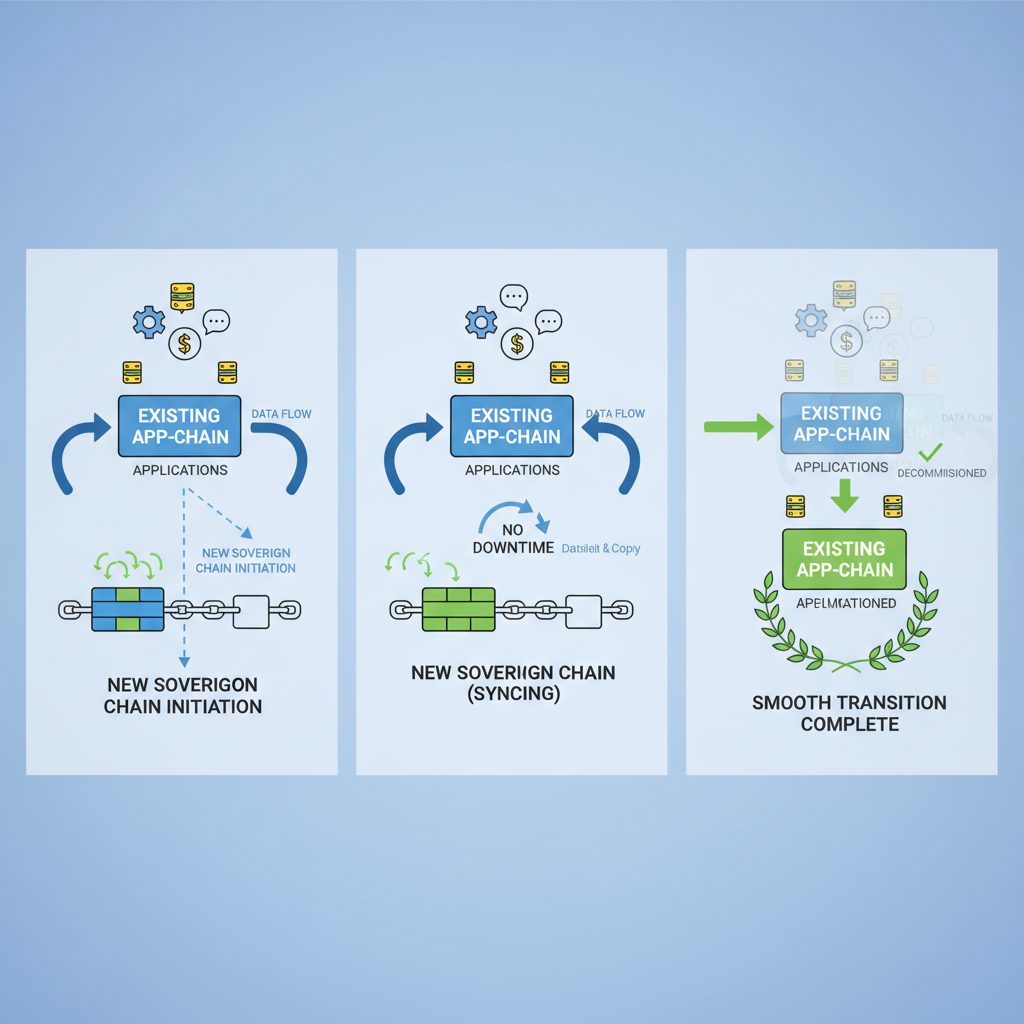
Quantitative edge shines here. Canopy chains hit 100k TPS per app, scaling linearly; stack 10 for million-scale throughput without L2 sequencer queues. Interop standards bridge them seamlessly, countering the 40-80 chain yearly onboarding crunch forecasted on X. For custom rollups Canopy, this means atomic composability across sovereign chains, not fragmented liquidity pools.
Explore deeper into how custom app-chains enable programmable fee markets. Real-world parallels emerge in Conduit’s EEA solutions, but Canopy democratizes this for indie devs and enterprises alike, emphasizing security via dedicated sets over probabilistic finality.
Scalability Metrics: Appchains vs. Shared L2s
Numbers don’t lie. Traditional L2s cap at 2k-5k TPS amid contention; app-specific blockchains Canopy dedicate resources, pushing 50k and TPS routinely. Canopy’s layerless design adds horizontal parallelism: each appchain operates independently, fees fueling its validators. Data from Quasm’s breakdowns confirm 3-5x latency drops, vital for real-time apps like prediction markets or high-frequency trading.
Optimism Technical Analysis Chart
Analysis by Tessa Crowley | Symbol: BINANCE:OPUSDT | Interval: 4h | Drawings: 7
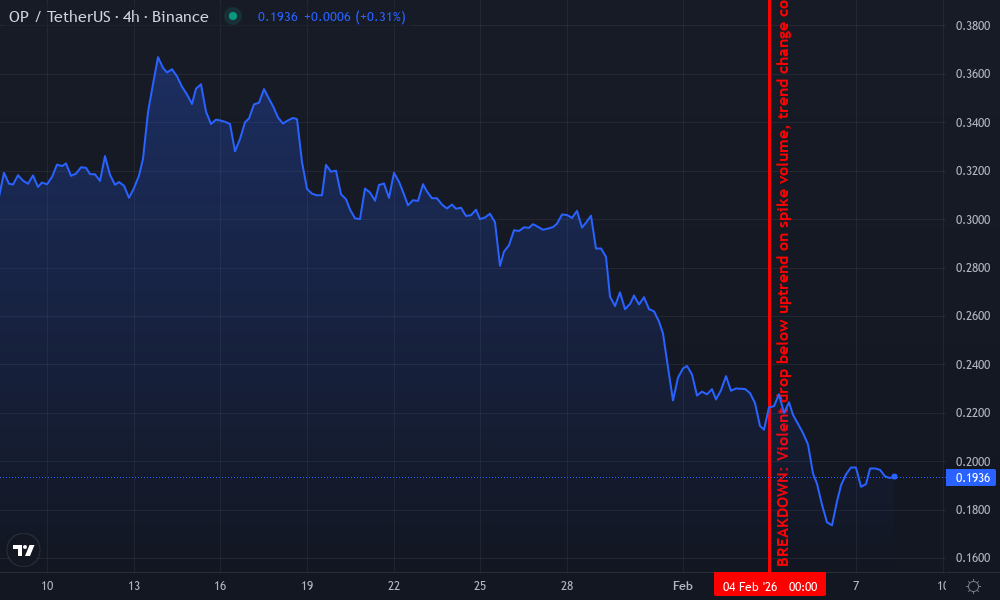
Technical Analysis Summary
To annotate this OPUSDT chart in my style: Start with a bold downtrend line from the peak at 2026-02-04 high (approx 2.95) to the recent low at 2026-02-07 (0.62), using trend_line tool, dashed red with label ‘Parabolic Breakdown’. Draw horizontal support at 0.60 (strong, green thick line), resistance at 1.00 and 1.50 (orange). Add fib_retracement from swing low Jan15 (1.20) to peak Feb04 (2.95), highlighting 61.8% retrace at ~1.45. Mark volume spike with callout ‘Climactic Volume on Dump’. Vertical line at 2026-02-04 for ‘Breakdown Day’. Rectangle over early Jan consolidation 1.20-1.50. Arrows for potential bounce at support.
Risk Assessment: high
Analysis: Post-parabolic dump with no stabilization, high volatility in appchain hype cycle increases whipsaw risk
Tessa Crowley’s Recommendation: Stay out or scalp bounces with tight stops; wait for higher lows and MACD bullish cross for longs
Key Support & Resistance Levels
📈 Support Levels:
-
$0.6 – Recent lows and psychological round number, volume shelf
strong -
$0.5 – Projected extension of dump, prior unseen support
weak
📉 Resistance Levels:
-
$1 – Initial retrace level, prior consolidation zone
moderate -
$1.5 – 50% fib retrace, heavy selling volume above
moderate -
$2 – Major prior support turned resistance
strong
Trading Zones (medium risk tolerance)
🎯 Entry Zones:
-
$0.62 – Bounce off strong support post-climactic selloff, watch for volume pickup
medium risk -
$0.7 – Break above dump low for confirmation of bottoming
low risk
🚪 Exit Zones:
-
$1 – First resistance test, take partial profits
💰 profit target -
$0.55 – Invalidation below key support
🛡️ stop loss -
$1.5 – Secondary target on retrace
💰 profit target
Technical Indicators Analysis
📊 Volume Analysis:
Pattern: climactic selling on breakdown
Massive volume spike on Feb 4-7 dump dwarfs prior rally, suggests exhaustion
📈 MACD Analysis:
Signal: bearish crossover with momentum divergence
MACD line crossed below signal during peak, histogram contracting post-dump hints at potential reversal
Applied TradingView Drawing Utilities
This chart analysis utilizes the following professional drawing tools:
Disclaimer: This technical analysis by Tessa Crowley is for educational purposes only and should not be considered as financial advice.
Trading involves risk, and you should always do your own research before making investment decisions.
Past performance does not guarantee future results. The analysis reflects the author’s personal methodology and risk tolerance (medium).
- Cost efficiency: Native fees avoid calldata posts, yielding 80% savings on high-volume txns.
- Customization depth: Tailor gas schedules to app logic, e. g. , zero fees for reads in data-heavy dApps.
- Upgrade sovereignty: Hold keys, fork freely, evolve without base-layer votes.
Canopy’s docs quantify the transition: 99.9% state preservation during autonomy shifts, zero downtime upgrades via EVM hooks. This isn’t hype; it’s engineered for the 1,000 and chain future, where interop lags force sovereign stacks.
Builders gain more than infra; they claim economic destiny. In a world of extractive L1s, launch appchain Canopy setups redirect value inward, bootstrapping treasuries from usage. Gaming guilds fund expansions via tx fees; DeFi protocols reward liquidity providers directly. Scalability follows sovereignty: no shared bottlenecks, just limitless parallelism.
“Progressive Autonomy lets teams launch fast, retain long-term ownership of their chain, and build toward a future of hundreds of specialized. . . ” – Coinpedia Fintech News
Canopy positions developers at the vanguard, where custom rollups evolve into self-sustaining ecosystems. With templates accelerating ideation to deployment, and fee markets optimizing every txn, the path to horizontal scaling clears. Dive into Canopy today, and architect the appchains defining web3’s next decade.
About the Author