Why custom app chains matter in 2026
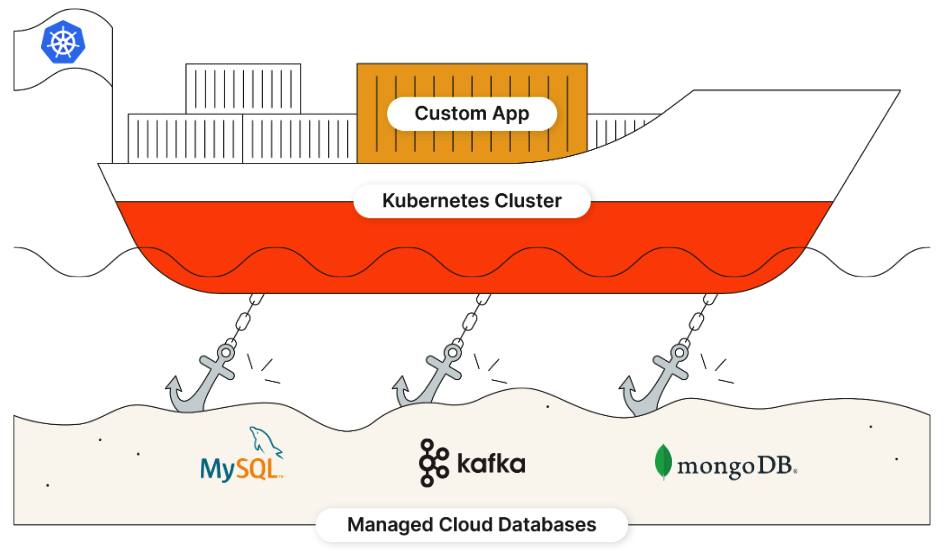
The blockchain landscape has shifted from a "one chain fits all" model to specialized infrastructure. An appchain is a blockchain exclusively designed to operate one specific application, rather than hosting multiple competing dapps on a shared ledger. This architecture allows developers to tailor consensus mechanisms, tokenomics, and gas fees to the exact needs of their product.
In 2026, this shift is driven by the limitations of general-purpose Layer 1s. Networks like Ethereum or Solana often face congestion during peak demand, causing transaction costs to spike and finality times to lag. For high-frequency applications like gaming or decentralized finance (DeFi) trading, these delays are unacceptable. Custom appchains isolate traffic, ensuring consistent performance regardless of broader network activity.
Platforms like Chainstack and Kaleido have made deploying these dedicated chains accessible without managing complex node infrastructure. Meanwhile, the Cosmos SDK provides the modular building blocks for teams to construct sovereign chains that can still interoperate with the wider ecosystem via IBC. This combination of dedicated resources and tailored consensus is why appchains are becoming the standard for scalable, user-friendly Web3 applications.
Top infrastructure platforms for appchains
Building a custom appchain from scratch requires managing complex node infrastructure, consensus mechanics, and networking protocols. Infrastructure platforms abstract this complexity, allowing developers to deploy and manage application-specific chains without building the underlying networking stack.
These providers act as the foundation layer, handling node provisioning, consensus configuration, and interoperability bridges. This approach lets teams focus on smart contract logic and user experience rather than infrastructure maintenance.
Key Infrastructure Providers
Chainstack offers a dedicated Appchains solution that enables developers to launch private, permissioned blockchains. It supports multiple consensus engines and provides tools for monitoring and managing nodes, making it suitable for enterprises requiring high throughput and data privacy.
Kaleido provides an enterprise-grade platform for deploying blockchain infrastructure. It supports public chains, permissioned networks, and interoperability protocols like IBC. Kaleido’s platform includes managed node services with uptime SLAs, simplifying the operational burden of running a custom chain.
Cosmos SDK is not a managed service but a framework for building independent blockchains. It allows developers to create custom consensus and networking layers. Teams use Cosmos SDK to build sovereign chains that can interoperate with the Cosmos Hub and other IBC-connected chains.
Comparison of Infrastructure Options
| Feature | Chainstack | Kaleido | Cosmos SDK |
|---|---|---|---|
| Deployment Type | Managed Appchains | Managed Infrastructure | Open-Source Framework |
| Consensus Support | Multiple Engines | Multiple Engines | Customizable |
| Interoperability | Bridge Support | IBC & Cross-Chain | Native IBC |
| Target Audience | Enterprise DApps | Enterprise Networks | Custom Chain Builders |


As an Amazon Associate, we may earn from qualifying purchases.
Essential SDKs and development frameworks
Building a custom app chain requires choosing the right underlying codebase. The SDK you select determines how much control you have over consensus, tokenomics, and governance. Below are the primary frameworks and platforms developers use to launch these chains in 2026.
Cosmos SDK: The Modular Standard
The Cosmos SDK is the most popular framework for building independent blockchains that can communicate with each other. It uses a modular architecture, allowing developers to swap out components like the consensus engine or the state machine without rewriting the entire codebase. This modularity is ideal for app chains that need specific governance rules or custom token standards.
Developers typically write their chain logic in Go. While the learning curve is steeper than EVM-based solutions, the resulting chains are highly performant and interoperable via the Inter-Blockchain Communication (IBC) protocol. Major projects like Osmosis and Celestia were built using this SDK.
Ethereum Virtual Machine (EVM) Chains
For developers already familiar with Solidity and the Ethereum ecosystem, EVM-compatible chains offer the fastest path to deployment. By using the EVM, you can deploy existing smart contracts and tools like Hardhat or Foundry without modification. Chains like Polygon, Arbitrum, and Optimism allow you to build app chains that inherit Ethereum’s security while offering lower fees.
This approach is best for teams prioritizing developer availability and existing tooling over custom consensus mechanisms. You trade some architectural flexibility for a massive ecosystem of pre-built libraries and user familiarity.
Kaleido and Chainstack: Managed Infrastructure
If you prefer not to manage the underlying node infrastructure, platforms like Kaleido and Chainstack provide managed SDKs and APIs. These services handle the heavy lifting of node deployment, networking, and security updates, allowing your team to focus on application logic.
Kaleido offers a "Chain Builder" that simplifies the creation of permissioned and public app chains. Chainstack provides a robust API for interacting with multiple blockchain networks, making it easier to integrate your app chain with existing enterprise systems. These platforms reduce the operational overhead significantly, though they may come with higher recurring costs.



As an Amazon Associate, we may earn from qualifying purchases.
Choosing the right stack for your project
Selecting the best custom app chains 2026 solution requires matching your technical constraints to the right infrastructure. There is no single platform that dominates every use case; instead, the decision rests on three pillars: security isolation, transaction speed, and cross-chain interoperability. Your choice dictates whether your dApp operates as an isolated silo or as part of a broader modular ecosystem.
Prioritize security and isolation
If your application handles sensitive financial data or requires strict regulatory compliance, you need a permissioned or semi-permissioned environment. Platforms like Chainstack and Kaleido offer managed infrastructure that simplifies node operations while maintaining enterprise-grade security. These tools are ideal for legacy organizations transitioning from traditional databases to blockchain, as they reduce the operational overhead of maintaining validator nodes.
Optimize for speed and throughput
For high-frequency trading or real-time gaming applications, latency is the primary enemy. The Cosmos SDK allows you to build sovereign blockchains that can process transactions independently of congested mainnets. By leveraging the Inter-Blockchain Communication (IBC) protocol, you gain the speed of a dedicated chain without sacrificing the ability to interact with other networks. This modular approach ensures your dApp remains responsive even during peak network congestion.
Ensure cross-chain liquidity
InteroperabilityIsolated chains risk becoming liquidity deserts. If your dApp relies on external assets or user bases from other ecosystems, interoperability standards like IBC or Chainlink’s CCIP are non-negotiable. These protocols act as the bridge between your custom chain and the broader blockchain landscape, allowing seamless asset transfers and data verification. Without this connectivity, your app chain functions as a closed loop, limiting its potential user base and economic utility.
Essential Developer Resources
Building a custom app chain is a complex engineering task. The following resources provide the foundational knowledge and security tools necessary for successful deployment.


As an Amazon Associate, we may earn from qualifying purchases.
Essential Development Tools and Resources
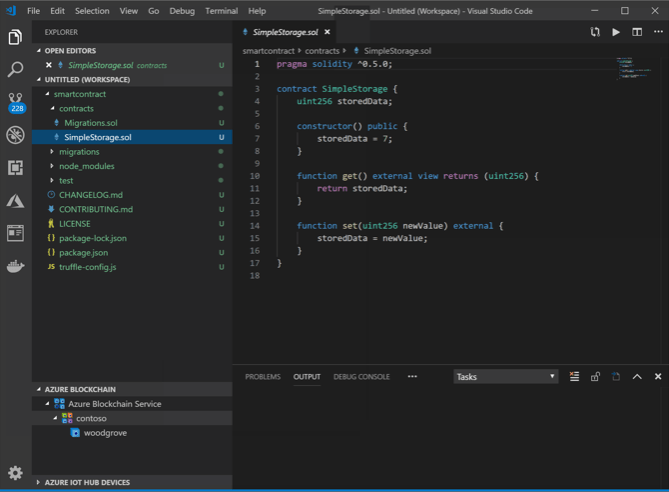
Building a custom app chain requires more than just the core protocol; it demands a robust ecosystem of local testnets, block explorers, and integrated development environment (IDE) plugins. These tools streamline the iterative process of deploying, testing, and monitoring your chain before it goes live.
Local Testnets and Development Frameworks
Local testnets allow developers to spin up isolated blockchain instances on their machines, enabling rapid iteration without risking mainnet assets. Frameworks like the Cosmos SDK provide modular building blocks that simplify the creation of application-specific chains. For Ethereum-based app chains, tools like Hardhat or Foundry offer comprehensive testing environments that simulate mainnet conditions, ensuring your smart contracts behave as expected under various scenarios.
Block Explorers and Monitoring
Once your chain is running, you need visibility into its state. Custom block explorers, such as Blockscout or Tendermint-based explorers, provide a user-friendly interface to inspect transactions, accounts, and contract states. These tools are critical for debugging and verifying that your app chain is processing data correctly. Integrating monitoring plugins into your IDE allows you to track gas usage and transaction failures in real-time, reducing the time spent troubleshooting deployment issues.
IDE Plugins and Security Audits
Integrating security audits directly into your development workflow is non-negotiable for 2026 app chains. IDE plugins for Solidity or Rust can flag common vulnerabilities as you code, preventing costly mistakes before they reach the testnet. Additionally, using automated linting tools ensures your code adheres to best practices, making your app chain more maintainable and secure for future upgrades.
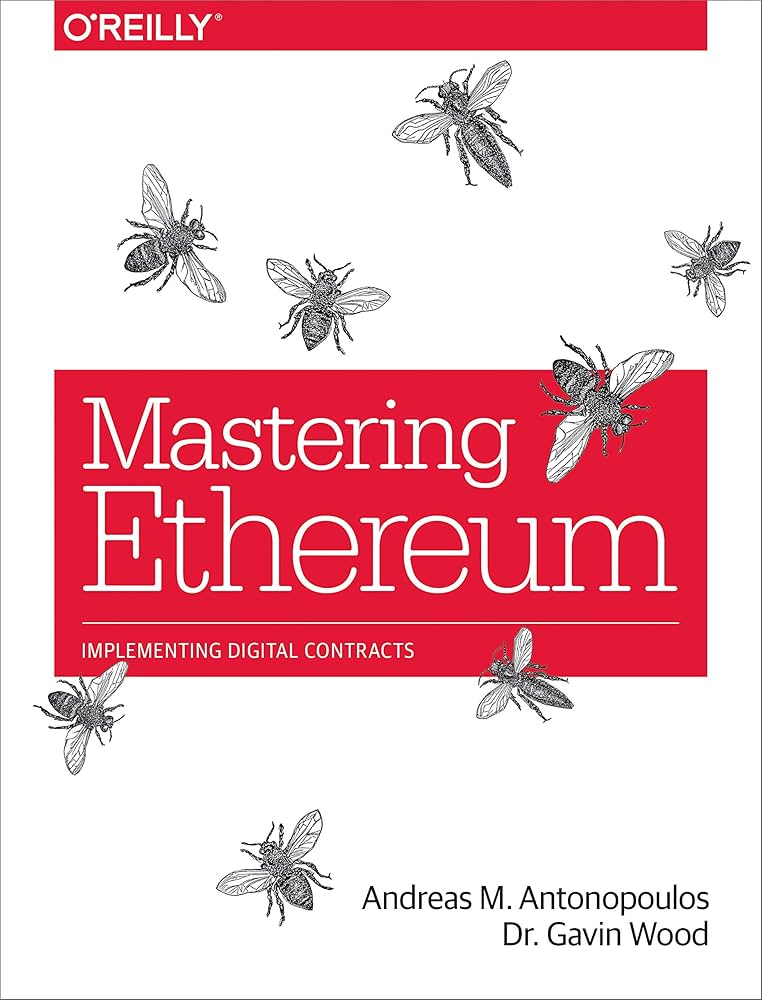

As an Amazon Associate, we may earn from qualifying purchases.
Frequently asked questions about appchains
What is the best blockchain to build dapps?
Ethereum remains the leading platform for dapp development due to its mature smart contract ecosystem and Solidity language. However, for custom appchains, Cosmos SDK and Polygon CDK offer more flexibility for isolated, high-performance chains tailored to specific business logic.
How do appchains differ from Layer 2s?
Layer 2 solutions like Arbitrum or Optimism settle on a base chain (usually Ethereum) and share its security. An appchain is a standalone blockchain with its own validators and economic security, designed to handle one specific application without competing for block space with unrelated users.
What is the cost of deploying an appchain?
Costs vary significantly based on the tooling. Using managed services like Chainstack or Kaleido involves monthly subscription fees and infrastructure costs, while self-hosting a Cosmos SDK chain requires upfront development time and ongoing validator node expenses. Expect initial setup costs ranging from a few hundred to several thousand dollars depending on complexity.
No comments yet. Be the first to share your thoughts!