The shift to sovereign infrastructure
In 2026, the enterprise blockchain strategy is moving away from shared Layer 1 networks toward dedicated, sovereign chains. This shift is driven by the need for full control over infrastructure, a requirement that public blockchains simply cannot meet for high-stakes institutional deployments. Shared networks introduce unpredictable congestion and compliance friction, whereas dedicated chains offer the isolation and predictability that regulated industries demand.
The core value proposition of sovereign infrastructure is control. Enterprises require dedicated capacity and custom configurations to align with specific regulatory frameworks and operational SLAs. By running their own chain, organizations can dictate consensus mechanisms, data privacy layers, and upgrade cycles without waiting for broader network governance decisions. This autonomy transforms blockchain from a speculative asset into a reliable, enterprise-grade utility.
To understand the baseline volatility that dedicated chains aim to mitigate, consider the market behavior of major assets like Ethereum.
This move toward sovereignty represents a fundamental change in how enterprises view blockchain integration. It is no longer about choosing a platform; it is about building the platform. This approach ensures that the technology serves the business logic and compliance needs directly, rather than forcing the business to adapt to the limitations of a public network.
Top frameworks for dedicated L1 solutions
Building a custom app chain requires choosing the right foundational architecture. In 2026, enterprise developers primarily rely on three modular frameworks: Cosmos SDK, Substrate, and Avalanche Subnets. Each offers distinct trade-offs in language flexibility, consensus mechanisms, and integration complexity.
Cosmos SDK provides a modular toolkit written in Go, allowing teams to build sovereign blockchains that interoperate via the Inter-Blockchain Communication (IBC) protocol. Its modular design enables developers to swap out components like consensus or state-sync without rewriting the entire chain. This approach has proven effective for high-throughput financial applications requiring strict finality.
Substrate, developed by Parity Technologies, is a Rust-based framework that offers maximum flexibility. It allows developers to define custom consensus and runtime logic from scratch. While this offers unparalleled control, it requires a steeper learning curve and significant engineering resources. Substrate is often chosen when a project needs unique economic models or specialized privacy features that standard frameworks cannot support.
Avalanche Subnets leverage the Avalanche consensus protocol, offering near-instant finality and high throughput. Built on the Go programming language, Subnets allow enterprises to create custom virtual machines (VMs) that define specific application logic. This framework is particularly attractive for organizations already invested in the Ethereum ecosystem, as it supports EVM-compatible chains with minimal configuration.
The following table compares these frameworks based on key technical attributes relevant to enterprise deployment.
| Framework | Core Language | Consensus | Interoperability | Enterprise Readiness |
|---|---|---|---|---|
| Cosmos SDK | Go | Tendermint BFT | IBC Protocol | High |
| Substrate | Rust | Customizable (PBFT, BABE) | Polkadot Relay Chain | Medium |
| Avalanche Subnets | Go | Avalanche Consensus | Cross-Subnet Messaging | High |
Choosing between these options depends on your team's existing expertise and specific scalability needs. Cosmos SDK is ideal for teams prioritizing interoperability and proven stability. Substrate suits projects requiring deep customization and unique consensus mechanisms. Avalanche Subnets offer a balanced approach for enterprises seeking high performance and EVM compatibility.
Enterprise Web3 scaling requirements
Enterprise adoption of custom app chains in 2026 is driven by a fundamental shift from experimental pilots to production-grade infrastructure. Institutions no longer tolerate the congestion and unpredictable latency of shared public networks. The requirement is full control over the underlying infrastructure, ensuring dedicated capacity and predictable performance for critical business operations.
Throughput and finality
High-frequency financial transactions and complex supply chain updates demand consistent throughput that public chains cannot guarantee during peak congestion. Custom app chains allow enterprises to configure block sizes and consensus mechanisms tailored to their specific load. This ensures deterministic finality, a non-negotiable requirement for settlement layers where ambiguity is unacceptable.
Sovereign security and compliance
Shared security models often conflict with strict regulatory frameworks. Sovereign chains provide the isolation necessary to implement granular access controls and data residency requirements. This architectural independence allows enterprises to embed compliance directly into the protocol level, rather than relying on external layer-two solutions that may introduce additional points of failure.
Development workflow and integration
Building a custom app chain requires a structured approach that balances technical rigor with business alignment. The process moves from defining the specific use case to deploying a sovereign network capable of handling enterprise-grade throughput. Each phase ensures the chain remains optimized for its intended purpose rather than serving as a generic layer.

Start by identifying the specific operational bottleneck or data integrity requirement the chain will solve. Custom app chains excel when standard public networks cannot meet latency, privacy, or cost constraints. Documenting these parameters early prevents feature creep and ensures the consensus mechanism aligns with actual throughput needs.

Choose a modular blockchain framework such as Cosmos SDK, Substrate, or Polygon CDK based on your existing tech stack and interoperability requirements. The platform must support the specific virtual machine (EVM, WASM, etc.) your smart contracts require. This decision dictates the developer experience, security model, and ability to connect with other chains via bridges or IBC.
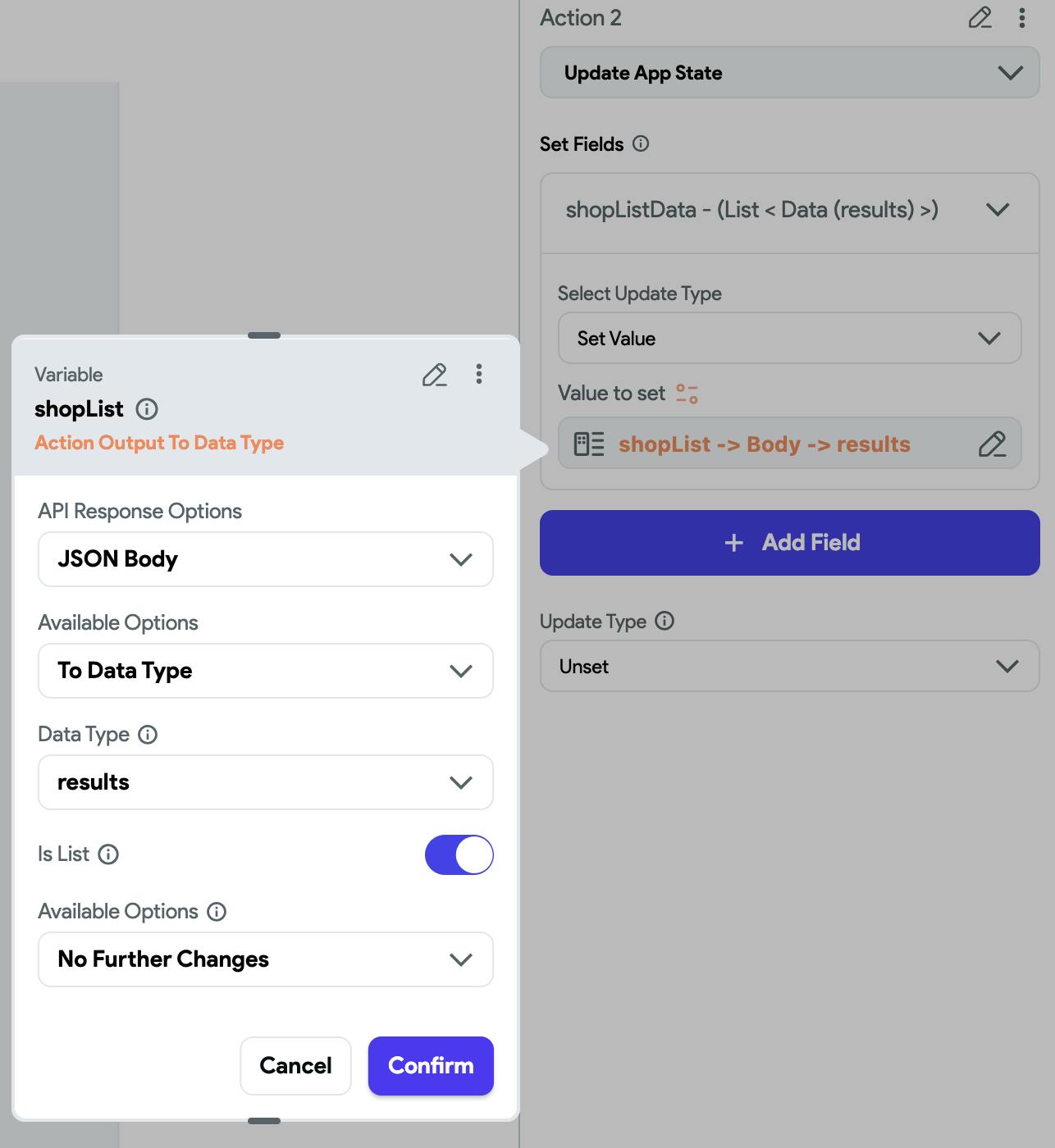
Define the validator set, governance structure, and native token utility before writing code. Enterprise chains often require permissioned validators or specific slashing conditions to maintain compliance. The token model should incentivize node operators while providing a clear mechanism for transaction fee payment and governance participation.

Write and audit smart contracts using the selected virtual machine, then deploy them to a local testnet or public testnet like Sepolia or Mumbai. Rigorous testing is non-negotiable; smart contracts are immutable once deployed. Use formal verification tools where possible to identify edge cases in logic that could lead to exploits or state corruption.
Launch the genesis block on mainnet and configure RPC endpoints for your frontend applications. Integrate wallet providers and indexing services like The Graph to query chain data efficiently. Establish monitoring dashboards to track block times, gas usage, and validator health, ensuring immediate response to any network anomalies.
No comments yet. Be the first to share your thoughts!