Defining appchains for enterprise use
An application-specific blockchain, commonly referred to as an appchain, is a distributed ledger engineered to serve a single application or distinct use case rather than hosting multiple independent applications on a shared substrate. Unlike general-purpose Layer 1 blockchains or Layer 2 scaling solutions, which must accommodate diverse, often conflicting, transaction patterns, an appchain operates independently with tailored consensus mechanisms, state management, and economic models.
This architectural separation allows enterprises to optimize performance for specific operational requirements. By isolating traffic, appchains reduce network congestion and lower transaction costs for the intended application. The independence of the chain ensures that the performance of one business process does not degrade due to activity in unrelated sectors, a common limitation in shared blockchain environments.
From a regulatory and compliance perspective, this isolation provides a clearer boundary for data governance. Enterprises can configure access controls and data retention policies specific to the application's legal obligations without negotiating constraints imposed by a broader, public network. This specificity is a foundational consideration for organizations navigating complex regulatory frameworks in 2026.
Why enterprises choose dedicated networks
The shift toward custom app chains in 2026 reflects a strategic move from shared public infrastructure to dedicated networks. An appchain is a blockchain designed exclusively for a specific application, allowing enterprises to tailor consensus mechanisms, data availability, and governance models to precise operational needs. This dedicated approach contrasts with general-purpose blockchains, where resource contention among diverse applications often leads to unpredictable performance.
From a compliance perspective, dedicated networks offer clearer boundaries for regulatory adherence. By isolating transaction data and controlling validator sets, enterprises can implement stricter access controls and audit trails. This isolation is critical for sectors subject to data sovereignty laws, as it ensures that sensitive information does not mix with unrelated public traffic, reducing exposure to cross-application vulnerabilities.
Performance stability is another primary driver. Shared chains often experience congestion during peak usage, causing latency spikes and increased transaction fees. A custom appchain eliminates this variability by allocating resources solely to the enterprise’s workload. This predictability supports real-time settlement requirements and ensures consistent user experiences, which are essential for high-stakes financial or healthcare applications.
Timeline of Infrastructure Evolution
- 2023: Early experimentation with sidechains and Layer-2 rollups.
- 2024: Rise of modular blockchain architectures.
- 2025: Standardization of appchain deployment frameworks.
- 2026: Enterprise adoption of dedicated appchains for compliance and scale.
The decision to deploy a dedicated network involves evaluating technical overhead against the benefits of isolation and control. Enterprises must consider whether the complexity of maintaining a custom chain justifies the gains in performance and regulatory clarity compared to leveraging established Layer-2 solutions.
Modular Blockchain Framework Comparison
Selecting the right infrastructure requires evaluating how each framework handles consensus, state management, and cross-chain communication. In 2026, the primary distinction lies between general-purpose modular frameworks and those optimized for specific execution environments. The following comparison outlines the structural differences between Cosmos SDK, Substrate, Avalanche Subnets, and Polygon zkEVM to aid in technical due diligence.
| Framework | Consensus Model | Primary Language | Interoperability | Primary Use Case |
|---|---|---|---|---|
| Cosmos SDK | Tendermint BFT | Go | IBC Protocol | Modular, sovereign chains |
| Substrate | Finality Gadget / BABE | Rust | XCMP / Parachains | Customized consensus logic |
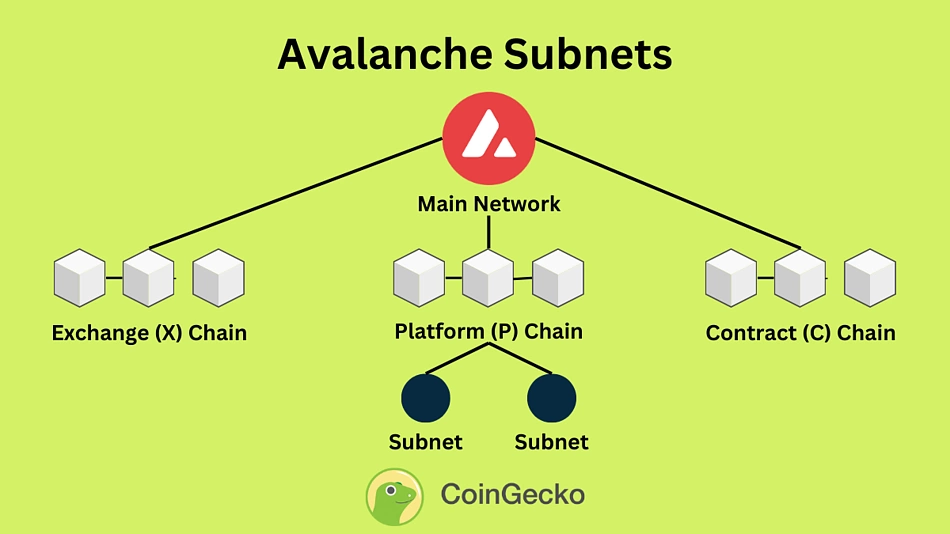
| Avalanche Subnets | Snowman (Avalanche) | Go | C-Chain / X-Chain | High-throughput enterprise chains |
| Polygon zkEVM | zk-Rollup (Off-chain) | Solidity | Polygon PoS / Ethereum | EVM-compatible scaling |
Cosmos SDK provides a modular toolkit for building independent blockchains that communicate via the Inter-Blockchain Communication (IBC) protocol. It is particularly suited for enterprises requiring sovereign control over consensus and governance while maintaining connectivity to the broader Cosmos ecosystem. The framework’s reliance on Go offers a balance between performance and developer accessibility, though the learning curve for customizing ABCI++ applications can be steep.
Substrate, developed by Parity Technologies, is a Rust-based framework that allows for deep customization of the blockchain core. Unlike Cosmos, which emphasizes modularity through separate modules, Substrate allows developers to alter consensus and state transition logic at a fundamental level. This flexibility is critical for projects with unique regulatory or performance requirements, though it demands a higher level of Rust expertise.
Avalanche Subnets leverage the Avalanche consensus protocol to create custom blockchains that share security with the main network. They are designed for high throughput and low latency, making them suitable for financial applications or gaming platforms that require rapid finality. The ability to define custom virtual machines allows for tailored execution environments while maintaining interoperability with the core Avalanche chain.
Polygon zkEVM focuses on compatibility with the Ethereum Virtual Machine (EVM) while providing scalability through zero-knowledge rollup technology. This framework is ideal for projects that require seamless migration from existing Ethereum dApps or need to leverage the vast ecosystem of Ethereum-based tools and wallets. It offers a familiar development experience for Solidity developers while addressing scalability and cost concerns through off-chain computation.
Deploying Custom App Chains in 2026
Implementing a custom appchain requires a structured workflow that moves from technical architecture to regulatory compliance. In 2026, enterprise deployments prioritize frameworks like Cosmos SDK v0.50+ and Polkadot SDK v1.0+ for their modularity and interoperability standards. The following steps outline the practical workflow for deploying a custom appchain, from framework selection to mainnet launch.
Begin by selecting a framework that aligns with your application’s specific throughput and finality requirements. Cosmos SDK v0.50+ offers extensive IBC (Inter-Blockchain Communication) support, facilitating cross-chain asset transfers and data sharing. Polkadot SDK v1.0+ provides shared security via parachains, reducing the operational burden of validator management. Evaluate each against your jurisdiction’s technical compliance standards before committing to an architecture.

Define the on-chain governance model and tokenomic parameters to ensure long-term stability. Establish clear voting mechanisms for protocol upgrades and treasury management, ensuring they meet corporate governance requirements. Set initial inflation rates, staking rewards, and transaction fee structures to prevent economic exploitation. These parameters must be documented and auditable, as they form the basis of the chain’s legal and financial identity.

Deploy a robust network of validator and RPC nodes to handle transaction processing. Utilize managed infrastructure providers like Chainstack or Zeeve for reliable uptime and security patches, which is critical for enterprise SLAs. Ensure node operators are geographically distributed to maintain decentralization and resist censorship. Regularly audit node configurations for vulnerabilities, particularly regarding network exposure and data persistence.

Perform comprehensive security audits before any public-facing deployment. Engage third-party firms to review smart contracts, consensus mechanisms, and node software for vulnerabilities. Focus on common attack vectors such as reentrancy, consensus bugs, and economic exploits. Document all findings and remediation steps to maintain a clear audit trail for regulatory inquiries. This step is non-negotiable for high-stakes enterprise applications.

Execute the mainnet launch with a phased rollout to monitor system stability. Begin with a limited set of validators and gradually expand the network. Implement real-time monitoring for transaction throughput, block finality, and network latency. Establish incident response protocols to address any unexpected issues promptly. Continuous monitoring ensures the appchain remains compliant with performance and security standards over time.
-
Select Cosmos SDK or Polkadot SDK framework
-
Configure on-chain governance and tokenomics
-
Deploy distributed validator and RPC nodes
-
Complete third-party security audits
-
Execute phased mainnet launch with monitoring
Key questions on appchain deployment
Organizations evaluating application-specific blockchains often require clarity on foundational definitions, development timelines, and implementation strategies. The following considerations address common technical and strategic inquiries regarding appchain architecture and 2026 development frameworks.
No comments yet. Be the first to share your thoughts!