

Why 2026 is the Year of Custom App Chains
The shift toward custom app chains in 2026 is not driven by hype, but by the need for infrastructure that scales with specific business logic. Unlike general-purpose blockchains that force every application to compete for the same limited block space, app chains provide dedicated environments. This separation allows developers to tune consensus mechanisms, security models, and tokenomics to match the exact needs of their application, whether that requires high-frequency transactions or strict regulatory compliance.
We selected these five use cases based on three practical criteria: clear economic advantage over shared networks, demonstrated technical feasibility in current testnets, and immediate relevance to enterprise or consumer pain points. Each example below highlights where dedicated infrastructure solves a problem that generic chains cannot, offering a concrete look at how this technology is reshaping Web3 infrastructure.
5 Use Cases Redefining Web3 Infrastructure
Custom app chains shift Web3 infrastructure from generic blockchains to purpose-built networks. This section breaks down five concrete use cases, detailing the specific tradeoffs, costs, and technical requirements needed to evaluate if a dedicated chain is the right move for your 2026 strategy.
-
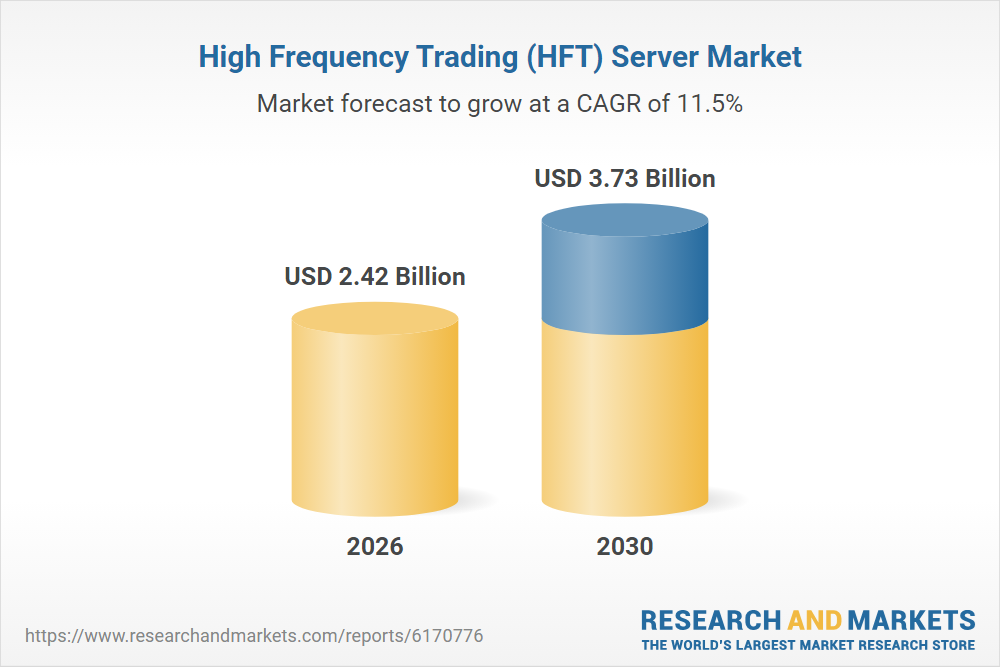
High-frequency trading with sub-millisecond latency
App chains eliminate blockchain congestion for financial markets requiring deterministic execution. By running trading logic on dedicated nodes, firms achieve sub-millisecond latency unattainable on shared Layer 1s. This infrastructure supports complex order matching engines while maintaining cryptographic settlement guarantees. Traders gain the speed of centralized exchanges with the transparency of on-chain audits. -

Decentralized gaming with on-chain state
On-chain state enables true digital ownership, allowing players to trade assets across games without platform lock-in. App chains host game logic and state separately, ensuring high throughput for real-time interactions while preserving asset permanence. Developers can iterate rapidly on mechanics without congesting the global network. This architecture supports complex economies where items retain value beyond a single session. -
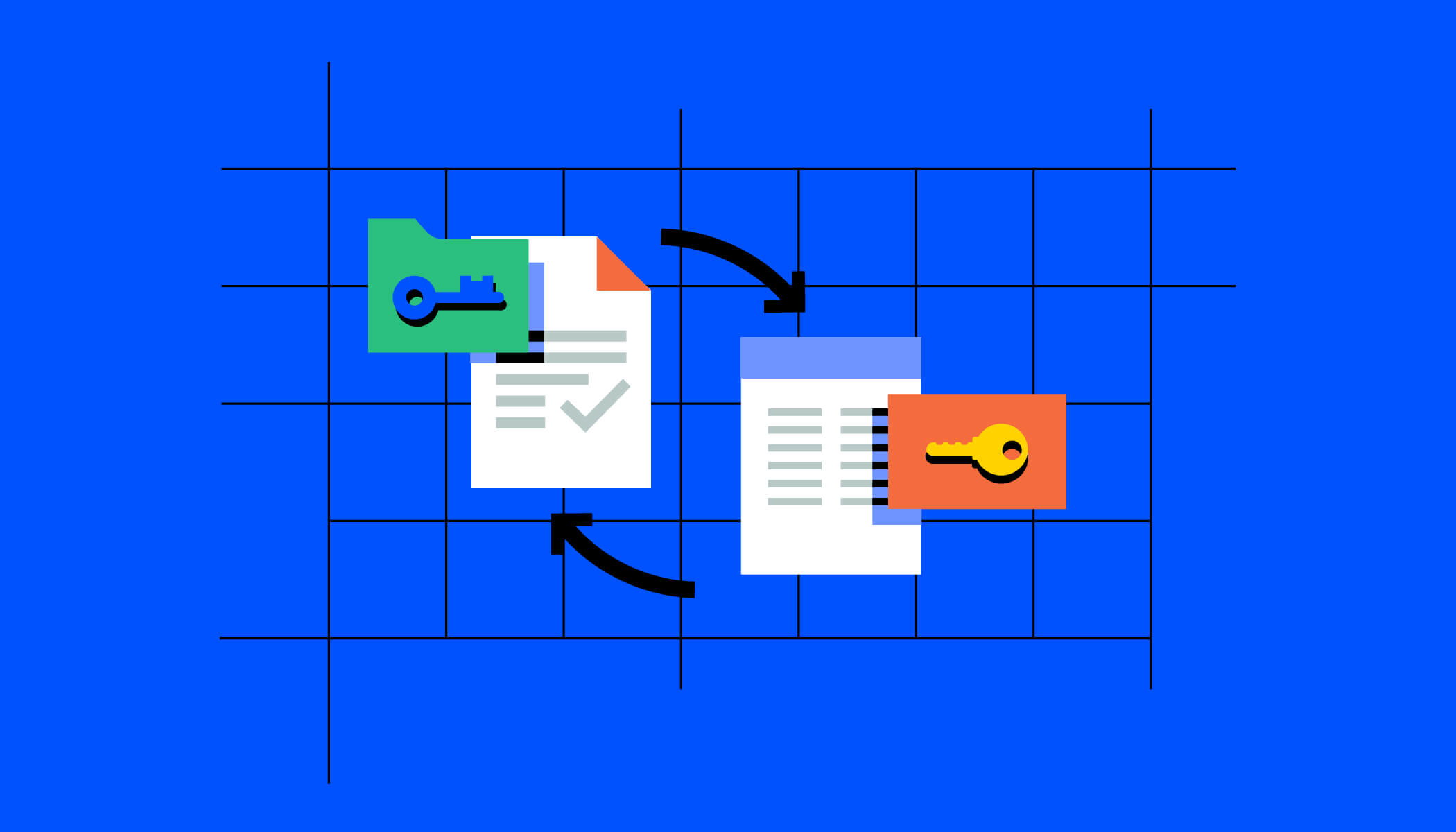
Private enterprise data with zero-knowledge proofs
Enterprises use app chains to store sensitive data off-chain while proving compliance on-chain via zero-knowledge proofs. This setup allows audits without exposing proprietary algorithms or customer information. Custom chains optimize storage costs and access controls specific to corporate governance. Companies maintain regulatory adherence while leveraging blockchain’s immutability for supply chain verification. -
Social media with user-owned identity
App chains enable social platforms where identity and content reside in user-controlled wallets, not central servers. This structure prevents arbitrary censorship and data harvesting by tech giants. Users port their reputation and followers across applications seamlessly. Creators retain monetization rights, shifting power from platforms to individuals through decentralized governance. -

Real-world asset tokenization with compliance
Tokenized real-world assets require tailored chains that embed regulatory checks directly into smart contracts. App chains enforce KYC/AML rules at the protocol level, ensuring only verified participants trade securities. This approach bridges traditional finance with blockchain efficiency. Institutions gain fractional ownership capabilities while maintaining strict legal compliance frameworks.
Pick the right fit
Use this section to make the decision easier to compare in real life, not just on paper. Start with the reader's actual constraint, then separate must-have requirements from details that are merely nice to have. A practical choice should survive normal use, maintenance, timing, and budget. If a recommendation only works in an ideal situation, call that out plainly and give the reader a fallback path.
-
Verify the basicsConfirm the core specs, condition, and fit before comparing extras.
-
Price the downsideLook for the repair, maintenance, or replacement cost that would change the decision.
-
Compare alternativesCheck at least two comparable options before treating one listing as the benchmark.
No comments yet. Be the first to share your thoughts!