The multi-chain future has arrived, and with it, a new paradigm for decentralized applications: custom app-chains. As dApps jockey for market share and user engagement, the ability to access liquidity across blockchains is rapidly becoming a non-negotiable feature. Custom app-chains, tailored to the unique needs of individual applications, are emerging as the key infrastructure unlocking this cross-chain liquidity and unleashing unprecedented power for dApps.

Why Liquidity Silos Are Holding dApps Back
Traditional dApps built on monolithic blockchains often struggle with liquidity silos. Each chain operates in relative isolation, fragmenting assets and users. For DeFi protocols, games, or NFT marketplaces, this means:
- Users face limited trading pairs and higher slippage
- Protocols can’t tap into capital pools from other ecosystems
- Developers are boxed into one set of technical constraints and fee markets
This siloed approach stifles innovation and limits growth. Enter custom app-chains: application-specific blockchains optimized for performance, security, and, crucially, interoperability.
The App-Chain Advantage: Tailored Infrastructure Meets Seamless Interoperability
Custom app-chains flip the script by letting developers design their own blockchain environments. This means:
Key Benefits of Custom App-Chains for Cross-Chain Liquidity
- Access to Broader Liquidity Pools: Custom app-chains enable dApps to tap into liquidity across multiple blockchains, increasing available capital and improving trade execution. This expanded access helps reduce slippage and offers users more competitive pricing.
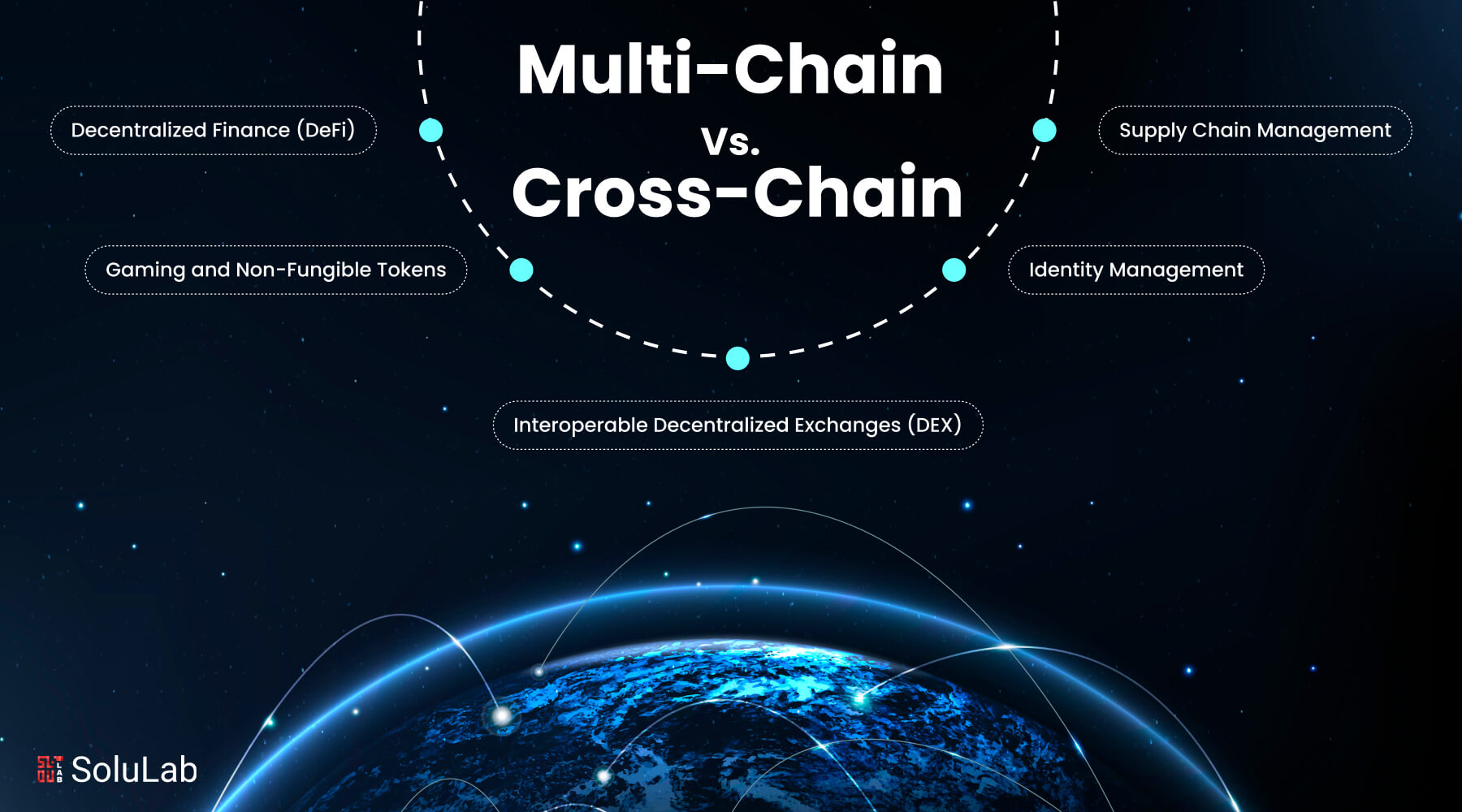
- Enhanced User Experience: By integrating cross-chain bridges and aggregators such as Rhino.fi and Across Protocol, app-chains allow users to move assets seamlessly between networks without leaving the dApp interface.
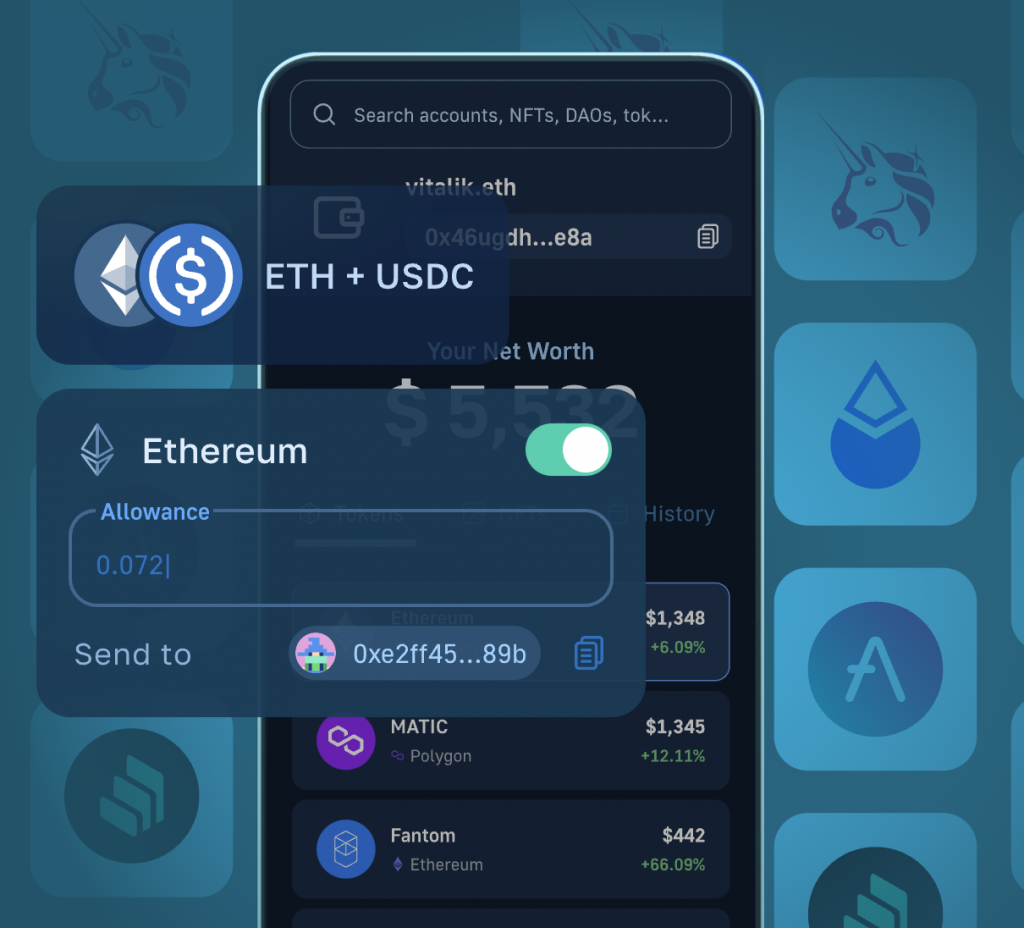
- Improved Capital Efficiency: Accessing liquidity from multiple chains enables dApps to offer better financial products, optimize yield strategies, and minimize idle assets, benefiting both users and protocols.

- Greater Composability and Innovation: Cross-chain interoperability protocols like Analog GMP and LayerZero allow dApps to integrate with diverse protocols, fostering new use cases and collaborative solutions.
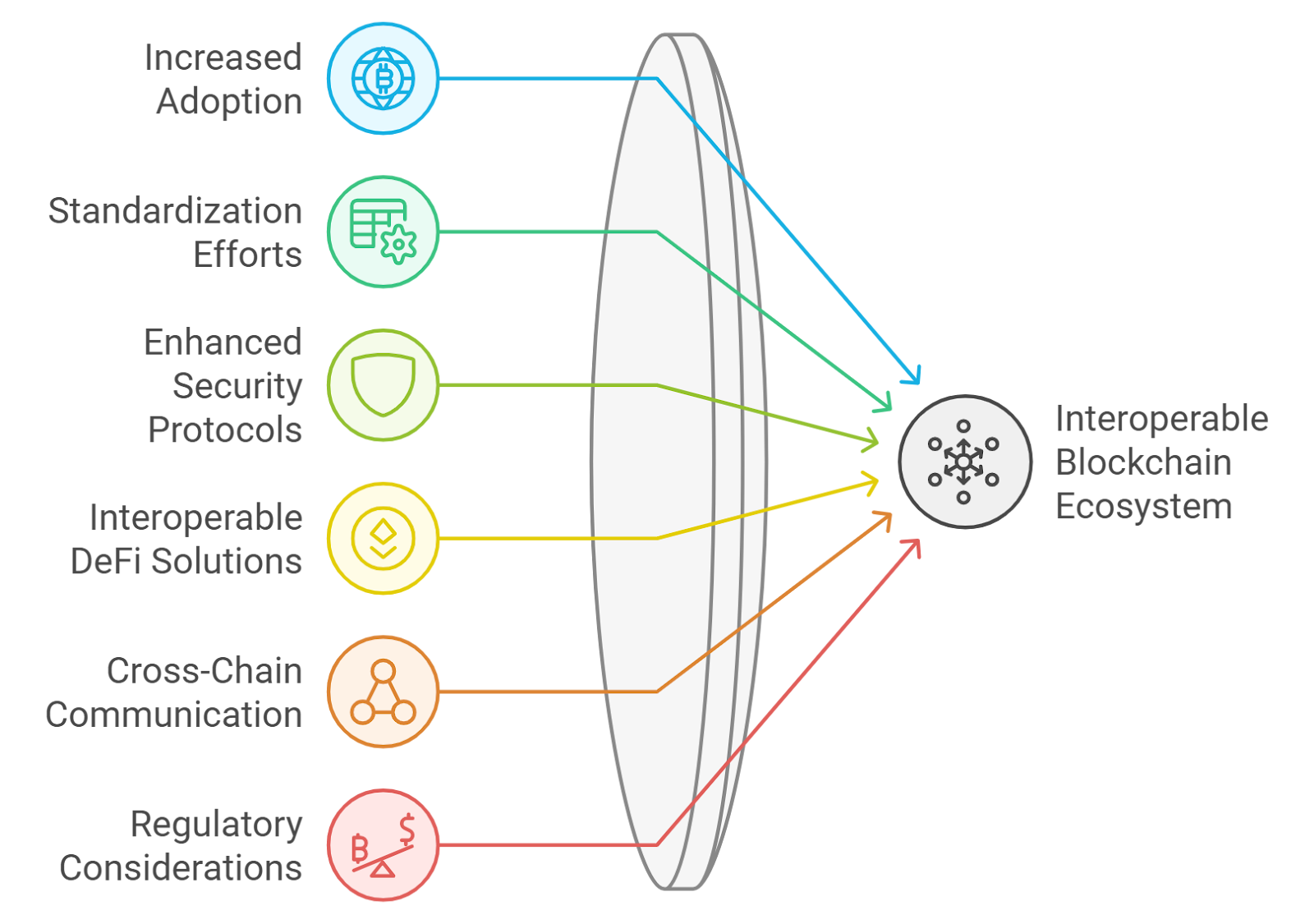
- Expanded User Base: By supporting assets and users from multiple ecosystems, app-chains help dApps reach a wider audience and drive greater adoption.
But the real magic happens when these chains are built with interoperability as a core feature. By leveraging cutting-edge cross-chain protocols like LayerZero’s omnichain messaging (arxiv. org) or integrating APIs from platforms like Rhino. fi (rhino. fi), app-chains can:
- Aggregate liquidity from multiple chains in real time
- Enable users to move assets seamlessly without leaving the dApp interface
- Create new financial primitives by composing protocols across ecosystems
This is not theoretical, projects like forbitspace are already uniting DEXs across chains to break down barriers to capital flow (cointelegraph. com).
The Mechanics Behind Cross-Chain Liquidity Unlocked by App-Chains
How do custom app-chains actually achieve this seamless interoperability? The answer lies in a blend of architecture choices and integration points:
- Interoperability Protocols: Protocols like LayerZero enable direct messaging between contracts on different chains without relying on centralized custodians.
- Cross-Chain Bridges and Aggregators: Solutions such as Rhino. fi and Swing abstract away complexity by providing unified APIs that handle asset transfers behind the scenes.
- General Message Passing (GMP): Protocols like Analog’s GMP facilitate not just token transfers but also arbitrary data messages, enabling composable logic across networks (analog. one).
This toolbox lets developers build dApps that don’t just sit atop a single chain, they orchestrate value flows across an entire ecosystem.
Pioneering Projects: Real-World Impact of Cross-Chain App-Chains
The theory is compelling, but what does it look like in production? Consider Across Protocol, which embeds cross-chain actions directly into dApp workflows so users never have to switch networks (across. to). Or DEX super aggregators that split large trades into smaller chunks routed through multiple chains for optimal execution.
These innovations are not just technical upgrades, they’re fundamentally changing the user experience and economic dynamics for decentralized applications. With cross-chain liquidity, DeFi platforms can offer tighter spreads, lower slippage, and access to deeper pools of capital. NFT marketplaces can support truly global bidding wars by letting users bring assets from any chain. Even Web3 games benefit: in-game economies become more robust when players can tap into liquidity and assets from across the blockchain universe.
Specialized Fee Markets: The Secret Weapon of App-Chains
One underappreciated advantage of application-specific blockchains is the ability to design specialized fee markets. Developers are no longer shackled to the gas fee dynamics of a host chain. Instead, they can:
- Set fixed or dynamic fees tailored to their app’s needs
- Subsidize transactions using protocol revenue or native tokens
- Create incentives for cross-chain liquidity providers with custom rewards
This flexibility means dApps can optimize for user acquisition, retention, and ecosystem growth without being at the mercy of network congestion elsewhere. For example, a DeFi protocol could offer near-zero fees for cross-chain swaps during periods of high demand, something impossible on monolithic L1s.
Beyond Interoperability: Composability and Multi-Chain Power Plays
The most visionary teams aren’t just connecting chains, they’re composing new primitives out of multi-chain building blocks. By leveraging interoperability standards and message-passing protocols, developers can:
- Orchestrate complex transactions that span multiple networks in a single user action
- Create “meta-dApps” that aggregate functions from different chains into unified interfaces
- Dynamically route trades or liquidity depending on real-time market conditions across ecosystems
This level of composability is only possible with custom app-chains built for interoperability from day one. It’s what enables projects like forbitspace to unite fragmented DEXs or Across Protocol to abstract away the concept of “chain switching” entirely.
[list: Notable examples of dApps using custom app-chains to achieve cross-chain liquidity]Developer Considerations: Building Your Own Cross-Chain App-Chain
If you’re considering launching your own application-specific blockchain, keep these best practices in mind:
- Prioritize interoperability at the protocol layer. Integrate proven standards like LayerZero or GMP early in your architecture.
- Design a flexible fee market. Allow for dynamic adjustments based on network activity and user demand.
- Leverage existing bridges and aggregators. Don’t reinvent the wheel, tap into APIs from trusted providers like Rhino. fi or Swing to accelerate go-to-market.
- Plan for security audits across all interconnected chains. Cross-chain logic introduces new vectors; thorough testing is crucial.
The future belongs to dApps that refuse to be boxed in by chain boundaries. Custom app-chains with specialized fee markets are giving builders the tools, and freedom, to shape tomorrow’s decentralized economy on their own terms.


No comments yet. Be the first to share your thoughts!