
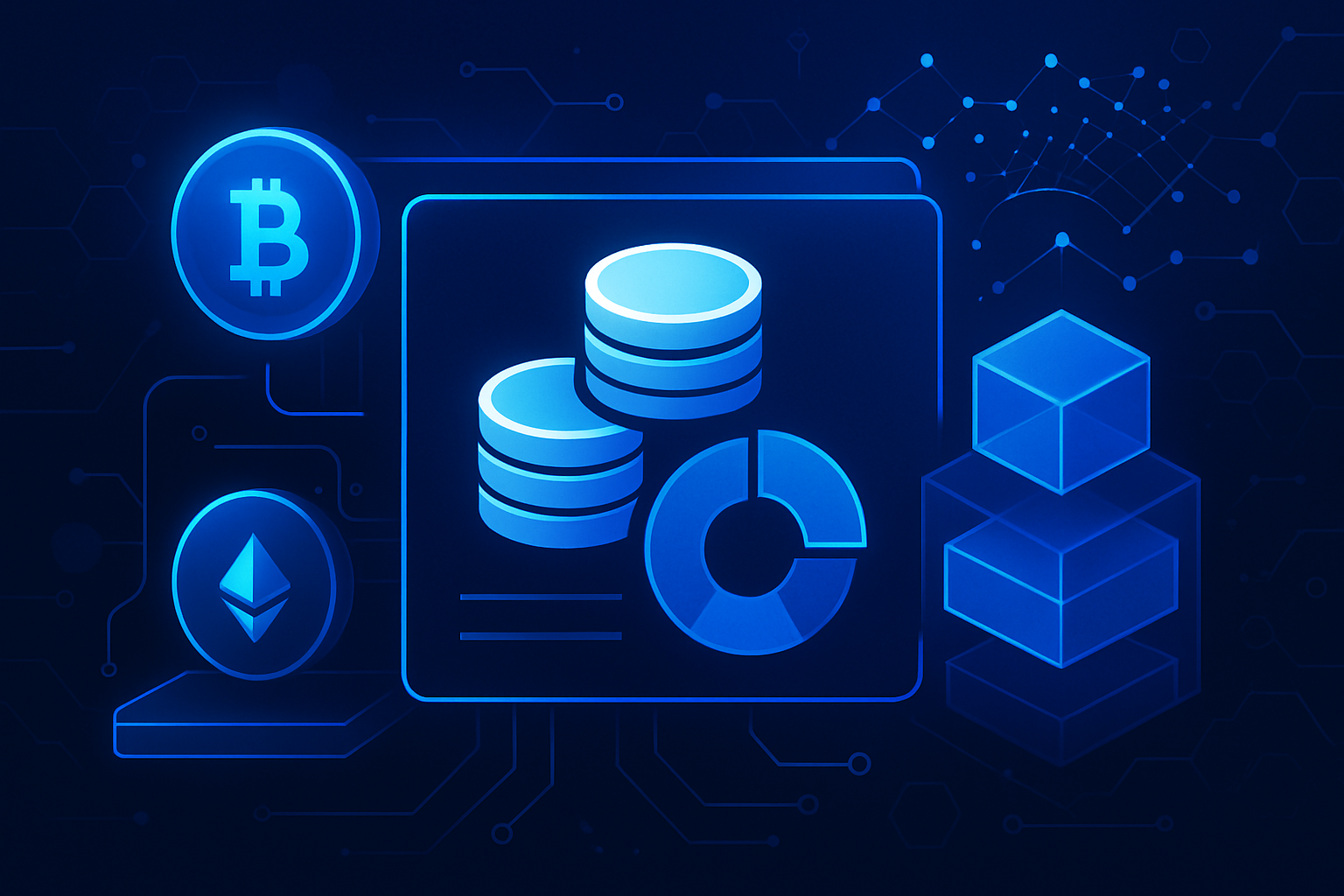
Imagine a world where sending fractions of a cent on-chain is as effortless as sending a text. That’s not science fiction anymore - it’s the new reality being unlocked by dynamic fee markets on custom app-chains. These specialized blockchains are rewriting the rules for microtransactions, and the key ingredient is how they price and allocate resources in real time.
Why Static Fee Models Don’t Cut It for Microtransactions
Legacy blockchains like Bitcoin and Ethereum were never designed for high-frequency, low-value transfers. Their static or one-dimensional fee structures mean you end up paying the same base fee whether you’re moving $1 or $100,000. For microtransactions - think in-game purchases, streaming payments, or IoT device interactions - this is a dealbreaker. The cost per transaction often dwarfs the value being sent, making entire classes of decentralized applications infeasible.
This is where custom app-chains step in with dynamic, multidimensional fee markets. Instead of a one-size-fits-all approach, these chains let developers fine-tune how fees are charged for computation, storage, bandwidth, and even more exotic resources unique to their application’s needs. The result? Efficient resource allocation and radically lower costs that make microtransactions not just possible but practical.
The Rise of Multidimensional Fee Markets
The latest research from Guillermo Angeris and others highlights how multidimensional fee structures can efficiently price multiple non-fungible resources within a blockchain ecosystem (see: Designing Multidimensional Blockchain Fee Markets). By separating out fees for things like state writes versus data availability or bandwidth usage, custom app-chains can avoid bottlenecks where scarce resources become prohibitively expensive during periods of high demand.
A great example comes from Solana’s ongoing experiments with multi-resource pricing. By independently adjusting fees for compute units versus memory access or transaction size, Solana aims to optimize throughput while keeping overall costs predictable and fair. This flexibility paves the way for sophisticated transaction types that simply aren’t possible under legacy models.
Dynamic Pricing Models in Action: Real-World Examples
The Ethereum community has also been pushing boundaries with proposals like dynamic square-root-based fees tied to project funding capital. In this model, smaller projects actually benefit from higher proportional returns (helping them bootstrap liquidity), while larger pools see their fees capped at 1% once they cross the $10 million mark. This is more than just clever math - it’s about aligning incentives so that both developers and users win as ecosystems scale.
Meanwhile, platforms like SKALE have gone all-in on application-specific rollups, giving dApps dedicated chains with zero gas fees and instant finality - perfect for latency-sensitive use cases like gaming or AI pipelines. Here, dynamic fee markets aren’t just about cost savings; they’re about unlocking entirely new user experiences that would be impossible under traditional blockchain economics.
The Power Behind Scalable Microtransactions
At their core, dynamic fee markets empower custom app-chains to do what general-purpose chains can’t: precisely match resource pricing to actual usage patterns in real time. This means microtransactions no longer get squeezed out by whales during network spikes or priced out by inefficient blanket fees.
Want to go deeper into how these mechanisms work under the hood? Check out our technical deep dive on how dynamic fee markets supercharge custom app-chains.
But the story doesn’t end at lower costs. Dynamic fee markets are also about responsiveness. Imagine a surge in traffic for a viral NFT drop or a flash loan frenzy in DeFi - with multidimensional, real-time pricing, your app-chain can adapt instantly. No more network gridlock or runaway fees that scare off users. Instead, resource allocation remains smooth and fair, ensuring even the smallest transactions clear without friction.
This is especially transformative for sectors like gaming, content micropayments, and on-chain AI pipelines. For example, a game might price in-game asset transfers differently from leaderboard updates or chat messages. An AI pipeline could charge separate rates for inference requests versus model uploads. The result? Each activity pays its true cost, opening the door to creative business models and seamless user experiences.
Design Patterns and Best Practices Emerging in 2025
As more teams embrace application-specific blockchains with specialized fee structures, new design patterns are emerging:
- Maker-Taker Models: Inspired by exchanges, some app-chains incentivize liquidity by offering rebates to makers (those who add orders) while charging takers (those who remove orders) slightly higher fees.
- Action-Based Pricing: DApps like Cartesi Rollups let developers set different prices for different actions, so a high-value trade pays more than a simple vote or message.
- MEV-Resistant Sequencing: Custom ordering rules can redistribute value from miners/validators back to users by minimizing extractable value (MEV), preserving fairness and reducing hidden costs.
If you’re building your own chain or dApp, these patterns aren’t just theoretical, they’re live today across networks like Solana, SKALE, and emerging Layer 2s leveraging EIP-4844-style data posting strategies. Curious how to implement these ideas? Explore our hands-on guide to designing custom fee markets for application-specific rollups.
What’s Next for Fee Market Innovation?
The competition is heating up as chains race to offer ultra-low-cost microtransactions without sacrificing security or decentralization. Expect even richer multidimensional models: think dynamic discounts for recurring users, congestion pricing during peak hours, or cross-chain fee arbitrage as liquidity flows where costs are lowest.
The real promise? As these innovations mature, we’ll see entirely new classes of decentralized apps - from pay-per-second streaming media to IoT device swarms settling millions of transactions per day - all running smoothly thanks to intelligent fee market design.
The future of blockchain isn’t just faster or cheaper - it’s smarter. With dynamic fee markets powering custom app-chains, scalable microtransactions are finally within reach for every builder and user. If you want to push the boundaries of what’s possible in decentralized tech, now’s the time to dive deeper into how dynamic fee markets optimize user experience and throughput.



No comments yet. Be the first to share your thoughts!