Custom app chains 2026 limits to account for
The shift toward custom application-specific blockchains in 2026 is no longer a speculative experiment; it is a structural response to enterprise scaling limits. As DeFi protocols demand higher throughput, the shared security model of general-purpose L1s creates a bottleneck. Custom app chains decouple application logic from consensus, allowing teams to optimize gas economics and data availability for their specific use case.
This architecture addresses the primary constraint of traditional L1s: the gas fee volatility that arises from competing for block space with unrelated transactions. By dedicating resources to a single application, enterprises can predict costs with greater accuracy. This predictability is essential for high-frequency trading and institutional settlement layers where transaction cost spikes can erase margins.
According to infrastructure providers like Zeeve, the barrier to entry has lowered significantly. Modern app chain builders offer plug-and-play tools that abstract the complexity of node management and consensus configuration [src-serp-1]. This allows development teams to focus on application logic rather than blockchain infrastructure. Similarly, AsAppStudio notes that custom subnet architectures have become the standard choice for new chains requiring specific rule sets [src-serp-2].
The tradeoff remains centralization risk. While gas fees drop and throughput rises, the security model shifts from inheriting a massive global hash rate to relying on a smaller validator set. For enterprise DeFi, this is an acceptable risk if the application requires strict compliance and predictable latency. The 2026 landscape favors this hybrid approach, where specialized chains handle execution and general-purpose L1s handle final settlement.
Custom app chains 2026 choices that change the plan
Building a custom app chain for enterprise DeFi in 2026 requires balancing isolation against operational complexity. While app-specific blockchains offer significant gas fee reductions, they introduce distinct overheads in security, maintenance, and interoperability. Teams must evaluate these factors before committing to a dedicated chain architecture.
Security and Sovereignty
A custom app chain grants full control over consensus parameters and governance, but it also inherits sole responsibility for security. Unlike shared security models (e.g., Ethereum L2s or Polkadot parachains), your chain’s validator set protects only your assets. If your validator network is small or poorly incentivized, the chain becomes vulnerable to attacks. Enterprise teams must budget for dedicated security audits and potentially hire specialized node operators.
Interoperability Costs
Bridging assets between a custom app chain and broader ecosystems introduces friction and risk. While cross-chain messaging protocols like IBC (Cosmos) or CCIP (Ethereum) exist, they add latency and complexity. If your DeFi application relies heavily on liquidity from major exchanges or other chains, the cost of bridging may negate some gas savings. Evaluate whether your user base requires seamless multi-chain access or if a siloed approach is acceptable.
Development and Maintenance Overhead
Building on a framework like Cosmos SDK or Substrate provides flexibility but demands significant engineering resources. You must manage node infrastructure, upgrade procedures, and consensus logic. In 2026, managed infrastructure providers (e.g., Zeeve, Ankr) reduce this burden, but they add recurring costs. Compare the total cost of ownership (TCO) of a custom chain against a high-performance L2 or sidechain solution.
| Factor | Custom App Chain | Shared L2 / Sidechain |
|---|---|---|
| Gas Fees | Low (dedicated resources) | Moderate (shared congestion) |
| Security Model | Sovereign (self-managed) | Shared (parent chain security) |
| Interoperability | Complex (bridges required) | Native (seamless) |
| Development Cost | High (full stack management) | Lower (framework-driven) |
| Compliance Control | Full (on-chain rules) | Limited (shared protocol rules) |
How to build an app in 2026
Enterprise teams moving from shared public networks to custom app chains need a structured approach to avoid fragmentation and security gaps. This framework guides you through the technical and operational decisions required to deploy an application-specific blockchain that reduces gas fees by up to 90% while maintaining regulatory compliance.

Start by determining the trade-off between decentralization and speed. Enterprise DeFi often requires instant finality for settlement, which may necessitate a Proof-of-Stake (PoS) or BFT-based consensus rather than Proof-of-Work. Define the block time and validator set size early, as these parameters directly impact throughput and cost. If your use case involves high-frequency trading or real-time ledger updates, prioritize low-latency consensus mechanisms.

Most enterprises do not build from scratch. Platforms like Zeeve or Ankr provide "AppChains as a Service," offering plug-and-play dev tools and managed infrastructure. Choose a framework that supports modular architecture, such as Cosmos SDK or Substrate, allowing you to customize state transitions without rewriting core protocol logic. This approach accelerates deployment and reduces the operational burden of node maintenance.

To achieve the 90% fee reduction, decouple the native token from gas fees if possible, or use a stablecoin-denominated gas model. This prevents volatility from affecting transaction costs for end-users. Implement dynamic gas pricing based on network congestion rather than a fixed rate. This ensures predictable costs for enterprise workflows while keeping the network economically secure.

Unlike public chains, app chains can embed permissioned layers. Integrate KYC/AML checks at the smart contract level or via identity oracles. Define role-based access for validators and administrators to meet regulatory standards. Ensure that your chain architecture allows for audit trails that satisfy legal requirements for financial data retention.
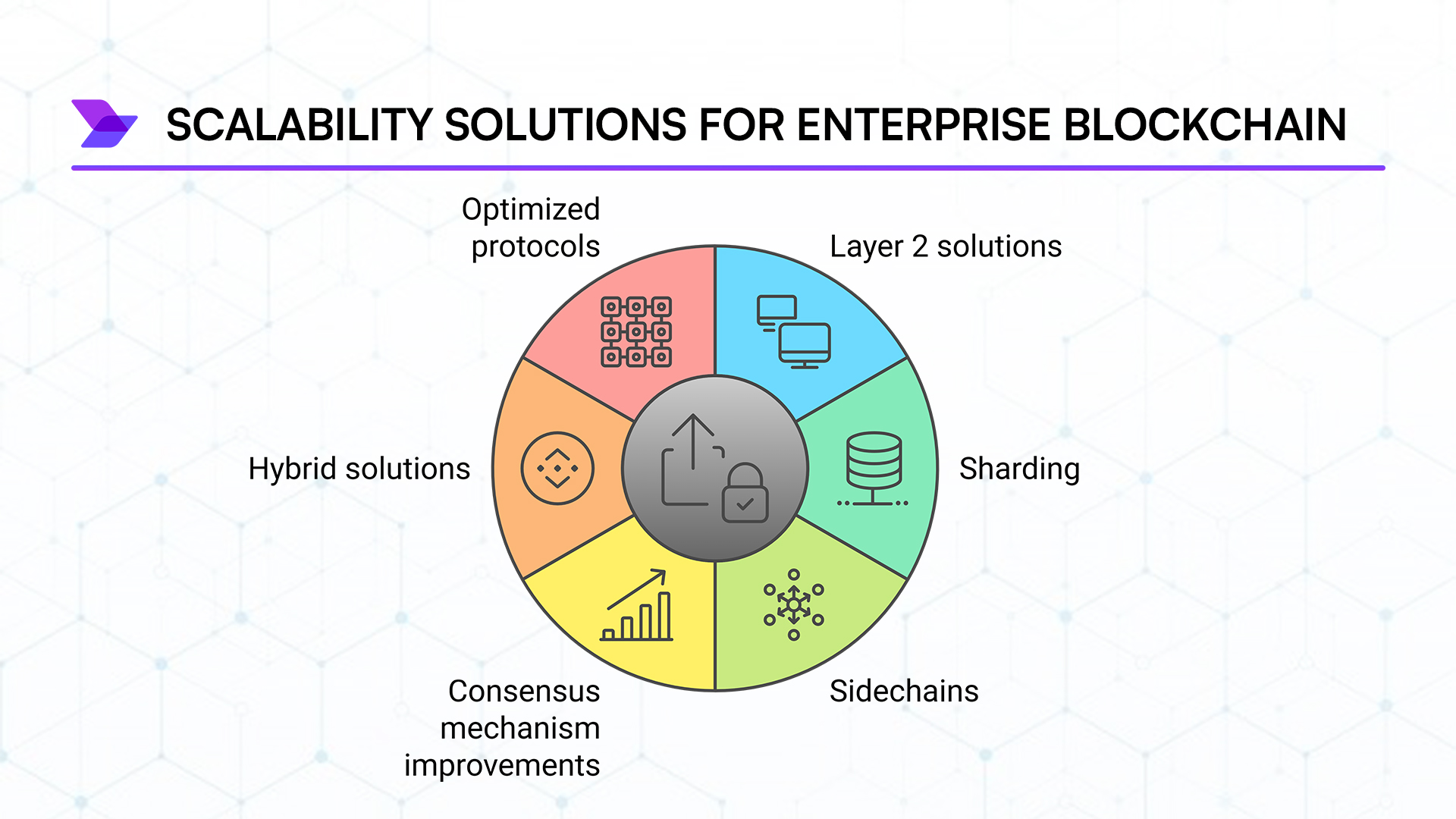
Before mainnet launch, run a testnet with simulated load to measure gas efficiency and latency. Use monitoring tools to track validator performance and network health. Deploy gradually, starting with a limited user group to validate the gas fee reductions and consensus stability. Adjust parameters based on real-world data before full-scale rollout.
-
Define consensus and finality requirements
-
Select the underlying infrastructure layer
-
Configure tokenomics and gas models
-
Implement compliance and access controls
-
Test and deploy with monitoring
Watch for Weak App Chain Options
Not all custom blockchains deliver the promised 90% gas fee reduction. Enterprise DeFi teams often encounter weak options that fail to scale or lack true sovereignty. Identifying these pitfalls early prevents costly infrastructure missteps.
Misleading Performance Claims
Vendors frequently cite peak theoretical throughput rather than real-world sustained performance. A chain may handle 10,000 TPS in a lab but drop to 500 TPS under actual DeFi load. Always request independent audit reports for specific stress tests relevant to your volume.
Limited Sovereignty and Upgrades
Some "custom" chains remain tethered to parent network upgrades. If the base layer forks or changes consensus, your app chain may break unexpectedly. Ensure your architecture allows independent governance and upgrade cycles without waiting for a larger network decision.
Hidden Interoperability Costs
Bridging assets between your app chain and the mainnet often introduces latency and security risks. Many solutions underestimate the complexity of secure cross-chain messaging. Verify that the bridge is audited and that gas fees for bridging do not negate your savings on the app chain itself.
Custom app chains 2026: what to check next
Enterprise teams often hesitate before committing to custom infrastructure. These answers address the practical objections that typically arise during the evaluation phase, focusing on cost, complexity, and market positioning.
The shift toward app-specific chains is not just about cost; it is about control. By owning the chain, enterprises can tailor governance, upgrade cycles, and fee structures to their specific regulatory and operational needs without waiting for broader network upgrades.
No comments yet. Be the first to share your thoughts!