
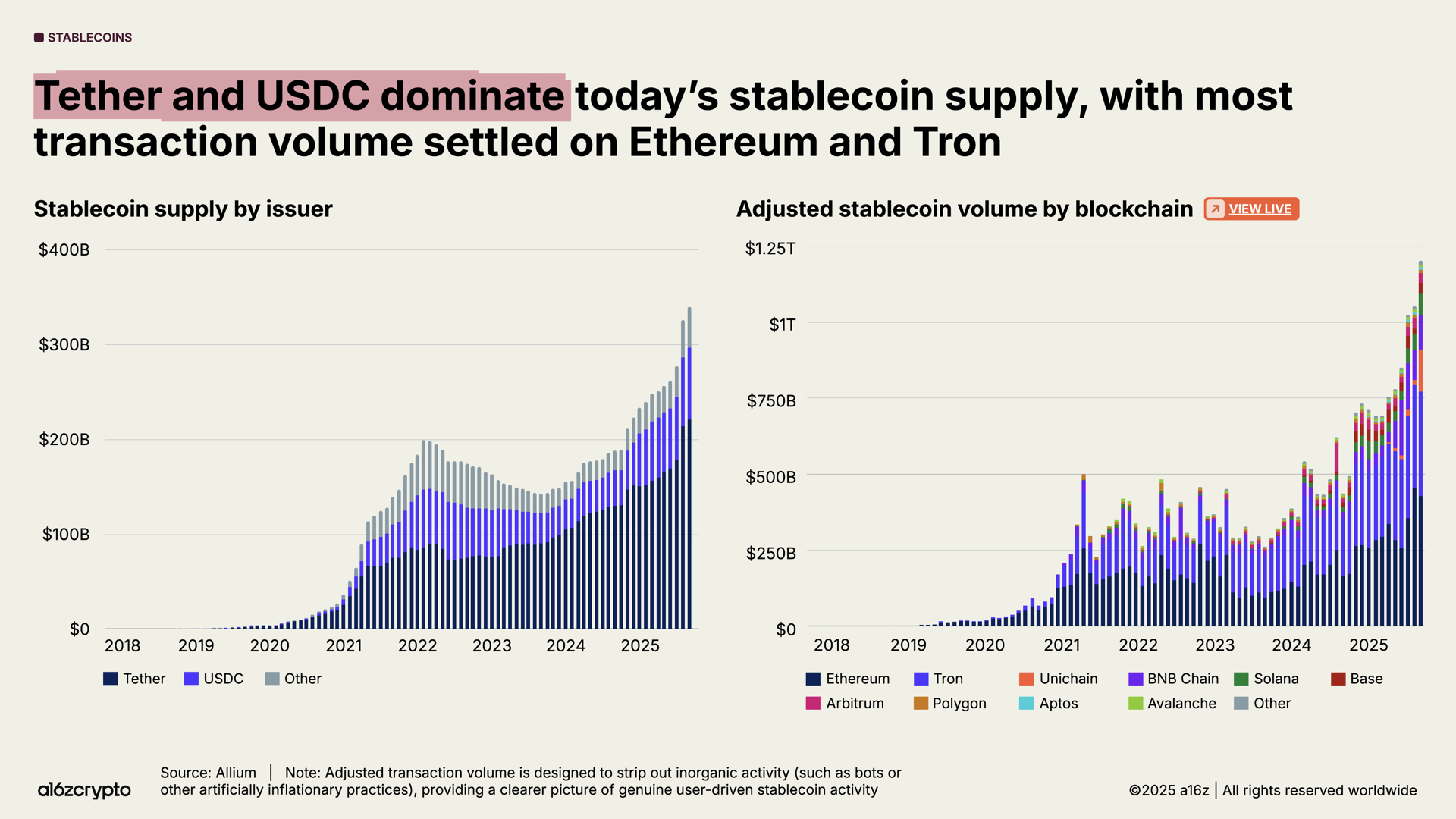
Custom app chains 2026 limits to account for
The shift toward custom app chains in 2026 is not just a technical upgrade; it is a fundamental restructuring of how Web3 applications handle data and value. By building a dedicated blockchain, developers gain full control over consensus, gas fees, and security parameters. This approach isolates application traffic, preventing the network congestion that plagues shared public chains during peak usage.
However, this isolation comes with significant trade-offs. Unlike deploying a smart contract on an existing network, launching an app chain requires managing validator nodes, securing the network against attacks, and handling bridge security for asset transfers. The operational burden shifts from a platform provider to the development team, making infrastructure management a core competency rather than an afterthought.
For projects with high transaction volumes or specific regulatory needs, the cost-benefit analysis often favors custom infrastructure. The ability to optimize block times and tailor gas models directly impacts user experience and operational costs. As the ecosystem matures, the decision to build an app chain becomes a strategic choice between flexibility and control, rather than merely a technical preference.
Custom app chains 2026 choices that change the plan
Use this section to make the The Rise of App-Specific Chains decision easier to compare in real life, not just on paper. Start with the reader's actual constraint, then separate must-have requirements from details that are merely nice to have. A practical choice should survive normal use, maintenance, timing, and budget. If a recommendation only works in an ideal situation, call that out plainly and give the reader a fallback path.
| Factor | What to check | Why it matters |
|---|---|---|
| Fit | Match the option to the primary use case. | A good deal still fails if it does not fit the job. |
| Condition | Verify age, wear, and service history. | Hidden condition issues erase upfront savings. |
| Cost | Compare purchase price with likely upkeep. | The cheapest option is not always the lowest-cost option. |
Choose your appchain builder
Selecting the right infrastructure is the first concrete step in launching a custom blockchain. The market has shifted from generic rollups to specialized appchains that fit specific regulatory and performance needs. Your choice depends on whether you prioritize speed to market or granular control over the consensus layer.
Low-code platforms for rapid deployment
If your team lacks deep blockchain engineering resources, low-code builders offer the fastest path to production. These platforms abstract away the complex node management and consensus mechanics, allowing you to deploy a functional appchain in days rather than months. They are ideal for startups testing a product-market fit or enterprises running internal compliance workflows. The trade-off is a higher monthly operational cost and less flexibility in customizing the underlying protocol.
Managed infrastructure for full control
For teams with strong engineering capabilities, managed infrastructure providers like Zeeve offer a middle ground. You retain full control over the consensus algorithm, state sync, and governance parameters, but the provider handles the heavy lifting of node hosting, monitoring, and scaling. This option reduces the risk of downtime and security misconfigurations while allowing you to build a truly custom chain. It is the preferred choice for financial institutions or projects requiring specific regulatory data residency.
Self-hosted nodes for maximum sovereignty
The most technically demanding path is running your own nodes and validators. This approach offers absolute sovereignty over your data and network, but it requires significant ongoing maintenance and security expertise. It is generally reserved for large-scale protocols or government entities that cannot trust third-party infrastructure. The initial setup cost is high, but long-term operational costs can be lower if you already have the DevOps talent in-house.


As an Amazon Associate, we may earn from qualifying purchases.
Spotting Weak App Chain Options
Many vendors market "app-specific chains" as plug-and-play solutions, but the reality often involves hidden infrastructure costs and rigid lock-in. Before committing to a custom blockchain, evaluate three specific failure points that derail most 2026 launches.
First, check the validator requirements. True decentralization requires independent nodes, yet many "appchain" providers rely on a single centralized server for consensus. If the provider controls the finality layer, you are not building a blockchain; you are leasing a database with extra steps. Verify that the consensus mechanism allows third-party validators to join without prohibitive staking minimums.
Second, audit the upgradeability model. Smart contracts on app chains are immutable by design, but business logic must evolve. Weak options force you to deploy entirely new chains for every feature update, burning gas and fragmenting liquidity. Look for modular architectures that support on-chain governance or proxy patterns, allowing you to patch vulnerabilities without migrating your entire user base.
Third, verify data availability. Some cheap app chains store data on-chain, which quickly becomes prohibitively expensive as your user base grows. Others rely on off-chain rollups that compromise security. Ensure the chain’s data availability layer is robust enough to handle your projected transaction volume without forcing you to rebuild your stack within a year.
Custom app chains 2026: what to check next
Developers and founders often pause at the threshold of building dedicated infrastructure. The shift from generic L1s to app-specific chains solves scalability and governance issues but introduces new operational complexities. Below are the practical answers to the most common objections and planning questions for 2026.
These answers highlight that the barrier to entry is lower than ever, but the operational responsibility remains with the builder. Choosing the right framework and budgeting for ongoing maintenance are critical steps before committing to a custom chain architecture.
No comments yet. Be the first to share your thoughts!