Why appchains define 2026 scaling
Custom appchains have emerged as the primary solution for Web3 scalability in 2026. While general-purpose Layer 1s like Ethereum and Layer 2s like Arbitrum share resources across thousands of applications, an appchain is designed to serve one specific application or use case. This dedicated infrastructure allows projects to optimize their own consensus mechanisms, gas fees, and governance models without being bottlenecked by the broader network.
The result is a significant improvement in performance and user experience. Projects like Osmo, dYdX, and SKALE leverage this model to handle high transaction volumes efficiently. By isolating their workloads, these platforms avoid the congestion that plagues general-purpose chains during peak demand. This specialization is why appchains are becoming the standard for high-throughput applications in the current market.
5 Best Custom App Chains for 2026: Sovereign Web3 Infrastructure
Custom app chains provide the sovereign infrastructure necessary for high-performance Web3 applications, shifting control from shared layer-1 networks to dedicated environments. This roundup evaluates the leading platforms—including Osmo, dYdX, and SKALE—that enable developers to deploy specialized, high-throughput blockchains tailored to specific use cases.
1. Osmosis: Diffusing Liquidity Across the Cosmos Ecosystem
Osmosis operates as the central liquidity hub for the Cosmos ecosystem, leveraging its unique concentrated liquidity model to aggregate assets from diverse IBC-connected chains. It enables seamless token swaps and yield farming without relying on a single centralized entity, making it essential for cross-chain DeFi integration. This infrastructure allows developers to build applications that tap into a deep, shared pool of capital across the interconnected blockchain network.
2. dYdX Standalone Perpetuals Chain
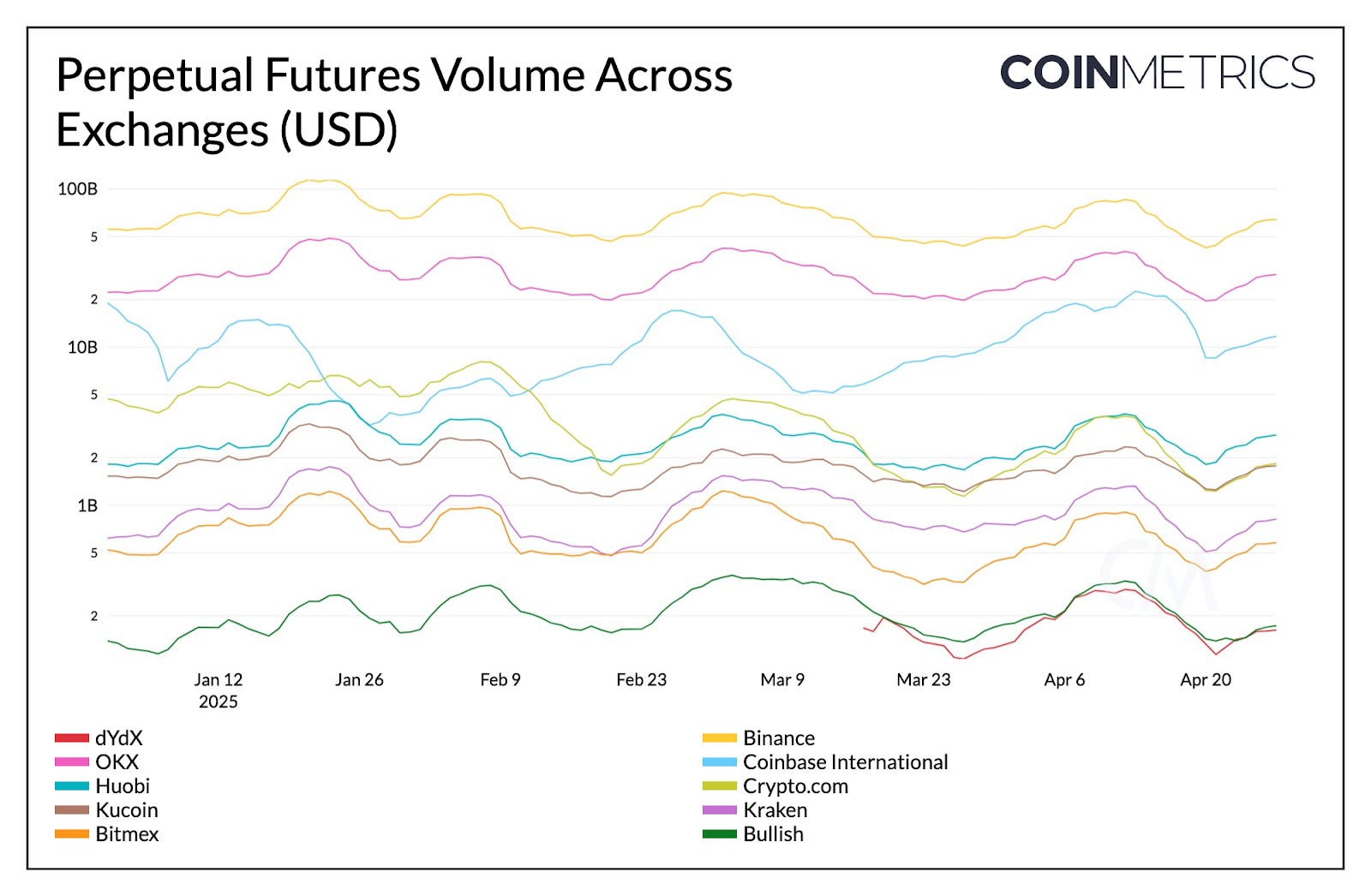
dYdX migrated to its own Cosmos SDK-based chain to achieve true sovereignty over its trading engine, eliminating dependency on Ethereum’s block space. This standalone architecture delivers institutional-grade performance with sub-second finality and near-zero fees for perpetual contract trading. By decoupling execution from settlement, dYdX offers a high-throughput environment tailored specifically for derivatives traders who demand speed and reliability without the congestion of general-purpose L1s.
3. SKALE Elastic App-Specific Networks
SKALE provides a decentralized network of elastic, app-specific blockchains that scale infinitely with demand. Developers can spin up dedicated chains for their applications, ensuring that transaction costs remain predictable and performance never degrades due to network congestion. This modular approach allows for high-throughput dApps that require constant connectivity and low latency, offering a flexible infrastructure layer that adapts dynamically to user activity and data needs.
4. Polygon zkEVM Modular Scaling
Polygon zkEVM offers a fully Ethereum Virtual Machine-compatible zero-knowledge rollup solution, enabling developers to deploy existing Ethereum smart contracts with minimal changes. By bundling transactions off-chain and submitting validity proofs to Ethereum, it achieves significant throughput improvements while inheriting Ethereum’s security guarantees. This modular scaling approach is ideal for high-frequency trading platforms and complex DeFi protocols that require both speed and robust security without sacrificing compatibility.
5. Starknet High-Throughput Rollups
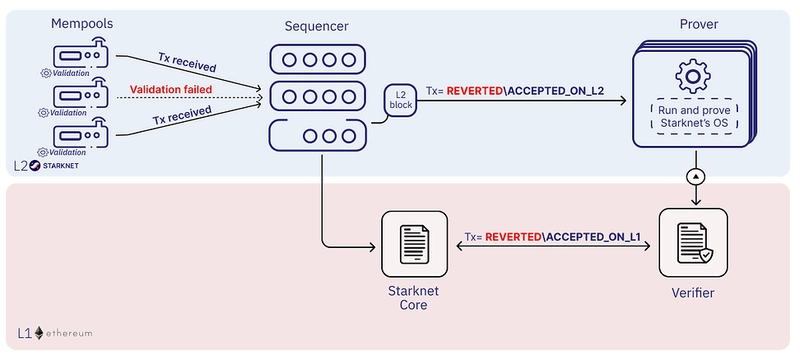
Starknet utilizes STARK-based zero-knowledge proofs to deliver high-throughput execution for complex applications, supporting general-purpose computation beyond simple token transfers. Its unique architecture allows for significant parallelization of transaction processing, making it suitable for gaming, social networks, and advanced financial instruments. By focusing on computational scalability, Starknet provides a robust foundation for developers building data-intensive dApps that require fast, secure, and verifiable execution environments.
How to choose the right appchain stack
Selecting the correct infrastructure requires matching your application's specific needs to the capabilities of the underlying chain. A mismatch between your technical requirements and the stack's limitations leads to bloated costs or security vulnerabilities. This decision framework helps you evaluate security, cost, and interoperability to find the right fit.
1. Define your security model
Security is the foundation of any sovereign chain. You must decide whether to inherit security from a larger network or manage it independently. Chains like dYdX rely on a shared security model, using Ethereum's finality to secure their state. This approach is cost-effective and reduces the burden of validator management. In contrast, a fully sovereign chain requires you to manage your own validator set, offering maximum control but demanding significant operational overhead.
2. Evaluate transaction costs and scalability
Your stack must handle your projected transaction volume without breaking the bank. General-purpose chains often struggle with congestion, driving up fees during peak times. SKALE addresses this by offering elastic, on-demand scalability, allowing you to spin up chains that scale with your user base. This pay-as-you-grow model ensures you only pay for the resources you actively use, keeping operational costs predictable.
3. Assess interoperability needs
If your application needs to interact with other ecosystems, interoperability is critical. Osmosis excels in this area, leveraging its native Atomic Swap protocol to facilitate seamless asset transfers across different blockchains. If your app relies heavily on cross-chain liquidity or data, choosing a stack with robust bridge support or native interoperability protocols prevents user friction and liquidity fragmentation.

Before deploying, ensure your team can manage the underlying node infrastructure. Managed services like Ankr Launchpad simplify this by handling node operations, allowing developers to focus on application logic rather than server maintenance.

Verify that the bridges connecting your appchain to external networks are secure and reliable. Test cross-chain transactions under load to ensure assets move smoothly without getting stuck or lost during high-traffic periods.

Define how your native token will function within the ecosystem. Determine if it is used for gas fees, staking, or governance. A clear tokenomic model aligns incentives between developers, validators, and users, ensuring long-term sustainability.



As an Amazon Associate, we may earn from qualifying purchases.
Frequently asked questions about appchains
An appchain is a blockchain designed to serve a specific application or use case, offering optimized performance and tailored functionality. Unlike general-purpose blockchains, appchains operate independently, reducing congestion, lowering transaction costs, and enhancing scalability. Projects like Osmo and dYdX leverage this architecture to maintain sovereignty while inheriting security from their settlement layers.
How to create an appchain in 2026?
Creating an appchain involves deciding on a modular stack that balances security and speed. You can build platform-specific chains for high performance or use cross-platform frameworks for faster deployment. Solutions like SKALE Chains offer dedicated blockchains optimized for single dApps, providing zero gas fees and instant finality. This approach allows developers to maintain total sovereignty over their network’s parameters and governance.
What is the difference between an appchain and a standard L2?
While both aim to improve scalability, appchains are customizable L2s (or future L3s) that inherit security from the layer they settle on. They are tailored for specific applications, whereas standard L2s often serve multiple dApps on a shared rollup. This specialization allows appchains like those on StarkWare to offer unique economic models and consensus mechanisms without the congestion of general-purpose networks.
No comments yet. Be the first to share your thoughts!