What is a custom app chain?
A custom app chain is a dedicated blockchain infrastructure built to support a single application or a tightly related set of services. Unlike general-purpose Layer 1 blockchains that attempt to host thousands of unrelated projects, an appchain is engineered specifically for one use case. This specialization allows developers to tailor the consensus mechanism, gas fees, and data availability layers to the exact needs of their users.
The primary distinction lies in scope. General-purpose chains like Ethereum or Solana are multipurpose platforms where competition for block space can lead to congestion and high fees during peak times. In contrast, a custom app chain operates as its own isolated environment. This means the application has exclusive access to its block space, ensuring consistent performance regardless of activity on other networks.
This dedicated infrastructure eliminates the "noisy neighbor" problem. Developers can optimize the blockchain for their specific transaction patterns, whether that requires high throughput for a gaming platform or strict privacy controls for a financial service. The result is a more predictable and scalable foundation for building complex decentralized applications.

Appchains versus shared L1s
Choosing between a dedicated appchain and a shared Layer 1 (L1) like Ethereum is a fundamental architectural decision for 2026 developers. This choice determines how your application handles throughput, governance, and operational costs. While shared chains offer immediate security and liquidity, they often require complex layer-2 solutions to scale. Dedicated appchains, conversely, provide sovereign control and optimized performance at the cost of initial complexity.
The primary trade-off lies in sovereignty versus shared security. On a shared L1, you inherit the network's consensus and security model, but you also inherit its congestion and gas price volatility. Appchains allow you to customize the consensus mechanism, tokenomics, and state transitions specifically for your use case. This customization ensures that your application's performance is not throttled by unrelated network traffic.
To clarify the technical differences, the following comparison highlights the key operational metrics for each approach.
| Metric | Shared L1 (e.g., Ethereum) | Dedicated Appchain |
|---|---|---|
| Throughput | Limited by base layer; requires L2 for scale | Fully customizable to workload |
| Cost Structure | Variable gas fees; competitive bidding | Fixed or predictable operational costs |
| Governance | Community-driven; slow upgrades | Sovereign; immediate control |
| Security Model | Inherited from mainnet consensus | Depends on validator set size |
For most institutional deployments in 2026, the requirement for full infrastructure control favors the appchain model. Dedicated capacity allows for consistent performance, which is critical for applications handling high-frequency transactions or sensitive data. While shared L1s remain suitable for simple dApps with low throughput needs, custom app chains provide the necessary foundation for scalable, enterprise-grade solutions.
Frameworks for building in 2026
Building a custom app chain in 2026 requires selecting a framework that balances flexibility with operational stability. The landscape has consolidated around three primary tools: Cosmos SDK, Substrate, and Avalanche Subnets. Each offers a distinct approach to consensus, networking, and smart contract compatibility. Choosing the right stack depends on whether your priority is modular interoperability, high-performance execution, or rapid subnet deployment.
Cosmos SDK: The Modular Standard
Cosmos SDK remains the dominant choice for developers seeking modular architecture. It allows teams to build independent blockchains that communicate via the Inter-Blockchain Communication (IBC) protocol. This framework is ideal for projects requiring deep customization of the consensus layer and state machine. While it demands significant Go expertise, the resulting chains benefit from a robust ecosystem of existing modules and security audits.
Substrate: Rust-Based Flexibility
Substrate, developed by Parity Technologies, provides a meta-protocol for building specialized blockchains using Rust. Its modular runtime allows developers to swap out consensus engines and storage layers without hard forks. This flexibility makes Substrate suitable for complex enterprise applications or chains requiring unique economic models. The trade-off is a steeper learning curve compared to other options, requiring proficiency in Rust and WebAssembly.
Avalanche Subnets: Rapid Deployment
Avalanche Subnets offer a different paradigm, allowing developers to spin up custom virtual machines on the Avalanche network. This approach is best for teams prioritizing speed to market and access to existing liquidity. Subnets inherit Avalanche’s high throughput and finality, reducing the operational burden of maintaining independent validator sets. This framework is particularly effective for gaming, DeFi, or tokenized assets that need to leverage the Avalanche ecosystem immediately.

Before selecting a framework, document your specific needs. Determine if you require EVM compatibility, specific consensus mechanisms, or interoperability with other chains. This clarity prevents over-engineering and helps narrow the field to the most suitable option.
Compare the three primary frameworks against your requirements. Assess the development team’s existing expertise in Go, Rust, or Solidity. Consider the long-term maintenance burden and the availability of third-party tooling for each stack.

Launch a local testnet to validate your configuration. Use this phase to test transaction throughput, finality times, and cross-chain communication if applicable. Iterating on a testnet is far cheaper than fixing issues on a mainnet launch.
Real-world asset tokenization use cases
Tokenizing real-world assets (RWA) moves physical items like real estate, commodities, or intellectual property onto the blockchain. This process creates digital twins that can be traded, but it introduces strict requirements for privacy, compliance, and data integrity that public blockchains often cannot satisfy alone.
Custom app chains provide the isolated environment needed to manage these complex assets. Unlike shared public networks, a dedicated chain allows developers to implement specific consensus mechanisms and privacy layers tailored to institutional standards. This isolation ensures that sensitive transaction data remains confidential while maintaining the transparency required for regulatory audits.
The integration of oracles is also critical for RWA. Platforms like Chainlink provide the off-chain data feeds necessary to verify the physical state of assets, such as inventory levels or property valuations. By embedding these oracle connections directly into a custom app chain, developers can create automated, trustless workflows that bridge the gap between physical ownership and digital representation.
Choosing the right infrastructure
Developers building custom app chains 2026 must decide between managed services and self-hosted nodes. This choice dictates your control, cost, and time-to-market. Managed services like Chainlink or dedicated node providers handle the heavy lifting of consensus and networking. Self-hosting gives you full root access but requires significant DevOps overhead.
Managed infrastructure is ideal for teams prioritizing speed. You get instant connectivity to testnets and mainnets without configuring validators. However, you trade some sovereignty for convenience. Self-hosting suits projects needing deep protocol customization or strict data residency compliance. It demands expertise in Linux administration and network security.
Pre-deployment checklist
Before committing to an infrastructure model, verify these essentials:
-
Network latency requirements defined
-
Validator hardware specifications finalized
-
Backup and recovery procedures tested
-
Security audit completed for node software
-
Budget allocated for ongoing maintenance
Recommended tools
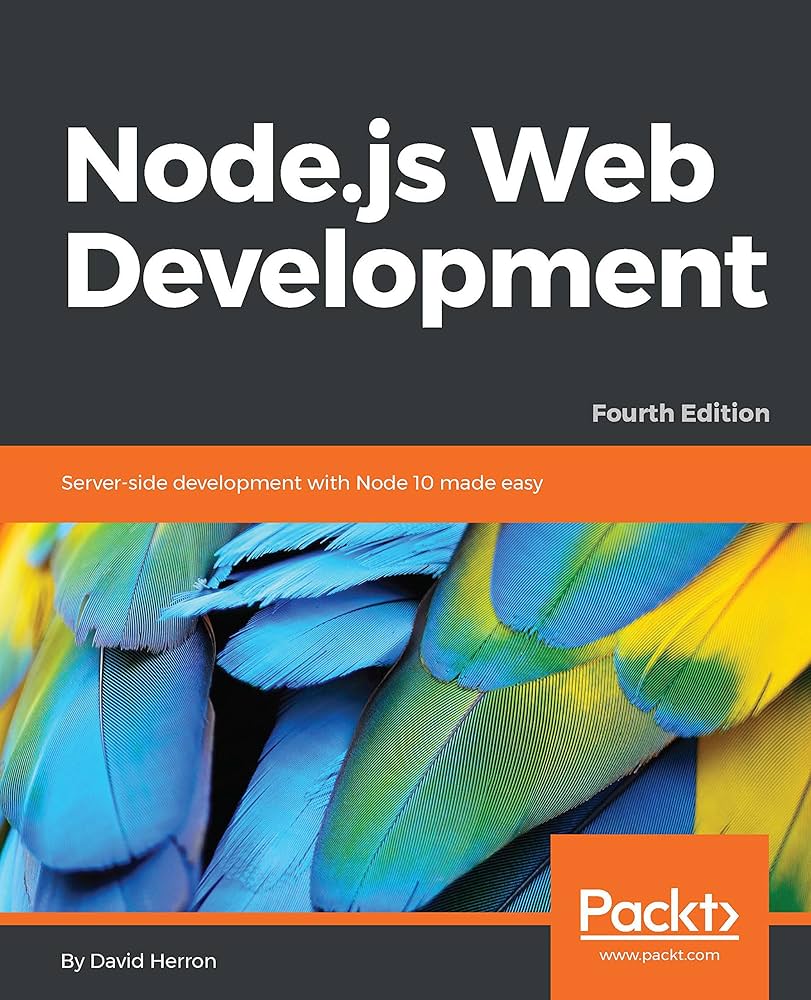
Selecting the right development environment supports your infrastructure choice.


As an Amazon Associate, we may earn from qualifying purchases.
Frequently asked questions about appchains
Developing a custom appchain in 2026 requires understanding the tradeoffs between isolation and shared security. These answers address the core technical and strategic concerns for teams building dedicated blockchains.
No comments yet. Be the first to share your thoughts!