What custom app chains mean in 2026
An application-specific blockchain, or appchain, is a ledger designed to operate a single application rather than supporting multiple unrelated apps. Unlike general-purpose Layer 1s or shared Layer 2s, which distribute resources across thousands of competing processes, an appchain dedicates its entire infrastructure to one use case. This specialization allows developers to tailor consensus mechanisms, governance models, and fee structures to the exact regulatory and performance requirements of their deployment.
The distinction matters for cost and compliance. In a shared environment, your application’s transaction volume contributes to network congestion, potentially increasing latency and gas fees for unrelated users. More critically, in a regulated industry, sharing a chain with unvetted participants can introduce compliance risks regarding data privacy and transaction monitoring. An appchain isolates your data and traffic, ensuring that security policies and audit trails remain strictly within your control.
This architectural choice shifts the burden from software optimization to infrastructure management. You are no longer just writing smart contracts; you are maintaining a sovereign chain. This section establishes the baseline definition before we apply the cost and compliance calculator to quantify the trade-offs of this independence.
Framework costs and infrastructure comparison
Selecting a blockchain framework involves more than choosing a programming language; it requires auditing the long-term operational burden. In 2026, the leading options—Cosmos SDK, Substrate, and Avalanche Subnets—present distinct tradeoffs between development complexity, node resource requirements, and compliance readiness.
The following comparison outlines the baseline infrastructure and compliance posture for each framework. These metrics reflect standard enterprise deployments rather than minimal testnet configurations.
Cosmos SDK offers the lowest barrier to entry with modular, pre-built components that simplify initial development. However, its reliance on the Inter-Blockchain Communication (IBC) protocol can introduce latency and complexity when integrating with traditional regulatory reporting systems. Substrate demands significant engineering resources due to its Rust-based architecture and custom runtime requirements, but it provides the highest degree of customization for compliance-specific logic. Avalanche Subnets sit in the middle, leveraging the EVM ecosystem for broader tooling compatibility while requiring careful management of subnet validator sets to ensure consistent node performance.
Development teams must weigh the upfront engineering cost against the ongoing operational overhead. Frameworks that require higher node resources, such as Substrate, often translate to higher cloud infrastructure bills and more frequent maintenance cycles. Conversely, lighter frameworks may require additional custom development to meet strict data residency or audit trail requirements mandated by financial regulators.
Regulatory risks for sovereign rollups
Building a sovereign app chain shifts the burden of legal compliance entirely to you. Unlike shared Layer 2 networks where the sequencer or base layer provider manages certain infrastructure-level risks, a sovereign rollup is a distinct legal entity in the eyes of regulators. This separation creates high-stakes liabilities, particularly when dealing with Real World Assets (RWA) or handling personal user data.
The most immediate risk involves Know Your Customer (KYC) and Anti-Money Laundering (AML) requirements. If your chain tokenizes real-world assets, it is likely classified as a security or money transmission service in many jurisdictions. Regulators such as the U.S. Financial Crimes Enforcement Network (FinCEN) or the European Union’s Markets in Crypto-Assets (MiCA) framework expect robust identity verification at the protocol level. Failure to implement on-chain or off-chain KYC checks can result in severe fines, asset freezes, or criminal charges against the operators.
Data residency laws add another layer of complexity. Sovereign chains often store transaction data on-chain, which is immutable and globally accessible. If your users are in the European Union, the General Data Protection Regulation (GDPR) grants individuals the "right to be forgotten." This right conflicts directly with the permanent nature of blockchain ledgers. You must architect your chain to keep personal data off-chain or use zero-knowledge proofs that allow for data deletion without breaking chain integrity.
To understand the financial impact of these compliance requirements, use the calculator below. It estimates the potential legal and infrastructure costs associated with maintaining a sovereign rollup that meets basic regulatory standards.
Calculate your total cost of ownership
Use this section to make the Custom App Chains decision easier to compare in real life, not just on paper. Start with the reader's actual constraint, then separate must-have requirements from details that are merely nice to have. A practical choice should survive normal use, maintenance, timing, and budget. If a recommendation only works in an ideal situation, call that out plainly and give the reader a fallback path.
The simplest way to use this section is to write down the must-have criteria first, then compare each option against those criteria before weighing nice-to-have features.
When to choose an app chain over an L2
An application-specific blockchain is designed exclusively for one application, offering total control over consensus, data availability, and execution logic. This sovereignty comes at a cost: infrastructure complexity and regulatory exposure. The decision to deploy an app chain rather than share an L2 depends on whether your compliance requirements or economic model demand isolation that shared infrastructure cannot provide.
The primary driver for choosing an app chain is regulatory necessity. Financial applications handling sensitive user data or requiring jurisdictional data residency often cannot share a chain with anonymous or unverified actors. An app chain allows you to implement strict identity verification (KYC/AML) at the protocol level, creating a compliant environment that general-purpose L2s struggle to enforce without compromising their permissionless nature.
Economic isolation is the second critical factor. If your application relies on a unique token model or requires specific fee structures that would disrupt the broader L2 ecosystem, an app chain prevents cross-application friction. You retain 100% of the sequencer fees and can design tokenomics that align incentives without negotiating with other projects sharing the same block space.
Use the calculator below to compare the total cost of ownership. It factors in the higher initial setup and validator costs of an app chain against the variable gas fees and potential compliance risks of an L2.
Frequently asked questions about app chains
Understanding the technical and financial realities of application-specific blockchains is essential before committing infrastructure resources. The following answers address common queries regarding definition, development, and cost structures.
Helpful gear
Use these product recommendations as a starting point, then choose the size, material, and price point that fit how you actually use the gear.

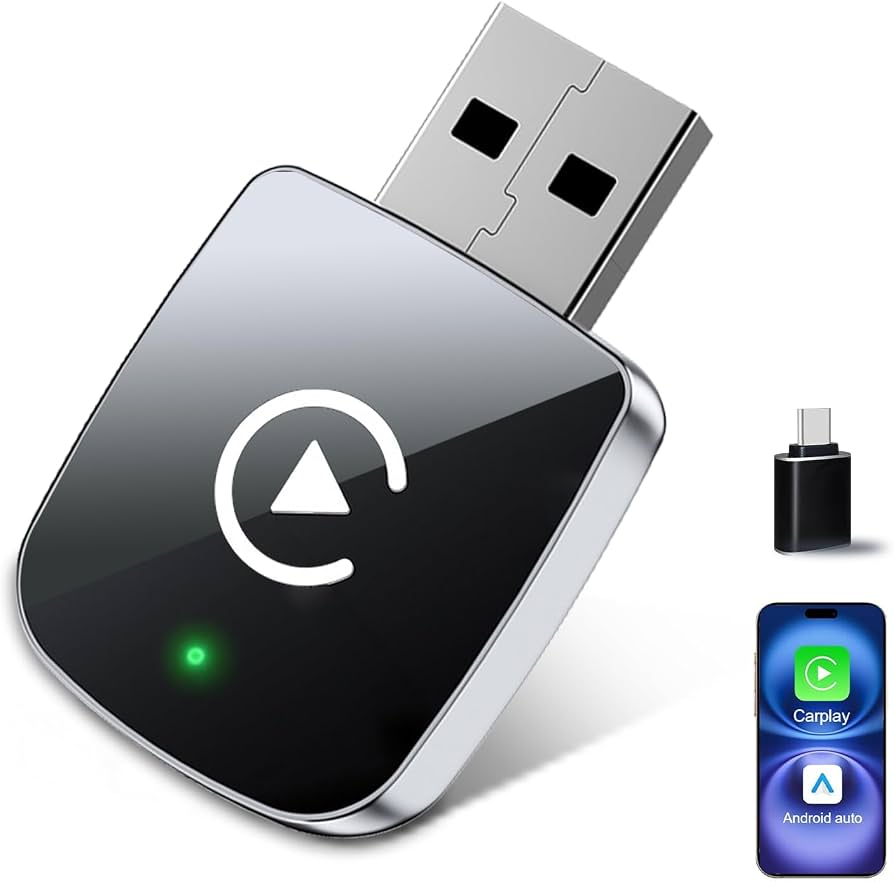

As an Amazon Associate, we may earn from qualifying purchases.
No comments yet. Be the first to share your thoughts!