
Custom app chains limits to account for
A custom app chain is a dedicated blockchain built for a single application. It runs independently, which isolates your data and logic from the noise of public networks. This separation is the primary reason enterprises choose this architecture over shared Layer 1s.
However, this isolation creates a specific constraint: you are responsible for every layer of the stack. Unlike shared chains where security is pooled and consensus is managed by the network, your app chain requires you to manage validators, node infrastructure, and consensus mechanisms. This shifts the burden from protocol-level security to operational rigor.
The tradeoff is clear. You gain performance and data sovereignty, but you lose the automatic security subsidy of a large network. Building an app chain is not just a software deployment; it is an infrastructure commitment. If your application cannot justify the cost of maintaining its own validator set, a shared chain or a rollup on an existing network remains the more pragmatic choice.
Custom app chains choices that change the plan
Building a custom app chain offers enterprise-grade control, but it requires trading off shared security for specialized performance. Before committing to this architecture, evaluate the operational burden against the flexibility gains.
| Factor | Custom App Chain | Shared Layer 2 | Public Layer 1 |
|---|---|---|---|
| Security Model | Independent validator set; risk of lower hash rate or centralization | Inherits security from parent chain; shared attack surface | Maximum decentralization; highest network security |
| Customization | Full control over consensus, fee tokens, and state transitions | Limited to rollup-specific parameters; constrained by L1 rules | No customization; must conform to global protocol rules |
| Development Cost | High; requires dedicated node infrastructure and monitoring | Moderate; leverages existing rollup frameworks and shared tooling | Low; deploy contracts without infrastructure management |
| Throughput | High; optimized for specific workload patterns | High; shares block space with other rollups | Low; congested during peak demand periods |
| Time to Market | Slow; months to configure, test, and secure | Fast; weeks to deploy using standardized templates | Immediate; no deployment delays |
The primary tradeoff is security versus autonomy. A custom chain isolates your application’s risk, but it also means you are responsible for validator recruitment and economic security. Shared layer-2 solutions offer a middle ground, inheriting security from the mainnet while providing better throughput than public layer-1s. For enterprises, this often means accepting some constraint on customization to avoid the operational overhead of maintaining a dedicated blockchain network.
Build Your Custom App Chain
Enterprise adoption of custom app chains requires a structured approach to infrastructure and governance. Rather than treating blockchain as a generic layer, you must design the environment to support specific application needs, from transaction throughput to data privacy. This section outlines the practical steps to launch a dedicated app chain.
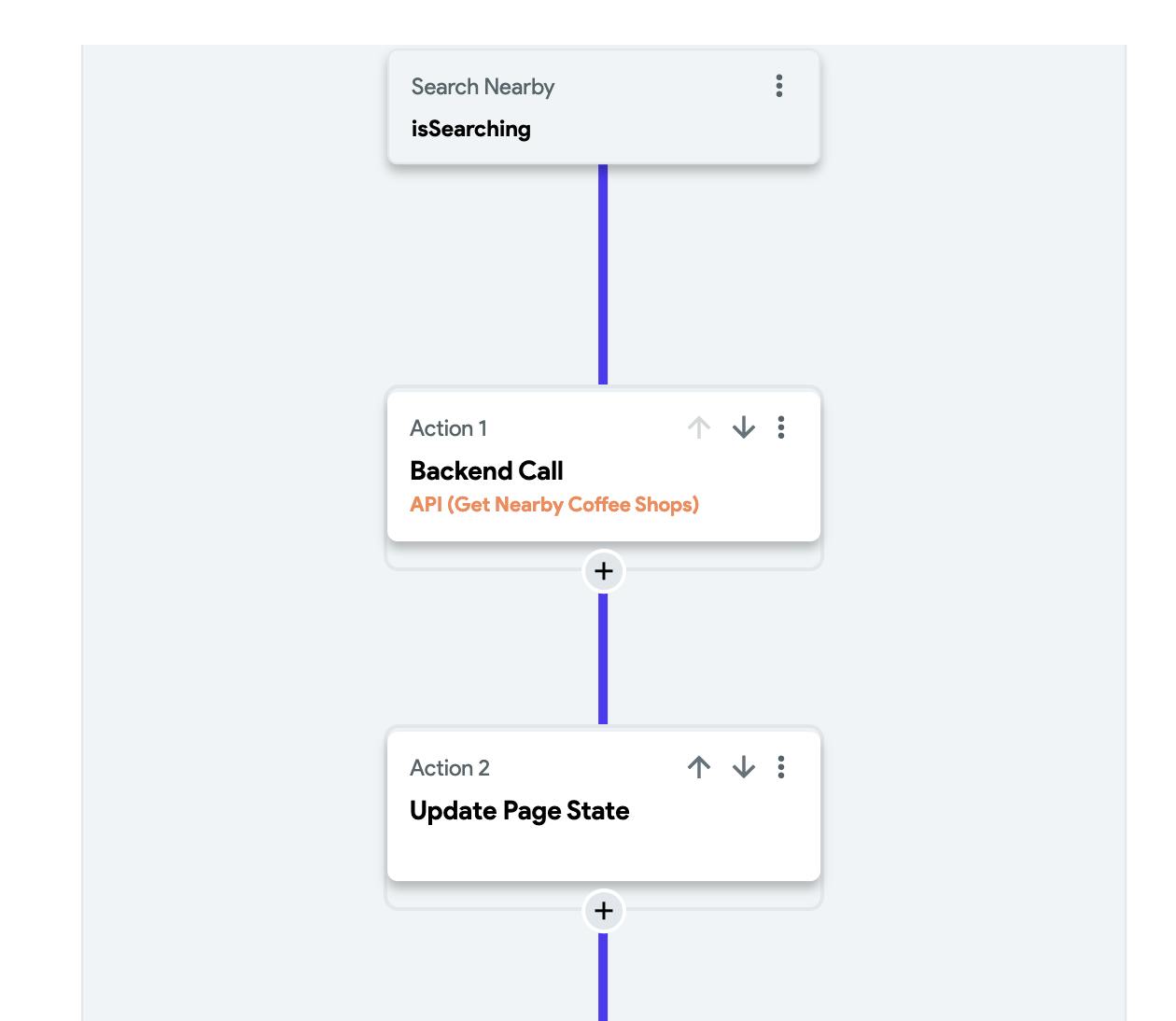
Start by auditing your current bottlenecks. Determine if your primary need is high throughput, low latency, or specific data compliance. App chains excel when they isolate high-volume transactions from congested public networks, ensuring consistent performance for your enterprise users.

Choose a platform that offers plug-and-play development tools. Providers like Zeeve or similar infrastructure-as-a-service platforms allow you to deploy custom chains without managing bare-metal nodes. This reduces operational overhead and lets your team focus on application logic rather than consensus mechanics.

Determine the validation set. For enterprise use, a permissioned or semi-permissioned validator set often provides the stability required for business operations. Define the slashing conditions and staking requirements to ensure network security without sacrificing the speed needed for real-time enterprise workflows.
Build bridges or APIs that connect your new app chain to legacy enterprise systems. This integration is critical for data continuity. Ensure that your smart contracts can interact with off-chain data feeds and existing databases seamlessly, maintaining a unified view of your operational data.
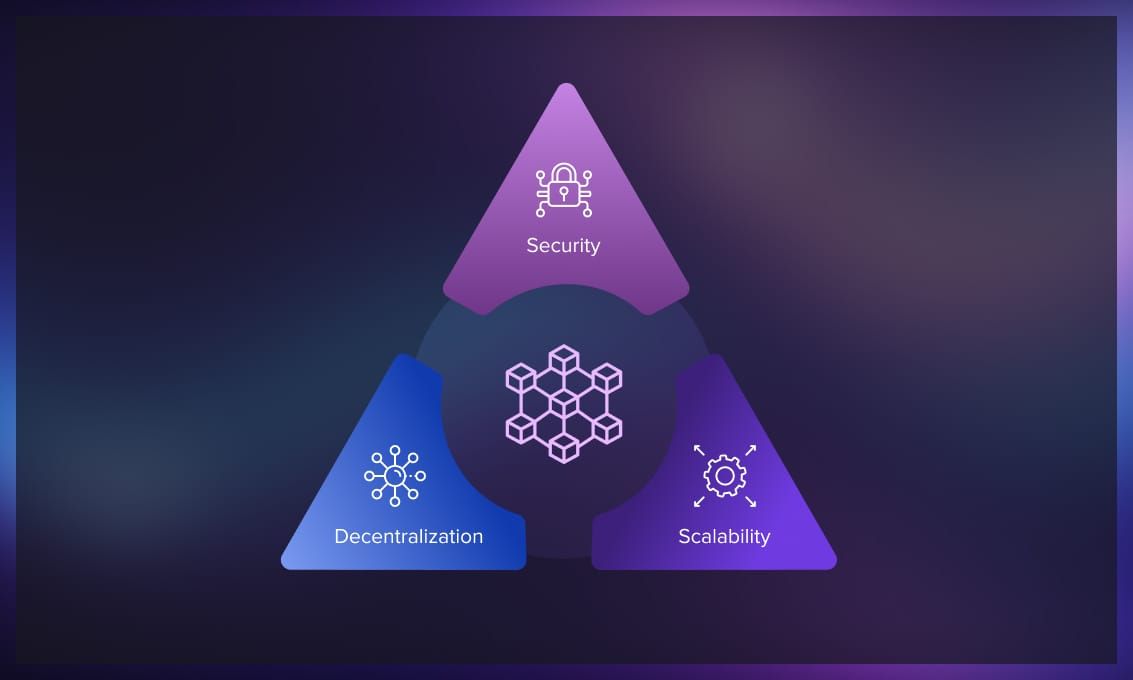
Deploy to a testnet first to validate performance under load. Once stable, move to mainnet with a phased rollout. Implement robust monitoring tools to track node health, transaction finality, and gas costs. Regular audits of your smart contracts are essential to maintain trust and security as the chain scales.
Spotting the Weak Options
AppChains are often sold as plug-and-play solutions, but the market is full of misleading claims that can derail enterprise adoption. Before committing to a custom blockchain environment, you need to separate genuine infrastructure from marketing fluff. The primary keyword cluster here is custom app chains, and understanding their real limitations is critical for high-stakes decisions.
The "Instant Launch" Trap
Many vendors promise you can "launch instantly" with their dev tools. While setup is faster than building from scratch, "instant" rarely accounts for security audits, node synchronization, or integration with legacy enterprise systems. If a vendor cannot detail the specific steps for mainnet deployment and data finality, treat this as a weak option.
Hidden Gas and Throughput Claims
A common mistake is ignoring the tradeoffs between shared and dedicated resources. Some app chains claim high throughput but rely on shared validator sets, which means your transaction fees can spike during network congestion. Always verify if the gas model is fixed or variable. A fixed fee structure is preferable for budgeting, but only if the underlying node infrastructure is truly dedicated to your application.
Vague Security Models
Not all app chains offer the same security guarantees. Some are secured by a small group of validators, making them vulnerable to collusion. Others rely on the security of a larger parent chain, which introduces latency. For enterprise use, you need to know exactly who validates your blocks and how consensus is reached. If the security model is buried in fine print, it is a red flag.
Integration Complexity
Building the chain is only half the battle. The real test is connecting it to your existing ERP, CRM, or data lakes. Many solutions look good in a demo but fail when you try to pull real-time data. Ask for concrete examples of API endpoints, SDK support, and data indexing capabilities. If the vendor cannot provide a clear integration path, the app chain will remain an isolated silo rather than a strategic asset.
Custom app chains: what to check next
Before committing to a custom app chain, enterprises need to understand the operational tradeoffs. These answers address the most common technical and financial objections raised during the adoption phase.
No comments yet. Be the first to share your thoughts!