Choose the right framework
Build Custom App Chains works best as a sequence, not a scramble through settings. Do the minimum first: confirm compatibility, connect the core hardware, update only when needed, and test the result before adding optional features. That order keeps the task understandable and makes failures easier to isolate. After each step, pause long enough for the interface to finish syncing. Many setup problems are timing problems disguised as configuration problems. If the same step fails twice, record the exact error, restart the smallest affected piece, and retry before moving deeper.
| Factor | What to check | Why it matters |
|---|---|---|
| Fit | Match the option to the primary use case. | A good deal still fails if it does not fit the job. |
| Condition | Verify age, wear, and service history. | Hidden condition issues erase upfront savings. |
| Cost | Compare purchase price with likely upkeep. | The cheapest option is not always the lowest-cost option. |
Design the consensus and security model
Choosing your consensus mechanism and security layer defines how your app chain validates transactions and protects against attacks. This decision balances performance needs against the cost and complexity of maintaining independent infrastructure.
Select the consensus mechanism
Start by choosing a consensus engine that matches your throughput requirements. Tendermint-based consensus (used by Cosmos SDK chains) is a standard choice for app chains because it offers finality in seconds and handles high transaction volumes efficiently. If your app requires Ethereum Virtual Machine (EVM) compatibility, you might select a consensus layer that supports EVM execution, such as those used by Polygon CDK or Arbitrum Orbit.

Determine your expected transaction volume. High-frequency trading or gaming apps often require sub-second finality, favoring Tendermint or HotStuff. Lower-volume apps may tolerate longer confirmation times, allowing for more energy-efficient or decentralized consensus models.
Select a framework like Cosmos SDK, Polygon CDK, or Arbitrum Orbit. Cosmos SDK chains typically use Tendermint BFT. EVM-compatible app chains often use variants of Ethereum’s consensus or optimistic rollup technology. Ensure the engine supports your desired validator set size.

Define who can validate your chain. You can restrict validation to a known set of operators for higher security and speed, or allow open participation for greater decentralization. This choice directly impacts your gas costs and network censorship resistance.
Decide on the security layer
Next, determine how your app chain secures its state. You have two primary options: independent security or shared security. Independent security means your chain generates its own block production and relies on its own validator set to secure the network. This offers maximum autonomy but requires you to bootstrap a sufficient number of validators to prevent attacks.
Shared security allows your app chain to inherit the security of a larger parent chain, such as Ethereum or a Layer 1 like Cosmos Hub. As noted by StarkWare, appchains are often "customizable L2s... that inherit the security of the layer they settle on." This approach is cheaper and faster to launch since you don’t need to attract your own validators. However, it ties your fate to the parent chain’s economic security and potential governance changes.
Finalize the security architecture
Once you have selected your consensus and security model, document the trade-offs. Independent security provides full control but higher operational overhead. Shared security offers ease of deployment but introduces centralization risks relative to the parent chain. For high-stakes applications, many builders prefer independent security for critical data availability, while using shared security for less critical modules. Review your chosen configuration against official documentation for your selected framework to ensure all security parameters are correctly set before deployment.
Set up the development environment
Build Custom App Chains works best as a sequence, not a scramble through settings. Do the minimum first: confirm compatibility, connect the core hardware, update only when needed, and test the result before adding optional features. That order keeps the task understandable and makes failures easier to isolate. After each step, pause long enough for the interface to finish syncing. Many setup problems are timing problems disguised as configuration problems. If the same step fails twice, record the exact error, restart the smallest affected piece, and retry before moving deeper.
Integrate interoperability protocols
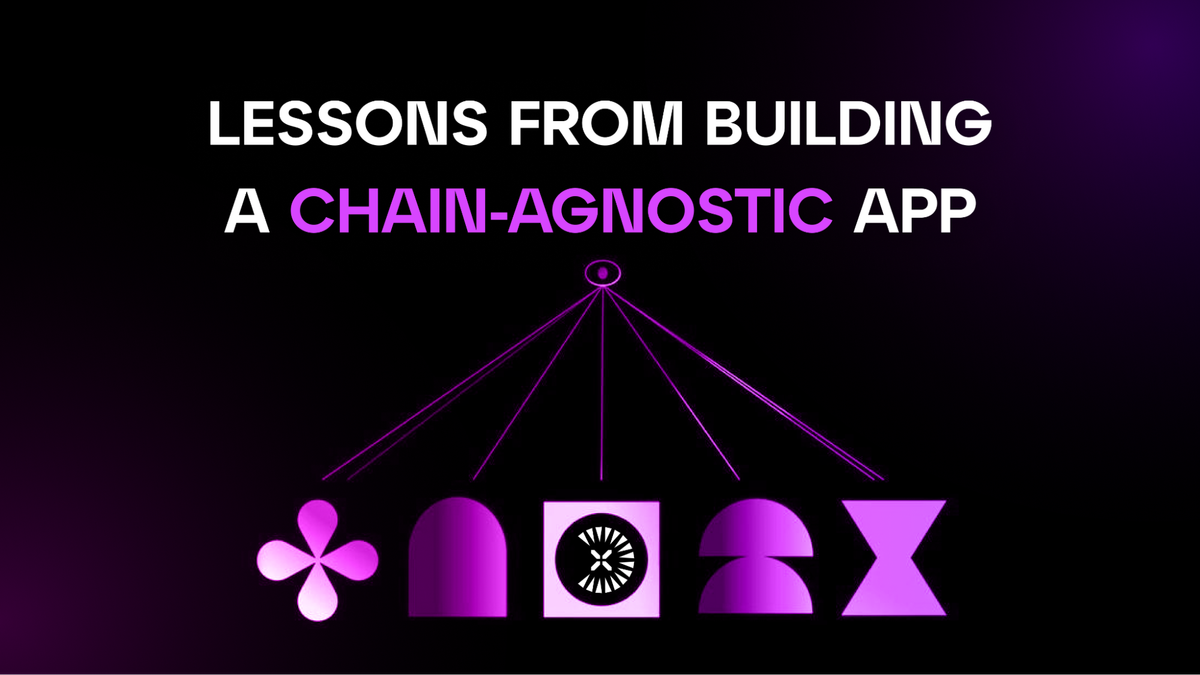
Connecting your custom app chain to external ecosystems requires choosing the right interoperability protocol. The goal is to ensure asset and data flow without compromising the chain's security model. You generally have three paths: the Inter-Blockchain Communication (IBC) protocol, cross-chain messaging frameworks, or custom bridge contracts.
Choose the right protocol
Your choice depends on the target ecosystems. If you are building within the Cosmos ecosystem, IBC is the standard. It provides a secure, permissionless way for independent blockchains to communicate. For Ethereum-based chains, you might use cross-chain messaging protocols like LayerZero or Wormhole. These allow your app chain to send messages and tokens to other networks without relying on a single centralized entity.
Implement security checks
Interoperability introduces new attack vectors. Bridge hacks are a common risk in Web3. You must audit your bridge contracts thoroughly. If using IBC, ensure your light client verification is robust. For cross-chain messaging, verify that the relayer network is decentralized. This prevents a single point of failure from draining your chain's liquidity.

Test and deploy the mainnet
Before opening your custom app chain to the public, you must verify that the infrastructure holds up under real-world pressure. Testing is not a formality; it is the final gate between a prototype and a production-grade blockchain. Rushing this phase exposes users to vulnerabilities and can permanently damage the chain’s reputation.
1. Conduct a security audit
A formal audit by a reputable firm is non-negotiable for high-stakes deployments. Auditors review your smart contracts and node configurations for logic errors, reentrancy vulnerabilities, and gas inefficiencies. Do not skip this step based on internal confidence; external eyes catch what internal teams miss. Ensure the audit report is public so validators and users can verify the security posture.
2. Run stress tests
Simulate traffic spikes to identify bottlenecks in block finality and transaction throughput. Use tools to flood your testnet with transactions, mimicking peak usage scenarios. Monitor node health, memory usage, and consensus latency. If your chain stalls under load, you must optimize your consensus parameters or upgrade your node infrastructure before going live.
3. Onboard validators
A decentralized chain requires a robust validator set. Reach out to node operators and security-conscious stakeholders to join your mainnet. Provide them with clear documentation, genesis files, and infrastructure support. A healthy validator distribution ensures censorship resistance and network stability from day one.
4. Execute the mainnet launch
Deploy the genesis block and activate the network. Monitor the first few blocks closely for any consensus failures or sync issues. Simultaneously, announce the launch to your community through official channels. Transparency during the initial hours builds trust and allows for rapid response if unexpected issues arise.
Pre-launch checklist
-
Security audit completed and report published
-
Stress test results reviewed and bottlenecks resolved
-
Validator set onboarded and node health verified
-
Genesis block deployed and network active
-
Community announcement sent via official channels
Frequently asked questions about app chains
Here are the most common questions about building custom app chains in 2026, focusing on costs, builders, and market trends.
Helpful gear
Use these product recommendations as a starting point, then choose the size, material, and price point that fit how you actually use the gear.


As an Amazon Associate, we may earn from qualifying purchases.
No comments yet. Be the first to share your thoughts!