Get custom app chains 2026 right
Before you initialize a testnet, you need to define the boundaries of your standalone chain. An application-specific blockchain (appchain) is designed to operate one specific application exclusively, rather than hosting multiple unrelated apps like a generic L2. This specialization is what allows you to bypass the congestion of shared networks, but it also means you are responsible for the entire stack.
Start by auditing your technical prerequisites. You must decide whether to build from scratch or use a framework like Cosmos SDK or Polkadot’s Substrate. If you choose the latter, ensure your team understands the modular nature of these toolsets. You are not just deploying code; you are managing consensus, networking, and state synchronization. Without this foundation, your chain will struggle to maintain security as user volume grows.
Next, map out your economic model. A standalone L1 requires a native token to secure the network through staking and transaction fees. Determine if your token serves a governance role, a utility function, or both. If you plan to offer free transactions to users, you will need a separate mechanism to subsidize validators. Failure to align incentives between users, validators, and token holders is the most common reason early appchains fail to launch.
Finally, verify your infrastructure readiness. You need reliable node providers and a clear plan for block explorer integration. Use official documentation from your chosen framework to validate your setup before going live. This step prevents the costly rework of migrating data or patching security holes after launch.
Build your custom app chain in 5 steps
Building a custom app chain means provisioning a dedicated blockchain instance for your specific application. Unlike generic L2s where you compete for shared block space, an app chain gives your protocol its own consensus, validation, and economic layer. This approach isolates your transaction costs and allows you to tune parameters like block time and gas limits without affecting other networks.
The process moves from infrastructure selection to final deployment. You define your tokenomics, configure your validators, and deploy your smart contracts to a chain built exclusively for your use case.

Select a platform that offers plug-and-play dev tools and managed infrastructure. Providers like Zeeve or Alchemy allow you to spin up a dedicated blockchain instance without managing the underlying node hardware. Look for support for Cosmos SDK or Polkadot Substrate, which are the most common frameworks for building application-specific blockchains. Ensure the provider offers easy integration with your existing development stack and wallet solutions.

Configure the economic layer of your chain. Decide whether your app chain will have its own native token for gas fees or if it will use a stablecoin or the parent chain’s token. Set up the consensus mechanism, typically Proof of Stake (PoS), and determine the number of validators. Early-stage app chains often start with a small, trusted set of validators to ensure security while the network matures. Define the inflation schedule or fee structure that will incentivize these validators to keep the chain running.
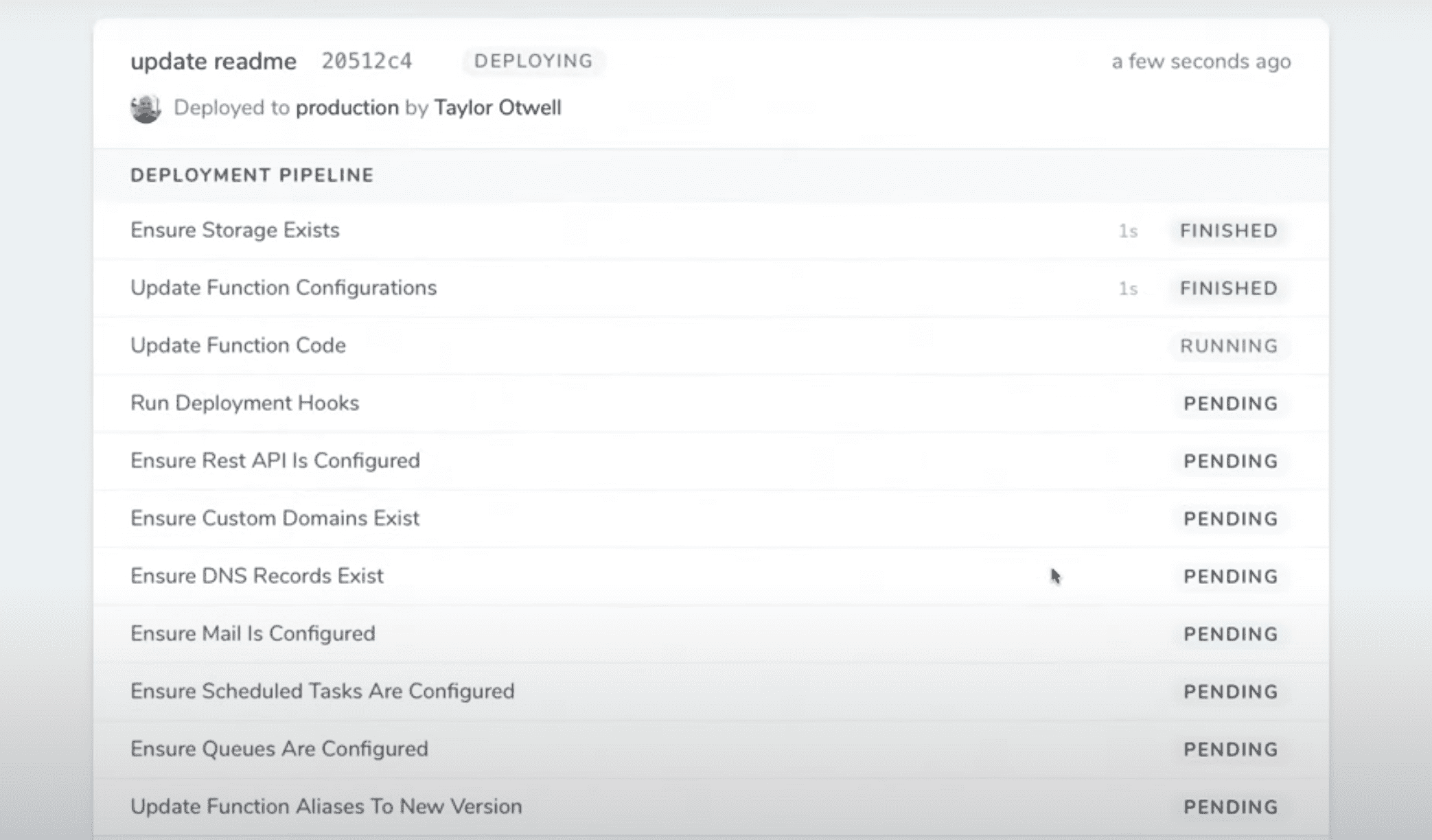
Set up the nodes that will validate transactions on your new chain. You can run these nodes yourself or delegate this responsibility to your infrastructure provider. Configure the network parameters, including the maximum block size, gas limit, and slashing conditions. Slashing penalties are critical for maintaining security; they punish validators who go offline or act maliciously. Ensure your node configuration includes robust monitoring and alerting tools to detect downtime or performance issues early.

Compile and deploy your smart contracts to the new app chain. This is where your application logic lives. Ensure your contracts are optimized for the specific gas and block parameters you configured in the previous steps. Integrate your decentralized application (dApp) frontend with the new chain’s RPC endpoint. You will need to update your wallet connections (like MetaMask or WalletConnect) to recognize the new network and token symbols. Test thoroughly on a testnet before going live.

Go live with your custom app chain. Monitor transaction throughput, latency, and validator health in real-time. Since you control the chain, you can adjust parameters like block time to improve user experience if you notice congestion. Keep an eye on security audits and community feedback. Regularly update your node software and smart contracts to patch vulnerabilities and improve performance. A well-maintained app chain will offer a seamless experience for your users, distinct from the shared congestion of generic L2s.
-
Select infrastructure provider (Cosmos/Substrate)
-
Define tokenomics and validator set
-
Configure node infrastructure and slashing
-
Deploy smart contracts and frontend
-
Launch and monitor network health
Common Mistakes in Building Custom App Chains
Even with robust infrastructure, teams frequently undermine their appchain projects by misinterpreting the core value proposition. An appchain is an application-specific blockchain designed to operate one specific application instead of multiple apps. When you treat it as a generic layer-2 or a shared testnet, you lose the isolation that justifies the development cost.
Overestimating the Need for Sovereignty
The most critical error is building a sovereign chain when a shared sequencer or rollup would suffice. Sovereignty brings operational complexity: you must manage validators, secure the network, and handle tokenomics. If your application does not require unique consensus mechanisms or dedicated throughput, you are adding unnecessary overhead. Use a shared security model unless you have a specific need for independent block production.
Ignoring Data Availability Costs
Many teams design their data structures without accounting for long-term storage costs. Appchains often store more state than standard smart contracts. If you do not optimize your state bloat or use efficient data availability layers, your operational expenses will scale linearly with user growth. Calculate the cost per transaction on your target DA layer before finalizing your state management strategy.
Neglecting Interoperability from Day One
Building in isolation creates a siloed asset environment. If your appchain cannot communicate with the base layer or other chains, your users face friction when bridging assets. Implement standard bridge protocols or interoperability layers during the initial design phase. Retrofitting these connections after launch is significantly more expensive and risky than integrating them from the start.
Underestimating Validator Incentives
A decentralized appchain requires a sufficient number of validators to remain secure. If you do not design a compelling incentive structure, your network will rely on a few central operators, defeating the purpose of decentralization. Ensure your tokenomics reward honest behavior and provide enough yield to attract independent node operators early in the lifecycle.
Custom app chains 2026: what to check next
Before committing to a standalone architecture, teams often face practical hurdles regarding cost, security, and market fit. These answers address the most common objections found in developer discussions and search trends.
No comments yet. Be the first to share your thoughts!