Custom app chains 2026 limits to account for
Why Is the Year of Custom App Chains works best as a sequence, not a scramble through settings. Do the minimum first: confirm compatibility, connect the core hardware, update only when needed, and test the result before adding optional features. That order keeps the task understandable and makes failures easier to isolate. After each step, pause long enough for the interface to finish syncing. Many setup problems are timing problems disguised as configuration problems. If the same step fails twice, record the exact error, restart the smallest affected piece, and retry before moving deeper.
Use the checklist as a welfare screen: verify the source, health signs, enclosure readiness, paperwork, and transport plan before paying.
Custom app chains 2026 choices that change the plan
Building a custom app chain offers isolation and control, but it introduces complexity that general-purpose Layer 1s do not carry. In 2026, the decision hinges on whether your application’s specific needs justify the operational overhead. You must evaluate performance requirements against the cost of maintaining independent infrastructure.
The following table compares the primary tradeoffs between custom app chains and shared Layer 1 networks. Use this to gauge where your project fits before committing to development.
| Factor | Custom App Chain | Shared Layer 1 | Key Consideration |
|---|---|---|---|
| Performance | High throughput, no congestion | Variable, subject to network traffic | App chains avoid the 'noisy neighbor' problem common on public chains. |
| Cost Structure | Fixed infrastructure costs | Variable gas fees per transaction | App chains offer predictable budgets for high-volume transactions. |
| Security Model | Self-managed or shared security | Inherited network security | You are responsible for validator selection and node health. |
| Interoperability | Requires bridges or IBC | Native token transfers | Cross-chain communication adds latency and attack surface. |
| Development Speed | Slower initial setup | Fast deployment | App chains require significant initial configuration and testing. |
Estimating Your Development Costs
The financial commitment for a custom app chain varies based on complexity, security requirements, and infrastructure choices. Use the calculator below to estimate the baseline development and initial operational costs.
Note that these figures represent initial deployment costs. Ongoing operational expenses, including node maintenance, monitoring tools, and periodic security audits, should be factored into your long-term budget. Shared Layer 1s typically have lower upfront costs but higher variable transaction fees.
How to choose the right app chain strategy
Enterprise blockchain adoption in 2026 requires moving beyond generic testnets to purpose-built infrastructure. An app chain is an independent blockchain designed for a specific application, offering the customization and control that shared public chains cannot provide. To build a successful app chain, you must evaluate your technical needs, select the right framework, and plan for operational costs.
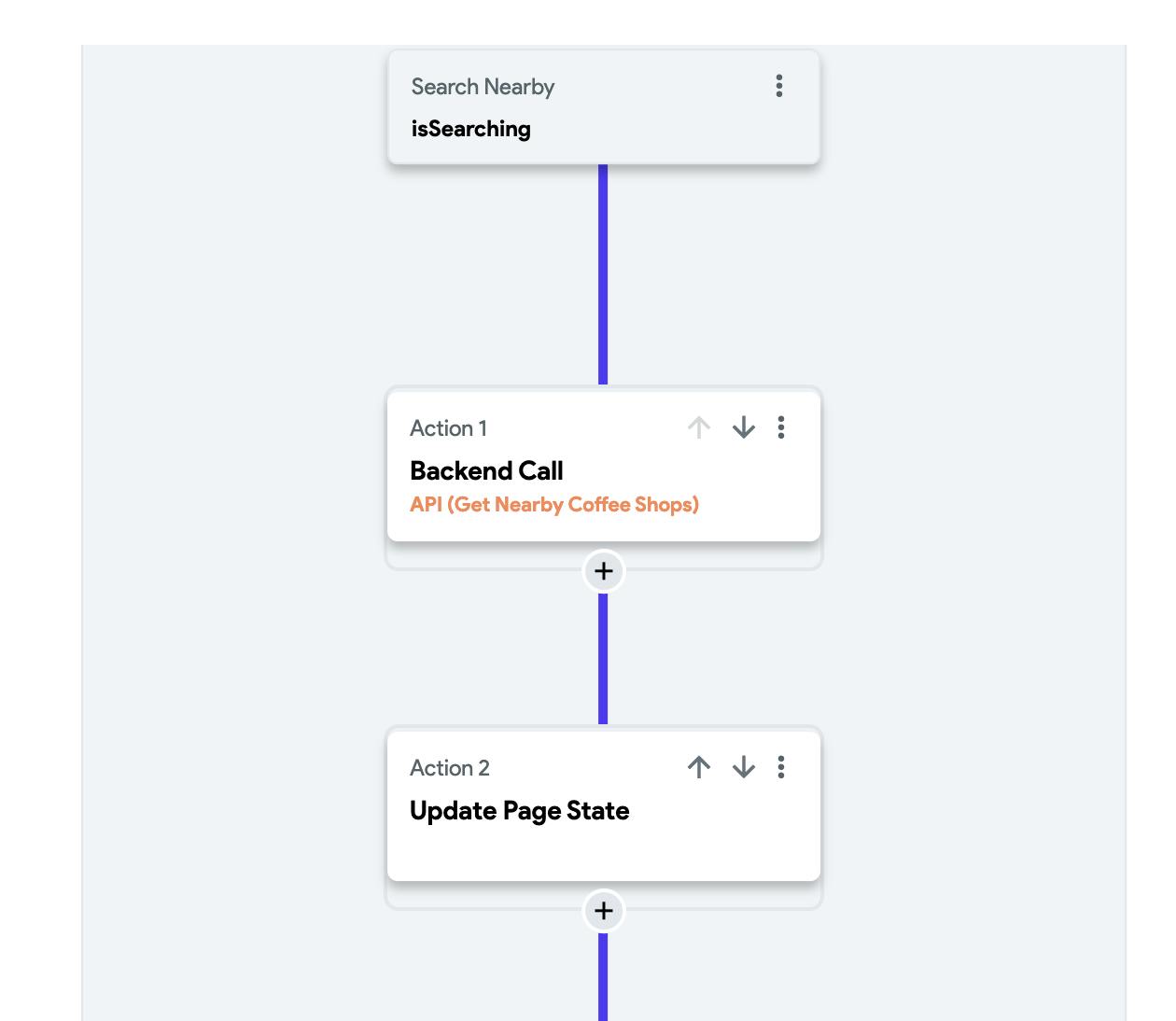
Before writing code, map your application’s throughput needs, privacy constraints, and governance model. App chains excel when an application requires high transaction finality or specific compliance rules that public chains cannot guarantee. Use this assessment to determine if a standalone chain is necessary or if a Layer 2 solution suffices.

Choose a framework that aligns with your team’s expertise and the application’s scalability needs. In 2026, leading options include Cosmos SDK for interoperability, Substrate for modular design, and zkEVM solutions like Polygon zkEVM for Ethereum compatibility. Selecting the right foundation reduces development time and ensures long-term maintainability.

Building an app chain involves more than development costs. Factor in node infrastructure, validator incentives, and ongoing security audits. Use a cost calculator to estimate monthly operational expenses based on your expected transaction volume and node count. This prevents budget overruns during the scaling phase.

Define how upgrades are proposed and approved. Implement multi-sig wallets for treasury management and regular smart contract audits. A clear governance structure ensures that the app chain can adapt to market changes without fragmenting the community or compromising security.


As an Amazon Associate, we may earn from qualifying purchases.
Key Takeaways:
- App chains provide dedicated infrastructure for specific applications, offering greater control and performance.
- Framework selection should match your team’s technical skills and the application’s scalability needs.
- Always calculate total cost of ownership, including infrastructure and governance, before launching.
- Establish clear governance and security protocols to ensure long-term stability and community trust.
Spotting Weak Options in App Chain Development
Building a custom app chain offers control, but the market is crowded with misleading claims. Many vendors market "plug-and-play" infrastructure as a complete solution, ignoring the heavy lift required for governance and security audits. Before committing budget, distinguish between managed node services and actual chain development. Managed services handle uptime; they do not replace the need for smart contract verification or consensus mechanism design.
A common mistake is choosing a framework based solely on popularity rather than fit. Cosmos SDK and Substrate are powerful, but they introduce significant complexity for teams lacking Rust or Go expertise. If your use case only requires simple token transfers, a Layer 2 solution on an existing chain may be cheaper and faster than spinning up a new validator set. Evaluate whether you truly need independence or just scalability.
Avoid vendors who promise zero maintenance. Every app chain requires ongoing monitoring, key management, and upgrade protocols. If a provider cannot clearly articulate their security audit process or disaster recovery plan, treat it as a red flag. The cost of a breach far exceeds the savings of a rushed launch. Verify their track record with past mainnet deployments before signing contracts.
Custom app chains 2026: what to check next
Before committing infrastructure to a custom app chain, address the practical objections regarding definition, cost, and development feasibility. These answers clarify the core tradeoffs for enterprise adoption in 2026.
No comments yet. Be the first to share your thoughts!