As the blockchain ecosystem matures, developers and architects face a pivotal decision: should their application-specific blockchain be built as a rollup or as a standalone Layer 1 (L1) chain? This choice shapes everything from scalability and security to user experience and governance. The landscape is more nuanced than ever, with innovations like Rollups-as-a-Service (RaaS) lowering barriers and standalone L1s offering unprecedented sovereignty. Let’s unpack the trade-offs that define the rollup vs L1 blockchain debate for appchain architecture.
Understanding Rollups: Layer 2 for Scalable Appchains
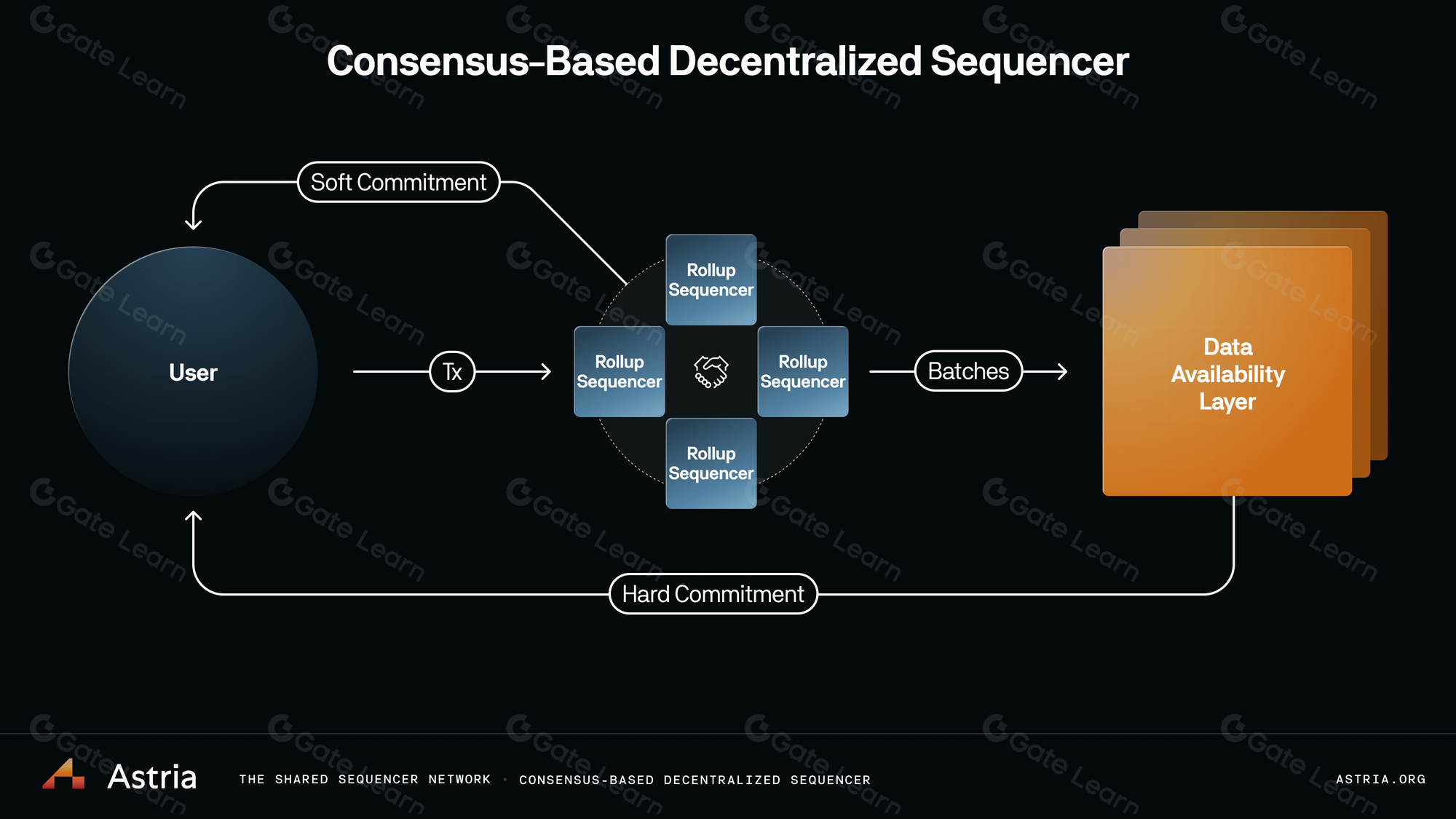
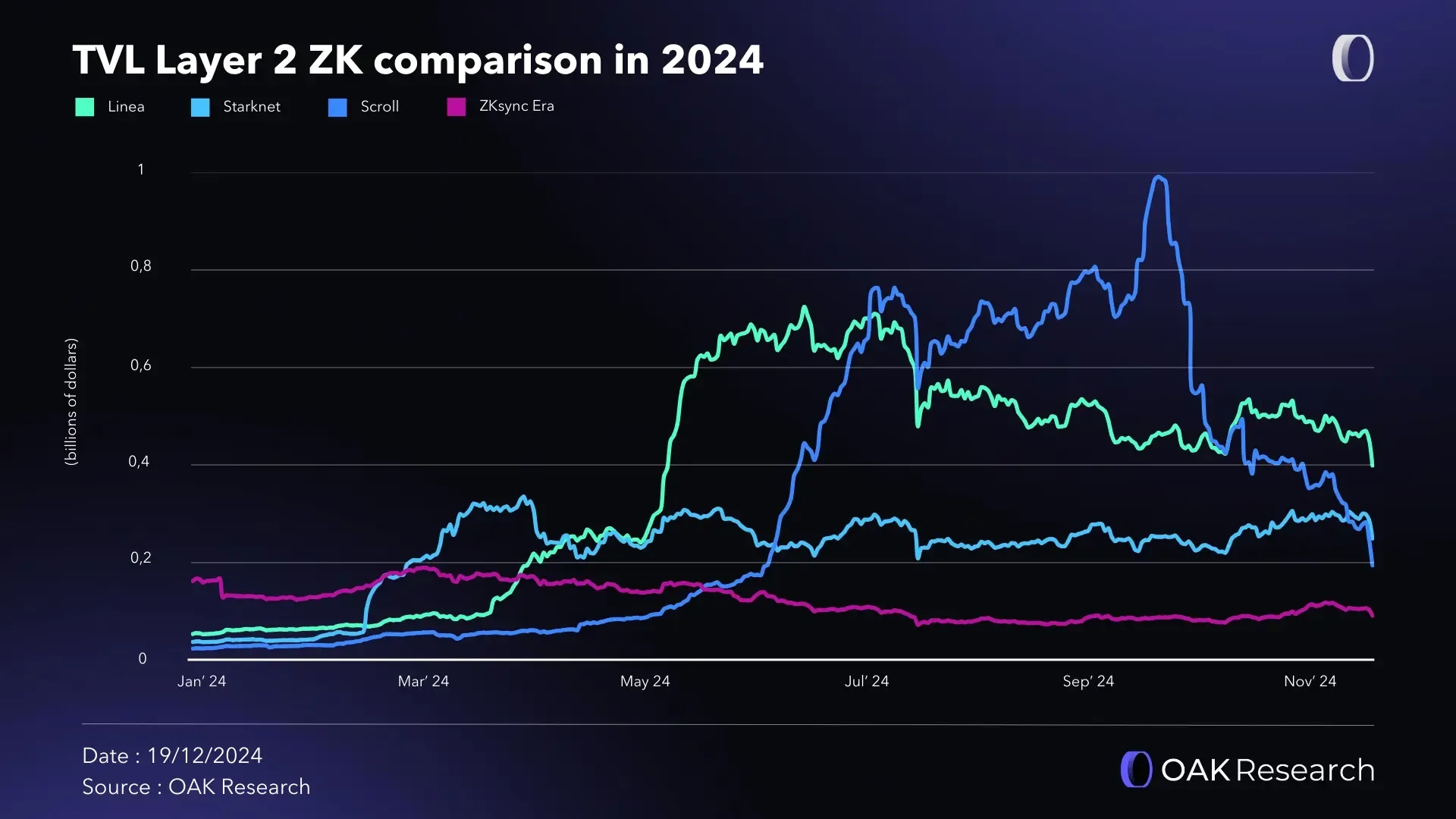
Rollups have quickly become the go-to scaling solution for Ethereum and other major networks. By processing transactions off-chain and submitting batches to an L1, rollups dramatically increase throughput while reducing gas costs. The two main types, Optimistic Rollups and Zero-Knowledge (ZK) Rollups, offer different trade-offs around finality speed, privacy, and proof mechanisms.
Key advantages of rollups include:
- Scalability: Offloading transaction processing enables much higher TPS than most monolithic L1s.
- Security Inheritance: By anchoring data on Ethereum or another robust L1, rollups benefit from its consensus security.
- Cost Efficiency: Batching transactions slashes per-transaction fees, making microtransactions viable (QuickNode Blog).
- Simplified Development: Developers can leverage existing tooling, infrastructure, and wallet support.
This architecture is especially attractive to projects seeking rapid deployment with minimal security overhead. However, reliance on the underlying L1 does introduce some latency, especially during periods of network congestion or high base fees. Customization is possible, but not limitless, since some parameters are dictated by the host chain’s protocol.
Standalone Layer 1 Chains: Full Sovereignty at a Cost
If your vision demands total control over network rules, economics, or governance structures, a standalone L1 might be appealing. These independent blockchains are not beholden to another protocol’s upgrades or fee dynamics. Instead, they offer a blank canvas for innovation in consensus algorithms, tokenomics, fee markets, and even virtual machine design. The Cosmos SDK and Substrate frameworks have made launching sovereign chains far more accessible in recent years.
The primary benefits of standalone L1s include:
Scalability vs. Sovereignty: Rollups vs. Standalone L1s
- Rollups: Superior Scalability — Rollups process transactions off-chain and batch them to Layer 1 (e.g., Ethereum), dramatically increasing throughput and reducing fees. This approach enables high transaction volumes without congesting the main chain.
- Rollups: Security Inheritance — By anchoring transaction data to a major L1 blockchain, rollups inherit the robust security guarantees of networks like Ethereum, minimizing the risk of attacks without building security from scratch.

- Rollups: Cost Efficiency — Aggregating multiple transactions into single batches significantly lowers gas fees, making rollups attractive for applications with high user activity and frequent transactions.
- Standalone L1s: Complete Sovereignty — A standalone L1 blockchain operates independently, allowing full control over consensus, governance, and network upgrades—ideal for projects requiring custom rules or unique features.
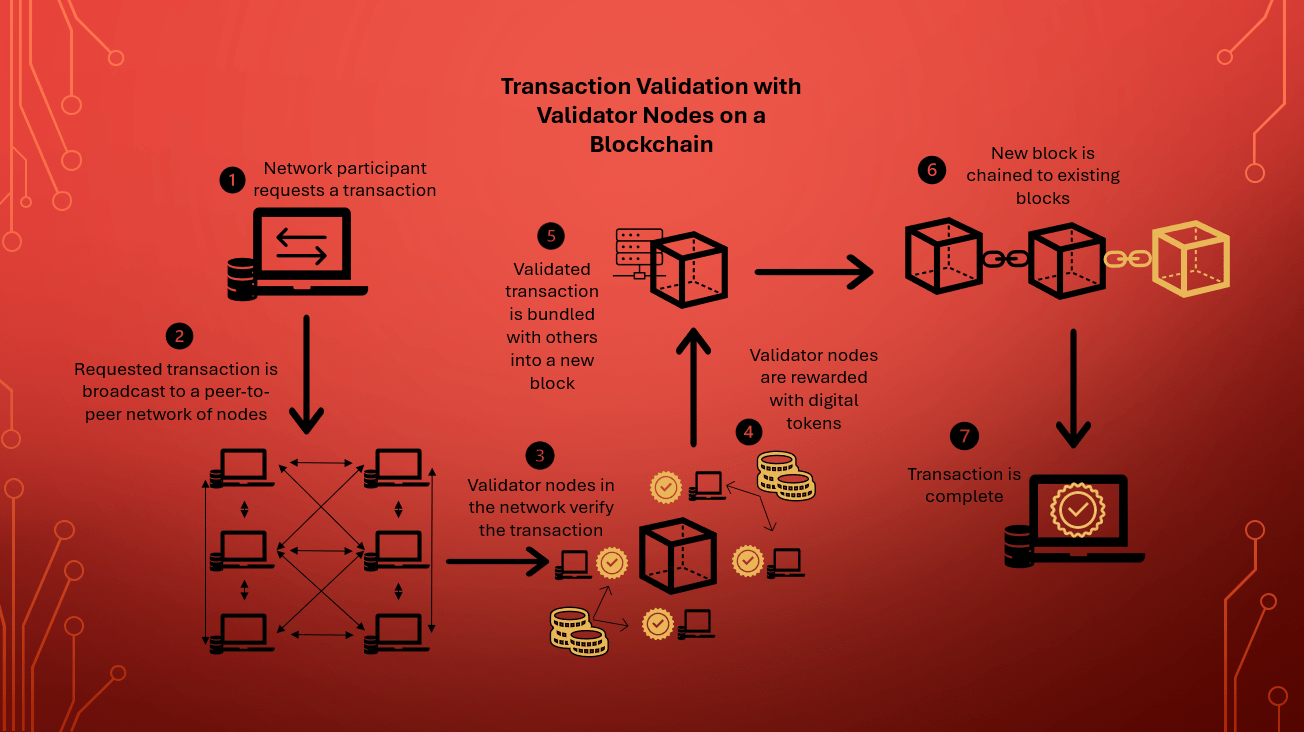
- Standalone L1s: Dedicated Network Resources — All network resources are devoted to your application, potentially boosting performance, but also requiring you to build and maintain a validator set and security infrastructure.
- Standalone L1s: Greater Customization — Developers can tailor every aspect of the blockchain, from consensus mechanisms to fee structures, enabling unique optimizations not possible on shared infrastructure like rollups.
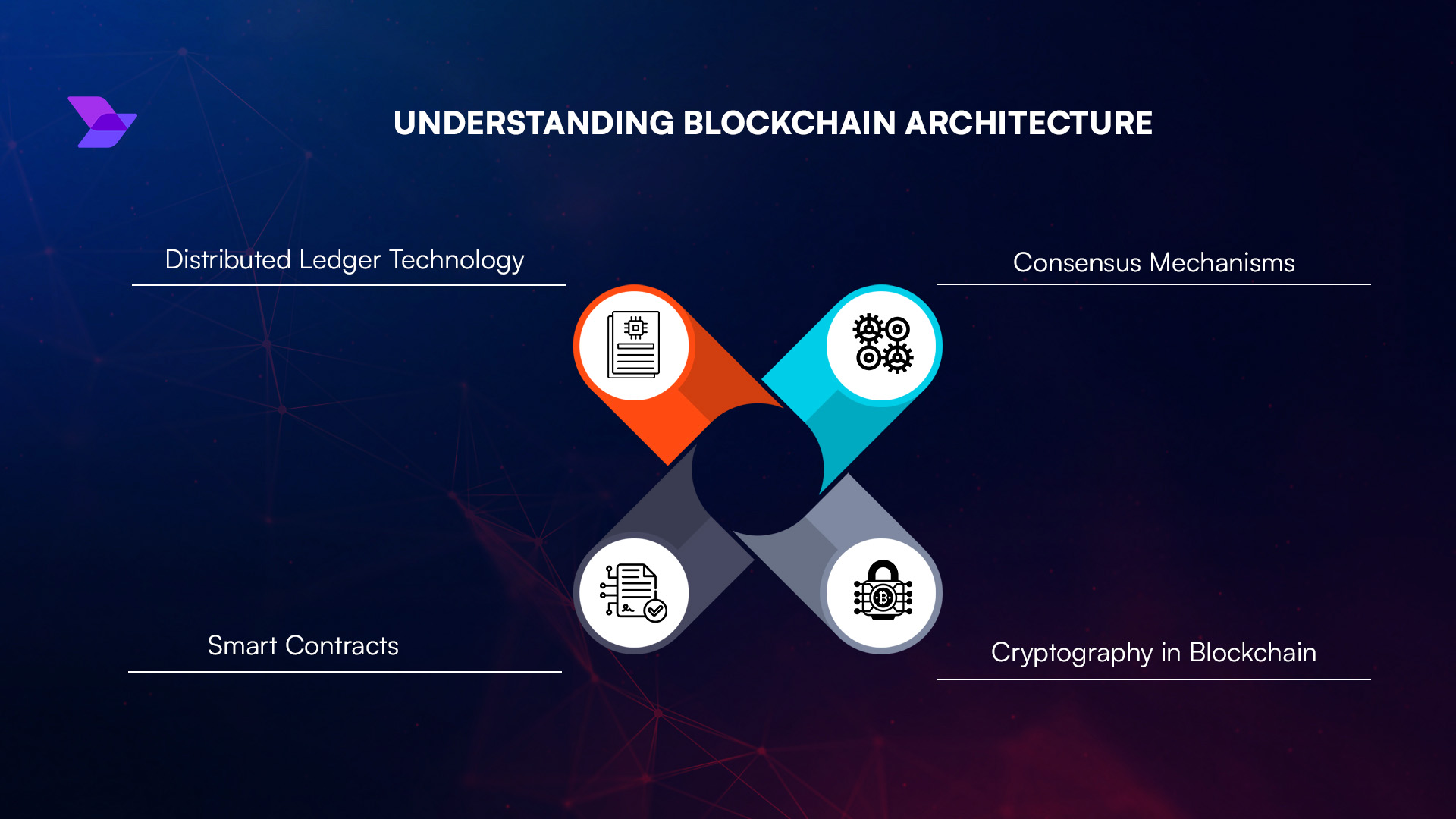
This freedom comes at a price. Building your own consensus layer requires deep expertise in distributed systems engineering and cryptography. Security is no longer inherited, you must cultivate your own validator set or mining community. Achieving liquidity and user adoption without piggybacking on an established ecosystem can also be daunting (GetBlock Blog).
The Evolving Middle Ground: Rollups-as-a-Service (RaaS)
The rise of RaaS platforms represents a pragmatic middle path between pure rollup deployments and full-blown sovereign chains. These services provide pre-built frameworks for launching custom rollups with managed infrastructure, letting teams focus on business logic rather than consensus intricacies (Alchemy Overview). RaaS can dramatically reduce time-to-market while still offering significant flexibility in how your application-specific blockchain operates.
Critical Decision Factors in Appchain Architecture Comparison
- Scalability Needs: How many transactions per second will you require at peak times?
- Security Assumptions: Are you comfortable inheriting security from Ethereum or do you need complete independence?
- User Experience: Will users tolerate occasional delays due to parent chain congestion?
- Sovereignty and Customization: Do you need features only possible with a bespoke consensus mechanism?
- Ecosystem Integration: Is it critical to tap into existing liquidity pools or developer tools?
- Resource Commitment: Does your team have the bandwidth to maintain core infrastructure long-term?
There’s no universal answer to the application-specific blockchain design challenge. The optimal architecture depends on your project’s priorities, technical strengths, and go-to-market strategy. Many teams begin with a rollup for speed and cost-effectiveness, then migrate to a standalone L1 as their user base and customization needs outgrow L2 constraints. Others embrace hybrid models, leveraging both approaches in tandem.
Practical Scenarios: When to Choose Each Path
If your application demands instant finality, low fees, and seamless access to Ethereum’s liquidity or tooling, rollups are difficult to beat. DeFi protocols, NFT platforms, and social apps often benefit from this approach, especially when time-to-market is critical. On the other hand, if you’re building a network with novel consensus requirements (e. g. , privacy coins or real-time data feeds), or you need granular control over block production and fee markets, a standalone L1 might be the only way forward.
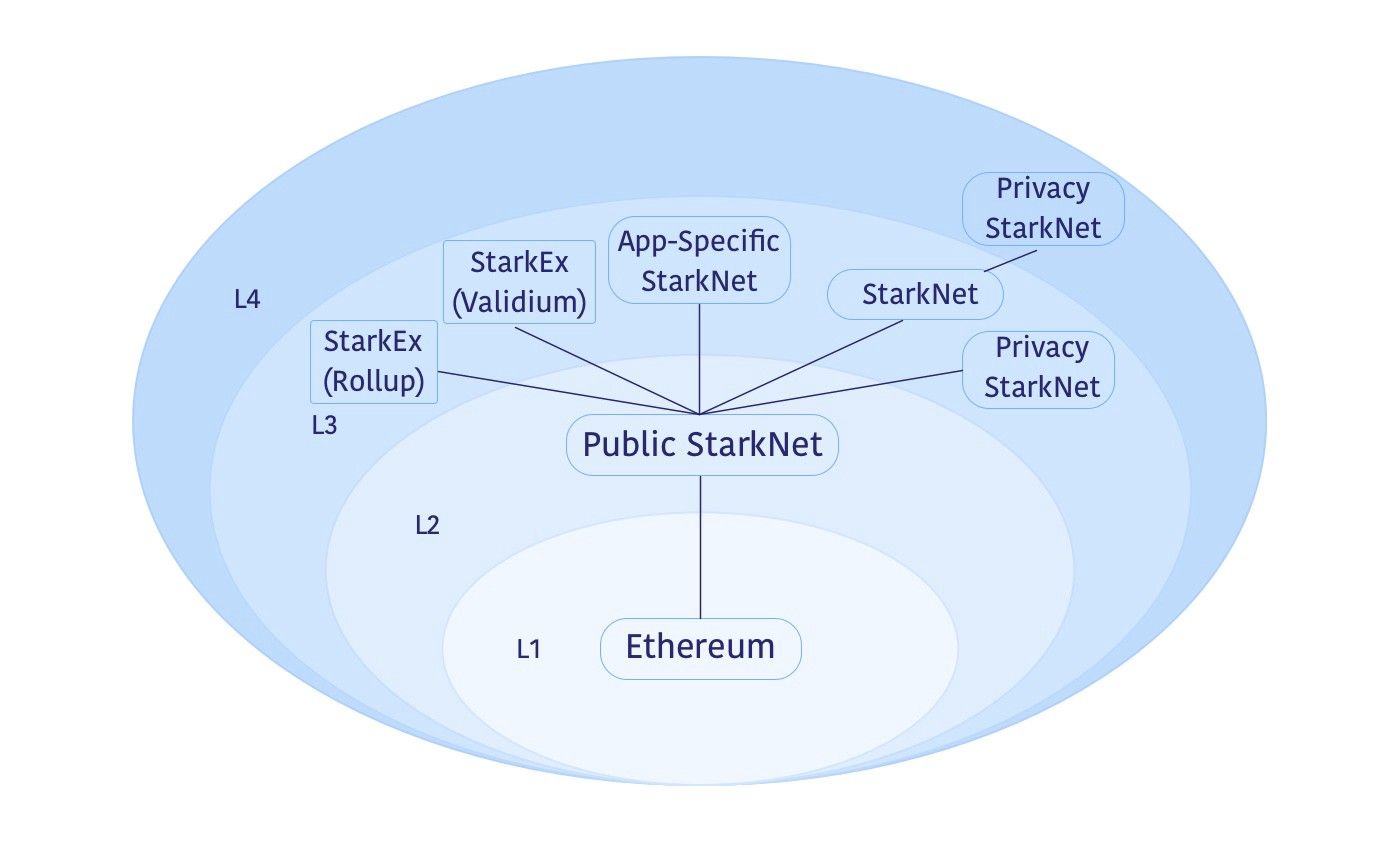
It’s also important to consider the evolving landscape of interoperability. Modular frameworks like Cosmos IBC or Polkadot parachains increasingly blur the lines between L1s and L2s. These solutions enable custom appchains to communicate across ecosystems, sometimes combining rollup scalability with sovereign governance.
Checklist: Evaluating Your Appchain Architecture
The decision matrix is complex but tractable if you start with clear goals:
- If rapid scaling and security are top priorities, a rollup on Ethereum or another established L1 is often ideal.
- If you require full-stack sovereignty, including custom fee markets or consensus innovation, consider launching your own Layer 1 chain.
- If you want speed without deep infrastructure investment, explore Rollups-as-a-Service providers for managed deployments.
As always in blockchain architecture, trade-offs are inevitable. But with thoughtful planning, and an honest assessment of your team’s strengths, you can craft an appchain that balances performance, security, and user experience for your unique use case.




No comments yet. Be the first to share your thoughts!