

In the relentless pursuit of blockchain scalability, custom rollups have emerged as a beacon for developers crafting application-specific chains, or app-chains, tailored to unique workloads. Yet, a persistent thorn remains: demand spikes that ripple through shared fee markets, jacking up costs for innocent users and throttling performance across the board. Isolated fee markets for custom rollups offer a surgical fix, confining competition to specific state accesses and shielding unrelated transactions from the chaos. This approach isn't just technical wizardry; it's a pragmatic evolution that promises equitable resource use and sustained throughput in an era where rollups secure over $55 billion in assets.
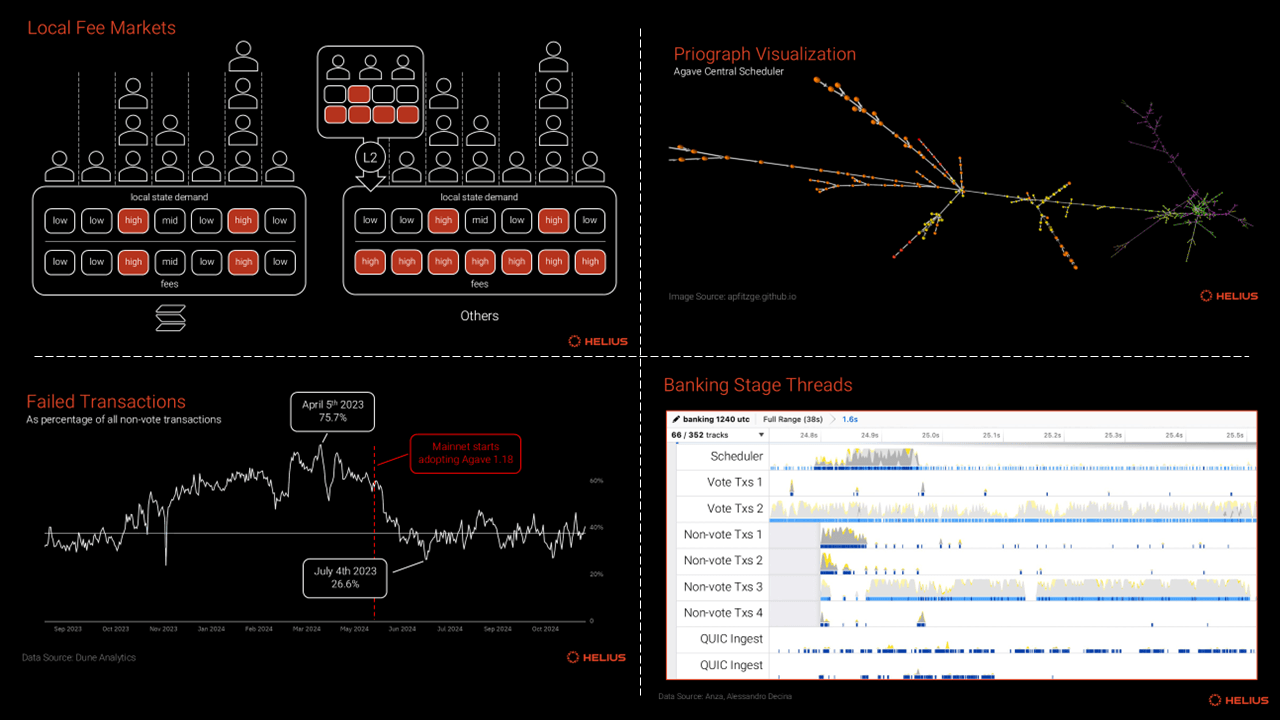
Consider the typical scenario on Ethereum's rollups today. A surge in DeFi activity or a viral NFT mint can flood the mempool, driving gas fees skyward for even basic transfers. Spam bots, gobbling more than 50% of gas while paying under 10% of fees, exacerbate this as noted in recent Flashbots analysis. App-chains demand spikes like these not only erode user experience but also undermine economic models, making isolated fee markets rollups a necessity rather than a luxury.
Why Shared Fee Markets Fail Under Pressure
Traditional EIP-1559 fee markets treat all transactions as equals vying for the same block space, a model that buckles under heterogeneous demand. High-compute DeFi swaps subsidize simple balances checks indirectly, as fees aggregate network-wide. Pricing attacks, detailed in arXiv papers, exploit this by flooding rollups with low-value txs, securing more than $55B in assets yet vulnerable to manipulation. In app-chains, where workloads diverge wildly - from gaming bursts to steady payments - this one-size-fits-all pricing invites app-chains demand spikes, congesting the entire chain.
I've seen parallels in traditional finance, where undifferentiated trading floors led to flash crashes. Blockchain needs compartmentalization. Isolated markets flip the script: fees reflect true resource consumption per state slice. A complex perpetuals trade pays for its compute and storage, leaving token transfers untouched. This granular control aligns incentives, curbing spam and MEV extraction that plagues multi-rollup ecosystems.
Core Mechanics of Isolated Fee Markets
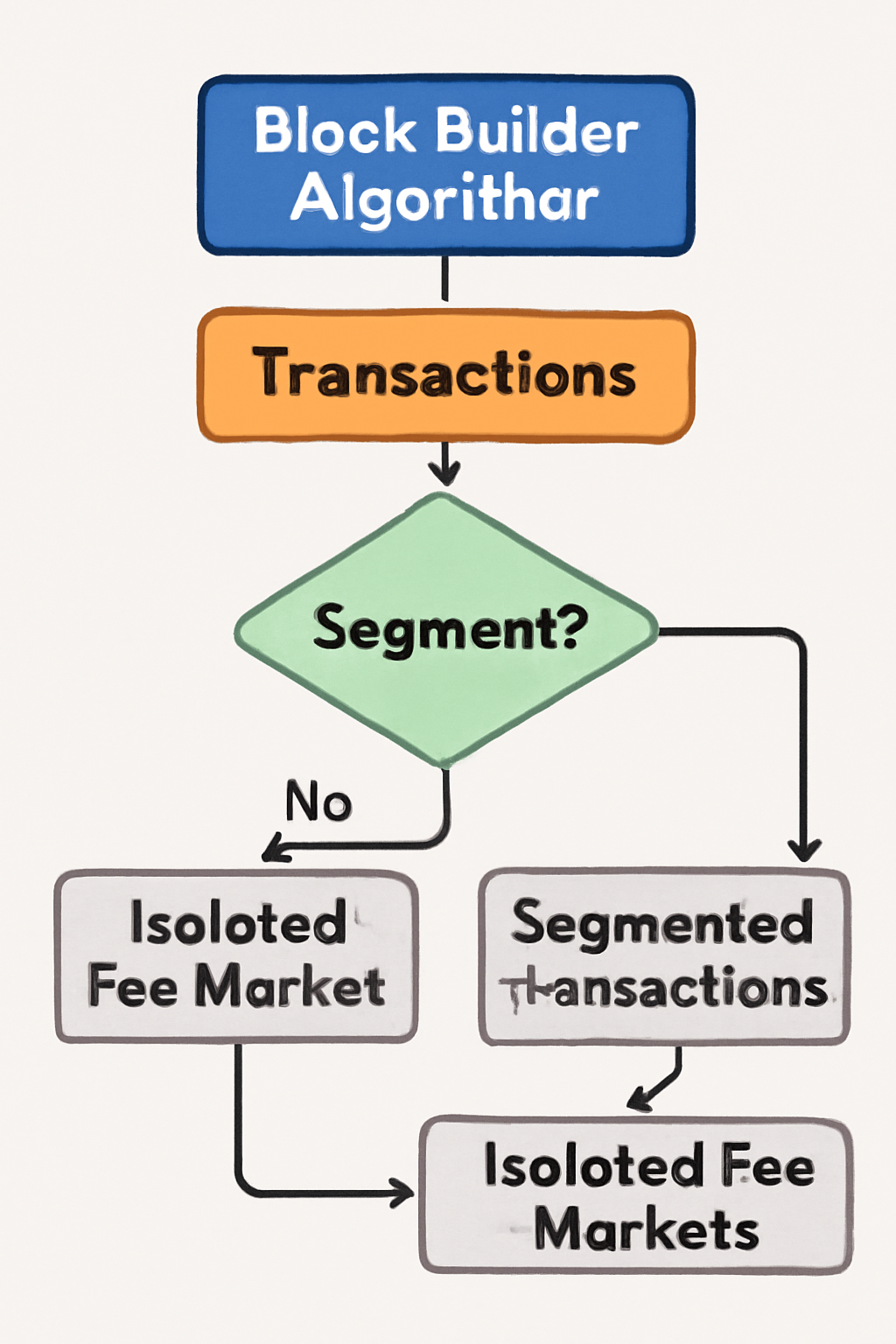
At their heart, isolated fee markets segment the blockchain state into contestable domains. Transactions touching disjoint state - say, one updating a user's NFT balance, another executing a cross-margin swap - don't bid against each other. Eclipse's insights nail this: local markets ensure high-demand apps don't inflate fees for low-impact ones. Parallel execution unlocks this by processing non-conflicting txs simultaneously, boosting throughput without monolithic sequencing.
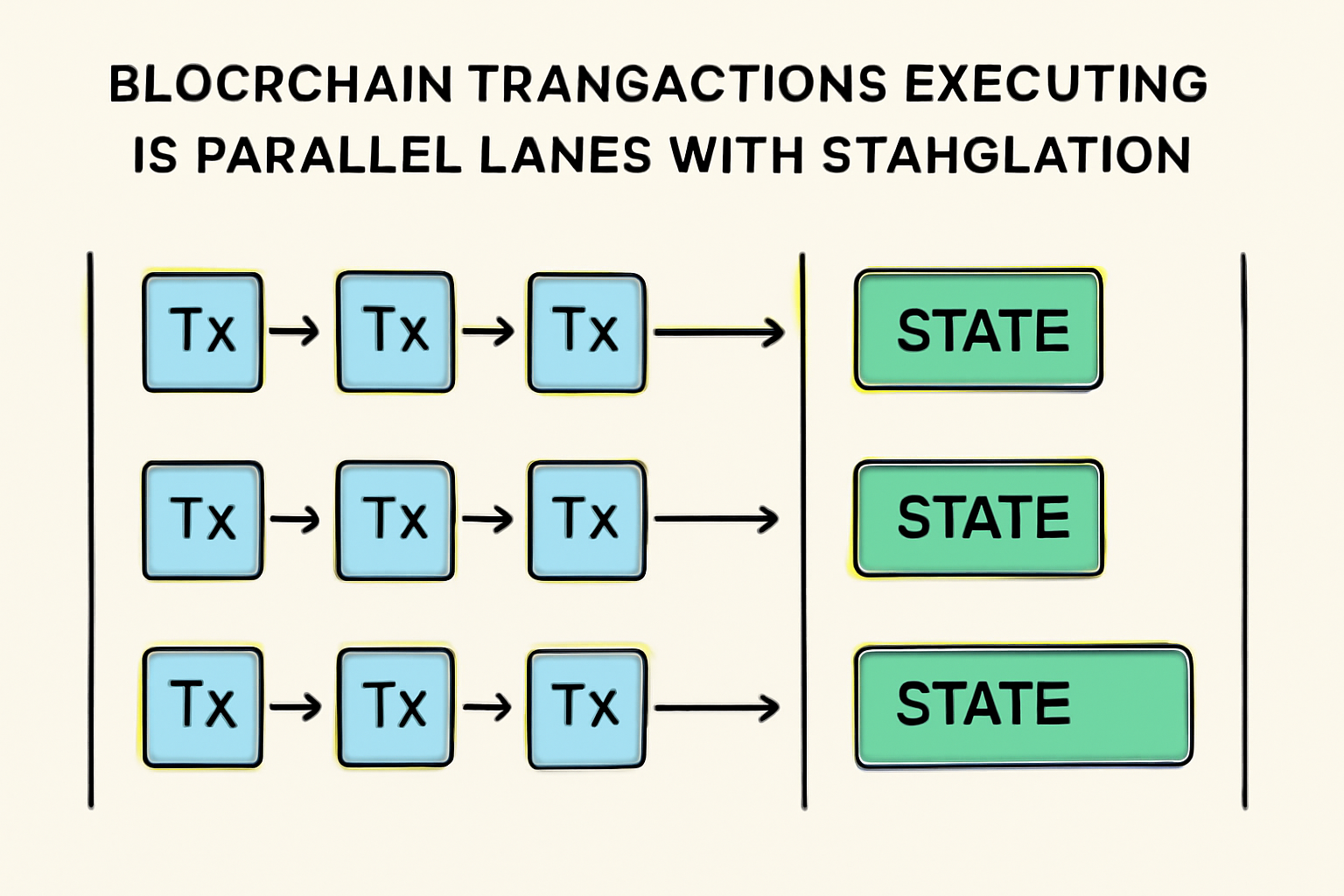
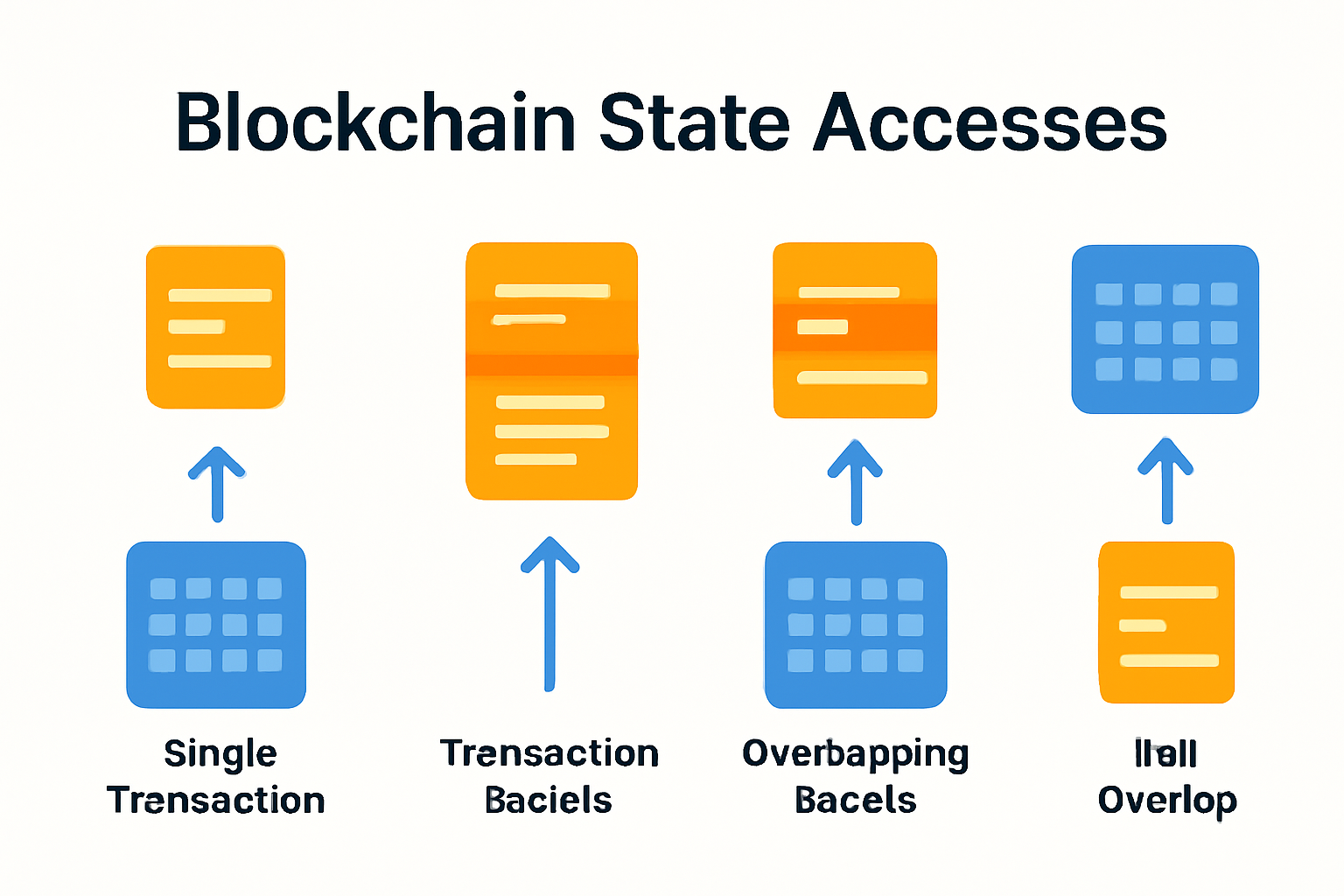
State access lists supercharge the setup. Pre-declared by tx senders, these lists let block builders bundle compatible txs into parallel lanes. No more serial bottlenecks; instead, fees calibrate per lane, fostering custom rollups fee structures that match app needs. Solana's multi-dimensional fees price bandwidth, compute, and storage separately, a blueprint for rollups eyeing elastic scaling via ephemeral chains.
Building Blocks for Custom Rollup Isolation
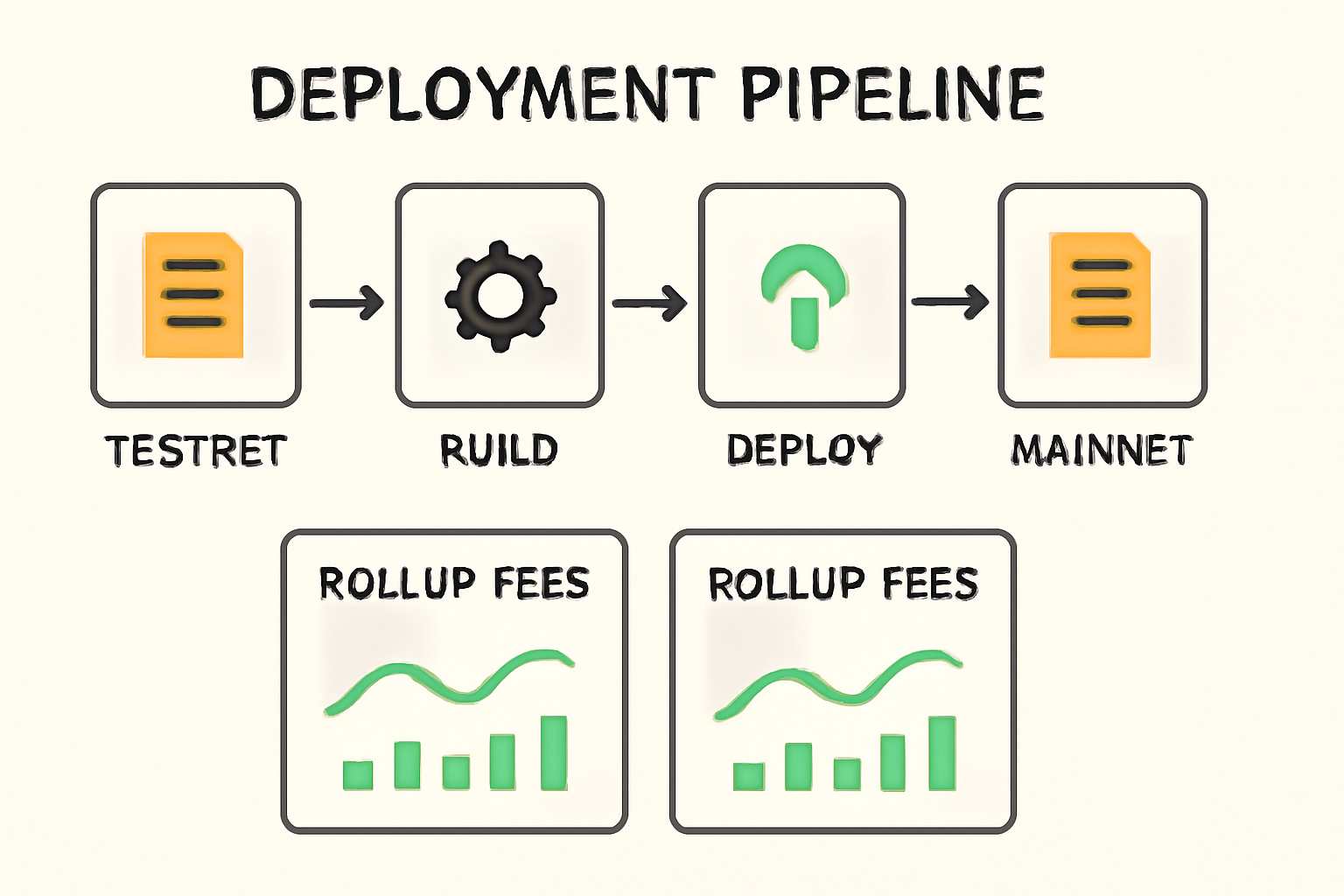
Deploying isolated markets in custom rollups demands deliberate architecture. Start with parallel execution engines, often via frameworks like those in Base Appchains for seamless L2 integration. Layer on state access lists, verifiable via zk-proofs or optimistic checks, to inform builders precisely. For app-chains, this means tweaking gas schedules per module - DeFi gets compute-heavy metering, social apps prioritize I/O.
Real-world traction builds momentum. Ephemeral rollups on Solana spin up temporary chains for peak loads, embedding specialized fee markets blockchain that dissolve post-demand. ZK-rollups slash costs for games, sidestepping Ethereum congestion while inheriting security. Yet, pitfalls lurk: poor list design invites DoS, underscoring the need for audited primitives.
Ethereum Technical Analysis Chart
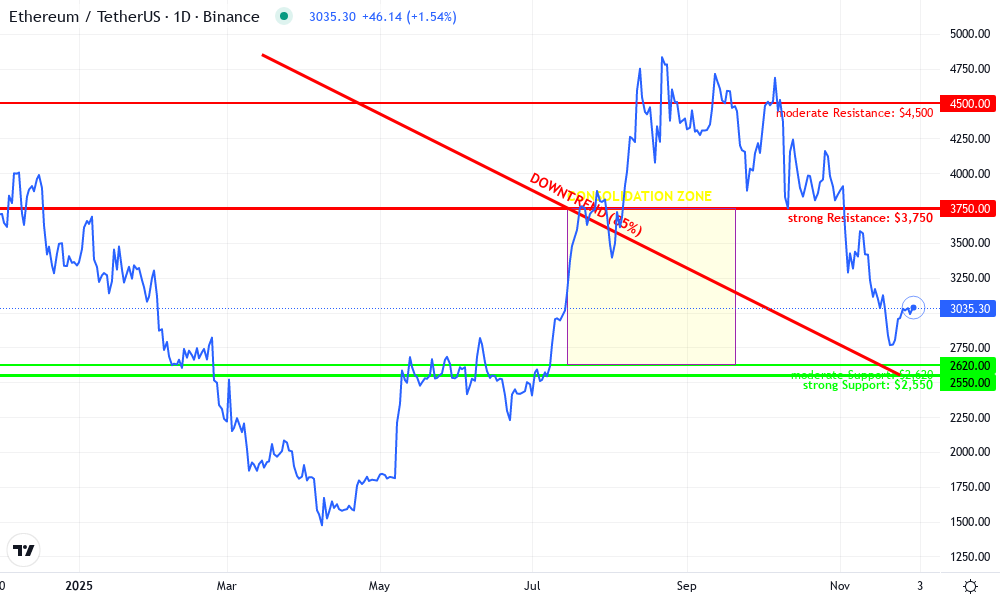
Analysis by Marlene Hughes | Symbol: BINANCE:ETHUSDT | Interval: 1D | Drawings: 6
Technical Analysis Summary
In my conservative style, begin by drawing a primary downtrend line connecting the March 2025 high near $4,850 to the late November 2025 low around $2,550 to highlight the dominant bearish channel. Add horizontal lines at key support $2,550 (strong) and resistance $3,750 (strong). Mark a minor uptrend line from July low $2,620 to September high $3,750. Use rectangles for the July-September consolidation range. Place callouts on declining volume and MACD bearish crossover. Add entry zone horizontal at $2,600, profit target $3,200, stop loss $2,450. Vertical line for November breakdown.
Risk Assessment: high
Analysis: Persistent downtrend, high volatility in crypto amid scalability hype without price confirmation; low risk tolerance advises caution
Marlene Hughes's Recommendation: Remain sidelined or allocate minimally to diversified portfolios; monitor for support hold before entry
Key Support & Resistance Levels
📈 Support Levels:
- $2,550 - Recent November lows forming strong base strong
- $2,620 - July swing low tested multiple times moderate
📉 Resistance Levels:
- $3,750 - September high acting as key overhead barrier strong
- $4,500 - Prior May-June resistance zone, weakening moderate
Trading Zones (low risk tolerance)
🎯 Entry Zones:
- $2,600 - Bounce from strong support with volume confirmation, aligned to low-risk tolerance low risk
🚪 Exit Zones:
- $3,200 - Measured move target from recent swing, conservative profit taking 💰 profit target
- $2,450 - Below key support to limit downside exposure 🛡️ stop loss
Technical Indicators Analysis
📊 Volume Analysis:
Pattern: decreasing
Volume drying up on downside moves, suggesting weakening seller conviction
📈 MACD Analysis:
Signal: bearish
MACD line below signal with histogram contracting negatively
Applied TradingView Drawing Utilities
This chart analysis utilizes the following professional drawing tools:
Disclaimer: This technical analysis by Marlene Hughes is for educational purposes only and should not be considered as financial advice. Trading involves risk, and you should always do your own research before making investment decisions. Past performance does not guarantee future results. The analysis reflects the author's personal methodology and risk tolerance (low).
Transitioning to these markets isn't seamless, but the payoff - prevent rollup congestion at scale - justifies the lift. Developers gain tools to craft resilient app-chains, where fees mirror value created, not network happenstance. As we peer into Ethereum's 2025 roadmap, app-specific L2s with tailored fees stand poised to dominate, offering full sovereignty over economics.
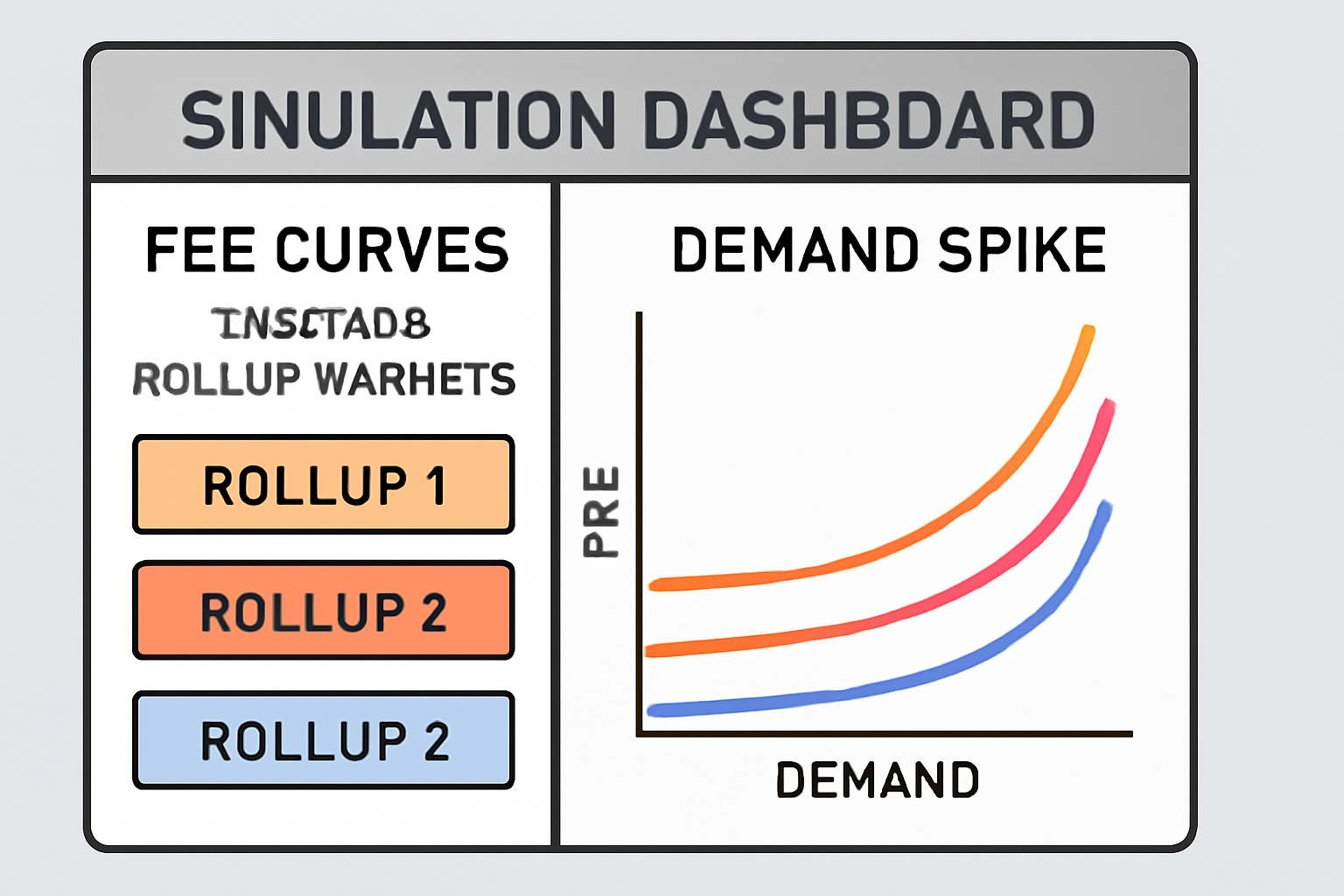
Teams building these systems must prioritize robust primitives from day one. RaaS platforms like Quicknode streamline deployment, insulating app-chains from settlement-layer congestion while embedding custom rollups fee structures. Yet, success hinges on economic modeling: simulate demand spikes to calibrate base fees per state domain, ensuring no single app starves the chain.
Navigating Challenges in Fee Isolation
Isolation isn't without hurdles. Cross-domain transactions, like atomic swaps spanning DeFi and NFTs, demand careful bridging to avoid fee leakage. Moreover, builder incentives must align; without proper auctions per lane, centralization creeps in. Flashbots' MEV scrutiny reveals spam bots as a universal foe, but isolated markets neuter their impact by confining blasts to niche states. In my view, blending optimistic and ZK tech offers the sweet spot - optimistic for speed, ZK for finality proofs that validate parallel bundles.
Regulatory shadows loom too. As app-chains proliferate, fragmented fee markets could invite scrutiny over user costs, echoing TradFi's MiFID mandates. Developers should bake in transparency dashboards, logging state accesses and fee burns publicly. This fundamentals-first stance, drawn from my equity markets tenure, fortifies trust amid volatility.
Master Isolated Fee Markets: Build Scalable Custom Rollups Step-by-Step

Comparative Edge Over Legacy Models
Stack isolated markets against shared ones, and the divergence sharpens. Legacy rollups, per Delphi Digital's guide, overload DA layers despite EIP-1559 tweaks. Custom app-chains sidestep this via dedicated sequencing, pricing resources granularly. Base Appchains exemplify integration, bridging near-instantly while customizing fees - a model ripe for replication.
Shared Fee Markets vs. Isolated Fee Markets Comparison
| Aspect | Shared Fee Markets | Isolated Fee Markets |
|---|---|---|
| Congestion Risk | High: Demand spikes from one app (e.g., spam bots consuming >50% gas across Ethereum rollups) affect the entire network | Low: Localized to specific state accesses, preventing spikes across app-chains (e.g., via parallel execution) |
| Fee Fairness | Poor: Unrelated txs subsidize high-demand apps (spam pays <10% fees) | High: Fees match resource use (bandwidth, compute, storage) for equitable allocation |
| Scalability | Limited: Network-wide bottlenecks and pricing attacks hinder throughput | Enhanced: Elastic scaling with state access lists and ephemeral app-chains |
| Real-World Examples | Ethereum Rollups (e.g., Optimism/Arbitrum sharing congestion, $55B assets at risk) | Solana (multi-dimensional fees, ephemeral rollups), Base Appchains |
Empirical data underscores the shift. Solana's multi-dimensional fees have sustained 50k and TPS bursts without total meltdown, unlike Ethereum's rollup pileups during peaks. Pricing attacks on arXiv's radar lose potency when txs pay only for their slice, preserving $55B and TVL integrity.
Looking ahead, Ethereum's 2025 blueprint elevates app-specific L2s/L3s with sovereign economics. Tailored tokens fund gas, block times flex to workloads, and ephemeral rollups auto-scale via Solana-like spins. For web3 games, ZK variants crush costs, funneling Ethereum security sans the squeeze. Coin Bureau nails it: dedicated chains minimize systemic risks, optimizing for diverse apps.
Integrating these into portfolios demands nuance. I've advised funds eyeing rollup yields; isolated fees stabilize returns by curbing volatility spikes. Developers, dive into design best practices via our guide on custom fee markets, then scale with implementation strategies. The path forward favors builders who treat fees as precision instruments, not blunt clubs. App-chains thus evolve into resilient engines, powering decentralized apps that endure demand tempests unscathed.




No comments yet. Be the first to share your thoughts!