

In the current landscape, with Ethereum trading at $2,055.38 after a modest 24-hour dip of $22.04, Layer 2 rollups stand as the backbone of scalable blockchain innovation. Custom app-chains on Base are redefining how we think about transaction economics, particularly through specialized fee markets rollups. These tailored structures allow developers to align costs directly with application demands, sidestepping the one-size-fits-all pitfalls of base layer congestion.
Base, as an optimistic rollup ecosystem, offers fertile ground for app-specific blockchain fees. Its integration with Ethereum's security while enabling sovereign execution environments empowers builders to craft rollup fee structures 2026 that prioritize user retention over generic gas auctions. This shift is crucial as onchain social Base fee optimization becomes a competitive edge for dApps handling high-throughput scenarios like gaming or DeFi.
Why Base Excels for Custom App-Chains
Base's architecture, bolstered by Coinbase's infrastructure, delivers low-latency execution ideal for custom app-chains Base deployments. Unlike monolithic L1s, it supports modular fee designs that decouple execution from data availability costs. Consider platforms like Alchemy's Rollups-as-a-Service, which streamline deploying scalable custom rollups with RaaS in 2025. Developers can now instantiate chains with bespoke economics, ensuring fees reflect true resource usage rather than market-wide spikes.
This precision matters in a market where Ethereum's price stability at $2,055.38 underscores L2's maturation. Traditional fee models often misprice small transactions, inviting denial-of-service risks or inflated costs for micro-interactions. Specialized approaches counter this by introducing tiered maker-taker dynamics, as seen in perpetuals trading venues.
Lighter's zero-fee standard accounts, upgradeable via LIT staking, exemplify how incentives drive premium behavior without universal subsidies.
Architecting Multidimensional Fee Models
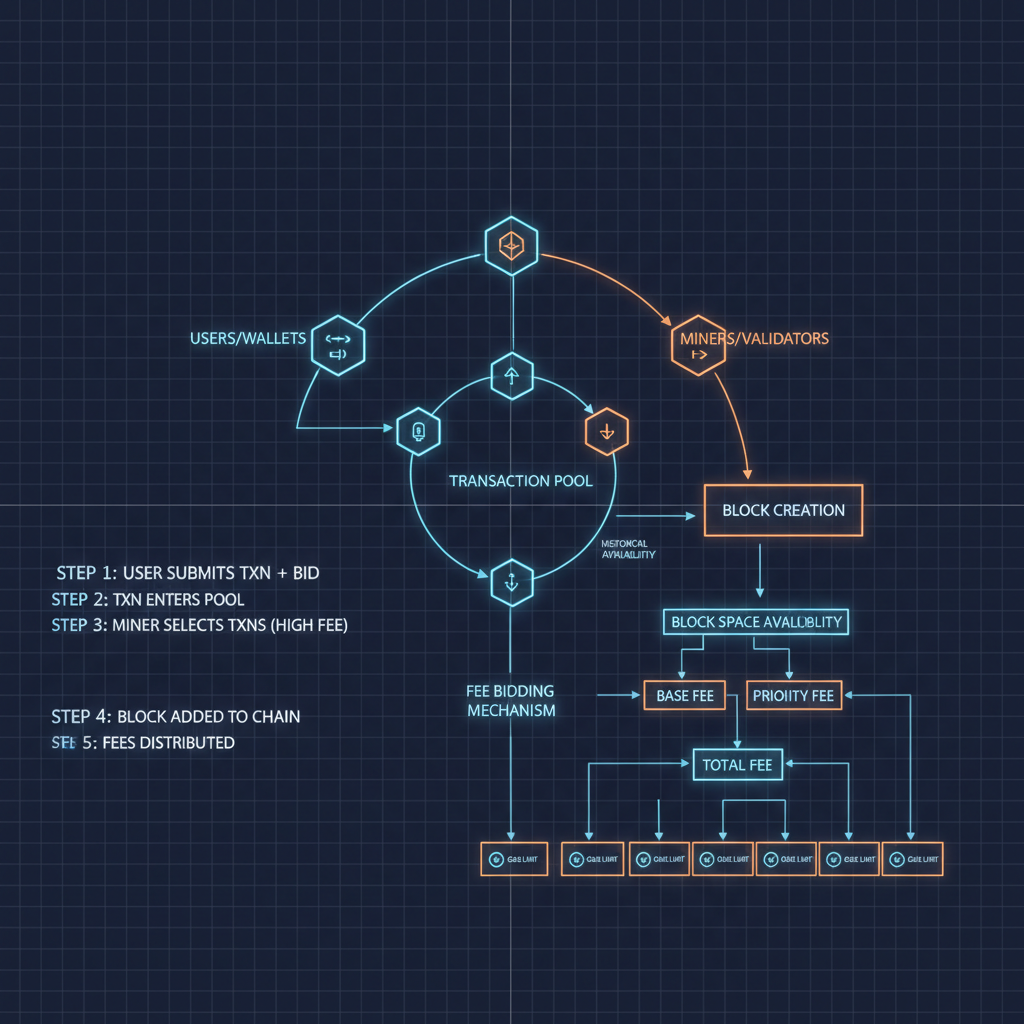
Effective specialized fee markets rollups demand a multidimensional lens: execution, proof generation, and data posting each warrant distinct pricing. For instance, GRVT's nine-tier system scales maker rebates from -0.0001% to -0.003% based on volume, while taker fees drop to 0.024%. This granularity fosters liquidity without cross-subsidization, vital for custom app-chains Base where user cohorts vary wildly; gamers seek near-zero costs for ephemeral actions, DeFi traders prioritize speed premiums.
Read more on designing these markets. On Base, optimistic sequencing allows front-running resistant auctions, enhanced by isolated liquidity pools. MagicBlock's ephemeral rollups push this further, compressing bursts to enable zero-fee onchain games, aligning perfectly with high-velocity use cases.

Challenges persist, though. Uniform gas units undervalue compute-intensive ops, leading to suboptimal capital allocation. My view: embrace hybrid models blending fixed minimums with dynamic multipliers tied to chain load. This not only secures revenue for sequencers but also aligns long-term incentives with Ethereum's $2,055.38 ecosystem health.
Real-World Blueprints from L2 Leaders
Platforms like Lighter and GRVT provide battle-tested blueprints for app-specific blockchain fees. Lighter's staking-gated premiums ensure high-value users subsidize infrastructure, while standard access remains frictionless. GRVT's volume-based tiers, meanwhile, mirror CeFi efficiency, maker fees turning negative to reward order flow.
Conduit’s 2025 State of Rollups report highlights how such innovations boosted throughput 10x for select dApps. On Base, this translates to onchain social Base fee optimization, where social graphs demand sub-cent txns. Zeeve’s plug-and-play AppChains further democratize this, letting devs launch with pre-tuned economics.
Ethereum (ETH) Price Prediction 2027-2032
Forecasts based on L2 rollups advancements, app-chain adoption, and scaling innovations amid 2026 market conditions (current ETH price: $2,055)
| Year | Minimum Price | Average Price | Maximum Price | YoY % Change (Avg) |
|---|---|---|---|---|
| 2027 | $2,800 | $4,200 | +104% | |
| 2028 | $3,800 | $5,800 | +38% | |
| 2029 | $5,000 | $8,000 | +38% | |
| 2030 | $6,500 | $10,500 | +31% | |
| 2031 | $8,500 | $14,000 | +33% | |
| 2032 | $11,000 | $18,500 | +32% |
Price Prediction Summary
Ethereum is expected to experience robust growth from 2027-2032, driven by specialized fee markets in custom app-chains on L2 rollups, RaaS proliferation, and enhanced scalability. Minimum prices reflect bearish scenarios like regulatory hurdles; averages assume steady adoption; maxima capture bull runs from tech upgrades and market cycles. Overall bullish outlook with avg price potentially 9x from 2026 levels by 2032.
Key Factors Affecting Ethereum Price
- L2 rollups and app-chain scaling reducing fees and boosting TVL on Ethereum
- RaaS platforms enabling rapid deployment of custom chains, increasing ETH demand
- Modular architecture trends (e.g., Celestia, Base) enhancing onchain markets and latency
- Regulatory developments favoring compliant L2s like Arbitrum and Optimism
- Market cycles with post-2026 recovery, competition from L2 tokens, and macro adoption in DeFi/gaming/AI
Disclaimer: Cryptocurrency price predictions are speculative and based on current market analysis. Actual prices may vary significantly due to market volatility, regulatory changes, and other factors. Always do your own research before making investment decisions.
Integrating these with RaaS from Instanodes or Alchemy positions Base as the hub for scalable gaming appchains and AI layers. Yet success hinges on foresight: anticipate demand surges, bake in circuit breakers, and monitor L2 token performance amid ETH's steady $2,055.38 anchor.
Looking ahead, the convergence of Base's optimistic rollups with modular data layers like Celestia promises rollup fee structures 2026 that rival centralized exchanges in efficiency. Ethereum's position at $2,055.38 reflects this maturity, as L2s absorb demand without base layer strain. Developers must now prioritize isolated fee markets to shield against cross-app congestion, a strategy I've long advocated for macroeconomic resilience in crypto ecosystems.
Deploy Custom App-Chains on Base: Isolated Maker-Taker Fees via RaaS
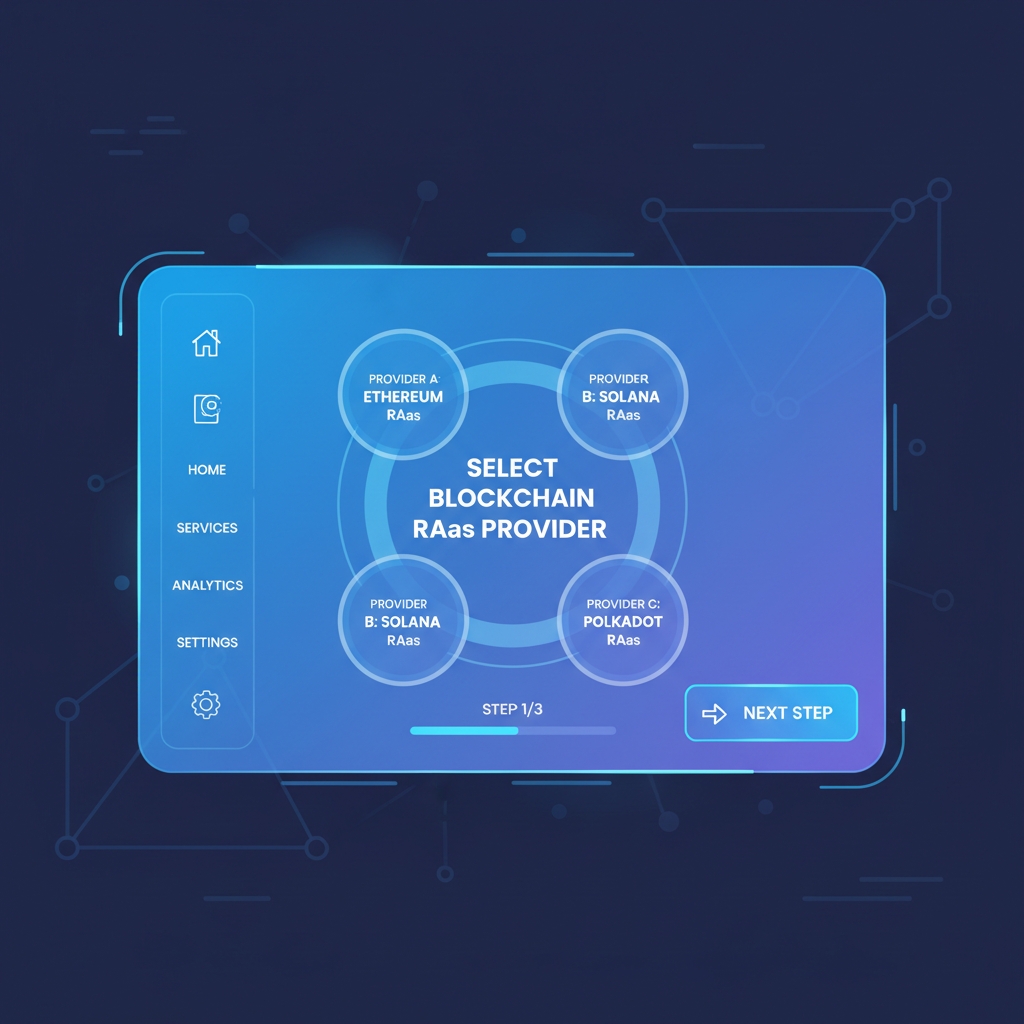
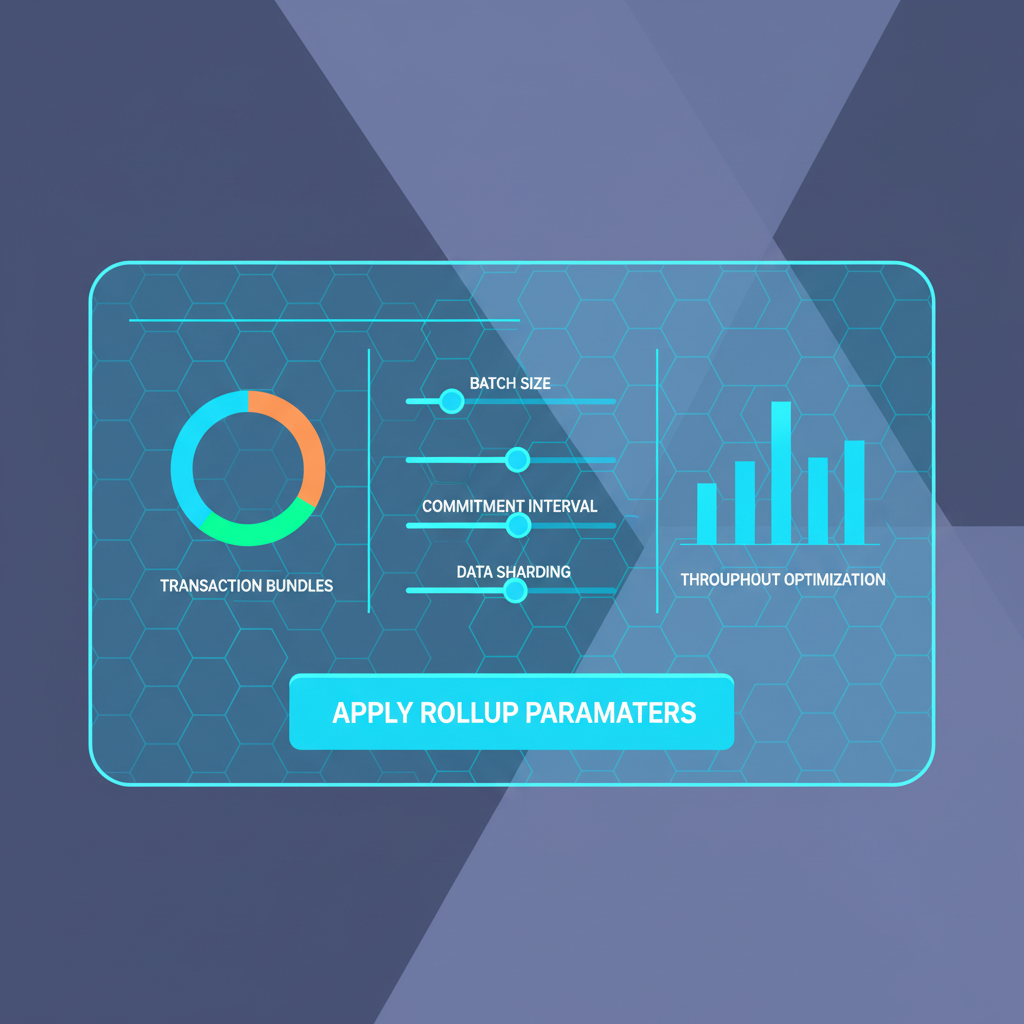

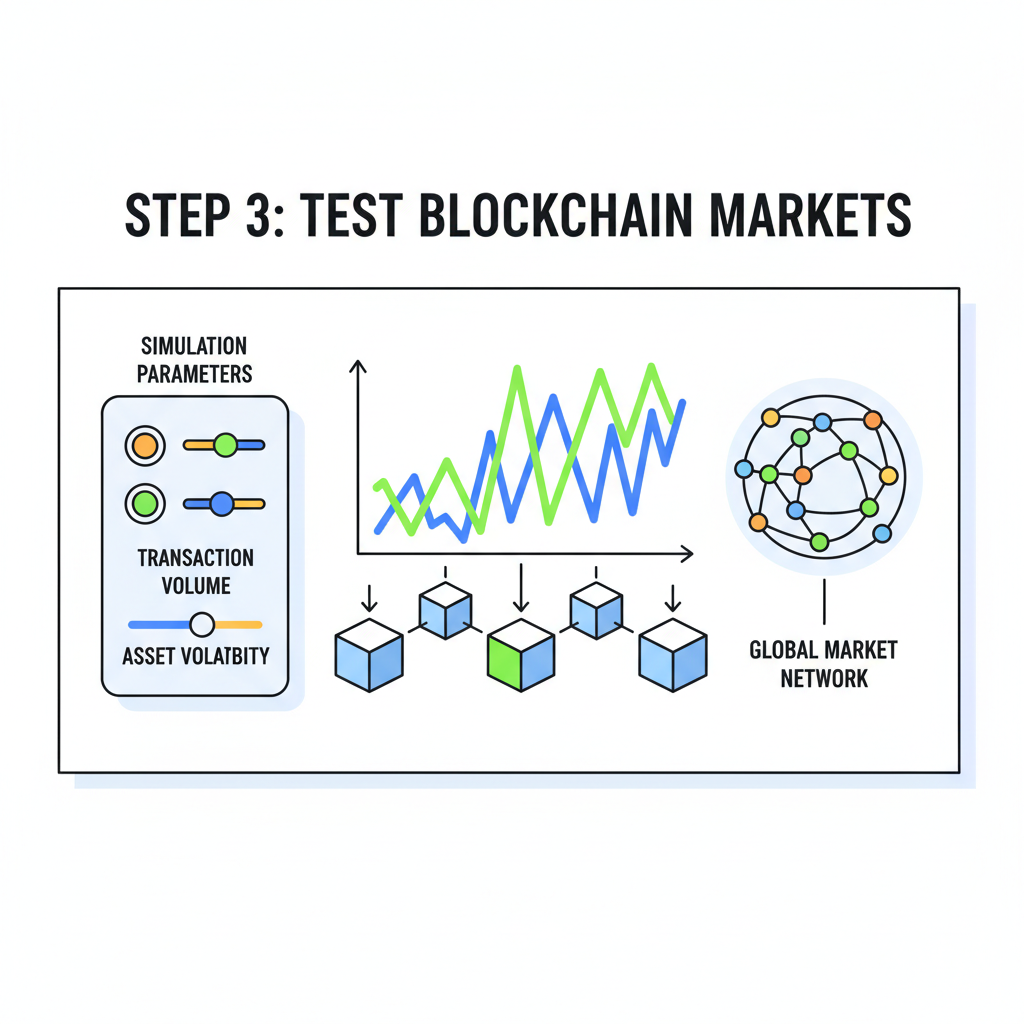
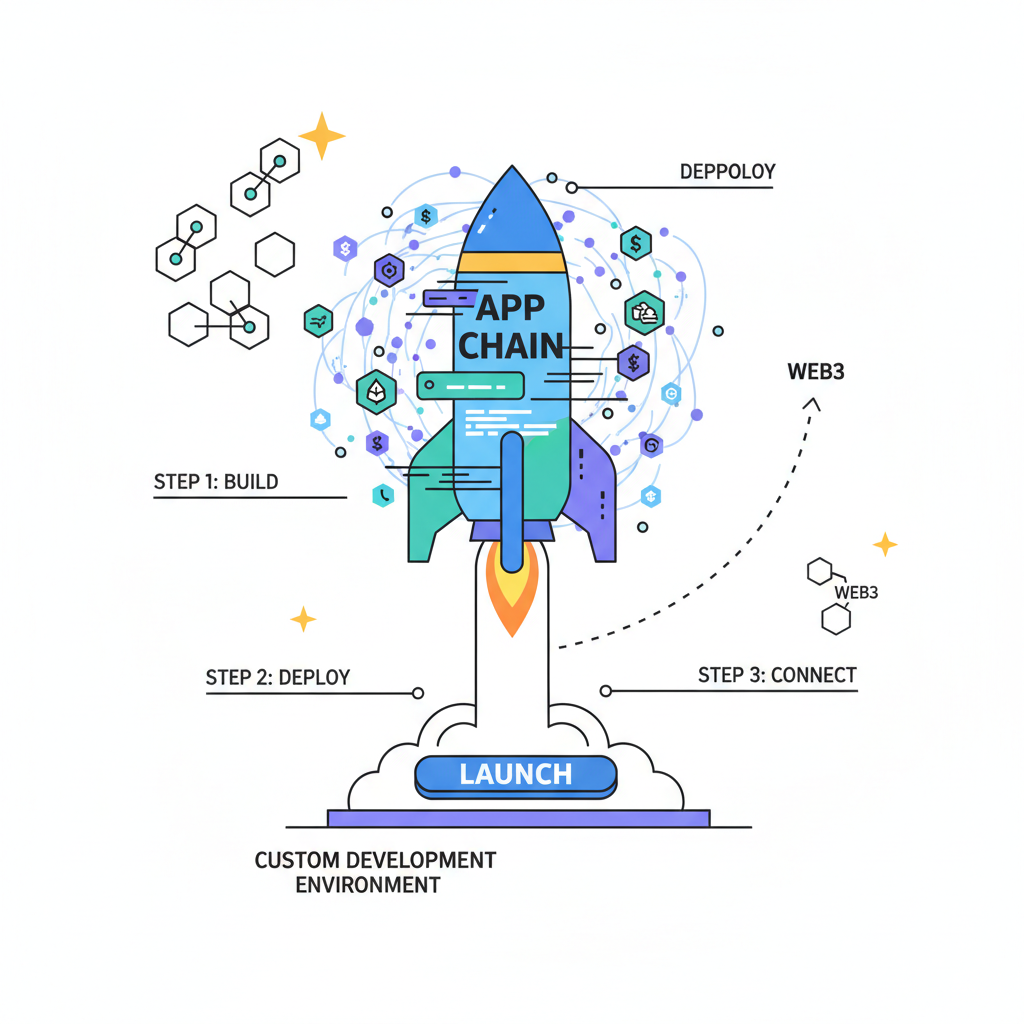
Once deployed, monitor via tools like Conduit's rollup dashboards, which track throughput against ETH's $2,055.38 backdrop. Early adopters report 50% cost reductions, validating the shift to custom app-chains Base.

Fee Model Comparisons: Lessons from Leaders
To grasp the spectrum, consider how pioneers differentiate. Lighter's binary access evolves into fluid staking ladders, while GRVT's tiers embed asset-specific rebates. Ephemeral designs from MagicBlock target bursty workloads, compressing costs to pennies per session. These aren't gimmicks; they're strategic levers for retention in competitive arenas like AI coordination layers.
Comparison of Fee Structures
| Platform | Core Model | Fee Details | Key Features/Use Case |
|---|---|---|---|
| Lighter | Zero-fee standard | Standard: 0%; Premium: Customizable via LIT staking | Faster execution, liquidity incentives for perps trading |
| GRVT | 9-tier volume/asset-based | Maker: -0.0001% to -0.003%; Taker: 0.024% to 0.045% | Optimizes for active trading and liquidity provision |
| MagicBlock | Ephemeral zero-fee bursts | Zero-fee interactions via compressed execution | Ideal for fully onchain games |
| Base Default | Dynamic gas auctions | EIP-1559 style (base fee + priority) | Standard L2 scalability for general dApps |
Such variety underscores a key insight: one model's trash is another's treasure. For high-frequency social apps, ephemeral wins; for perps, tiered rebates dominate. Base's flexibility lets builders mix these, optimizing for 2026's projected 100x throughput demands per Conduit's report.
Read deeper strategies in our guide on isolated fee markets for custom rollups. Pairing with Alchemy's RaaS accelerates this, slashing deployment from months to days.
Navigating Risks and Unlocking Macro Potential
No blueprint ignores pitfalls. Mispriced calldata invites spam; sequencer centralization risks censorship. Counter with proof committees and minimum viable fees, pegged to Ethereum's $2,055.38 stability. Hybrid offchain-onchain hybrids, as Stripe outlines, bridge gaps for real-world ramps without fee bloat.
From a macro lens, specialized fee markets rollups fortify crypto's role in global cycles. As L2 tokens like Arbitrum and Optimism climb top-10 lists, app-chains become economic engines, channeling ETH's value into niche booms. Base leads here, its Coinbase roots ensuring institutional inflows.
Instadnodes highlights gaming and DeFi as prime RaaS beneficiaries, where app-specific blockchain fees turn scalability into moats. A16z's Base talks reinforce this: rollups aren't just faster; they're economically sovereign. Builders who master these dynamics will capture outsized shares in the next expansion phase.
Vision 2.0 from Celestia hints at fibre-optic L1s complementing L2s, but Base's app-chain ecosystem already delivers. Stake your claim by experimenting today; the $2,055.38 Ethereum anchor signals prime conditions for innovation.




No comments yet. Be the first to share your thoughts!