What is a custom app chain?
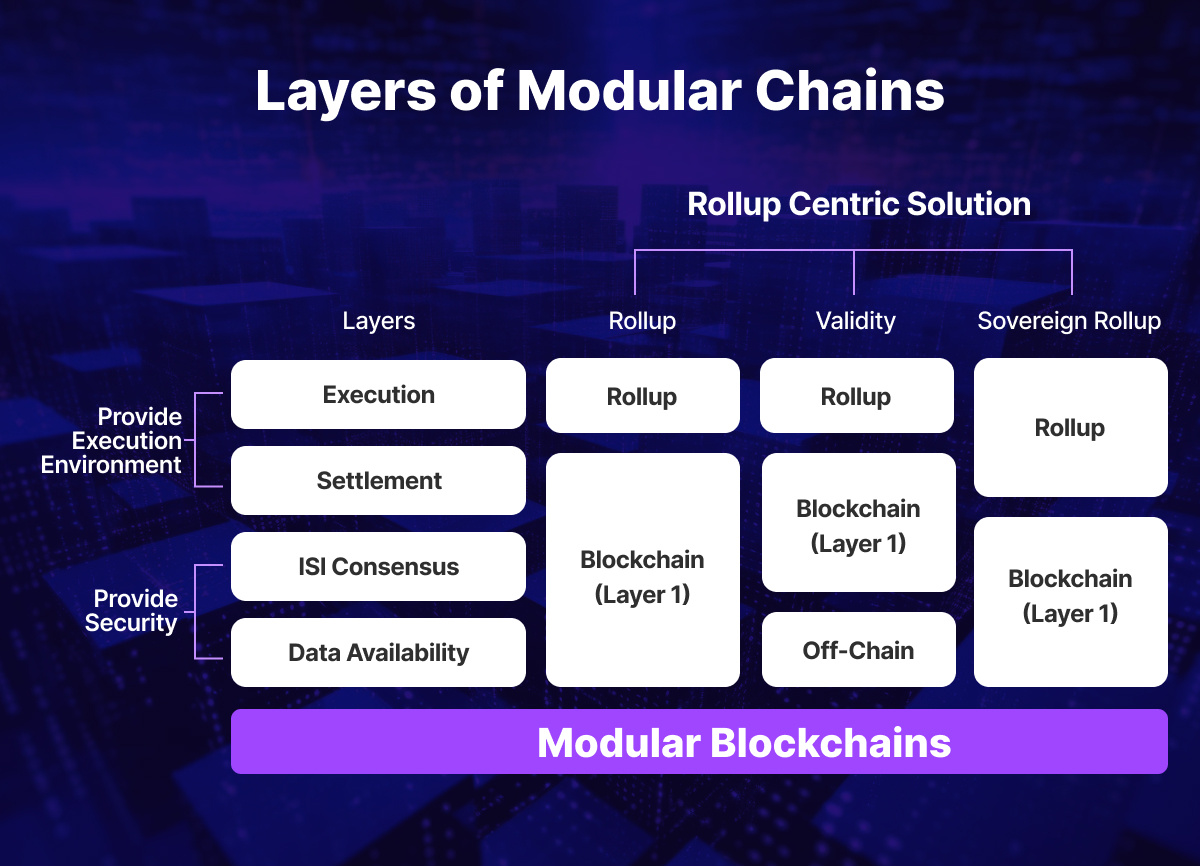
An application-specific blockchain, commonly called an app chain, is a dedicated distributed ledger built to serve a single application or protocol. Unlike general-purpose Layer 1 blockchains or Layer 2 rollups that host thousands of unrelated decentralized applications (dApps), an app chain is engineered for one specific use case. This architecture allows the application to control its own consensus mechanism, security model, and economic incentives without competing for resources with unrelated network activity.
General-purpose chains like Ethereum or Solana are designed for broad compatibility, which often leads to network congestion and high transaction fees when demand spikes. In contrast, an app chain isolates its workload. If the application experiences a surge in users, only that chain’s nodes are affected. This separation ensures consistent performance and predictable costs for the application’s specific operations.
The distinction lies in resource allocation. On a shared chain, validators process transactions for gaming, finance, and social media simultaneously. On an app chain, validators process only the relevant application data. This specialization enables developers to optimize the chain’s parameters—such as block time and gas limits—specifically for their product’s needs, rather than adhering to the constraints of a broader network standard.
Compare modular frameworks
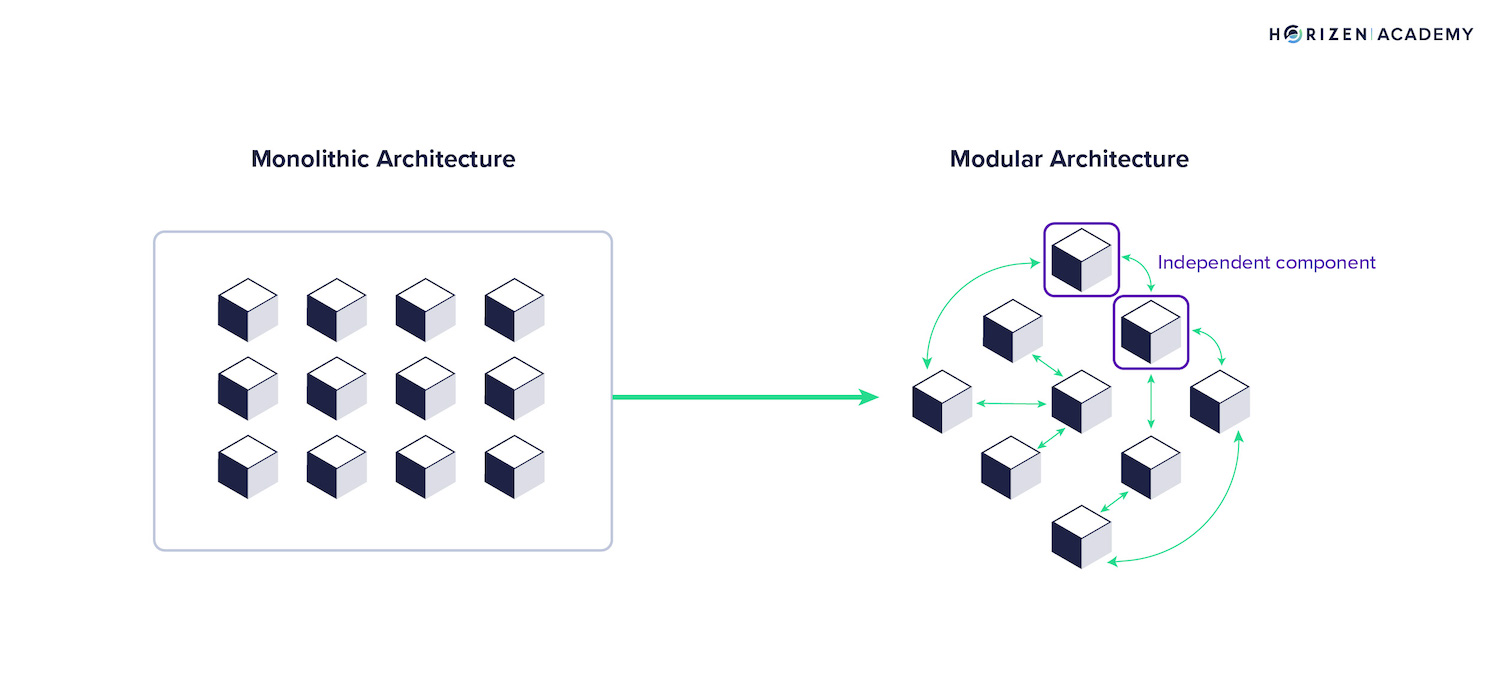
Choosing a development framework determines your app chain's architecture, language stack, and interoperability capabilities. In 2026, the market is dominated by three primary modular frameworks: the Cosmos SDK, Substrate, and Avalanche Subnets. Each offers distinct advantages for different engineering teams.
The Cosmos SDK is written in Go and is widely adopted for its modularity and the Inter-Blockchain Communication (IBC) protocol. It allows developers to build independent blockchains that can communicate with other chains seamlessly. This makes it a strong choice for ecosystems requiring high interoperability.
Substrate, built with Rust, is a modular framework developed by Parity Technologies. It enables developers to construct custom blockchains from pre-built modules. Its flexibility is ideal for teams prioritizing performance and custom consensus mechanisms, though it requires familiarity with Rust.
Avalanche Subnets leverage the Avalanche network's infrastructure, allowing developers to create custom blockchains with their own rules and virtual machines. This approach is often chosen for its ease of deployment and integration with existing Avalanche tools, particularly for applications needing high throughput.
| Framework | Primary Language | Consensus Model | Interoperability |
|---|---|---|---|
| Cosmos SDK | Go | Tendermint BFT | IBC Protocol |
| Substrate | Rust | Finality Grok / BABE | XCM Protocol |
| Avalanche Subnets | Go (C-Chain) | Avalanche Consensus | Cross-Subnet Messaging |
Deploy your chain infrastructure
Launching a custom app chain requires aligning node configuration with your specific application logic. The deployment process moves from setting up the genesis block to synchronizing validators. This section outlines the technical steps for infrastructure setup, focusing on node configuration and genesis validation.

Choose a modular framework such as Cosmos SDK or Substrate. These platforms provide the underlying consensus and networking layers. Selecting the right base determines your interoperability options and development language. Official documentation from the framework provider should guide this selection to ensure compatibility with your intended use case.
The genesis file defines the initial state of your chain. It sets parameters like block time, gas limits, and initial validator set. Errors here are irreversible after the first block is produced. Use a validation tool to check the JSON structure against the framework's schema before initialization.
Deploy full nodes and archive nodes to support network participants. Ensure your server environment meets the minimum hardware requirements for state storage and RPC queries. Configure firewall rules to allow P2P communication on the designated ports while restricting public access to RPC endpoints.
Validators are responsible for producing blocks and securing the network. Run the validator binary with the correct moniker and keyring configuration. Synchronize the node with the network to ensure it has the latest state before starting block production. Monitor logs for any sync errors or peer connection failures.
-
Validate genesis JSON against framework schema
-
Confirm P2P ports are open in firewall
-
Sync node to latest height before starting
-
Verify validator keyring permissions
Address regulatory compliance
Building a custom app chain in 2026 requires navigating a fragmented legal landscape where jurisdictional boundaries often clash with borderless code. The architecture you choose directly influences how data sovereignty laws apply to your node operators and users. If your chain handles personal data, you must ensure that the underlying infrastructure allows for data deletion or modification, a constraint that conflicts with the immutable nature of traditional blockchains.
Token classification remains a primary risk factor. Regulators in the European Union under MiCA and authorities in the United States under the Howey Test continue to scrutinize custom tokens that function as investment contracts. If your custom gas token or governance token offers an expectation of profit derived from the efforts of others, it may be classified as a security, triggering strict reporting and compliance obligations. This distinction is not theoretical; enforcement actions in 2025 and early 2026 have targeted projects that failed to properly segregate utility functions from financial incentives.
Key regulatory milestones in 2026
The regulatory environment for blockchain infrastructure is evolving rapidly. The following timeline highlights critical milestones affecting custom chain deployment and data privacy requirements.
Custom subnet architecture has become the standard choice for most new chains launching in 2026, allowing developers to isolate compliant jurisdictions from non-compliant ones. However, this technical separation does not absolve legal responsibility. Operators must still ensure that their custom gas tokens and governance mechanisms adhere to local financial regulations. Failure to align technical architecture with legal requirements can result in severe penalties, including the forced shutdown of the chain and personal liability for developers.
The path forward involves proactive engagement with legal counsel and continuous monitoring of regulatory updates. As the landscape shifts, the ability to adapt your chain's rules to new legal standards will be a defining factor in your project's longevity. Prioritize compliance from the initial design phase rather than treating it as an afterthought.
Common app chain mistakes
Building a custom app chain requires precise architectural choices. Even small oversights in design can lead to operational failures or security vulnerabilities that are difficult to fix after deployment. Developers often overlook the complexity of interoperability and validator management, assuming that launching a chain is the final step rather than the beginning of a maintenance cycle.
Poor interoperability design
App chains rarely exist in isolation. A frequent error is building a chain with limited bridging capabilities or relying on unverified third-party bridges for cross-chain communication. This creates liquidity silos and increases the attack surface for exploits. Successful app chains prioritize native interoperability protocols or established, audited bridge standards to ensure seamless asset and data flow.
Insufficient validator decentralization
Security depends on a robust validator set. Many projects launch with a small group of centralized validators to save costs, which undermines the trustlessness of the network. If a few entities control the majority of voting power, the chain becomes vulnerable to collusion or single points of failure. Distributing validator rights early and incentivizing broader participation is essential for long-term resilience.
Ignoring node infrastructure scalability
As user adoption grows, the node infrastructure must scale accordingly. A common pitfall is underestimating the hardware requirements for full nodes and RPC endpoints. If the network cannot handle increased transaction volumes, users experience slow finality and failed transactions. Planning for elastic scaling and robust indexing from day one prevents service degradation during peak usage.

No comments yet. Be the first to share your thoughts!