Defining app chains for 2026
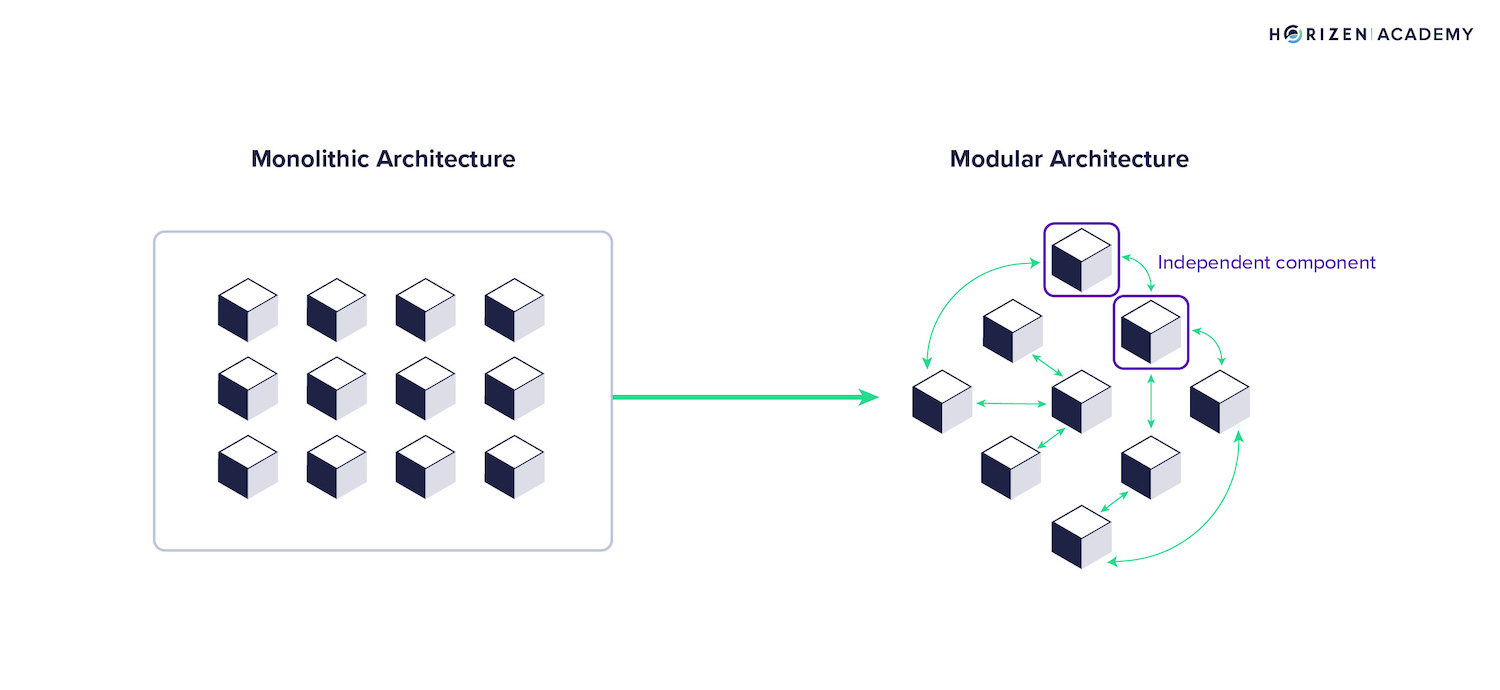
An app chain, or application-specific blockchain, is a dedicated network engineered to support a single application or a tightly defined set of use cases. Unlike general-purpose layer-1 blockchains or layer-2 scaling solutions that host multiple unrelated applications, app chains operate independently to isolate application logic from shared network congestion [src-serp-4]. This architectural separation allows developers to tailor consensus mechanisms, governance models, and economic parameters to the specific requirements of their application.
The primary distinction between an app chain and a general-purpose chain lies in resource allocation. General-purpose chains must serve a diverse array of users and applications, often leading to variable transaction costs and unpredictable latency during periods of high demand. App chains eliminate this variability by dedicating all block space and computational resources to a single workload. As noted by industry documentation, this specialization enables app chains to handle specific tasks more efficiently than broader networks, offering predictable performance and lower operational costs for targeted deployments [src-serp-8].
For legal and regulatory compliance, this isolation provides a clear boundary for data governance. Because the chain serves only one application, it becomes feasible to implement jurisdiction-specific data residency rules, access controls, and audit trails without compromising the performance of unrelated services. This structure supports the strict compliance standards required in regulated industries, where data integrity and regulatory adherence are paramount. By decoupling the application from the broader blockchain ecosystem, organizations can maintain greater control over their digital assets and user data, aligning technical infrastructure with legal obligations.
Comparing modular blockchain frameworks
Building a custom appchain requires selecting a development framework that aligns with specific technical requirements and regulatory constraints. The choice of framework determines the underlying consensus mechanism, interoperability capabilities, and the programming language used for smart contract development. For 2026, the industry has coalesced around three primary modular architectures: Cosmos SDK, Substrate, and Avalanche Subnets.
Each framework presents distinct trade-offs regarding customization depth, transaction throughput, and cross-chain communication. Cosmos SDK offers a modular Go-based environment with native interoperability via the Inter-Blockchain Communication (IBC) protocol. Substrate provides a Rust-based framework that allows for deep consensus-level customization but requires a steeper learning curve. Avalanche Subnets leverage the Avalanche Go engine, enabling high-throughput execution with EVM compatibility, which simplifies migration for existing Ethereum-based applications.
The following comparison outlines the core technical attributes of these frameworks to assist in architectural decision-making.
| Feature | Cosmos SDK | Substrate | Avalanche Subnets |
|---|---|---|---|
| Primary Language | Go | Rust | Go (Go-EVM) |
| Consensus Mechanism | Tendermint BFT | Finality Grokked (FG)/Aura | Avalanche Consensus |
| Interoperability | IBC Protocol (Native) | XCM (Cross-Consensus Messaging) | C-Chain Bridge (EVM) |
| Smart Contract Compatibility | CosmWasm, CosmJS | Substrate Contracts, Ink! | Solidity, Vyper (EVM) |
| Customization Depth | Module-based (High) | Consensus-level (Very High) | Pre-compiles & EVM (Medium) |
| Launch Complexity | Moderate | High | Low to Moderate |
Steps to deploy a dedicated blockchain network
Deploying a custom app chain requires a structured workflow that aligns technical architecture with regulatory compliance requirements. The following sequence outlines the standard industry practice for launching a dedicated blockchain network, moving from initial design to mainnet deployment. This process prioritizes security, node distribution, and governance stability.
Select a framework such as Cosmos SDK or Substrate based on interoperability needs. Define the consensus mechanism (e.g., Tendermint, PBFT) and determine whether the chain will be permissioned or permissionless. This foundational step dictates transaction throughput and finality, which are critical for meeting service-level agreements in regulated industries.

Establish a robust node distribution strategy to prevent centralization risks. Implement strict access controls, including hardware security modules (HSMs) for validator keys. Conduct initial security audits of the genesis configuration and smart contracts. Proper node distribution ensures network resilience against single points of failure and meets baseline infrastructure standards for enterprise deployment.

Integrate on-chain governance mechanisms for parameter updates and protocol upgrades. Embed compliance tools, such as identity verification modules or transaction monitoring, directly into the chain’s logic. This step ensures that the network can adapt to evolving regulatory requirements, such as those outlined by the EU’s MiCA framework, without requiring hard forks.

Deploy the network to a testnet environment for extended validation. Perform stress tests to evaluate performance under peak load and identify potential vulnerabilities. Verify that all compliance checks function correctly and that cross-chain bridges (if applicable) operate securely. This phase is essential for confirming that the chain meets operational standards before mainnet launch.

Transition to mainnet with a controlled rollout. Monitor network health, validator performance, and transaction fees in real-time. Establish a continuous auditing schedule to ensure ongoing compliance and security. Regular maintenance and updates are necessary to address emerging threats and maintain network integrity over time.
Regulatory considerations for app chain operators
By 2026, the regulatory environment for custom app chains has shifted from ambiguous guidance to enforceable compliance frameworks. Operators must navigate a complex matrix of data privacy laws, token classification standards, and jurisdictional requirements. Failure to align with these standards creates significant operational risk, particularly when handling user data or facilitating value transfer across borders.
Data privacy and custody
App chains often store sensitive user data on-chain or in associated off-chain storage layers. Under the European Union’s General Data Protection Regulation (GDPR), the immutable nature of blockchain technology conflicts with the "right to erasure." Operators must implement technical controls, such as zero-knowledge proofs or off-chain data storage with on-chain hashes, to maintain compliance. The European Data Protection Board provides detailed guidance on how distributed ledger technologies intersect with privacy rights, emphasizing that data controllers remain liable for compliance even when using decentralized infrastructure.
Token classification and securities law
The classification of native tokens remains a primary legal hurdle. In the United States, the Securities and Exchange Commission (SEC) continues to apply the Howey Test to determine if a token constitutes an investment contract. If an app chain’s token is deemed a security, operators must register the offering or qualify for an exemption. This distinction affects everything from initial distribution to secondary trading. Operators should consult official SEC enforcement actions and guidance documents to understand current expectations for utility tokens versus investment contracts.
Jurisdictional compliance and licensing
Operating an app chain involves multiple jurisdictions, each with distinct licensing requirements. Financial Action Task Force (FATF) recommendations require virtual asset service providers (VASPs) to implement Know Your Customer (KYC) and Anti-Money Laundering (AML) protocols. Operators offering on-ramps, off-ramps, or cross-chain bridges may need to register as money transmitters in specific states or countries. The MiCA regulation in the European Union introduces comprehensive rules for crypto-asset service providers, including stablecoin issuers and exchange platforms. App chain operators must map their node infrastructure and user access points to determine which regulatory regimes apply.
Best practices for compliance
Industry standards suggest establishing a clear legal entity in a favorable jurisdiction while maintaining transparency with regulators. Regular audits of smart contracts and data handling practices are essential. Operators should document their compliance efforts, including KYC/AML procedures and data protection impact assessments. Engaging with legal counsel specializing in blockchain law ensures that operational changes align with evolving regulations. The goal is not to avoid regulation but to build a compliant foundation that supports sustainable growth.
2026 Adoption Timeline for App Chains
The deployment of modular blockchain architecture follows a phased trajectory throughout 2026, driven by regulatory clarity and infrastructure maturity. Initial quarters focus on pilot programs within compliant jurisdictions, establishing baseline standards for interoperability and data sovereignty.
By mid-year, major enterprise integrations are expected to scale, supported by finalized guidelines from bodies such as the SEC and EU regulators. This period marks the transition from experimental testing to production-grade deployment for specialized application chains.
The latter half of the year anticipates widespread industry standardization, with interoperability protocols becoming mandatory for cross-chain communication. This timeline reflects the convergence of technical capability and regulatory alignment necessary for sustainable growth.
-
Q1: Pilot programs and infrastructure setup
-
Q2: Regulatory framework finalization
-
Q3: Enterprise-scale integration
-
Q4: Industry standardization and interoperability
Frequently asked questions about app chains
Understanding the technical and operational distinctions of application-specific blockchains is essential for organizations evaluating infrastructure options. The following answers address common queries regarding definition, development frameworks, and architectural benefits.
No comments yet. Be the first to share your thoughts!