Custom app chains in 2026: the practical breakdown
An appchain is a blockchain built for one specific job. Unlike general-purpose networks that try to serve everyone, an appchain isolates your application’s traffic. This separation prevents congestion, lowers transaction fees, and lets you tune governance rules to your exact needs.
In 2026, this model has moved from experimental to essential. Developers are no longer building on crowded mainnets; they are launching dedicated chains for high-throughput use cases like gaming, DeFi, or supply chain tracking. The trade-off is clear: you gain performance and control, but you take on the responsibility of securing your own chain.
Quick ROI Calculator
Estimate your monthly savings by switching to a dedicated appchain. General-purpose networks often charge premium gas fees during peak times, while appchains offer predictable, flat-rate pricing.
When to choose an appchain
Not every project needs its own chain. If your transaction volume is low or your logic is simple, a Layer 2 rollup or a sidechain might be cheaper. But if you need:
- Predictable costs: Avoid gas price spikes that hurt user experience.
- Custom validation: Implement unique consensus rules or privacy layers.
- Independent upgrades: Ship features without waiting for network-wide hard forks.
Then a custom appchain is the right move. Frameworks like Cosmos SDK and Substrate make this easier than ever, allowing you to launch a secure, specialized chain in weeks rather than years.
Custom app chains 2026 choices that change the plan
An appchain is a blockchain designed to serve a specific application or use case, offering optimized performance and tailored functionality [1]. Unlike general-purpose blockchains, appchains operate independently, reducing congestion and lowering transaction costs. However, this specialization introduces distinct tradeoffs in development speed, security model, and operational overhead that determine whether the investment pays off.
Performance vs. Security
General-purpose chains like Ethereum rely on broad consensus, which ensures high security but limits throughput. Appchains sacrifice this broad security for speed. By validating transactions on a smaller, dedicated validator set, appchains achieve near-instant finality. This is critical for high-frequency trading or gaming, where latency kills user experience. The tradeoff is that you assume the responsibility for securing your own chain, rather than inheriting the security of a massive network.
Development Speed vs. Maintenance
Building on a shared layer 2 or mainnet allows you to focus on the application logic. Building an appchain requires managing infrastructure, node operators, and consensus layers. Frameworks like Cosmos SDK or Substrate accelerate this, but you still need dedicated engineering resources to monitor health and upgrade protocols. For teams with strong backend expertise, this control is worth the cost. For others, it becomes a bottleneck.
Customization vs. Interoperability
Appchains allow you to tailor tokenomics, governance, and transaction rules to your exact needs. You can design a token that doesn’t exist on Bitcoin or Ethereum. However, this isolation makes cross-chain interactions complex. Moving assets between an appchain and the broader ecosystem requires bridges, which are frequent targets for exploits. The more unique your chain, the harder it is to plug into existing liquidity pools.
| Factor | Custom Appchain | Shared L2 | Mainnet |
|---|---|---|---|
| Throughput | High (Dedicated resources) | Medium (Shared block space) | Low (Global congestion) |
| Security | Independent (Self-managed) | Inherited (Security of L1) | Maximum (Broadest consensus) |
| Development Cost | High (Infrastructure + Ops) | Medium (Smart contracts only) | Low (Standard tooling) |
| Time to Launch | Long (Months) | Medium (Weeks) | Fast (Days) |
| Customization | Full (VM, Tokenomics) | Limited (EVM constraints) | Restricted (Standard rules) |
Estimating Your ROI
Deciding between an appchain and a shared layer depends on your projected transaction volume. If your costs on a shared network exceed your infrastructure costs, an appchain makes financial sense. Use the calculator below to estimate the break-even point based on your expected daily transactions and current gas fees.
Choose the next step
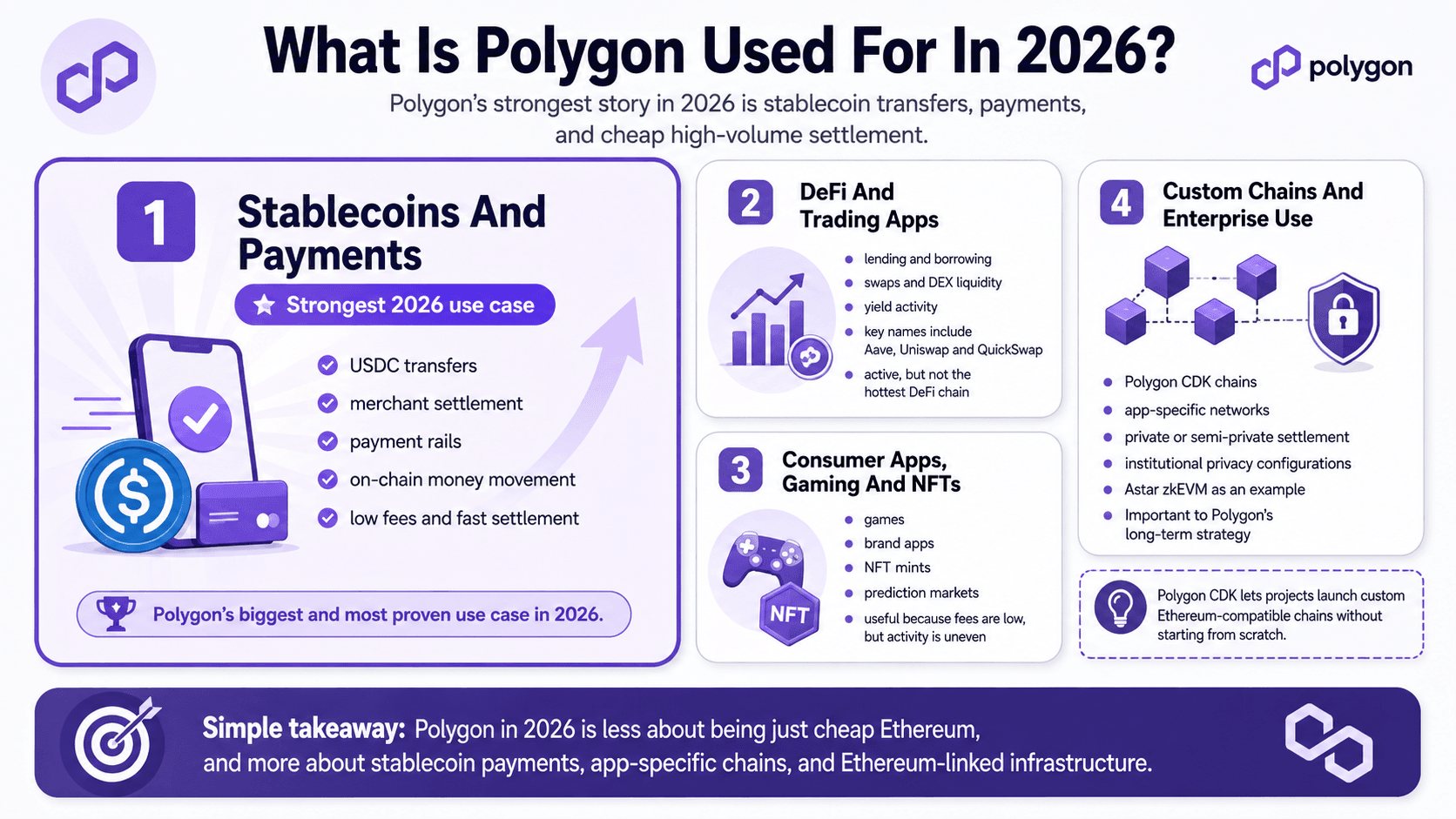
Deciding whether to build an appchain in 2026 requires matching your technical constraints to the right framework. The landscape has shifted from experimental prototypes to production-ready tools like Cosmos SDK, Substrate, and Polygon zkEVM. Each offers distinct tradeoffs in development speed, security guarantees, and interoperability.
Use this framework to evaluate your project's specific needs before committing resources. The goal is to select the path that minimizes friction while maximizing compliance and scalability for your target audience.
If your team lacks specialized blockchain engineers, opt for managed infrastructure or high-level frameworks like Polygon zkEVM. These options abstract away low-level consensus mechanics, allowing you to focus on application logic rather than node management. This path reduces time-to-market but may limit deep customization.
For projects handling regulated financial data, prioritize frameworks with built-in permissioning and identity verification. Substrate and Cosmos SDK offer modular governance modules that can be configured to meet specific jurisdictional requirements. Verify that your chosen stack supports the necessary audit trails and data residency controls before deployment.

Custom chains require significant ongoing maintenance. Use the calculator below to estimate your initial build costs versus the long-term operational expenses of running independent nodes. This includes infrastructure, security audits, and developer overhead. Many teams underestimate the recurring costs of maintaining a standalone network.

If your application relies on cross-chain liquidity or data sharing, choose a framework with native interoperability protocols like IBC (Cosmos) or XCMP (Polkadot). Isolated chains create silos that can hinder user adoption. Ensure your architecture can seamlessly communicate with existing ecosystems without requiring complex bridge solutions.
Spotting Weak Appchain Options
Not all custom chains deliver the promised ROI. Many projects treat appchains as a marketing label rather than a structural necessity, leading to bloated infrastructure costs and fragmented liquidity. Before committing to a 2026 rollout, you must distinguish between genuine architectural advantages and superficial wrappers.
The "One-Click" Trap
Providers advertising instant deployment often hide significant technical debt. These platforms typically use shared sequencers or generic rollup templates that fail to isolate your consensus layer. While initial setup is fast, transaction finality becomes dependent on third-party uptime. If your application requires strict compliance or deterministic latency, this shared model introduces unacceptable risk. Always verify if the provider offers independent validator sets.
Ignoring Data Availability Costs
A common mistake is underestimating the long-term cost of storing transaction data. Some frameworks optimize for speed but rely on expensive Ethereum L1 data blobs. For high-frequency applications, these fees can erase profit margins within months. Compare the data availability options of your chosen framework. If the cost per transaction exceeds your unit economics, the chain is not viable, regardless of its speed.
Fragmented Liquidity
Appchains solve scalability but often create liquidity silos. Bridging assets between your custom chain and major networks like Ethereum or Solana introduces security vulnerabilities and user friction. Weak options ignore this trade-off, assuming users will manually bridge funds. A robust appchain strategy must include native liquidity incentives or seamless bridge integrations from day one. Without this, your chain remains an isolated island with no economic activity.
Custom app chains 2026: what to check next
Custom app chains 2026 is a practical guide to building scalable, compliant, and profitable blockchain applications. This section answers the most common questions about appchains, helping you decide if they are the right fit for your project.
No comments yet. Be the first to share your thoughts!