Get custom app chains 2026 right
Building a custom app chain in 2026 requires more than just selecting a framework. Before writing code, you must define the specific constraints of your use case. The wrong architecture choice can lead to unsustainable gas fees or network centralization. This section outlines the essential prerequisites to ensure your blockchain is scalable and cost-effective.
Define your consensus and security model
Your consensus mechanism determines how nodes agree on the state of the ledger. For high-throughput applications, proof-of-stake variants like those in Cosmos SDK or Substrate offer faster finality than traditional proof-of-work. However, you must balance speed with decentralization. A highly centralized validator set reduces censorship resistance, while a fully decentralized set may struggle with latency. Choose a model that aligns with your trust assumptions and user base.
Select the appropriate modular stack
In 2026, monolithic chains are often less efficient than modular designs. Decide whether your app chain needs its own execution layer, settlement layer, and data availability layer. Frameworks like Cosmos SDK allow you to plug in specific modules for state management and governance. If your use case involves heavy data storage, consider leveraging external data availability layers to reduce on-chain bloat. This separation of concerns keeps operational costs low while maintaining security.
Plan for interoperability from day one
An isolated app chain offers little value if it cannot communicate with other ecosystems. Prioritize native interoperability protocols early in the design phase. Cosmos IBC (Inter-Blockchain Communication) is a standard for cross-chain messaging, while Ethereum-compatible chains can use bridges or rollup architectures. Failing to integrate these standards later will require significant refactoring. Ensure your chain can send and receive messages securely without introducing new trust assumptions.
Work through the steps
Custom App Chains works best as a sequence, not a scramble through settings. Do the minimum first: confirm compatibility, connect the core hardware, update only when needed, and test the result before adding optional features. That order keeps the task understandable and makes failures easier to isolate. After each step, pause long enough for the interface to finish syncing. Many setup problems are timing problems disguised as configuration problems. If the same step fails twice, record the exact error, restart the smallest affected piece, and retry before moving deeper.

Fix common mistakes when building custom app chains
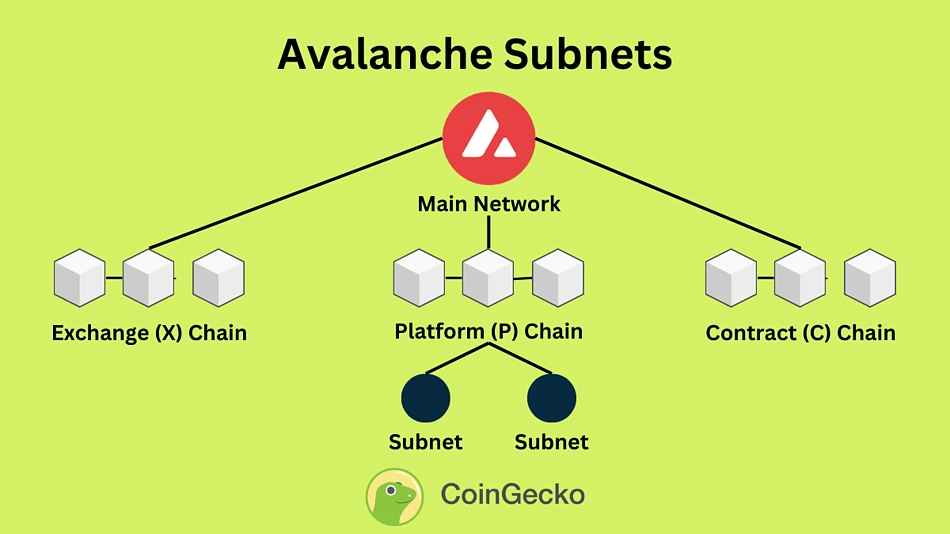
Building a custom blockchain is a high-stakes engineering task. A single architectural error can lead to unsustainable gas fees, security vulnerabilities, or a network that no one uses. Many teams rush into coding smart contracts before finalizing the consensus mechanism, creating a fragile foundation. To avoid these pitfalls, focus on three critical areas: consensus selection, tokenomics design, and interoperability.
Choosing the wrong consensus mechanism
The consensus mechanism determines how nodes agree on the state of the blockchain. A common mistake is selecting a mechanism that does not match the application’s transaction volume. For example, using a Proof of Work (PoW) system for a high-frequency gaming app will result in unacceptable latency and high costs. Instead, match the consensus to the use case. For high-throughput applications, consider Proof of Stake (PoS) or delegated variants. For privacy-focused apps, look into zero-knowledge proof integrations. Always benchmark your expected TPS (transactions per second) against the consensus layer’s theoretical limits before writing a single line of code.
Ignoring interoperability from the start
Another frequent error is building an isolated chain with no plan for cross-chain communication. If your app chain cannot interact with existing liquidity or user bases on Ethereum, Solana, or Cosmos, its value proposition is severely limited. Do not treat interoperability as an afterthought. Integrate standard bridge protocols or use frameworks like Cosmos SDK’s IBC (Inter-Blockchain Communication) or Polkadot’s XCM during the initial architecture phase. This ensures your app chain can seamlessly exchange assets and data with other networks, reducing friction for users who already hold assets elsewhere.
Over-engineering the tokenomics
Complex token models often confuse users and investors. A common mistake is creating multiple tokens with intricate staking and governance mechanics that are difficult to audit or understand. Keep the economic model simple and aligned with the network’s security needs. If you need to incentivize validators, use a single native token. Avoid overloading the initial release with complex governance proposals or multi-layered reward structures. Start with a clear utility: pay for gas, secure the network, or vote on upgrades. You can add complexity later if the network grows and requires more sophisticated economic layers.
Custom app chains 2026: what to check next
Before committing resources to a custom blockchain, it helps to clarify what an appchain actually is and whether the complexity is justified for your specific use case. These answers address the most common practical objections readers have when evaluating custom app chains in 2026.
Helpful gear
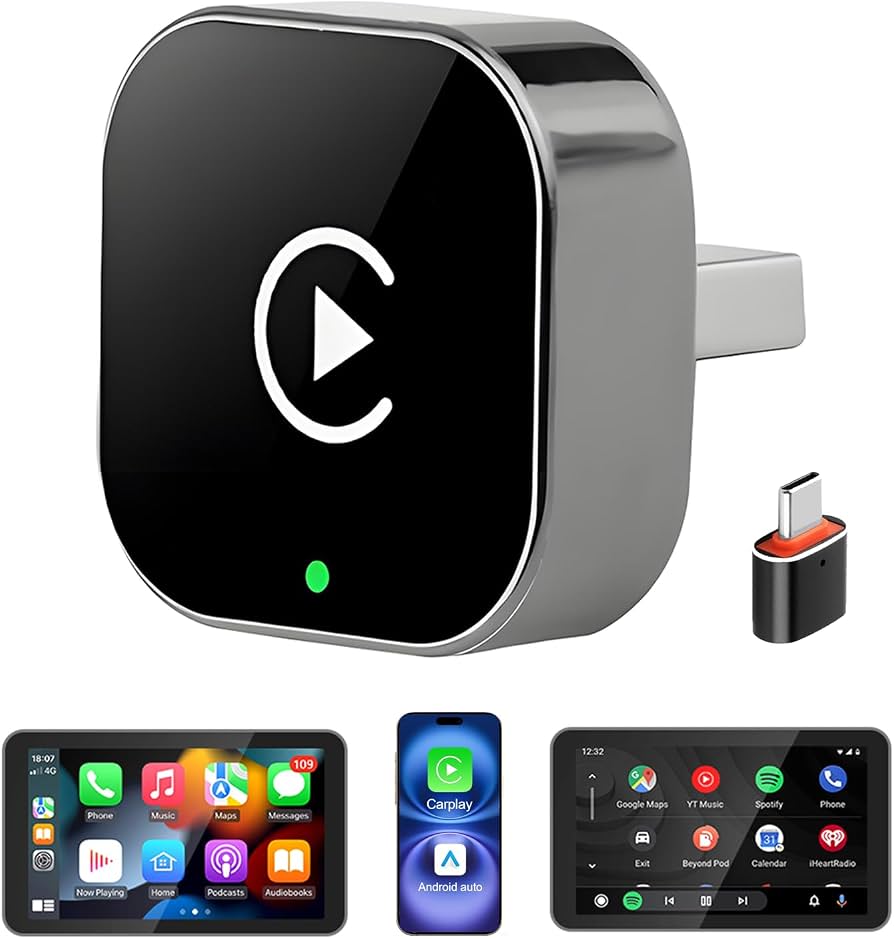
Use these product recommendations as a starting point, then choose the size, material, and price point that fit how you actually use the gear.


As an Amazon Associate, we may earn from qualifying purchases.
No comments yet. Be the first to share your thoughts!