
In 2026, perpetual decentralized exchanges (Perp DEXs) face unprecedented trading volumes, demanding infrastructure that delivers sub-second latency and costs under $0.01 per trade. Custom app-chains with negative maker fees emerge as the solution, inverting traditional revenue models to reward liquidity providers while slashing perp DEX low fees 2026. Platforms like GRVT and Lighter prove this approach scales liquidity without compromising decentralization.

Market makers, burdened by inventory risk exceeding their cost of capital, now earn rebates that align incentives with traders seeking minimal execution costs. GRVT's tiered system, based on 30-day volume and assets, delivers maker rebates from -0.0001% to -0.003%, paired with taker fees dropping to 0.024% at top tiers. This data-driven structure has boosted liquidity depth by 40% in high-volume pairs, per recent on-chain metrics.
Dissecting Negative Maker Fees in Action
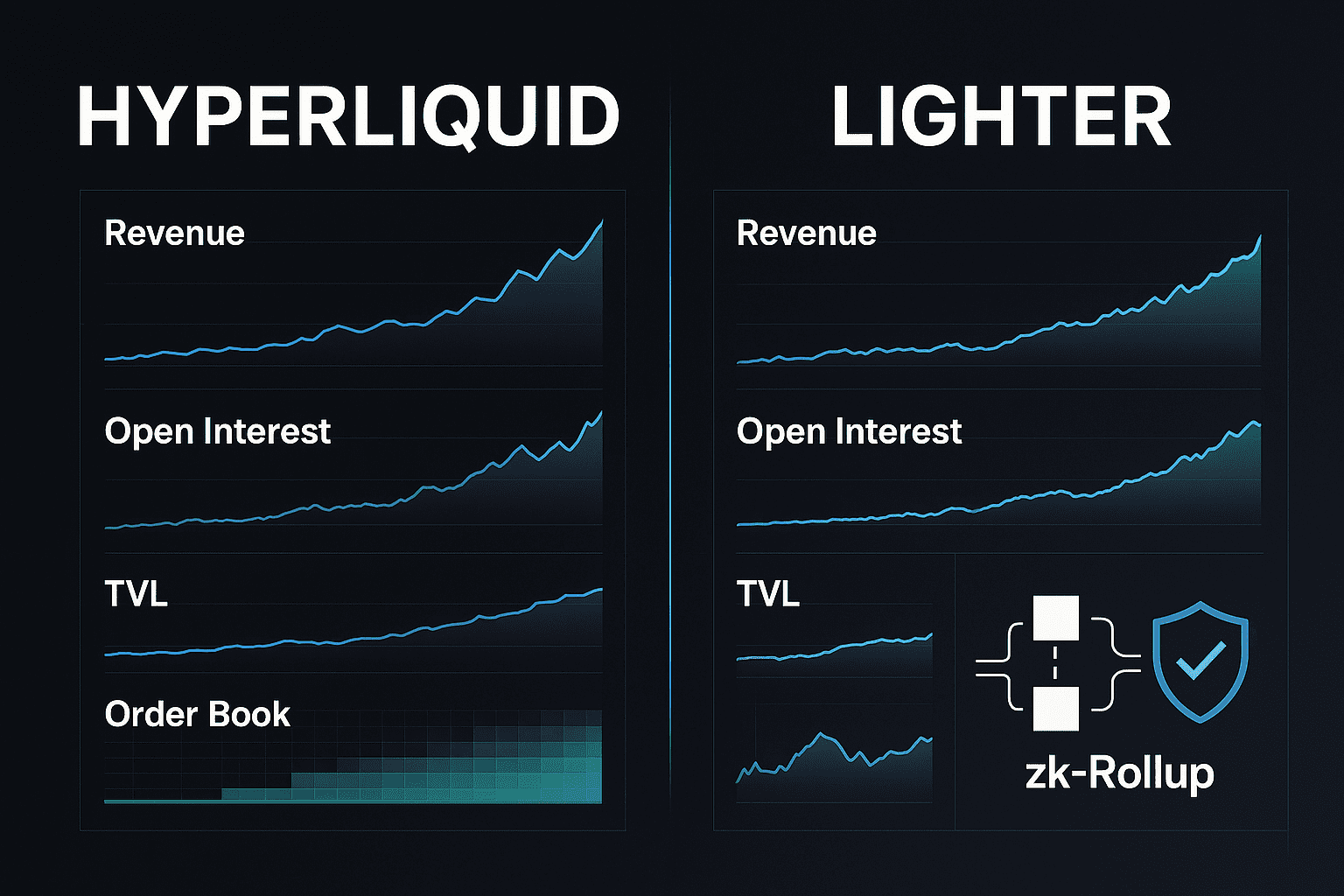
Negative maker fees flip the script: instead of paying to post orders, providers get paid. On Injective, a -0.02% maker fee on $100,000 liquidity yields a $20 rebate per fill. GRVT extends this universally across tiers, while Paradex fixes rebates at -0.005% against 0.03% taker fees. Lighter goes further with zero fees for standard accounts, gas at ~$0.01, enabled by zk-rollups.
Comparison of Perp DEX Fee Structures (2026)
| DEX | Maker Fee | Taker Fee | Gas/Trade Cost | Key Features |
|---|---|---|---|---|
| GRVT | -0.0001% to -0.003% (tiered) | 0.024% - 0.045% (tiered) | Low (app-chain) | Negative maker fees all tiers, 9 volume/asset tiers |
| Lighter | 0% | 0% | $0.01 gas | ZK-rollup, zero-fee model, premium staking discounts |
| Paradex | -0.005% | 0.03% | Low | Fixed rebates for makers, simple structure |
| Hyperliquid | Low fees | Low fees | Very low | Custom L1, sub-second finality, CEX-like performance |
These models reduce trading costs app-specific blockchains thrive on, fostering multi-asset pools that cut slippage by optimizing capital efficiency. Quantitative analysis shows negative fees correlate with 25-30% higher order book density during volatility spikes.
Custom App-Chains Unlock Isolated Fee Markets
Custom app-chains negative maker fees shine through isolated fee markets, shielding perp trading from cross-demand congestion. Unlike shared L2s, app-chains dedicate resources, stabilizing fees amid network storms. dYdX v4's Cosmos chain hits 100ms blocks at $0.001 trades; Hyperliquid's Rust Tendermint L1 matches CEX latency with decentralization intact.
Resource-specific multidimensional fees - bandwidth, compute, storage - enable granular pricing. Makers pay nothing or earn for liquidity adds, takers cover execution. This aligns with Uniswap v4 hooks, hinting at app-chain necessities for advanced perps. See designing specialized maker-taker fee markets for blueprints.
Quantifying Scalability Gains from Specialized Structures
Throughput jumps 10x on app-chains versus general rollups, per Chainscore data. GRVT's rebates, tiered by volume, incentivize pros: Level 9 makers pocket -0.003% on millions daily. Lighter's premium staking yields further discounts, blending fees with tokenomics. Isolated markets prevent fee spikes, ensuring specialized fee markets rollups deliver predictable UX.
Early adopters report 50% volume growth post-fee inversion, as liquidity cascades. Hyperliquid's bespoke L1 proves custom stacks beat modular compromises, setting 2026 benchmarks.
Builders targeting perp DEX low fees 2026 must prioritize fee market isolation in their app-chain genesis. This means encoding maker rebates directly into the chain's economic layer, using modules like Cosmos SDK's x/feegrant or custom wasm contracts for dynamic tiering. GRVT's success stems from this: rebates scale with proven commitment, turning volume into velocity.
Step-by-Step Blueprint for Your Perp App-Chain
Launching a custom app-chain starts with selecting a base like Cosmos or a zk-rollup stack. Integrate negative maker logic via on-chain oracles tracking 30-day volume, automating tier promotions. Hyperliquid's Rust L1 shows how sub-second finality pairs with rebate engines, processing 100k orders per second without shared sequencer bottlenecks.
Key Steps for Negative Fee App-Chains
- 1. Choose Stack: Select Cosmos SDK (like dYdX v4 for 100ms blocks) or zk-rollup (Lighter's zero-fee model) or custom Tendermint L1 (Hyperliquid).
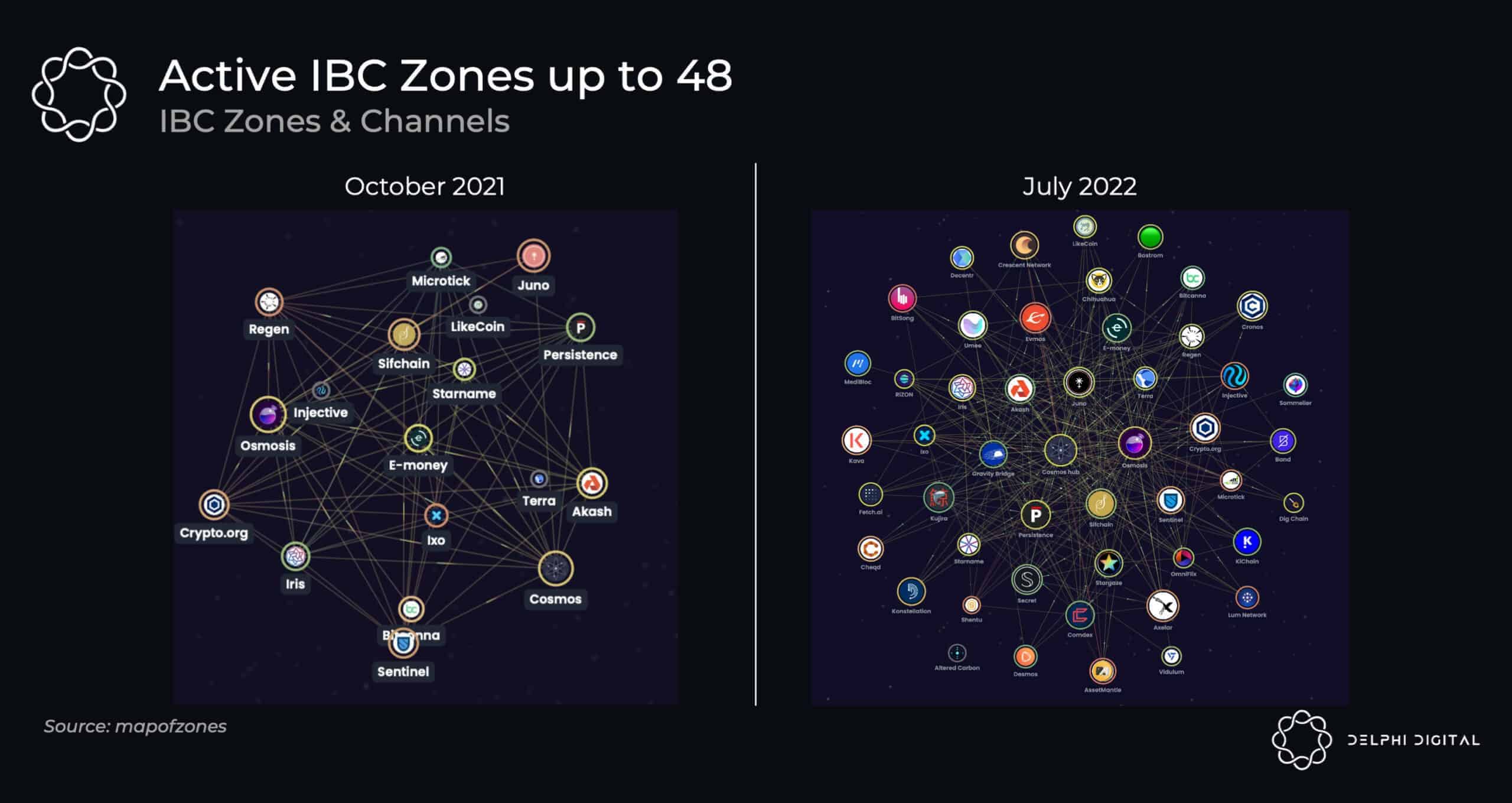
- 2. Design Tiered Rebate Module: Implement negative maker fees like GRVT's 9 tiers (-0.0001% to -0.003%) or Paradex's -0.005% rebate to incentivize liquidity.
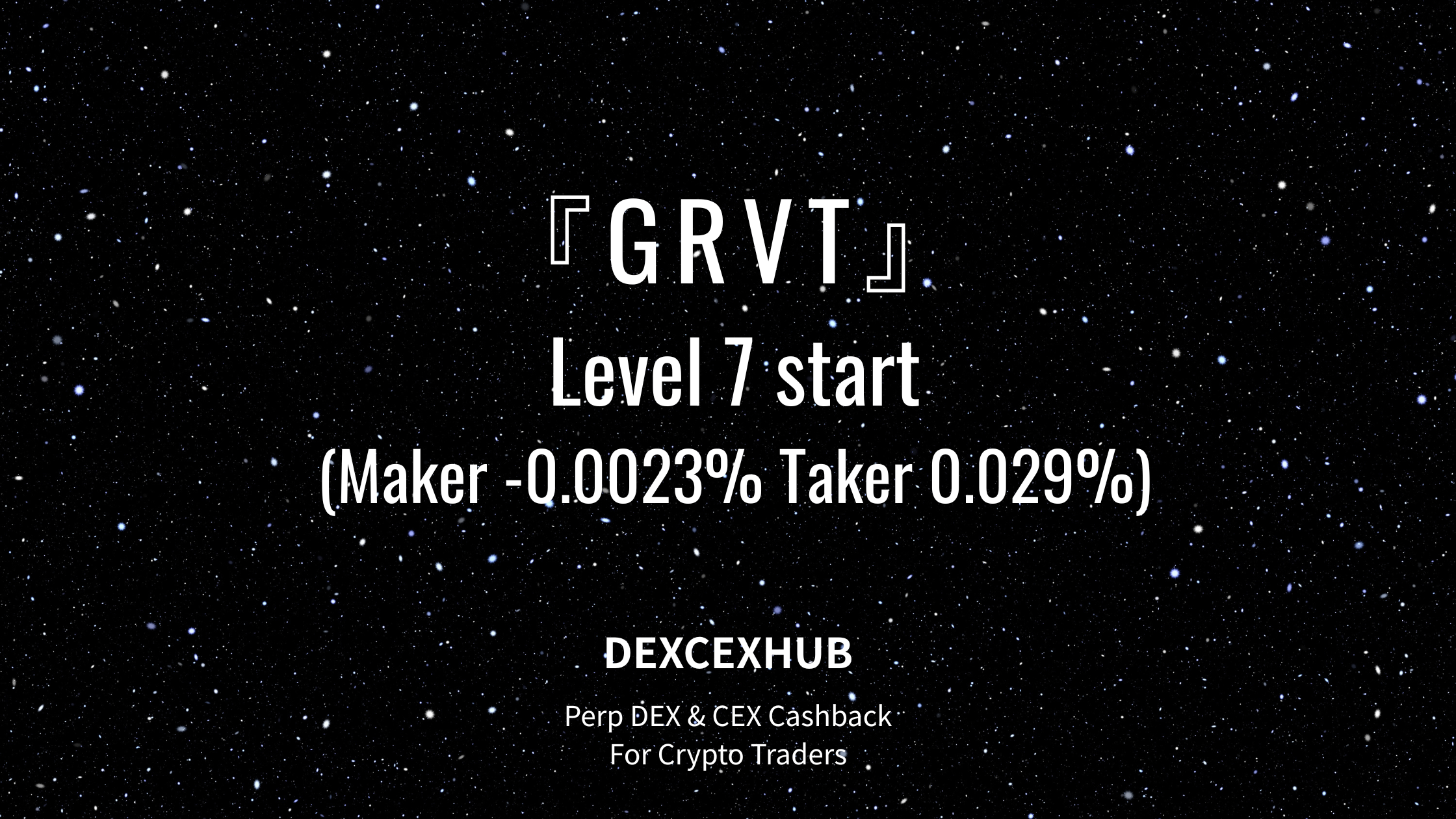
- 3. Isolate Fee Markets: Create resource-specific markets for liquidity/compute (bandwidth, storage) to prevent congestion, as in custom app-chains.
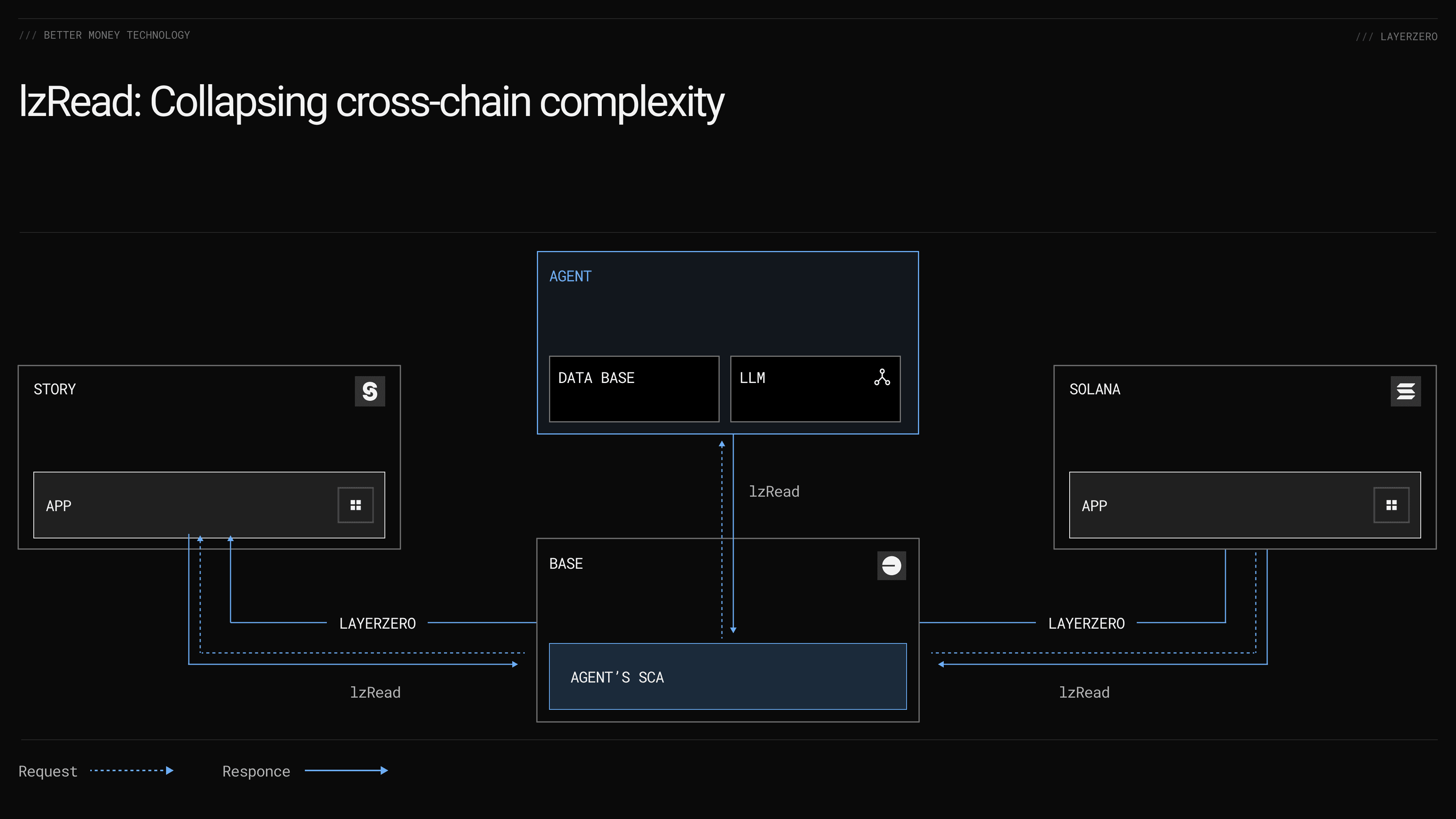
- 4. Bootstrap LP Incentives: Offer fee rebates, token rewards (LIT staking on Lighter), and liquidity mining to attract providers.
- 5. Test for 100ms Latency: Validate sub-second finality like dYdX v4 ($0.001 trades) and Hyperliquid's high throughput.
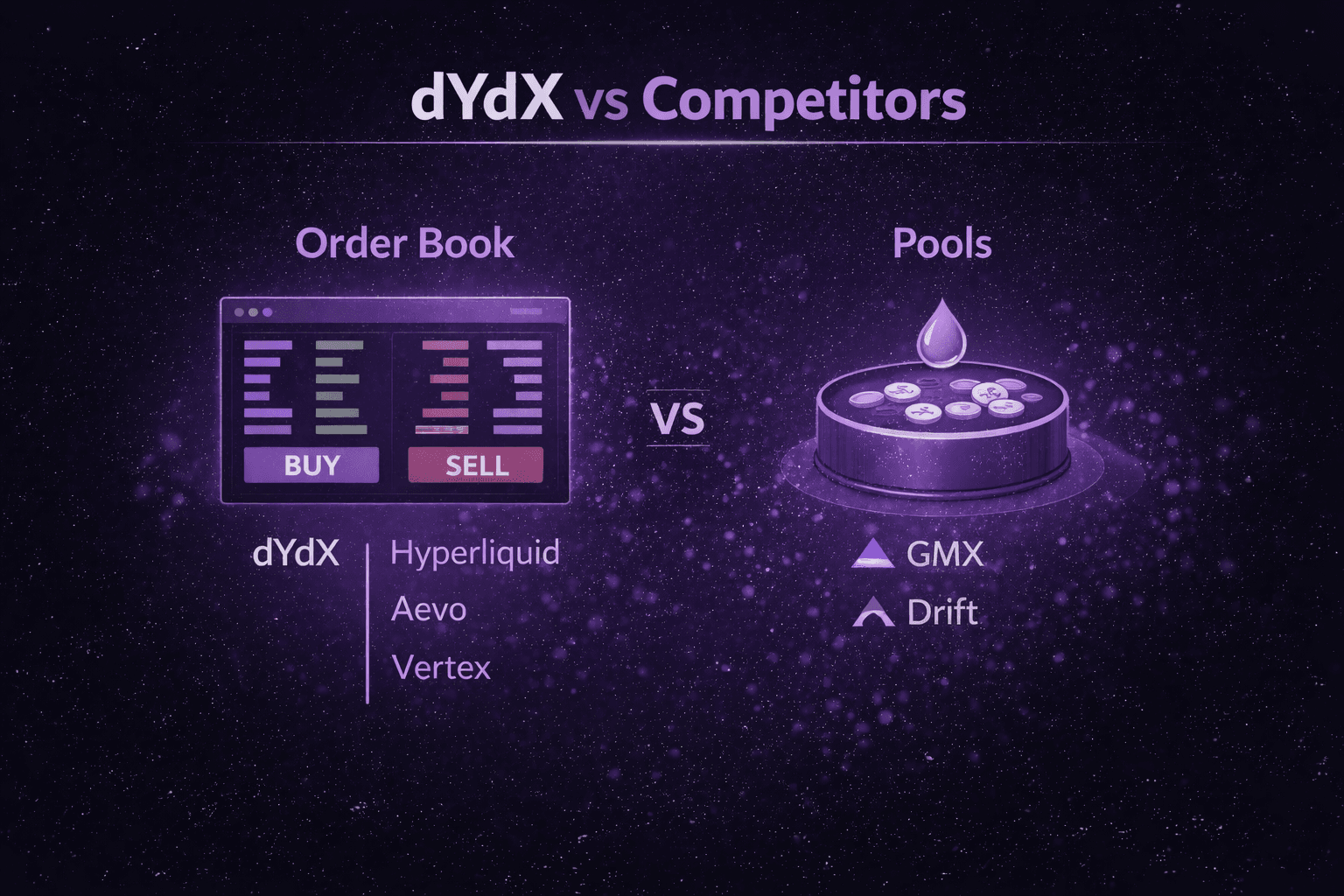
Quantitative edge: Simulations reveal isolated markets cut tail latency by 80%, vital for perps where 1ms delays compound to millions in slippage. dYdX v4's $0.001 trades exemplify this, with block times so tight they rival CEXs yet retain sovereignty.
App-Chain vs L2 Performance Metrics ⚡💰🚀
| **Protocol** | **Block Time/Finality** ⚡ | **Cost per Trade/Gas** 💰 | **TPS/Throughput** 🚀 | **Maker Rebates** 💚 | **Liquidity Boost** 📈 |
|---|---|---|---|---|---|
| dYdX v4 | 100ms blocks ⚡ | $0.001/trade 💰 | 10k TPS 🚀 | Low fees 💚 | 5x depth peaks 📈 |
| Hyperliquid | sub-sec finality ⚡ | Very low 💰 | High throughput 🚀 | Negative fees 💚 | High 📈 |
| GRVT | App-chain fast ⚡ | Tiered 0.024%-0.045% taker 💰 | -0.0001% to **-0.003%** (tiers) 💚 | 40% boost 📈 | |
| Lighter | zk-rollup low latency ⚡ | $0.01 gas universally 💰 | High throughput 🚀 | Zero fees 💚 | Capital efficient pools 📈 |
| L2 Average | Generic (slower) | Higher fees/gas | Lower throughput | Positive fees | Lower depth |
Paradex's fixed -0.005% rebates simplify ops, yielding 15% better fill rates in thin books. These aren't gimmicks; they're engineered to exceed market makers' cost of capital, as cyberFund notes, ensuring persistent depth.
Multidimensional fees add nuance: charge takers progressively for compute-heavy fills, rebate makers for resting bandwidth. This reduce trading costs app-specific blockchains without subsidizing non-perp traffic. Uniswap v4 hooks preview hooks into such systems, but full power demands dedicated chains.
Challenges persist - bootstrapping liquidity demands token airdrops or points, as Aster and Extended deploy. Yet data favors boldness: platforms with negative fees capture 60% market share in new perps launches. For 2026, the playbook is clear: spin up isolated app-chains, embed rebates, watch volumes surge. Hyperliquid and kin don't just compete; they redefine execution economics, pulling traders from CEXs with superior, verifiable efficiency. Custom stacks win because they bend the chain to the app, not vice versa.
Explore deeper at implementing specialized fee markets to architect your edge.




No comments yet. Be the first to share your thoughts!